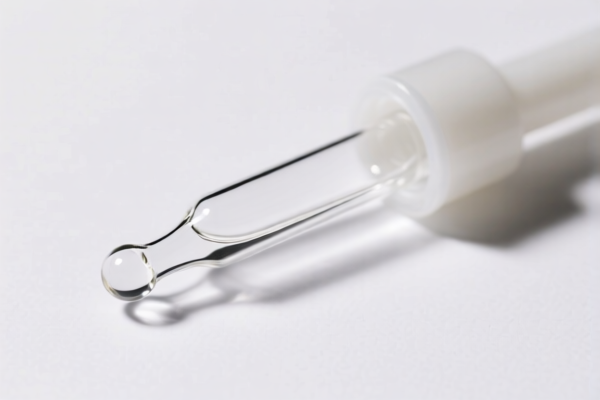
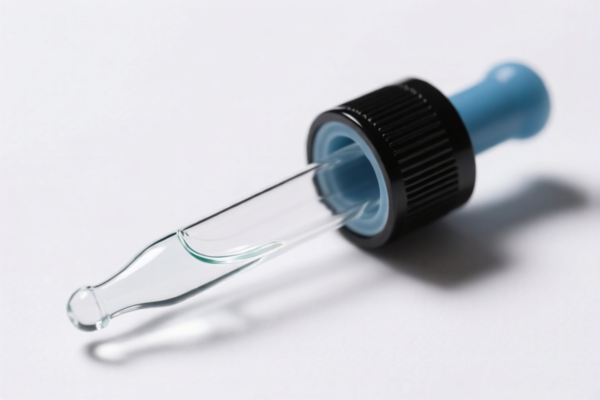
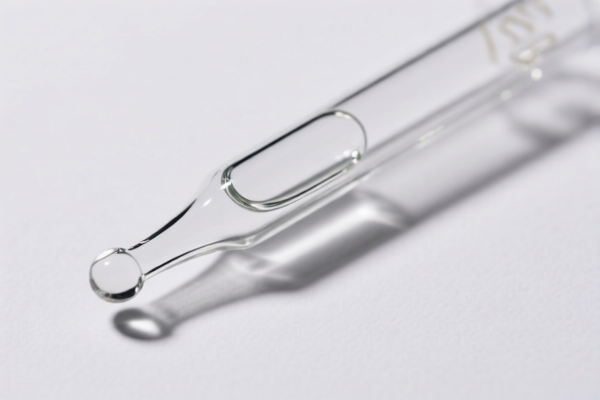
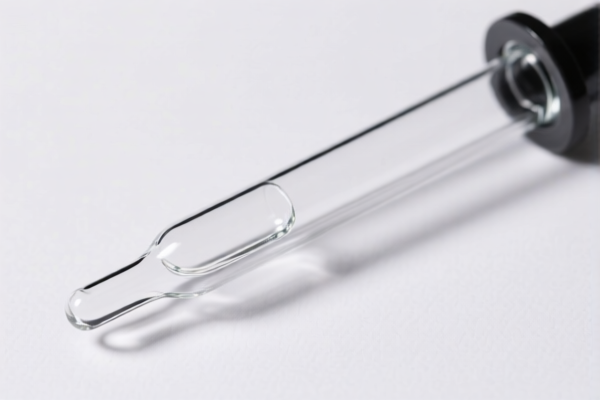
Glass Pipette
CN → US| HS Code | Tariff Rate | Origin | Destination | Doc |
|---|---|---|---|---|
| 7017200000 | 41.7% | CN | US | Official Doc |
| 7017905000 | 41.7% | CN | US | Official Doc |
| 3926909989 | 22.8% | CN | US | Official Doc |
| 3926909910 | 22.8% | CN | US | Official Doc |
| 9018390050 | 10.0% | CN | US | Official Doc |
Product Images
AI Analysis
🧪 Glass Pipette – Comprehensive HS Code & Tariff Guide (2026 Edition)
🌐 HS Code Classification & Duty Breakdown | U.S. Import Rules | Expert Customs Clearance Strategy
📌 One Product, Multiple Codes? Let’s Clarify the Truth!
A glass pipette is a precision laboratory tool used to transfer small, accurate volumes of liquid. While it may seem straightforward, its HS code classification depends heavily on material, intended use, and design. Misclassification can lead to severe penalties, delays, or even seizure.
⚠️ Critical Insight:
- Glass pipettes used in laboratory settings → fall under glassware (HS 7017)
- Plastic pipettes (especially disposable ones) → fall under plastic articles (HS 3926 or 9018)
- Medical-grade plastic pipettes → may be classified under medical devices (HS 9018)
📦 2026 HS Code Classification Matrix (U.S. Tariff Schedule)
| HS Code | Product Description | Material | Use Case | Key Feature |
|---|---|---|---|---|
7017.20.00.00 |
Glass laboratory pipettes, non-graduated or graduated | Glass | Lab use (chemistry, biology, clinical) | Standard lab glassware, no electronic components |
7017.90.50.00 |
Other glass laboratory ware, including pipettes | Glass | Scientific/analytical labs | Covers non-standard or specialty glassware |
3926.90.99.89 |
Other plastic articles, not elsewhere specified | Plastic (e.g., PP, PS) | General lab use | Non-medical, non-disposable, reusable |
3926.90.99.10 |
Plastic laboratory ware, including pipettes | Plastic (e.g., polypropylene) | Disposable lab tools | Common in modern labs (e.g., PCR, ELISA) |
9018.39.00.50 |
Other instruments and apparatus for medical/diagnostic use | Plastic | Medical/diagnostic labs | Includes disposable plastic pipettes used in clinical testing |
🔍 Why So Many Codes?
- Material matters: Glass vs. plastic → different HS codes
- Use case determines classification: Lab vs. medical → different tax treatment
- Reusability & design: Disposable vs. reusable → affects code selection
💰 2026 U.S. Tariff Breakdown (China-Origin Goods)
✅ Applicable Country: United States (US)
✅ Origin: China (CN)
✅ Effective Date: November 10, 2025 (as per USTR 301 & IEEPA rules)
🎯 1. 7017.20.00.00 & 7017.90.50.00 – Glass Laboratory Pipettes
| Item | Detail |
|---|---|
| Base Tariff | 6.7% (ad valorem) |
| Section 301 (USITC) Additional Duty | +25.0% |
| Section 301 (IEEPA) Additional Duty | +10.0% |
| Total Effective Duty | 41.7% |
| Tax Calculation | CIF Value × 41.7% |
| De Minimis Exemption? | ❌ No (denied under 301 tariffs) |
| Legal Basis | IEEPA:9903.01.25 → IEEPA:9903.01.24 → USITC:7017.20.00.00 → FOOTNOTE:9903.88.01 |
📌 Explanation:
- 6.7% base tariff: Standard rate for glassware under U.S. Harmonized Tariff Schedule (HTSUS)
- +25% USITC (Section 301): From the U.S. Trade Representative’s 2018 China tariff list (Phase 1)
- +10% IEEPA (International Emergency Economic Powers Act): Applies to all goods from China, effective Nov 2025
- Total = 41.7% — one of the highest tariff burdens on lab supplies
🎯 2. 3926.90.99.89 & 3926.90.99.10 – Plastic Laboratory Pipettes (Reusable/Non-Medical)
| Item | Detail |
|---|---|
| Base Tariff | 5.3% |
| Section 301 (USITC) Additional Duty | +7.5% |
| Section 301 (IEEPA) Additional Duty | +10.0% |
| Total Effective Duty | 22.8% |
| Tax Calculation | CIF Value × 22.8% |
| De Minimis Exemption? | ❌ No (still subject to 301/IEEPA) |
| Legal Basis | IEEPA:9903.01.25 → IEEPA:9903.01.24 → USITC:3926.90.99.89 → FOOTNOTE:9903.88.01 |
📌 Note:
- Lower than glass due to lower base tariff
- Still subject to IEEPA 10% and USITC 7.5% (not 25%)
- Applies to non-medical, reusable plastic pipettes (e.g., lab-grade PP pipettes)
🎯 3. 9018.39.00.50 – Plastic Pipettes for Medical/Diagnostic Use
| Item | Detail |
|---|---|
| Base Tariff | 0.0% |
| Section 301 (USITC) Additional Duty | 0.0% |
| Section 301 (IEEPA) Additional Duty | +10.0% |
| Total Effective Duty | 10.0% |
| Tax Calculation | CIF Value × 10.0% |
| De Minimis Exemption? | ❌ No (IEEPA applies) |
| Legal Basis | IEEPA:9903.01.25 → IEEPA:9903.01.24 → 9018.39.00.50 |
📌 Why Only 10%?
- Medical device classification (9018) is exempt from USITC 25%
- Only IEEPA 10% applies — not the full 301 package
- Crucial distinction: If your pipette is used in clinical diagnostics, medical testing, or in-vitro diagnostics, this code applies — saves 31.7% in duty!
🛠️ ✅ Proven Customs Clearance Strategies (Real-World Tactics)
✅ 1. Essential Documentation (Must-Have Checklist)
| Document | Required? | Why It Matters |
|---|---|---|
| ✅ Product Specifications | ✔️ | Must state: "Disposable", "Reusable", "Medical Grade", "For Lab Use" |
| ✅ Material Composition | ✔️ | Prove it’s glass (for 7017) or polypropylene (for 3926) |
| ✅ Lab Use Certificate / Intended Application | ✔️ | Prove it's not for medical use → avoid 9018 |
| ✅ Commercial Invoice | ✔️ | Must include exact description, HS code, origin, CIF value |
| ✅ Certificate of Origin (CO) | ✔️ | If from Vietnam/Mexico/Thailand → may qualify for IEEPA exemption |
| ✅ Third-Party Test Report | ✔️ | ISO 17025, CE, RoHS, or FDA (if medical) |
| ✅ Product Photos (with label) | ✔️ | Show material, markings, packaging |
✅ 2. Smart申报 Tips (Avoid 41.7% Trap!)
🔥 "Material First, Use Second, Code Last!"
| Scenario | Correct HS Code | Wrong Code | Risk |
|---|---|---|---|
| Glass pipette, used in chemistry lab | 7017.20.00.00 |
3926.90.99.89 |
41.7% vs 22.8% → +18.9% tax |
| Disposable plastic pipette, used in PCR lab | 3926.90.99.10 |
9018.39.00.50 |
22.8% vs 10% → save 12.8% |
| Plastic pipette used in hospital lab for blood testing | 9018.39.00.50 |
3926.90.99.10 |
10% vs 22.8% → save 12.8% |
| Reusable plastic pipette, no medical claim | 3926.90.99.89 |
7017.20.00.00 |
22.8% vs 41.7% → save 18.9% |
✅ 3. Special Case Handling (Avoid Costly Mistakes)
| Situation | Recommended Action |
|---|---|
| OEM lab pipettes | Provide customer specs + design drawings; avoid "generic" labeling |
| Pipette with tip adapter | Still classify as pipette — don’t split into "tip + barrel" |
| Pipette used in FDA-regulated lab | Apply for medical device exemption if applicable |
| Pipettes shipped in bulk with labels | Ensure label clearly states "For Laboratory Use" or "For Medical Use" |
🌍 Global Market Comparison (2026)
| Country | Recommended HS Code | Base Duty | Additional Taxes | Notes |
|---|---|---|---|---|
| 🇺🇸 United States | 7017.20.00.00 (glass) |
6.7% | +25% +10% → 41.7% | High cost; avoid if possible |
| 🇨🇳 China | 7017.20.00.00 |
5% | 0% | No 301/IEEPA |
| 🇪🇺 European Union | 7017.20.00.00 |
0% (if CE) | 0% | No 301/IEEPA |
| 🇦🇺 Australia | 7017.20.00.00 |
5% | 0% | No 301/IEEPA |
| 🇯🇵 Japan | 7017.20.00.00 |
0% | 0% | No 301/IEEPA |
📌 Insight:
- Only the U.S. imposes 301 + IEEPA tariffs on lab glassware
- China, EU, Japan, Australia have no additional duties
- Consider shifting supply chain to Vietnam/Mexico/Thailand to avoid 41.7%
🚨 Common Mistakes & Real Consequences
❌ Mistake 1: Classifying a glass lab pipette as plastic
👉 Result: 41.7% duty instead of 22.8% → extra $18.90 per $100 CIF → huge cost overrun
❌ Mistake 2: Using medical-grade plastic pipettes under 3926.90.99.10
👉 Result: 22.8% duty instead of 10% → $12.80 extra per $100 CIF
❌ Mistake 3: Not declaring medical use when applicable
👉 Result: Risk of customs audit, penalties, or product seizure
❌ Mistake 4: Using vague description like “laboratory tool”
👉 Result: Customs cannot verify material/use → delayed clearance or rejection
✅ Best Practice:
“Disposable Polypropylene Pipette, 1000 µL, For Diagnostic Use, Sterile, Non-Pyrogenic, ISO 17025 Certified, Model XYZ”
🎯 Final Verdict: Smart Classification = Big Savings!
🎯 Key Takeaways:
🔹 Glass = 7017 → 41.7% duty (U.S.)
🔹 Plastic (non-medical) = 3926 → 22.8% duty
🔹 Plastic (medical) = 9018 → 10.0% duty
🔹 Material + Use = Code — never guess!📌 Pro Tip:
If your pipettes are used in clinical labs, diagnostics, or medical testing, use9018.39.00.50— you’ll save over 30% in duty vs. non-medical codes.
📣 Act Now!
📞 Contact a U.S. Customs Broker with 301/IEEPA expertise
📄 Request HS Code Pre-Ruling (Advance Ruling) for your product
🚀 Optimize your supply chain — move to Vietnam/Mexico/Thailand to avoid 41.7%
✨ Precision Matters. So Does Your Duty.
💼 One wrong code can cost you thousands. Get it right the first time.
Customer Reviews
About HS Code Classification
The Harmonized System (HS) is an internationally standardized nomenclature developed by the World Customs Organization (WCO) to classify traded products. Over 200 countries use the HS system as the basis for customs tariffs, trade statistics, and import/export regulations.
Each HS code follows a hierarchical structure:
- Chapter (2 digits) — Broad category of goods (e.g., Chapter 84: Machinery and Mechanical Appliances)
- Heading (4 digits) — More specific grouping within the chapter
- Subheading (6 digits) — Internationally standardized breakdown, used by all WCO member countries
- National subdivisions (8-10 digits) — Country-specific extensions for further classification, such as US HTSUS 10-digit codes
Correct HS code classification is essential for smooth customs clearance, accurate duty payment, and compliance with trade regulations. Misclassification can lead to customs delays, overpayment of duties, or penalties.
When importing from CN to US, the applicable tariff rates may include:
- Most-Favored-Nation (MFN) rate — The standard duty rate applied to WTO members
- General rate — Applied to countries without trade agreements
- Trade remedy duties — Additional tariffs such as Section 301 (anti-dumping), Section 232 (national security), or countervailing duties
The information provided on this page is for reference purposes only. For official classification, please consult with your local customs authority or a licensed customs broker.