Glass Sand
CN → US| HS Code | Tariff Rate | Origin | Destination | Doc |
|---|---|---|---|---|
| 3207405000 | 41.5% | CN | US | Official Doc |
| 3207401000 | 41.0% | CN | US | Official Doc |
| 2505101000 | 35.0% | CN | US | Official Doc |
Product Images
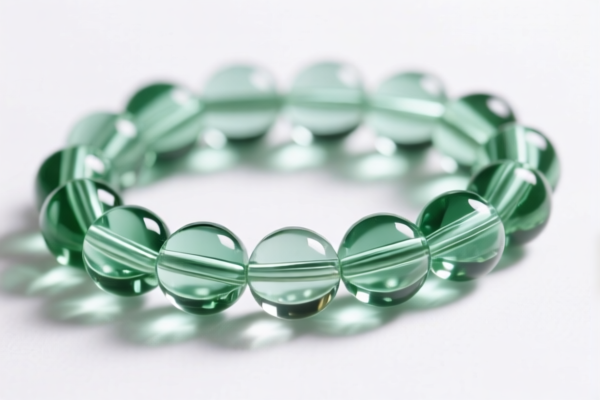

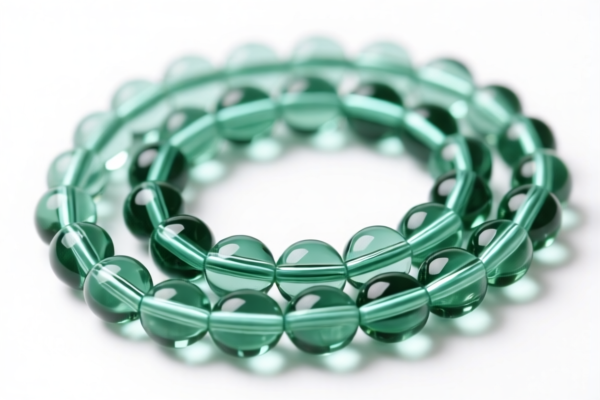

AI Analysis
🏖️ Glass Sand (Industrial & Silica Based)
🌐 HS Code Reference & Customs Clearance Guide | 2026 Latest Tariff Analysis | Professional Entry Strategy
📌 Part 1: Product Definition & Classification – Do You Really Understand "Glass Sand"?
"Glass Sand" is a broad term in international trade that requires precise technical distinction to avoid costly misclassification. In customs practice, it is primarily divided into two distinct material categories:
1. Recycled/Cullet Glass Sand (Material: Glass)
Made from crushed, powdered, or granulated glass (cullet). This includes recycled glass particles, glass frit, or fine glass powder used for abrasion, filtration, or construction.
2. Silica Sand (Material: Silica Quartz)
Natural silica sand or quartz sand. Despite the commercial name "glass sand" sometimes being used loosely, if the material is natural mineral silica, it falls under a different chapter than processed glass.
⚠️ Key Distinction Point:
- If the material is processed glass (powder, granules, flakes) → It belongs to Chapter 32 (Tanning/Printing/Other Chemical Preparations).
- If the material is natural silica/quartz → It belongs to Chapter 25 (Mineral Products).
📦 Part 2: HS Code Classification Details (2026 Latest Tariff Authority Comparison)
Based on the provided data, here are the specific HS Codes for "Glass Sand" depending on its material composition:
| HS Code | Product Description | Material Composition | Form/State |
|---|---|---|---|
3207.40.10.00 |
Glass Sand (Processed) | Glass | Powder, Granules, or Flakes |
2505.10.10.00 |
Silica Quartz Sand | Silica (Quartz) | Sand (Natural Mineral) |
3207.40.50.00 |
Glass Sand (Processed) | Glass | Powder, Granules, or Thin Flakes |
🔍 Critical Reminder:
- "Glass Sand" made of recycled glass is classified under 3207.40 (Other prepared pigments, etc.), NOT under Chapter 70 (Glass).
- "Glass Sand" made of natural sand for glass manufacturing is classified under 2505.10 (Silica sand).
- Misidentifying natural silica as "glass" or vice versa leads to incorrect tax rates and potential customs penalties.
💰 Part 3: 2026 Latest Tariff Rate Details (Including Additional Taxes)
✅ Applicable Country: United States (US)
✅ Origin: China (CN)
✅ Effective Time: Current rates apply (including Section 301 and IEEPA provisions)
🎯 1. 3207.40.10.00 — Glass Sand (Material: Glass)
| Item | Content |
|---|---|
| Base Tariff | 6.0% |
| Section 301 Additional Tariff | +25.0% |
| Section 122 Tariff (IEEPA) | +10.0% |
| Total Tariff Rate | 41.0% |
| Tax Calculation | CIF Value × 41% |
| De Minimis Exemption? | ❌ NO (High tariffs exclude de minimis benefits) |
| Legal Basis Path | USITC:3207.40.10.00 → Section 301: Footnote 9903.88.01 → IEEPA: Section 122 |
📌 Explanation:
- Base 6%: Standard Most Favored Nation (MFN) rate for "Other prepared pigments and other preparations...".
- 25% Additional: Standard Section 301 tariff on Chinese goods in this category.
- 10% Additional: Section 122 tariff (part of ongoing trade measures against specific Chinese imports).
- Total 41%: A very high cost burden. Importers must factor this into landed cost calculations.
🎯 2. 2505.10.10.00 — Glass Sand (Material: Silica/Quartz)
| Item | Content |
|---|---|
| Base Tariff | 0.0% |
| Section 301 Additional Tariff | +25.0% |
| Section 122 Tariff (IEEPA) | +10.0% |
| Total Tariff Rate | 35.0% |
| Tax Calculation | CIF Value × 35% |
| De Minimis Exemption? | ❌ NO |
| Legal Basis Path | USITC:2505.10.10.00 → Section 301: Footnote 9903.88.01 → IEEPA: Section 122 |
📌 Note:
- Base 0%: Natural silica sand is often duty-free under MFN.
- However, due to trade restrictions, the 35% total tariff makes it expensive to import from China.
- This is 7% cheaper than the glass-based sand (41%), but still significantly higher than pre-trade war rates.
🎯 3. 3207.40.50.00 — Glass Sand (Material: Glass, Different Form)
| Item | Content |
|---|---|
| Base Tariff | 6.5% |
| Section 301 Additional Tariff | +25.0% |
| Section 122 Tariff (IEEPA) | +10.0% |
| Total Tariff Rate | 41.5% |
| Tax Calculation | CIF Value × 41.5% |
| De Minimis Exemption? | ❌ NO |
| Legal Basis Path | USITC:3207.40.50.00 → Section 301: Footnote 9903.88.01 → IEEPA: Section 122 |
📌 Difference from 3207.40.10.00:
- The only difference is the base tariff (6.5% vs 6.0%).
- This sub-heading may apply to glass sand with slightly different physical properties (e.g., specifically "thin flakes" vs "granules").
- Total 41.5% is the highest rate in this dataset. Verify if your product can be classified under3207.40.10.00(41.0%) to save 0.5%.
🛠️ Part 4: Customs Clearance Practical Advice (Pitfall Avoidance Guide)
✅ 1. Documentation Checklist (Mandatory)
| Document | Required? | Description |
|---|---|---|
| ✅ Product Specification Sheet | ✔️ | Must explicitly state: Material (Glass vs. Silica), Chemical Composition, Particle Size Distribution. |
| ✅ Certificate of Origin (CO) | ✔️ | To prove origin. If from Vietnam/Mexico, may qualify for exemptions. |
| ✅ Material Safety Data Sheet (MSDS) | ✔️ | Required for hazardous material review, even if inert. |
| ✅ Commercial Invoice | ✔️ | Description must match HS Code: e.g., "Recycled Glass Granules" for 3207.40.10.00. |
| ✅ Lab Test Report | ✔️ | Crucial to prove material is Glass (for 3207) vs. Quartz (for 2505). |
✅ 2. Declaration Tips (Key Mantra)
🔥 “Material First, Form Second; Don’t Mix Silica with Glass!”
| Scenario | Correct Declaration | Wrong Practice |
|---|---|---|
| Recycled glass pellets | 3207.40.10.00 |
Misdeclaring as "Silica Sand" → Wrong HS Code |
| Natural quartz sand for glassmaking | 2505.10.10.00 |
Misdeclaring as "Glass Sand" → Risk of 3.5% higher tax or scrutiny |
| Mixed waste glass | 3207.40.10.00 or 3207.40.50.00 |
Vague description "Sand" → Delayed clearance |
| Glass powder for abrasion | 3207.40.10.00 |
Declaring as "Chemical Powder" → Unnecessary complexity |
📌 Crucial Advice:
- The phrase "Glass Sand" in the product name is ambiguous.
- If it is silica: Declare as "Silica Sand, Natural, for Glass Manufacturing" → HS2505.10.10.00.
- If it is crushed glass: Declare as "Recycled Glass Granules, for Abrasive Use" → HS3207.40.10.00.
✅ 3. Special Situations Handling
| Situation | Handling Suggestion |
|---|---|
| Mixed Shipments | If a shipment contains both silica sand and glass cullet, split the declaration. Do not mix them under one HS Code. |
| Origin Diversification | If sourced from Vietnam, Thailand, or Mexico, check for IEEPA/Section 122 exemptions. Tariffs may drop to 0-6%. |
| Particle Size Variation | Ensure lab reports match the HS definition. 3207.40.50.00 may apply if particles are specifically "thin flakes". |
| High Value Claims | With tariffs up to 41.5%, consider Section 321 de minimis only if eligible, but be aware these high-tariff items are often excluded from de minimis benefits. |
🌍 Part 5: Global Market Comparison (2026 Latest)
| Country/Region | Recommended HS Code | Tariff (China Origin) | Certification Req. | Notes |
|---|---|---|---|---|
| 🇺🇸 USA | 3207.40.10.00 / 2505.10.10.00 |
35% - 41.5% | None specific | High tariffs due to trade war |
| 🇨🇳 China | 3207.40.10.00 / 2505.10.10.00 |
0% - 6% | N/A | Import duties are low; export focus |
| 🇪🇺 EU | 2505.10 / 3207.40 |
0% - 6% | REACH | No Section 301 equivalent |
| 🇲🇽 Mexico | 2505.10 / 3207.40 |
0% (under USMCA) | N/A | Potential for USMCA benefit if processed |
📌 Conclusion:
- USA is the most expensive market due to Section 301 + Section 122 tariffs.
- EU and China have significantly lower tariffs (0-6%).
- Supply Chain Strategy: If targeting the US, consider sourcing from Vietnam or Mexico to avoid the 25-35% additional tariffs.
📌 Part 6: Common Mistakes & Pitfall Guide (Blood Tears Lessons)
❌ Mistake 1: Using "Glass Sand" as the sole product description
👉 Consequence: Customs cannot determine if it’s Silica (Ch 25) or Glass (Ch 32). → Inspection Delay + Fine
❌ Mistake 2: Declaring Natural Quartz as "Glass Sand" under 3207
👉 Consequence: Base tariff mismatch (6% vs 0%). While 6% is higher, the real risk is wrong classification audit leading to penalties.
❌ Mistake 3: Assuming De Minimis Applies
👉 Consequence: Shipments under $800 may be blocked because high-tariff items (Section 301/122) are often excluded from de minimis relief.
❌ Mistake 4: Not Providing Lab Reports for Material Composition
👉 Consequence: Customs may reclassify to a higher duty rate or demand manual examination.
✅ Correct Practice:
"Silica Sand, Natural, Mesh Size 20-40, for Glass Manufacturing, Origin: China, HS: 2505.10.10.00"
OR
"Recycled Glass Granules, for Abrasive Blasting, Origin: China, HS: 3207.40.10.00"
🎯 Part 7: Conclusion – Precision in Classification Saves Money!
🎯 Remember the Mantra:
🔹 "Silica is Mineral (Ch 25), Glass is Prepared (Ch 32)."
🔹 "Tariffs are High (35-41.5%), Check Origin Carefully."
🔹 "De Minimis is Likely Excluded, Plan Landed Cost."
📌 Pro Tip:
If your product is destined for the USA, explore foreign trade zones or repacking in Mexico/Vietnam to potentially reduce the 25% Section 301 and 10% Section 122 tariffs.
Consider applying for an Advance Ruling from CBP if your product has unique physical characteristics.
📣 Immediate Action:
📞 Contact a licensed customs broker + Provide Material Safety Data Sheet (MSDS) + Confirm Origin Country
🚀 Ensure your Glass Sand clears customs smoothly, efficiently, and at the lowest legal cost!
✨ Professional Clearance Starts with Precise Classification!
💼 Your Bottom Line Depends on the First Three Digits of the HS Code!
Customer Reviews
About HS Code Classification
The Harmonized System (HS) is an internationally standardized nomenclature developed by the World Customs Organization (WCO) to classify traded products. Over 200 countries use the HS system as the basis for customs tariffs, trade statistics, and import/export regulations.
Each HS code follows a hierarchical structure:
- Chapter (2 digits) — Broad category of goods (e.g., Chapter 84: Machinery and Mechanical Appliances)
- Heading (4 digits) — More specific grouping within the chapter
- Subheading (6 digits) — Internationally standardized breakdown, used by all WCO member countries
- National subdivisions (8-10 digits) — Country-specific extensions for further classification, such as US HTSUS 10-digit codes
Correct HS code classification is essential for smooth customs clearance, accurate duty payment, and compliance with trade regulations. Misclassification can lead to customs delays, overpayment of duties, or penalties.
When importing from CN to US, the applicable tariff rates may include:
- Most-Favored-Nation (MFN) rate — The standard duty rate applied to WTO members
- General rate — Applied to countries without trade agreements
- Trade remedy duties — Additional tariffs such as Section 301 (anti-dumping), Section 232 (national security), or countervailing duties
The information provided on this page is for reference purposes only. For official classification, please consult with your local customs authority or a licensed customs broker.