Glass Soap Dispenser
CN → US| HS Code | Tariff Rate | Origin | Destination | Doc |
|---|---|---|---|---|
| 6912005000 | 16.0% | CN | US | Official Doc |
| 6912004890 | 19.8% | CN | US | Official Doc |
| 7013993000 | 26.5% | CN | US | Official Doc |
| 7013995090 | 40.0% | CN | US | Official Doc |
| 3924101000 | 13.4% | CN | US | Official Doc |
| 3924905650 | 20.9% | CN | US | Official Doc |
Product Images

AI Analysis
🧼 Glass Soap Dispenser (Tableware/Kitchenware & Toilet Articles)
🌐 HS Code Reference & Customs Clearance Guide | 2026 Latest Tariff Analysis | Professional Compliance Strategy
📌 I. Product Definition & Classification: What is a "Glass Soap Dispenser"?
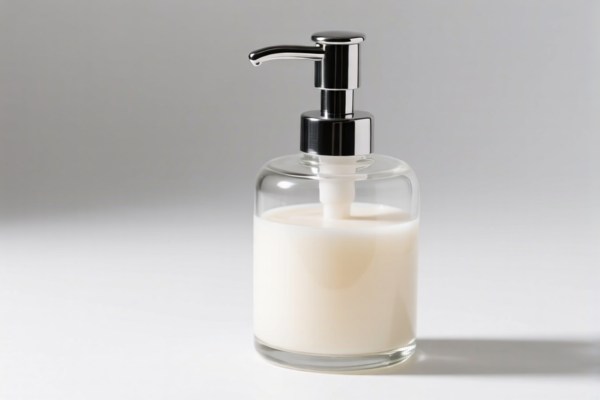
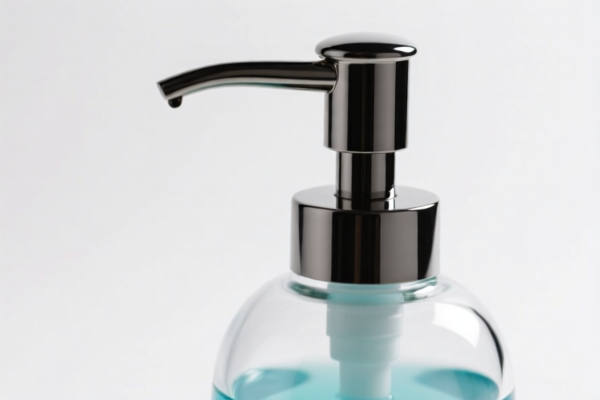
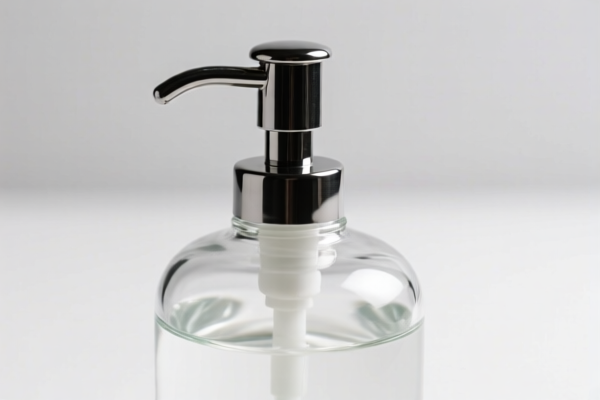
A Glass Soap Dispenser is a household container used for holding and dispensing liquid soap, lotion, or shampoo. It typically consists of a glass vessel and a mechanical or plastic pump mechanism.
In international trade, its classification depends on the primary material and intended use: 1. Tableware/Kitchenware: If used in the kitchen (for dish soap) or general household surfaces. 2. Toilet/Hygiene Articles: If used in bathrooms for hand soap or body wash.
⚠️ Key Classification Distinction:
- If it is made of glass, it falls under Chapter 70.
- If it were made of ceramic, it would fall under Chapter 69.
- If it were made of plastic, it would fall under Chapter 39.
This guide focuses on GLASS dispensers, but we also reference similar material categories to avoid misclassification errors.
📦 II. HS Code Classification Details (2026 Latest Tariff Authority Alignment)
Based on the provided dataset, here are the relevant HS Codes for Glass (and related material) dispensers, specifically focusing on Tableware, Kitchenware, and Toilet Articles.
| HS Code | Product Description | Material | Tax Rate | Applicable Scenario |
|---|---|---|---|---|
| 7013.99.30.00 | Smokers' articles; perfume bottles fitted with ground glass stoppers (Glassware other) | Glass | 16.5% (Base 9% + 7.5% Additional) | Glass containers with high-end stops/atoms; often used for cosmetic/luxury dispensers. |
| 7013.99.50.90 | Other glassware: Valued over $0.30 but not over $3 each | Glass | 30.0% (Base 30% + 0% Additional) | Standard glass soap dispensers valued between $0.30–$3.00. |
| 6912.00.50.00 | Ceramic tableware... other than porcelain/china: Other | Ceramic | 6.0% (Base 6% + 0% Additional) | Reference: If dispenser is CERAMIC, not Glass. |
| 6912.00.48.90 | Ceramic tableware... Tableware and kitchenware: Other | Ceramic | 9.8% (Base 9.8% + 0% Additional) | Reference: Higher-tier ceramic tableware. |
| 3924.10.10.00 | Tableware... of plastics: Salt, pepper, mustard, ketchup dispensers | Plastic | 3.4% (Base 3.4% + 0% Additional) | Reference: If dispenser is PLASTIC. |
| 3924.90.56.50 | Tableware... of plastics: Other | Plastic | 0.0% (Base 0% + 0% Additional) | Reference: Other plastic household items. |
🔍 Critical Note:
- Glass vs. Ceramic vs. Plastic: Customs strictly enforces material-based classification. A "glass" dispenser cannot be declared as ceramic or plastic to save tax.
- Valuation Threshold: The 7013.99.50.90 code has a strict value range ($0.30–$3.00). If your glass dispenser is valued above $3.00 each, it may fall under a different subheading not listed in the primary data, potentially triggering even higher tariffs.
- Perfume Bottle Exception: 7013.99.30.00 is specifically for "perfume bottles fitted with ground glass stoppers." If your soap dispenser mimics a high-end perfume bottle with a ground glass stopper (not a plastic pump), it may apply here. Most standard soap dispensers use plastic pumps, so 7013.99.50.90 is more common for standard units.
💰 III. 2026 Latest Tariff Rate Detailed Explanation (Including Surtaxes)
✅ Applicable Country: United States (US)
✅ Origin: China (CN)
✅ Effective Time: 2025/2026 Current Rates
🎯 1. 7013.99.50.90 —— Standard Glass Soap Dispenser (Valued $0.30–$3.00)
| Item | Content |
|---|---|
| Base Tariff | 30.0% (Ad Valorem) |
| Additional Surcharge | 0.0% |
| Total Tax Rate | 30.0% |
| Tax Calculation | CIF Value × 30% |
| De Minimis Exemption | ❌ Not Applicable (High tariff threshold) |
| Legal Basis | HTSUS 7013.99.50.90 |
📌 Explanation:
- This is the most common code for mass-market glass soap dispensers (e.g., IKEA-style, Amazon brands).
- The 30% base tariff is significant. Unlike plastics (0–3.4%) or ceramics (6–9.8%), glass tableware faces high protectionist duties in the US.
- No additional Section 301 or IEEPA surcharge is listed for this specific subheading in the provided data, but verify against current USITC footnotes as 30% itself is a protective rate.
🎯 2. 7013.99.30.00 —— Luxury Glass Dispenser (Perfume-style/Stoppered)
| Item | Content |
|---|---|
| Base Tariff | 9.0% |
| Additional Surcharge | 7.5% |
| Total Tax Rate | 16.5% |
| Tax Calculation | CIF Value × 16.5% |
| De Minimis Exemption | ❌ Not Applicable |
| Legal Basis | HTSUS 7013.99.30.00 |
📌 Explanation:
- Applies if the dispenser is designed as a perfume bottle with a ground glass stopper.
- Many high-end bathroom sets use glass bottles with glass pumps/stoppers. If declared correctly, the total tax is 16.5%, which is lower than the 30% for standard dispensers.
- Risk: Misdeclaring a standard plastic-pump dispenser as a "perfume bottle with ground stopper" will lead to customs audits and penalties.
🆚 Comparison: Why Material Matters for Cost
| Material | HS Code Example | Total Tax | Cost Impact |
|---|---|---|---|
Glass (7013.99.50.90) |
Standard Dispenser | 30.0% | High |
Ceramic (6912.00.50.00) |
Ceramic Dispenser | 6.0% | Low |
Plastic (3924.10.10.00) |
Plastic Dispenser | 3.4% | Lowest |
Plastic (3924.90.56.50) |
Other Plastic Items | 0.0% | Zero |
💡 Strategy Insight:
If cost is the primary driver, consider if a ceramic (6912.00.50.00) or high-quality plastic (3924.90.56.50) alternative meets your aesthetic needs. Switching from Glass to Ceramic can save 24% in tariffs.
🛠️ IV. Customs Clearance Practical Advice (Real-World Pitfall Guide)
✅ 1. Required Documentation Checklist
| Document | Mandatory? | Notes |
|---|---|---|
| ✅ Product Photos | ✔️ | Must clearly show the material (glass transparency) and pump mechanism (plastic vs. glass stopper). |
| ✅ Commercial Invoice | ✔️ | Must state "Glass Soap Dispenser" and Unit Value (crucial for $0.30–$3.00 bracket check). |
| ✅ Packing List | ✔️ | Include net/gross weight. |
| ✅ Material Declaration | ✔️ | Explicitly state: "100% Glass Body, Plastic Pump Head." |
| ✅ Test Reports | ⚠️ Optional | FDA compliance for food-contact (if used as kitchenware). |
✅ 2. Declaration Tips (Golden Rules)
🔥 “Be Specific, Value Accurate, Material Clear!”
| Scenario | Correct Declaration | Wrong Declaration | Consequence |
|---|---|---|---|
| Standard Glass Dispenser | "Glass Soap Dispenser, Plastic Pump, Valued at $1.50 each" | "Glass Vase" or "Glass Jar" | Customs may reject or reclassify, causing delays. |
| High-End Perfume Style | "Glass Perfume Bottle with Ground Glass Stopper" | "Soap Dispenser" | If it’s actually a soap dispenser, this is fraud. |
| Ceramic vs. Glass | "Ceramic Soap Dispenser" | "Glass Soap Dispenser" | If ceramic, you pay 6% instead of 30%. Misclassification risk. |
| Over $3.00 Value | "Glass Dispenser, Valued at $5.00" | (Same) | May fall out of 7013.99.50.90 range. Check upper subheadings. |
📌 Valuation Warning:
- If your glass dispenser is valued under $0.30, it may not fall under7013.99.50.90. Check other subheadings.
- If valued over $3.00, it does not qualify for the $0.30–$3.00 bracket. You must find the correct HS code for "Glassware >$3," which may have different (often higher) duties.
✅ 3. Special Handling Cases
| Case | Recommendation |
|---|---|
| Mixed Containers | If selling in a set (e.g., 2 glass + 1 ceramic), declare each item separately by material to optimize tax. Do not declare as "Set" unless it’s a gift set with primary character defined. |
| Plastic Pump + Glass Bottle | The primary material is glass. The plastic pump is considered an accessory. Classify under Glass (7013). |
| Refills | Glass soap refill pouches (plastic) are classified under Plastics (3924) if they are flexible pouches, not bottles. |
🌍 V. Global Market Comparison (2026 Latest)
| Country/Region | Recommended HS Code | Tariff | Certification | Notes |
|---|---|---|---|---|
| 🇺🇸 USA | 7013.99.50.90 |
30.0% | FDA (if food contact) | High duty for glass. Check $3.00 threshold. |
| 🇪🇺 EU | 7013.49.00 |
~6% | CE | Lower duty than US. |
| 🇨🇳 China | 7013.49.00 |
6% | CCC (if electrical, but these are manual) | No additional surtax. |
| 🇬🇧 UK | 7013.49.00 |
6% | UKCA | Post-Brexit rules apply. |
📌 Conclusion:
- The US market is the most expensive for glass tableware/toilet articles due to the 30% base tariff.
- EU and UK offer significantly lower tariffs (~6%) for similar glass items.
- Consider supply chain relocation to Vietnam or Mexico if exporting to the US, though origin rules are strict.
📌 VI. Common Errors & Pitfall Guide (Lessons Learned)
❌ Error 1: Declaring a Glass dispenser as Ceramic to save tax.
👉 Consequence: Customs inspection reveals glass. Penalty + Back Taxes + Seizure.
❌ Error 2: Ignoring the $0.30–$3.00 value range in 7013.99.50.90.
👉 Consequence: If valued at $3.50, the code is invalid. Customs will assign a fallback code with higher duties.
❌ Error 3: Misidentifying the Stopper/Pump.
👉 Consequence: Declaring a plastic pump as a "ground glass stopper" to qualify for 7013.99.30.00 (16.5%) is fraud. The 7.5% additional surtax is a red flag for customs.
❌ Error 4: Not specifying Unit Value on Invoice.
👉 Consequence: Customs will assign a default value, likely resulting in higher estimated duties.
✅ Correct Practice:
"Glass Soap Dispenser, 12oz, Clear Glass Body, Plastic Pump Mechanism, Unit Value: $1.80, Origin: China"
🎯 VII. Conclusion: Strategic Cost Optimization
🎯 Key Takeaway:
🔹 Glass is Expensive in the US (30%).
🔹 Ceramic is Cheaper (6%).
🔹 Plastic is Cheapest (0–3.4%).📌 Action Plan:
1. Verify Unit Value: Ensure your price is within the $0.30–$3.00 bracket for7013.99.50.90.
2. Material Accuracy: Never mix up Glass/Ceramic/Plastic.
3. Design Consideration: If your product uses a ground glass stopper, consider classifying under7013.99.30.00(16.5%) only if truly compliant.
4. Alternative Materials: Evaluate if a ceramic alternative achieves the same aesthetic for 24% less tax.
📣 Immediate Action:
📞 Consult a Customs Broker to pre-classify your specific product design.
🚀 Optimize Your Invoice: Clearly state "Glass Soap Dispenser" with precise unit value.
💼 Save Costs: Choose the right HS code from day one to avoid retroactive duties!
✨ Professional Compliance, From Accurate Classification!
💼 Every Dollar Saved in Tariffs is Pure Profit!
Customer Reviews
About HS Code Classification
The Harmonized System (HS) is an internationally standardized nomenclature developed by the World Customs Organization (WCO) to classify traded products. Over 200 countries use the HS system as the basis for customs tariffs, trade statistics, and import/export regulations.
Each HS code follows a hierarchical structure:
- Chapter (2 digits) — Broad category of goods (e.g., Chapter 84: Machinery and Mechanical Appliances)
- Heading (4 digits) — More specific grouping within the chapter
- Subheading (6 digits) — Internationally standardized breakdown, used by all WCO member countries
- National subdivisions (8-10 digits) — Country-specific extensions for further classification, such as US HTSUS 10-digit codes
Correct HS code classification is essential for smooth customs clearance, accurate duty payment, and compliance with trade regulations. Misclassification can lead to customs delays, overpayment of duties, or penalties.
When importing from CN to US, the applicable tariff rates may include:
- Most-Favored-Nation (MFN) rate — The standard duty rate applied to WTO members
- General rate — Applied to countries without trade agreements
- Trade remedy duties — Additional tariffs such as Section 301 (anti-dumping), Section 232 (national security), or countervailing duties
The information provided on this page is for reference purposes only. For official classification, please consult with your local customs authority or a licensed customs broker.