Glass Wiper
CN → US| HS Code | Tariff Rate | Origin | Destination | Doc |
|---|---|---|---|---|
| 9603908050 | 70.3% | CN | US | Official Doc |
| 9603101500 | 0.0% | CN | US | Official Doc |
| 7326908688 | 87.9% | CN | US | Official Doc |
| 8205595560 | 40.3% | CN | US | Official Doc |
| 7326200090 | 88.9% | CN | US | Official Doc |
Product Images
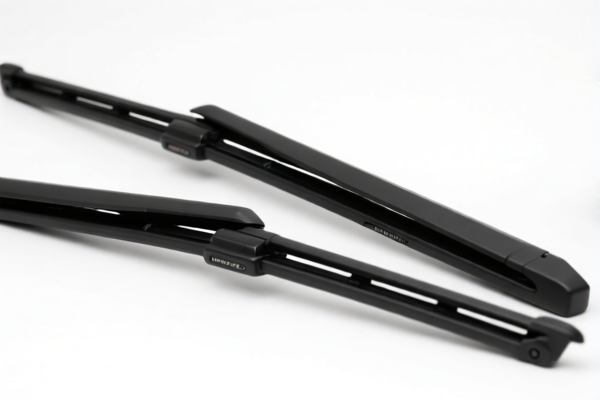
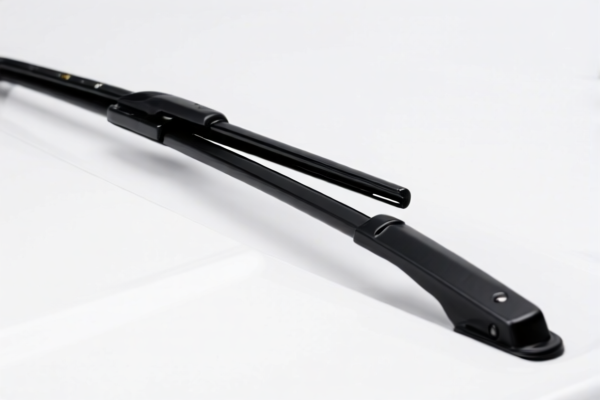
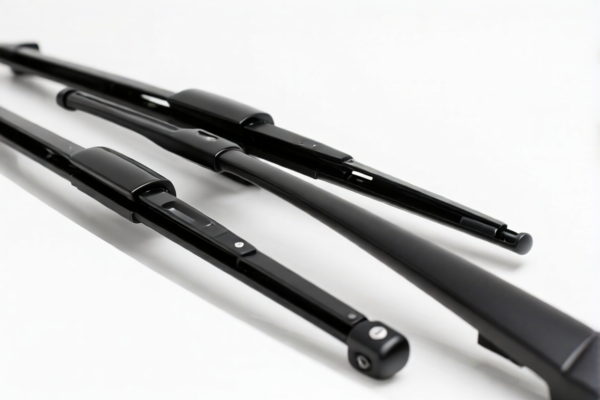
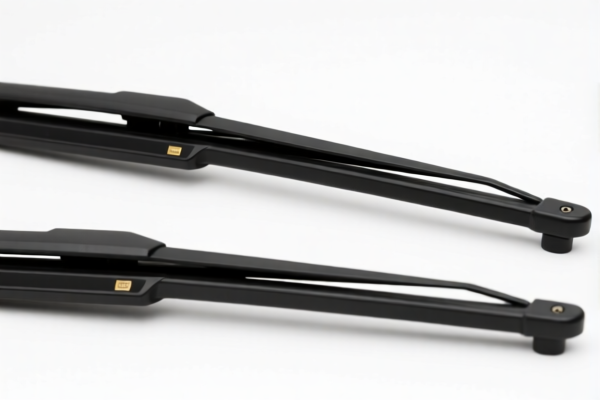
AI Analysis
🧹 Glass Wiper (Squeegee / Window Scraper)
🌐 HS Code Reference & Customs Clearance Guide | 2026 Latest Tariff Analysis | Professional Level Strategy
📌 I. Product Definition & Classification: Do You Really Understand "Glass Wiper"?
A "Glass Wiper" is a broad term used in trade that can refer to several distinct types of tools depending on its material composition, structure, and intended use. In international trade, confusion often arises because it can be classified as a brush/cleaning tool, a metal hardware item, or a hand tool.
The classification hinges on one critical question: What is the main material and structural form?
⚠️ Key Distinction Points: - If it is a plastic/metal frame with a rubber blade intended for general cleaning → Likely 9603 (Brooms/Brushes). - If it is primarily a metal instrument used for scraping or cutting → Likely 8205 (Hand Tools) or 7326 (Other Iron/Steel Articles). - Note: The destination country (USA) imposes significantly different "Section 301" and "122 Clause" tariffs based on this classification.
📦 II. HS Code Classification Details (2026 Latest Tariff Authoritative Comparison)
| HS Code | Product Description | Application Scenario | Material/Structure |
|--------|--------------------------|--------------------------|
| 9603.90.80.50 | Glass Wiper / Squeegee | Classified as a "Squeegee (non-roller squeegee)" | Plastic or Metal Frame + Rubber Blade |
| 9603.10.15.00 | Glass Wiper | Inferred as a Window Cleaning Tool, falls under Brooms & Brushes | Bristle or Rubber Cleaning Implement |
| 7326.90.86.88 | Window Squeegee | Other articles of iron or steel | Iron/Steel Frame + Rubber Blade |
| 8205.59.55.60 | Window Squeegee | Classified under "Hand Tools" | Metal or Plastic Body (Tool-like function) |
| 7326.20.00.90 | Window Squeegee | Other articles of iron or steel | Metal Frame + Rubber Composition |
🔍 Key Reminder:
- Plastic/Metal Cleaning Tools: Often fall under 9603 (Brushes/Other).
- Metal Hardware/Tools: If the metal frame is the dominant feature or it’s treated as a scraping tool, it may fall under 7326 (Other Steel Articles) or 8205 (Hand Tools).
- Tariff Impact: The choice between9603and7326can change the total tax rate from ~17.5% to ~88.9%.
💰 III. 2026 Latest Tariff Rate Details (Including Surcharge Policies)
✅ Applicable Country: USA
✅ Origin: China (CN)
✅ Effective Time: Current tariffs apply (Check specific enforcement dates for 122 Clauses)
🎯 1. 9603.90.80.50 – Glass Wiper (Squeegee, Non-Roller)
| Item | Content |
|---|---|
| Basic Tariff | 2.8% |
| Surcharge (Section 301) | +7.5% |
| 122 Clause Tariff | +10% |
| Steel/Aluminum/Copper Surcharge | +50% (Critical Note: See explanation below) |
| Total Tax Rate | 70.3% |
| Tax Calculation | CIF Value × 70.3% |
| De Minimis Exemption | ❌ Not Eligible |
| Legal Basis Path | Basic Tariff → Section 301 → 122 Clause → Steel/Aluminum Surcharge |
📌 Explanation:
- If the product contains significant steel/aluminum components (e.g., a rigid metal frame), customs may apply the 50% surcharge under the 122 Clause for steel/aluminum/copper products.
- Even if classified as a cleaning tool, the "Steel/Aluminum/Copper" surcharge can push the total rate to 70.3%.
🎯 2. 9603.10.15.00 – Glass Wiper (Cleaning Tool/Brush)
| Item | Content |
|---|---|
| Basic Tariff | 5¢ per unit (Specific Duty) |
| Surcharge (Section 301) | +7.5% |
| 122 Clause Tariff | +10% |
| Total Tax Rate | 5¢ each + 17.5% (Ad Valorem portion) |
| Tax Calculation | (5¢ × Quantity) + (CIF Value × 17.5%) |
| De Minimis Exemption | ❌ Not Eligible |
| Legal Basis Path | Basic Tariff → Section 301 → 122 Clause |
📌 Note:
- This is a specific duty + ad valorem structure.
- It does NOT include the 50% steel/aluminum surcharge if classified strictly as a brush/cleaning implement under 9603.10.
- This is often the lowest tax burden option if the product is clearly defined as a "brush" or "cleaning tool" without heavy steel framing.
🎯 3. 7326.90.86.88 – Window Squeegee (Other Steel Articles)
| Item | Content |
|---|---|
| Basic Tariff | 2.9% |
| Surcharge (Section 301) | +25.0% |
| 122 Clause Tariff | +10% |
| Steel/Aluminum/Copper Surcharge | +50% |
| Total Tax Rate | 87.9% |
| Tax Calculation | CIF Value × 87.9% |
| De Minimis Exemption | ❌ Not Eligible |
| Legal Basis Path | Basic Tariff → Section 301 → 122 Clause → Steel/Aluminum Surcharge |
📌 Warning:
- This is a very high tariff category.
- It applies if the squeegee is viewed primarily as a manufactured steel article rather than a cleaning tool.
🎯 4. 8205.59.55.60 – Window Squeegee (Hand Tool)
| Item | Content |
|---|---|
| Basic Tariff | 5.3% |
| Surcharge (Section 301) | +25.0% |
| 122 Clause Tariff | +10% |
| Total Tax Rate | 40.3% |
| Tax Calculation | CIF Value × 40.3% |
| De Minimis Exemption | ❌ Not Eligible |
| Legal Basis Path | Basic Tariff → Section 301 → 122 Clause |
📌 Analysis:
- If classified as a hand tool (8205), the total tax is 40.3%.
- This is lower than the steel article category (87.9%) but higher than the brush category (17.5% + 5¢).
- Suitable if the product is marketed as a "scraper tool" for professional use.
🎯 5. 7326.20.00.90 – Window Squeegee (Other Steel Articles)
| Item | Content |
|---|---|
| Basic Tariff | 3.9% |
| Surcharge (Section 301) | +25.0% |
| 122 Clause Tariff | +10% |
| Steel/Aluminum/Copper Surcharge | +50% |
| Total Tax Rate | 88.9% |
| Tax Calculation | CIF Value × 88.9% |
| De Minimis Exemption | ❌ Not Eligible |
| Legal Basis Path | Basic Tariff → Section 301 → 122 Clause → Steel/Aluminum Surcharge |
📌 Warning:
- This is the highest tax rate (88.9%).
- Avoid this classification if possible unless the product is clearly a steel part with no other functional purpose.
🛠️ IV. Customs Clearance Practical Advice (Battle-Tested Pitfall Guide)
✅ 1. Preparation Checklist (Missing Documents = Delay)
| Document | Required | Notes |
|---|---|---|
| ✅ Product Specifications | ✔️ | Must detail material (Plastic vs. Steel), dimensions, and blade type. |
| ✅ Product Photos | ✔️ | Clear images of the handle, blade, and any metal components. |
| ✅ Bill of Lading / Invoice | ✔️ | Accurate description: "Plastic Window Squeegee" vs. "Steel Scraper". |
| ✅ Origin Certificate | ✔️ | Proves China origin for surcharge calculation. |
| ✅ Material Declaration | ✔️ | Explicitly state % of steel/aluminum vs. plastic/rubber. |
✅ 2. Classification Strategy (Key Tips)
🔥 "Material Matters, Title Controls Rate!"
| Scenario | Recommended HS Code | Tax Rate | Strategy |
|---|---|---|---|
| Plastic Handle + Rubber Blade | 9603.10.15.00 |
5¢ + 17.5% | ✅ Best Option. Define as "Cleaning Tool/Brush". |
| Metal Handle + Rubber Blade | 9603.90.80.50 |
70.3% | ⚠️ High Risk. Metal frame may trigger 50% steel surcharge. |
| Professional Scraping Tool | 8205.59.55.60 |
40.3% | ✅ Moderate Option. Define as "Hand Tool/Scraper". |
| Heavy Steel Scraper | 7326.90.86.88 |
87.9% | ❌ Avoid. Too expensive. |
📌 Critical Note:
- If your product has a metal frame, customs may argue it falls under 7326 (Steel Articles) or trigger the 50% surcharge.
- To minimize tax, try to classify it under 9603 (Brushes/Cleaning Tools) if it is primarily a cleaning implement.
- If it is purely a scraping tool, 8205 (Hand Tools) is better than 7326.
✅ 3. Special Circumstances
| Situation | Recommendation |
|---|---|
| OEM Custom Squeegees | Provide design specs to prove it is a cleaning tool, not a steel part. |
| Set Sales (Handle + Blade) | Declare as a complete unit. Do not split. |
| Steel Frame Claims | If asked about metal content, clarify if it is structural or cosmetic. |
| De Minimis (Section 321) | ❌ Not Applicable. These goods are subject to high surcharges and are not eligible for de minimis exemption. |
🌍 V. Global Market Comparison (2026 Latest)
| Country/Region | Recommended HS Code | Tax Rate (China Origin) | Notes |
|---|---|---|---|
| 🇺🇸 USA | 9603.10.15.00 |
5¢ + 17.5% | Lowest tax if classified as cleaning tool. |
| 🇪🇺 EU | 9603.21.00.00 |
0% - 4.5% | No Section 301 surcharges. |
| 🇨🇳 China | 9603.21.00.00 |
0% - 4.5% | No surcharges. |
| 🇨🇦 Canada | 9603.21.00.00 |
0% | No surcharges. |
| 🇬🇧 UK | 9603.21.00.00 |
0% | No surcharges. |
📌 Conclusion:
- USA is the only major market with significant surcharges for this product category.
- Classification is key:9603vs.7326can mean a 70%+ difference in tax.
📌 VI. Common Mistakes & Pitfalls (Lessons Learned)
❌ Mistake 1: Calling a "Plastic Squeegee" a "Steel Scraper"
👉 Result: Tax jumps from 17.5% to 87.9%.
❌ Mistake 2: Ignoring the "Steel/Aluminum" surcharge
👉 Result: If the product has a metal frame and is classified under 9603.90, the 50% steel surcharge may still apply, leading to 70.3% total tax.
❌ Mistake 3: Splitting the handle and blade for cheaper shipping
👉 Result: Both parts may be taxed separately, and the total tax could exceed 100%.
✅ Correct Approach:
"Window Cleaning Squeegee, Plastic Handle, Rubber Blade, Model XYZ"
→ Classify under 9603.10.15.00 → Lowest Tax (17.5% + 5¢).
🎯 VII. Conclusion: Smart Classification, Savings Guaranteed!
🎯 Remember:
🔹 "Plastic = Brush (17.5%)"
🔹 "Steel Frame = Squeegee (70.3% or 87.9%)"
🔹 "Tool = Hand Tool (40.3%)"
🔹 "Avoid Steel Classification if Possible!"🔹 "HS Code is King. A small change in description can save you 50% in taxes!"
📌 Pro Tip:
If your squeegee has a metal handle, try to argue it is a "Cleaning Tool" rather than a "Steel Article" to fall under 9603. However, be prepared to provide detailed material breakdowns.
📣 Immediate Action:
📞 Consult with a customs broker to determine the exact material composition of your product.
📝 Ensure your commercial invoice clearly states "Cleaning Tool" or "Squeegee" and not "Steel Part."
🚀 Minimize tax, maximize profit!
✨ Professional Clearance Starts with Accurate Classification!
💼 Every Percent Counts in International Trade!
Customer Reviews
About HS Code Classification
The Harmonized System (HS) is an internationally standardized nomenclature developed by the World Customs Organization (WCO) to classify traded products. Over 200 countries use the HS system as the basis for customs tariffs, trade statistics, and import/export regulations.
Each HS code follows a hierarchical structure:
- Chapter (2 digits) — Broad category of goods (e.g., Chapter 84: Machinery and Mechanical Appliances)
- Heading (4 digits) — More specific grouping within the chapter
- Subheading (6 digits) — Internationally standardized breakdown, used by all WCO member countries
- National subdivisions (8-10 digits) — Country-specific extensions for further classification, such as US HTSUS 10-digit codes
Correct HS code classification is essential for smooth customs clearance, accurate duty payment, and compliance with trade regulations. Misclassification can lead to customs delays, overpayment of duties, or penalties.
When importing from CN to US, the applicable tariff rates may include:
- Most-Favored-Nation (MFN) rate — The standard duty rate applied to WTO members
- General rate — Applied to countries without trade agreements
- Trade remedy duties — Additional tariffs such as Section 301 (anti-dumping), Section 232 (national security), or countervailing duties
The information provided on this page is for reference purposes only. For official classification, please consult with your local customs authority or a licensed customs broker.