Glassware for dining table, kitchen or other household use
CN → US| HS Code | Tariff Rate | Origin | Destination | Doc |
|---|---|---|---|---|
| 7020006000 | 40.0% | CN | US | Official Doc |
| 7020004000 | 41.6% | CN | US | Official Doc |
| 7013495090 | 25.0% | CN | US | Official Doc |
| 7013995090 | 40.0% | CN | US | Official Doc |
Product Images
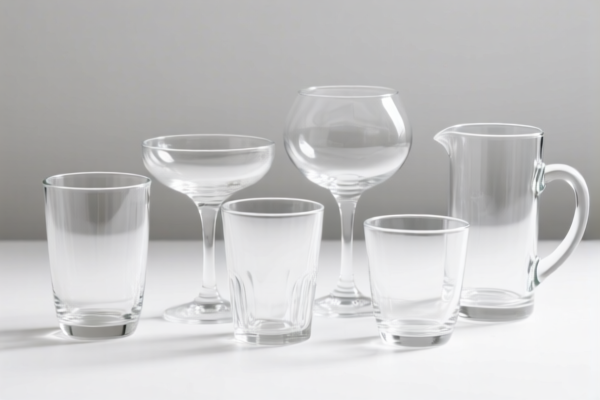
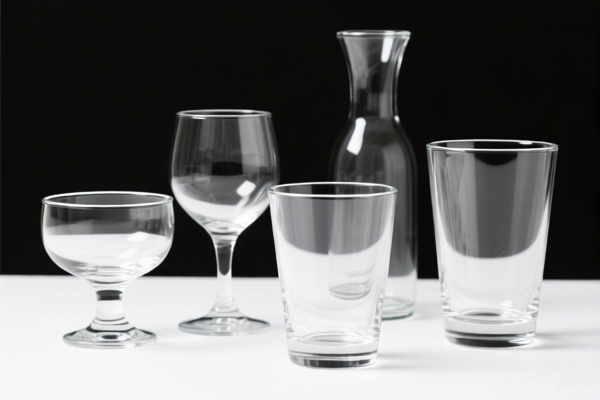
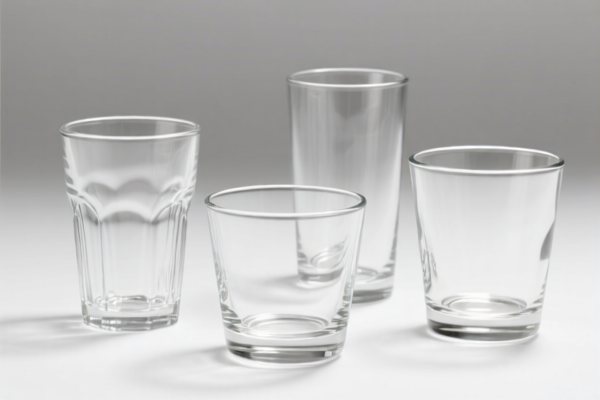
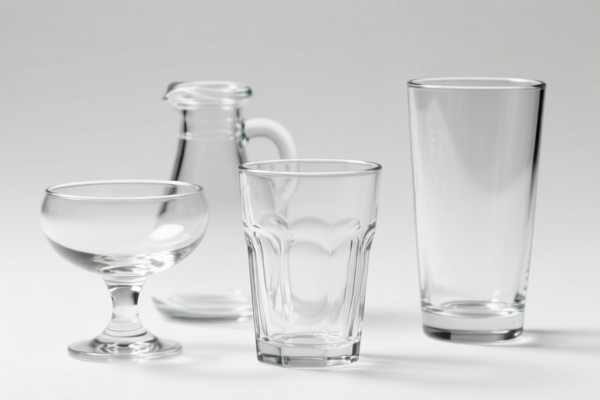
AI Analysis
🍽️ Glassware for Dining Table, Kitchen, or Household Use
🌐 HS Code Reference & Clearance Guide | 2026 Latest Tariff Analysis | Professional Entry Strategy
📌 Part 1: Product Definition and Classification: Do You Really Understand "Glassware"?
Glassware for dining tables, kitchens, and household use is a ubiquitous category in global trade. However, in the Harmonized System (HS), classification hinges critically on two factors: Material Composition and Specific Purpose.
Unlike electronics or machinery, glass products are primarily classified under Chapter 70. The distinction often lies between:
General Glass Articles (Heading 7020): Items that do not fit specific subheadings for tableware, lighting, or building materials. These are often "miscellaneous" glass items.
Tableware and Kitchenware (Heading 7013): Items specifically designed for eating, drinking, serving, or cooking. This includes plates, bowls, cups, pitchers, and serving dishes.
⚠️ Key Distinction Point:
- If the item is a simple decorative piece, weight, or non-specific utility item → Likely 7020 (Other Glass Articles).
- If the item is explicitly for dining, kitchen prep, or serving food/drink → Likely 7013 (Glass Tableware, Kitchenware, and Other Articles of Glass).
📦 Part 2: HS Code Classification Details (2026 Latest Authorized Reference)
Based on the provided data, here are the four potential HS Code classifications for "Glassware for dining table, kitchen, or other household use," along with their logical grouping reasons.
| HS Code | Summary of Classification Logic | Total Tax Rate (US Import from CN) |
|---|---|---|
7020.00.60.00 |
Matches material (glass) and general household use, fitting the category of "Other Glass Articles." Often used when specific tableware subheadings are ambiguous or for decorative/miscellaneous glass items. | 40.0% |
7020.00.40.00 |
Matches material (glass) and general articles/utensils. Fits the definition of other glass articles not elsewhere specified. | 41.6% |
7013.49.50.90 |
Direct Match: The term "dining table, kitchen" aligns perfectly with the intended use (tableware/kitchenware), and "glass ware" confirms the material. This is the most standard code for general glass tableware/kitchenware not specified elsewhere. | 25.0% |
7013.99.50.90 |
Direct Match: Uses (dining, kitchen, household) align completely with classification uses, and material (glass) is explicit. This is typically for other specified glass tableware not covered by 7013.49 or 7013.33, etc. | 40.0% |
🔍 Critical Insight:
-7013.49.50.90offers the lowest tariff (25%) among the matching options for items explicitly described as "dining table, kitchen" use.
-7020codes are often fallbacks for "miscellaneous" glass, but they carry higher tariffs (40-41.6%) and may not accurately reflect the "household/kitchen" function if the item is clearly tableware.
-7013.99.50.90is another tableware option but carries a higher base duty (30%), leading to a 40% total.
💰 Part 3: 2026 Latest Tariff Rate Breakdown (Including Surtaxes and Policy Add-ons)
✅ Applicable Country: United States (US)
✅ Origin: China (CN)
✅ Effective Time: Ongoing (including post-2025/2026 imports)
🎯 1. 7013.49.50.90 — Glass Tableware / Kitchenware (Recommended for Cost Efficiency)
| Item | Content |
|---|---|
| Base Tariff | 15.0% |
| Section 301 Surtax | 0.0% (No additional 25% tariff applied to this specific subheading in the provided data) |
| Section 122 Tariff | 10.0% (Specific surtax for Chinese-origin goods) |
| Total Tax Rate | 25.0% |
| Tax Calculation | CIF Value × 25% |
| De Minimis Eligibility | ❌ No (Deny de minimis for Chinese goods under Section 301/122 rules generally applies to higher thresholds or specific exclusions; standard L1/L2 de minimis often excluded for China) |
| Legal Basis Path | Section 122:10% → USITC:7013.49.50.90 |
📌 Explanation:
- This code has NO Section 301 (25%) surtax in the provided data, making it the most cost-effective option if the product qualifies as general glass tableware/kitchenware.
- The 10% Section 122 tariff is a separate statutory surtax on Chinese goods.
- Total burden: 25%, significantly lower than the 40%+ alternatives.
🎯 2. 7020.00.60.00 — Other Glass Articles (Miscellaneous/Decorative)
| Item | Content |
|---|---|
| Base Tariff | 5.0% |
| Section 301 Surtax | 25.0% |
| Section 122 Tariff | 10.0% |
| Total Tax Rate | 40.0% |
| Tax Calculation | CIF Value × 40% |
| De Minimis Eligibility | ❌ No |
| Legal Basis Path | Section 301:25% → Section 122:10% → USITC:7020.00.60.00 |
📌 Explanation:
- Although the base duty is low (5%), the 25% Section 301 surtax adds up.
- Total 40% makes this 15% more expensive than7013.49.50.90.
- Only use this if the item is not clearly tableware (e.g., glass figurines, glass weights, non-functional decorative items).
🎯 3. 7020.00.40.00 — Other Glass Articles (General)
| Item | Content |
|---|---|
| Base Tariff | 6.6% |
| Section 301 Surtax | 25.0% |
| Section 122 Tariff | 10.0% |
| Total Tax Rate | 41.6% |
| Tax Calculation | CIF Value × 41.6% |
| De Minimis Eligibility | ❌ No |
| Legal Basis Path | Section 301:25% → Section 122:10% → USITC:7020.00.40.00 |
📌 Explanation:
- Similar to7020.00.60.00but with a slightly higher base duty (6.6% vs 5%).
- Highest total rate (41.6%) among all options. Avoid unless no other classification fits.
🎯 4. 7013.99.50.90 — Other Glass Tableware/Kitchenware
| Item | Content |
|---|---|
| Base Tariff | 30.0% |
| Section 301 Surtax | 0.0% |
| Section 122 Tariff | 10.0% |
| Total Tax Rate | 40.0% |
| Tax Calculation | CIF Value × 40% |
| De Minimis Eligibility | ❌ No |
| Legal Basis Path | Section 122:10% → USITC:7013.99.50.90 |
📌 Explanation:
- No Section 301 surtax, but a very high base duty (30%).
- Total 40% is the same as7020.00.60.00, but 15% higher than7013.49.50.90.
- Use this for specific glass tableware not covered under 7013.49 (e.g., specific types of glassware not listed in 7013.49).
🛠️ Part 4: Clearance Practical Advice (Real-World Pitfall Avoidance Guide)
✅ 1. Document Checklist (All Mandatory)
| Document | Required | Explanation |
|---|---|---|
| ✅ Product Specification Sheet | ✔️ | Detail material (e.g., soda-lime glass, borosilicate), dimensions, and capacity. |
| ✅ Product Photos (Labeled) | ✔️ | Show the item in a "dining" or "kitchen" context (e.g., a plate with food, a cup with coffee) to prove use. |
| ✅ Commercial Invoice | ✔️ | Clearly state: "Glass Tableware for Dining Use" or "Glass Kitchen Utensils." Avoid vague terms like "Glass Item." |
| ✅ Packing List | ✔️ | Indicate quantities, weights, and packaging details. |
| ✅ Labeling Markings | ✔️ | If marked "Lead-Free," "Dishwasher Safe," or "Microwave Safe," include photos. This supports 7013 classification (household utility). |
✅ 2. Declaration Tips (Key Mnemonics)
🔥 “Function Defines Function, Use Defines Use: Be Specific or Pay More!”
| Scenario | Correct Declaration | Incorrect Action |
|---|---|---|
| Dinner Plates, Bowls, Cups | 7013.49.50.90 (Glass Tableware) |
Declare as "Glass Decor" → 7020 (40% tax) |
| Glass Pitchers, Serving Dishes | 7013.49.50.90 or 7013.99.50.90 |
Declare as "Miscellaneous Glass" → 7020 (40% tax) |
| Decorative Glass Figurines | 7020.00.60.00 |
Declare as "Tableware" → Misclassification Risk (Penalty + Retroactive Tax) |
| Glass Jars for Storage (Non-Kitchen) | 7020.00.40.00 |
Declare as "Kitchenware" → Misclassification Risk |
📌 Crucial Tip:
- If your product is explicitly for dining or kitchen use (e.g., labeled "Table Service," "Kitchen Use," or shown with food), you MUST use 7013 codes.
- Using7020for tableware may trigger an audit for misdeclaration, leading to penalties even if the tax rate is similar.
- However, if the item is ambiguous (e.g., a glass vase that could be used for flowers or water),7020might be argued, but7013is safer if it can be used for food/drink.
✅ 3. Special Case Handling
| Scenario | Recommendation |
|---|---|
| OEM Custom Glassware | Provide client orders and design specs. If designs are standard tableware shapes (plate, bowl), use 7013. |
| Mixed Container | If a shipment contains both tableware (7013) and decorative glass (7020), declare separately. Do not lump them under one HS Code. |
| Packaging Includes Cutlery | If glassware is sold with plastic/metal cutlery, the glass is still primary. Declare glass under 7013. |
| "Lead-Free" Labeling | If certified lead-free, it strengthens the "Household/Kitchen" use argument for 7013. |
🌍 Part 5: Global Market Clearance Comparison (2026 Latest)
| Country/Region | Recommended HS Code | Tariff (China Origin) | Certification | Notes |
|---|---|---|---|---|
| 🇺🇸 USA | 7013.49.50.90 |
25% (15% Base + 10% Sec 122) | FDA Compliance (if for food contact) | Best Rate for tableware. |
| 🇺🇸 USA | 7020.00.60.00 |
40% (5% Base + 25% Sec 301 + 10% Sec 122) | None | High tax for misc. glass. |
| 🇨🇳 China | 7013.49.50.90 |
~15-20% (Import Duty) | None | Standard rate. |
| 🇪🇺 EU | 7013.39 |
4.5% | No specific surtax | No Section 301 equivalent. |
| 🇬🇧 UK | 7013.39 |
4.5% | No specific surtax | Post-Brexit tariffs apply. |
| 🇯🇵 Japan | 7013.39 |
14% | JIS Standard (if applicable) | Moderate duty. |
📌 Conclusion:
- USA is the most challenging market due to Section 301 and Section 122 tariffs.
-7013.49.50.90is the optimal choice for glass tableware entering the US, saving 15% compared to7020or7013.99codes.
- Ensure your product clearly demonstrates household/kitchen utility to justify the7013classification.
📌 Part 6: Common Mistakes & Pitfall Guide (Lessons Learned)
❌ Mistake 1: Declaring tableware as "Miscellaneous Glass" (7020)
👉 Consequence: Overpayment of 15-16.6% in taxes.
👉 Fix: Use 7013.49.50.90 for dining/kitchen glass.
❌ Mistake 2: Declaring decorative glass as "Tableware" (7013)
👉 Consequence: Misclassification Penalty. Customs may argue the item is not for food contact.
👉 Fix: Use 7020.00.60.00 for non-functional/decorative items.
❌ Mistake 3: Vague Invoice Description ("Glass Items")
👉 Consequence: Customs Audit. Officer may classify under the highest default rate (7020.00.40.00 at 41.6%).
👉 Fix: Be specific: "Glass Dinner Plates, Household Use."
✅ Correct Declaration Example:
"Glass Tableware, Soda-Lime Glass, Household Use for Dining Table, Model XYZ, Lead-Free Certified"
🎯 Part 7: Conclusion: Professional Declaration Saves Money!
🎯 Remember Mnemonic:
🔹 "Tableware is 7013, Decor is 7020.
Use it for food? Go 7013!
Decor only? Go 7020.
Choose right, save 15%!"🔹 "Function is Key: Dining/Kitchen Use = 7013.49.50.90 @ 25%.
Misclassifying to 7020 = 40%+ Tax.
Don’t pay for mistakes!"
📌 Pro Tip:
If your glassware is originating from Vietnam, Mexico, Thailand, or Malaysia, you may avoid Section 122 tariffs. However, Section 301 may still apply depending on transshipment rules. Always verify country of origin.
📣 Immediate Action:
📞 Contact your customs broker with product photos showing food/drink usage.
📝 Apply for a binding tariff information (BTI) or Advance Ruling if the product is new or ambiguous.
🚀 Clear customs smoothly, control costs, and maximize profits!
✨ Professional Clearance Starts with Accurate Classification!
💼 Every cent counts in global trade!
Customer Reviews
About HS Code Classification
The Harmonized System (HS) is an internationally standardized nomenclature developed by the World Customs Organization (WCO) to classify traded products. Over 200 countries use the HS system as the basis for customs tariffs, trade statistics, and import/export regulations.
Each HS code follows a hierarchical structure:
- Chapter (2 digits) — Broad category of goods (e.g., Chapter 84: Machinery and Mechanical Appliances)
- Heading (4 digits) — More specific grouping within the chapter
- Subheading (6 digits) — Internationally standardized breakdown, used by all WCO member countries
- National subdivisions (8-10 digits) — Country-specific extensions for further classification, such as US HTSUS 10-digit codes
Correct HS code classification is essential for smooth customs clearance, accurate duty payment, and compliance with trade regulations. Misclassification can lead to customs delays, overpayment of duties, or penalties.
When importing from CN to US, the applicable tariff rates may include:
- Most-Favored-Nation (MFN) rate — The standard duty rate applied to WTO members
- General rate — Applied to countries without trade agreements
- Trade remedy duties — Additional tariffs such as Section 301 (anti-dumping), Section 232 (national security), or countervailing duties
The information provided on this page is for reference purposes only. For official classification, please consult with your local customs authority or a licensed customs broker.