Glossy Plastic Flooring
CN → US| HS Code | Tariff Rate | Origin | Destination | Doc |
|---|---|---|---|---|
| 3918101040 | 40.3% | CN | US | Official Doc |
| 3926909989 | 22.8% | CN | US | Official Doc |
| 3925900000 | 40.3% | CN | US | Official Doc |
| 3926906090 | 39.2% | CN | US | Official Doc |
| 5904901000 | 35.0% | CN | US | Official Doc |
| 5904909000 | 35.0% | CN | US | Official Doc |
Product Images
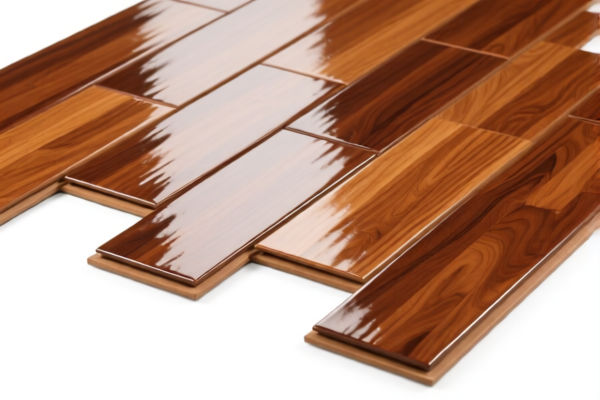
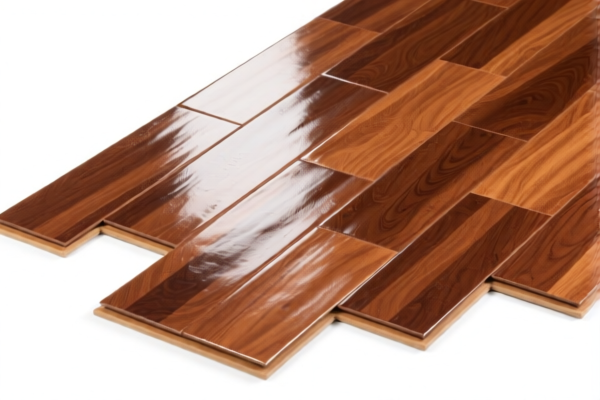
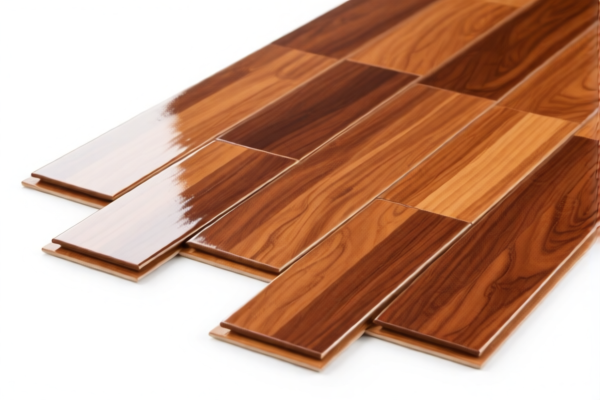
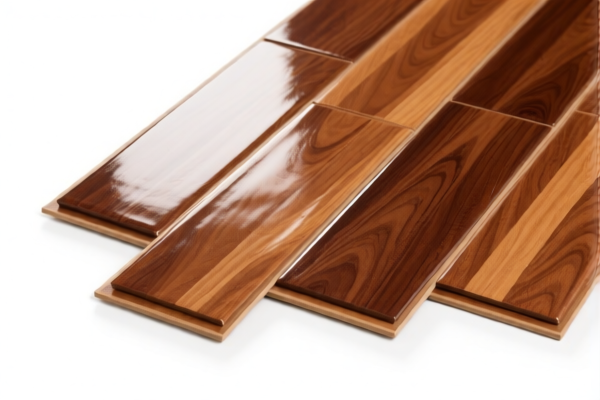
AI Analysis
✨ Glossy Plastic Flooring (Shiny PVC/Vinyl Flooring)
🌐 HS Code Reference & Customs Clearance Guide | 2026 Latest Tariff Analysis | Professional-Level Compliance Strategy
📌 I. Product Definition & Classification: Do You Really Understand "Glossy Plastic Flooring"?
Glossy Plastic Flooring refers to floor coverings made primarily from synthetic polymers (such as PVC, Vinyl, or Polyurethane) with a high-gloss surface finish. In international trade, these products are often misclassified due to the ambiguity between "finished flooring rolls/sheets" and "plastic construction parts."
In the context of US imports from China, there are five distinct HS Codes depending on the material structure, manufacturing process, and intended application. Misclassification can lead to significant duty discrepancies due to the high "Section 301" and "122 Clause" tariffs.
⚠️ Key Distinction Points:
- If it is a pre-finished floor covering (rolls, tiles, or sheets) primarily for covering floors → Often 3918.10.10.40 or 5904.90.10.00.
- If it is a plastic component used in construction but not yet installed as a flooring system → May fall under 3925.90.00.00.
- If it is a miscellaneous plastic item that doesn't fit specific flooring categories → 3926.90.99.89 or 3926.90.60.90.
📦 II. HS Code Classification Details (2026 Latest Tariff Authority Comparison)
| HS Code | Product Description | Application Scenario | Total Tax Rate (China Origin) | Key Differentiator |
|---|---|---|---|---|
3918.10.10.40 |
Plastic Flooring – Material: Plastic; Use: Floor Covering | Standard PVC luxury vinyl tile (LVT), vinyl rolls, shiny plank flooring | 40.3% | Primary classification for dedicated plastic floor coverings. |
3925.90.00.00 |
Other Plastic Building Components – Material: Plastic; Form: Floor | Plastic sub-flooring, moisture barriers, or rigid plastic floor panels used as construction parts | 40.3% | Classified as a "building component" rather than a "floor covering." High duty due to 301 tariffs. |
5904.90.10.00 |
Floor Covering – Material: Plastic Coating/Backing on Textile Substrate | Textile-backed vinyl flooring (e.g., carpet tiles with plastic coating, or woven flooring with plastic layer) | 35.0% | Must have a textile base with plastic coating. Lower base duty, but same add-ons. |
3926.90.60.90 |
Other Plastic Articles – Material: Plastic; Form: Other Articles | Decorative plastic floor trims, moldings, or non-standard plastic floor items | 39.2% | For plastic items related to flooring but not the flooring itself (e.g., trim, edging). |
3926.90.99.89 |
Other Plastic Articles – Material: Plastic; Form: Articles | Generic plastic items where specific flooring classification is rejected | 22.8% | Lowest Total Rate, but high risk if the item is clearly a "floor covering." Only for non-flooring plastic items. |
🔍 Crucial Reminder:
- Do not assume all plastic floors fall under one code. The substrate (textile vs. pure plastic) and form (finished covering vs. building component) matter immensely.
-3918.10.10.40is the most common for standard glossy PVC vinyl flooring.
-5904.90.10.00is critical for textile-backed products.
-3925.90.00.00is often used for rigid plastic floor components in construction projects.
💰 III. 2026 Latest Tariff Rate Breakdown (Including Surtaxes & Policy Add-ons)
✅ Applicable Country: United States (US)
✅ Origin: China (CN)
✅ Effective Time: Ongoing (Section 301 + 122 Clause tariffs active)
🎯 1. 3918.10.10.40 & 3925.90.00.00 —— Standard Plastic Flooring / Building Components
| Item | Content |
|---|---|
| Base Duty Rate | 5.3% (Ad Valorem) |
| Section 301 Surtax (Add-on) | +25.0% (USITC Footnote 9903.01.25) |
| 122 Clause Tariff | +10.0% (Specific to Chinese plastic/flooring goods under certain directives) |
| Total Tax Rate | 40.3% |
| Tax Calculation | CIF Value × 40.3% |
| De Minimis Exemption | ❌ Not Eligible (Section 301 and 122 Clause items are excluded from de minimis relief) |
| Legal Basis Path | HTSUS:3918.10.10.40 / HTSUS:3925.90.00.00 → USITC:Footnote 9903.01.25 → 122 Clause Directive |
📌 Explanation:
- The 5.3% is the standard Most Favored Nation (MFN) rate.
- The 25% is the standard Section 301 tariff on Chinese plastic products.
- The 10% is an additional surcharge often applied to specific plastic categories under recent trade directives.
- Total 40.3% is a very high burden. Accurate classification is vital to avoid overpayment or underpayment penalties.
🎯 2. 5904.90.10.00 —— Textile-Backed Plastic Floor Covering
| Item | Content |
|---|---|
| Base Duty Rate | 0.0% (Ad Valorem) |
| Section 301 Surtax (Add-on) | +25.0% |
| 122 Clause Tariff | +10.0% |
| Total Tax Rate | 35.0% |
| Tax Calculation | CIF Value × 35.0% |
| De Minimis Exemption | ❌ Not Eligible |
| Legal Basis Path | HTSUS:5904.90.10.00 → USITC:Footnote 9903.01.25 → 122 Clause Directive |
📌 Note:
- If your glossy flooring is backed with textile (e.g., woven PVC, carpet tiles with plastic coating), it may qualify for 0% base duty, resulting in a 35.0% total rate.
- Benefit: 5.3% lower than pure plastic flooring.
- Risk: Customs may challenge the "textile substrate" claim if the plastic layer is dominant. Provide technical specs proving textile presence.
🎯 3. 3926.90.99.89 & 3926.90.60.90 —— Miscellaneous Plastic Articles (High Risk)
| Item | Content |
|---|---|
| Base Duty Rate | 4.2% (3926.90.60.90) / 5.3% (3926.90.99.89) |
| Section 301 Surtax (Add-on) | +25.0% |
| 122 Clause Tariff | +10.0% |
| Total Tax Rate | 39.2% (3926.90.60.90) / 22.8% (3926.90.99.89) |
| Tax Calculation | CIF Value × Total Rate |
| De Minimis Exemption | ❌ Not Eligible |
| Legal Basis Path | HTSUS:3926.90.99.89 / 3926.90.60.90 → USITC:Footnote 9903.01.25 → 122 Clause Directive |
📌 Warning:
-3926.90.99.89(22.8%) is the lowest rate in this dataset. However, it is only for "Other Plastic Articles" that are NOT floor coverings.
- If you ship actual flooring under this code, Customs will penalize you for misclassification.
- Use this only for plastic floor trims, moldings, or non-flooring plastic accessories.
🛠️ IV. Customs Clearance Practical Advice (Battle-Tested Pitfall Avoidance)
✅ 1. Documentation Checklist (Non-Negotiable)
| Document | Required? | Description |
|---|---|---|
| ✅ Product Specification Sheet | ✔️ | Must detail material composition (PVC % vs. Textile %), thickness, backing type. |
| ✅ Product Photos | ✔️ | Clear images of the surface texture, cross-section (to show backing), and installation form. |
| ✅ Commercial Invoice | ✔️ | Description must match HS code exactly: e.g., "Glossy PVC Vinyl Flooring Tiles" vs. "Plastic Floor Components." |
| ✅ Packing List | ✔️ | Weight, dimensions, and quantity. Ensure no mixing of codes in one shipment. |
| ✅ Certificate of Origin | ✔️ | Required for US origin verification. |
| ✅ Third-Party Lab Report | ✔️ | If claiming textile backing (5904.90.10.00), provide proof of textile content. |
✅ 2. Declaration Tips (Key Mantras)
🔥 “Material Dictates Code, Base Determines Rate, Name Must Be Precise!”
| Scenario | Correct Declaration | Wrong Practice |
|---|---|---|
| Standard PVC Vinyl Floor | 3918.10.10.40 (40.3%) |
Misdeclare as 3926.90.99.89 (22.8%) → Audited & Penalties |
| Textile-Backed Vinyl Floor | 5904.90.10.00 (35.0%) |
Declare as 3918.10.10.40 → Overpay 5.3% |
| Plastic Floor Trim/Molding | 3926.90.60.90 (39.2%) |
Declare as 3918.10.10.40 → Unnecessary complexity |
| Rigid Plastic Floor Panels | 3925.90.00.00 (40.3%) |
Declare as 3926.90.99.89 → Misclassification Risk |
✅ 3. Special Case Handling
| Situation | Recommendation |
|---|---|
| Mixed Shipment | Separate shipments by HS Code. Do not mix 3918 and 5904 in one entry unless clearly distinguished. |
| Textile-Backed Claim | Provide a material test report showing the textile substrate. Without it, Customs will default to 3918 (40.3%). |
| Sample vs. Commercial | Samples are also subject to tariffs if commercial value is declared. No duty-free samples for China-origin plastic flooring. |
| Re-export from Third Country | If re-exported from Vietnam/Mexico, origin rules apply. Must provide full traceability to claim non-China origin. |
🌍 V. Global Market Comparison (2026 Latest)
| Country/Region | Recommended HS Code | Estimated Duty (China Origin) | Notes |
|---|---|---|---|
| 🇺🇸 USA | 3918.10.10.40 / 5904.90.10.00 |
35.0% – 40.3% | High tariffs due to Section 301 + 122 Clause. |
| 🇨🇳 China | 3918.10.10.40 |
~5-7% | Low import duty, but consider export restrictions. |
| 🇪🇺 EU | 3918.10.10.00 |
~6.5% | No Section 301. CE marking required. |
| 🇬🇧 UK | 3918.10.10.00 |
~6.5% | Post-Brexit tariff structure. |
| 🇯🇵 Japan | 3918.10.10.00 |
~5-7% | Stable tariff environment. |
📌 Conclusion:
- USA is the most expensive market for plastic flooring from China due to punitive tariffs.
- Duty Savings Opportunity: If your product has a textile base, use5904.90.10.00to save 5.3% in total duty.
- Risk Alert: Misclassifying as3926.90.99.89to save 17.5% can lead to seizure, fines, and blacklisting.
📌 VI. Common Mistakes & Pitfalls (Lessons Learned)
❌ Mistake 1: Declaring "Glossy Plastic Floor" under 3926.90.99.89 (22.8%)
👉 Consequence: Customs rejects classification, demands retroactive payment of 40.3% + penalties.
Solution: If it’s a floor covering, it MUST be 3918 or 5904.
❌ Mistake 2: Ignoring the textile backing for 5904.90.10.00
👉 Consequence: Missed savings of 5.3%.
Solution: Always test and document the substrate. If >50% textile by weight, 5904 is preferred.
❌ Mistake 3: Mixing "Flooring" and "Floor Trims" in one HS Code
👉 Consequence: Confusion at customs, delayed release.
Solution: Separate shipments or use clear multi-line invoices with distinct HS codes.
✅ Correct Declaration Example:
"Glossy PVC Luxury Vinyl Flooring Tiles, Self-Adhesive, 12x24 inch, Pure Plastic Material, Model: ShineFloor-100, Origin: China" →
3918.10.10.40
"Textile-Backed Vinyl Flooring, Glossy Finish, 100% PVC Coated Woven Polyester Base, Model: TextileShine-200, Origin: China" →5904.90.10.00
🎯 VII. Conclusion: Professional Classification, Cost Optimization
🎯 Remember:
🔹 "Pure Plastic = 40.3% | Textile Backed = 35.0% | Misc Articles = 22.8% (Risky)"
🔹 "HS Code Choice = 17.5% Price Difference | Precision Saves Thousands!"
📌 Pro Tip:
If your glossy plastic flooring is re-exported from Vietnam, Mexico, or Thailand, verify Substantial Transformation rules. Only then can you claim non-China origin and avoid Section 301/122 Clause tariffs.
Recommendation: Apply for a Pre-Ruling (Advance Ruling) from CBP before shipping large volumes to ensure classification accuracy.
📣 Immediate Action:
📞 Consult a licensed customs broker + Provide Material Test Reports + Apply for Pre-Ruling
🚀 Let your glossy flooring clear smoothly, reduce costs, and maximize profit!
✨ Professional Clearance Starts with Accurate Classification!
💼 Every Cent of Duty Counts!
Customer Reviews
About HS Code Classification
The Harmonized System (HS) is an internationally standardized nomenclature developed by the World Customs Organization (WCO) to classify traded products. Over 200 countries use the HS system as the basis for customs tariffs, trade statistics, and import/export regulations.
Each HS code follows a hierarchical structure:
- Chapter (2 digits) — Broad category of goods (e.g., Chapter 84: Machinery and Mechanical Appliances)
- Heading (4 digits) — More specific grouping within the chapter
- Subheading (6 digits) — Internationally standardized breakdown, used by all WCO member countries
- National subdivisions (8-10 digits) — Country-specific extensions for further classification, such as US HTSUS 10-digit codes
Correct HS code classification is essential for smooth customs clearance, accurate duty payment, and compliance with trade regulations. Misclassification can lead to customs delays, overpayment of duties, or penalties.
When importing from CN to US, the applicable tariff rates may include:
- Most-Favored-Nation (MFN) rate — The standard duty rate applied to WTO members
- General rate — Applied to countries without trade agreements
- Trade remedy duties — Additional tariffs such as Section 301 (anti-dumping), Section 232 (national security), or countervailing duties
The information provided on this page is for reference purposes only. For official classification, please consult with your local customs authority or a licensed customs broker.