Gloves, Mittens and Mitts
CN → US| HS Code | Tariff Rate | Origin | Destination | Doc |
|---|---|---|---|---|
| 6116109500 | 24.5% | CN | US | Official Doc |
| 4203293010 | 49.0% | CN | US | Official Doc |
| 4203292000 | 47.6% | CN | US | Official Doc |
| 6216009000 | 21.3% | CN | US | Official Doc |
Product Images
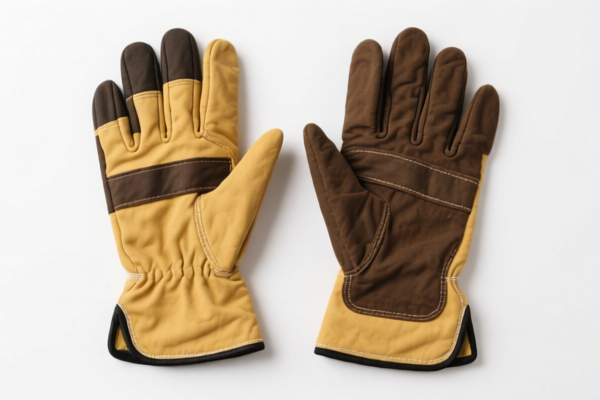
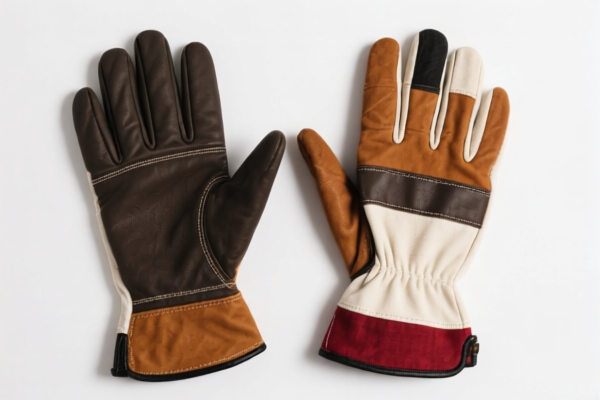
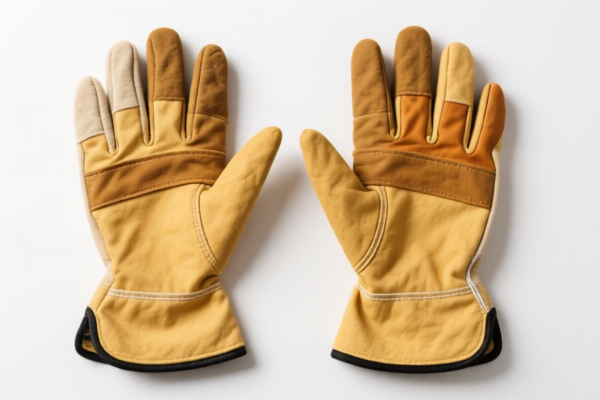

AI Analysis
🧤 Gloves, Mittens & Mitts | The Ultimate HS Code & Tariff Guide
🌐 HS Code Reference & Customs Clearance Guide | 2026 Latest Tariff Breakdown | Professional Strategy
📌 I. Product Definition & Classification: What Exactly Are You Shipping?
Gloves, mittens, and mitts are essential protective and fashion accessories. However, in international trade, material is the single most critical factor determining classification and tax liability. Misclassification can lead to massive duty discrepancies (e.g., 24.5% vs. 49.0%).
Key Distinctions: * Knitted/Non-Knitted (Fabric/Textile): Generally lower tariffs. Often treated as "hand coverings" rather than "apparel." * Leather/Synthetic Leather: Higher tariffs due to protective classifications. * Coated/Impregnated Textiles: If fabric gloves are coated (e.g., for chemical resistance or grip), they may shift from Textile (Chapter 61/62) to Leather-like or specific technical classifications depending on the coating volume and type.
⚠️ Critical Checkpoint:
- Are they knitted (flexible, stretchy) or non-knitted (structured)?
- Is the primary material textile or leather/synthetic leather?
- Are they coated/impregnated? (This often triggers different HS codes).
📦 II. HS Code Classification Details (2026 Latest Tariff Authority Alignment)
Based on the provided data, here are the four potential HS Codes for gloves, categorized by material and processing.
| HS Code | Product Description | Material/Type | Key Classification Logic | Total Tax |
|---|---|---|---|---|
| 6116.10.95.00 | Knitted Gloves/Mittens (Coated/Impregnated) | Knitted + Coated | Shape matches gloves/mittens. Inferred as knitted material that has been impregnated or coated (e.g., latex, PVC, rubber for grip/protection). | 24.5% |
| 4203.29.30.10 | Leather/Synthetic Leather Gloves (Other) | Leather/Synthetic | Product name covers gloves. Inferred as leather or synthetic leather. This is a "catch-all" for leather gloves not specifically listed elsewhere. | 49.0% |
| 4203.29.20.00 | Leather Gloves (Specific Sub-category) | Leather | Form/Use fully matches. Specifically involves leather material. Often refers to specific types of leather gloves (e.g., driving, industrial) excluded from the "other" category. | 47.6% |
| 6216.00.90.00 | Non-Knitted Gloves/Mittens (Textile) | Non-Knitted Textile | Form/Use fully matches. No material conflict with textile chapter. Typically refers to non-knitted fabric gloves (e.g., woven cotton, linen, synthetic fabric) that are not coated. | 21.3% |
🔍 重点提醒 (Key Reminder):
- Textile Gloves (6116/6216) are significantly cheaper to import than Leather Gloves (4203).
- Coating matters: A textile glove with a heavy rubber coating might be argued as "leather-like" (4203) by aggressive customs officers, but the data suggests 6116.10.95.00 is the correct path for knitted coated gloves.
- Mittens vs. Gloves: The classification generally groups them together under "hand coverings" unless specific separate sub-headings exist for mittens in the leather chapter (which they often don't, they fall under "other handwear").
💰 III. 2026 Latest Tariff Rate Breakdown (Detailed Policy Analysis)
✅ Applicable Country: United States (US)
✅ Origin: China (CN)
✅ Effective Time: 2025/2026 Period
🎯 1. 6116.10.95.00 – Knitted, Coated Gloves (The "Smart" Choice?)
| Item | Detail |
|---|---|
| Base Duty | 7.0% |
| Section 301 Tariff | 7.5% |
| Section 122 Tariff | 10.0% |
| Total Tax Rate | 24.5% |
| Tax Calculation | CIF Value × 24.5% |
| De Minimis Eligibility | ❌ No (High-risk item for postal/courier) |
| Legal Basis Path | Section 301: 7.5% + Section 122: 10% + HTSUS Base: 7.0% |
📌 Explanation:
- This is the lowest tariff option among the listed codes.
- Why? It is classified under Chapter 61 (Knitted Apparel). While it has Section 301 and Section 122 penalties, it avoids the higher base duty and heavier Section 301 rates of the leather chapter.
- Ideal for: Work gloves with latex/PVC coating, gardening gloves, light industrial knitted gloves.
🎯 2. 4203.29.30.10 – Leather/Synthetic Leather Gloves (Highest Cost)
| Item | Detail |
|---|---|
| Base Duty | 14.0% |
| Section 301 Tariff | 25.0% |
| Section 122 Tariff | 10.0% |
| Total Tax Rate | 49.0% |
| Tax Calculation | CIF Value × 49.0% |
| De Minimis Eligibility | ❌ No |
| Legal Basis Path | Section 301: 25.0% + Section 122: 10% + HTSUS Base: 14.0% |
📌 Explanation:
- This is the most expensive classification.
- Why? Leather gloves (Chapter 42) face the standard high Section 301 rate (25%) plus the base duty.
- Ideal for: Fashion leather gloves, premium driving gloves, high-end winter leather mittens.
🎯 3. 4203.29.20.00 – Specific Leather Gloves
| Item | Detail |
|---|---|
| Base Duty | 12.6% |
| Section 301 Tariff | 25.0% |
| Section 122 Tariff | 10.0% |
| Total Tax Rate | 47.6% |
| Tax Calculation | CIF Value × 47.6% |
| De Minimis Eligibility | ❌ No |
| Legal Basis Path | Section 301: 25.0% + Section 122: 10% + HTSUS Base: 12.6% |
📌 Explanation:
- Slightly better than4203.29.30.10but still very high.
- Note: The difference between20and30in the sub-heading often relates to specific manufacturing details or specific use cases (e.g., medical vs. general). Ensure your product description matches the specific requirements of20to save 1.4%.
🎯 4. 6216.00.90.00 – Non-Knitted Textile Gloves
| Item | Detail |
|---|---|
| Base Duty | 3.8% |
| Section 301 Tariff | 7.5% |
| Section 122 Tariff | 10.0% |
| Total Tax Rate | 21.3% |
| Tax Calculation | CIF Value × 21.3% |
| De Minimis Eligibility | ❌ No |
| Legal Basis Path | Section 301: 7.5% + Section 122: 10% + HTSUS Base: 3.8% |
📌 Explanation:
- This is the lowest total tariff (21.3%) if the gloves are non-knitted (woven).
- Ideal for: Woven cotton gloves, linen work gloves, non-stretch fabric gloves.
- Warning: Do not use this for knitted gloves. If customs determines they are knitted, they will reclassify to Chapter 61 (6116), potentially causing delays.
🛠️ IV. Customs Clearance Practical Advice (Battle-Tested Strategies)
✅ 1. Documentation Checklist (Non-Negotiable)
| Document | Required? | Purpose |
|---|---|---|
| ✅ Product Spec Sheet | ✔️ | Must clearly state: Material Composition (e.g., "95% Cotton, 5% Spandex, Latex Coating"). |
| ✅ Photos (Clear) | ✔️ | Show the texture (knit vs. woven), coating (if any), and labels. |
| ✅ Commercial Invoice | ✔️ | Must match HS Code logic. Do not write "Gloves" only. Write "Knitted Latex-Coated Work Gloves." |
| ✅ Origin Certificate | ✔️ | Essential for verifying CN origin to apply correct Section 301/122 duties. |
| ✅ Structure Diagram | ✔️ | Helpful if dispute arises: Is it "Knitted" or "Woven"? |
✅ 2. Declaration Tips (The "Golden Rules")
🔥 "Material Dictates Code, Coating Dictates Chapter!"
| Scenario | Correct HS Code | Wrong Code | Consequence |
|---|---|---|---|
| Knitted + Coated (e.g., Rubber grip) | 6116.10.95.00 (24.5%) | 4203.29.30.10 | Saves 24.5%! |
| Knitted + NO Coating (e.g., Wool/Cotton) | Check 6116/6117 (Not in data, but typically lower) | 6216 | 6216 is for non-knitted. Misuse leads to reclassification penalties. |
| Woven/Non-Knitted Fabric | 6216.00.90.00 (21.3%) | 6116 | Saves on base duty. |
| Leather/Synthetic Leather | 4203.29.20.00 or 30.10 | 6116 | Cannot declare leather as textile. Risk of 49% vs 24%. |
✅ 3. Special Handling for "Mittens"
- Mittens vs. Gloves: In most HS codes, mittens are grouped with gloves under "Handwear."
- Material is Key: A leather mitten goes to 4203. A knitted mitten goes to 6116.
- Advice: Always declare as "Gloves and Mittens" or specify "Mittens" in the description to be precise, but ensure the HS Code is chosen based on Material, not shape.
🌍 V. Global Market Comparison (2026 Context)
| Market | Recommended HS (Knitted/Coated) | Tax Rate (CN Origin) | Notes |
|---|---|---|---|
| 🇺🇸 USA | 6116.10.95.00 | 24.5% | Includes Sec 301 (7.5%) + Sec 122 (10%). High barrier. |
| 🇨🇳 China (Import) | 6116.10.00.00 | ~7-15% | Lower tariffs. Check specific BOPC rules. |
| 🇪🇺 EU | 6116.10.10 | Varies | Check Anti-Dumping duties if applicable. No Section 122 equivalent. |
| 🇬🇧 UK | 6116.10.10 | Varies | Post-Brexit rules apply. |
📌 Conclusion:
- The US Market is the most expensive for gloves due to the combination of Base + Sec 301 + Sec 122.
- Textile Gloves (Ch 61/62) are significantly more favorable than Leather Gloves (Ch 42).
- Always verify if your "Coated" gloves can be classified under 6116 instead of 4203. This can save you over 20% in duties.
📌 VI. Common Mistakes & Pitfalls (Blood & Tears Lessons)
❌ Mistake 1: Declaring Leather Gloves as Textile Gloves (6216/6116)
👉 Consequence: Customs reclassifies to 4203. You pay the difference + penalties. Cost: +25% duty + fines.
❌ Mistake 2: Declaring Knitted gloves as Non-Knitted (6216)
👉 Consequence: Reclassification to 6116. Delay in clearance. Risk: 30-day delay.
❌ Mistake 3: Ignoring the Coating
👉 Consequence: If you have coated gloves but declare them as plain textile, you might get away with it, but if inspected, the coating weight must be declared. If the coating is heavy, it might push towards leather classification. Advice: Declare accurately as "Impregnated/Coated."
❌ Mistake 4: Assuming Mittens have a different HS Code
👉 Consequence: None, usually grouped. But if you have separate HS codes for Mittens in your system, ensure they map to the correct Chapter (61 vs 42).
✅ Correct Practice:
"Knitted Gloves, Cotton/Latex Coated, for Industrial Use, Model XYZ, HS Code: 6116.10.95.00"
🎯 VII. Conclusion: Precision Saves Money!
🎯 Remember the Formula:
🔹 Knitted + Coated = 24.5% (6116)
🔹 Non-Knitted Textile = 21.3% (6216)
🔹 Leather = 47.6% - 49.0% (4203)
🔹 One wrong digit = Thousands in extra taxes!
📌 Pro Tip:
If you are importing large volumes, consider:
1. Pre-Ruling: Apply for an Advance Ruling from CBP to lock in the HS Code (especially for coated gloves).
2. Supply Chain Shift: If tariffs are too high, evaluate sourcing from countries with Section 301 exemptions (though rare for gloves) or consider transshipment compliance carefully.
✨ Professional Clearance Starts with Accurate Classification!
💼 Your Margins Depend on These Decimals!
Customer Reviews
About HS Code Classification
The Harmonized System (HS) is an internationally standardized nomenclature developed by the World Customs Organization (WCO) to classify traded products. Over 200 countries use the HS system as the basis for customs tariffs, trade statistics, and import/export regulations.
Each HS code follows a hierarchical structure:
- Chapter (2 digits) — Broad category of goods (e.g., Chapter 84: Machinery and Mechanical Appliances)
- Heading (4 digits) — More specific grouping within the chapter
- Subheading (6 digits) — Internationally standardized breakdown, used by all WCO member countries
- National subdivisions (8-10 digits) — Country-specific extensions for further classification, such as US HTSUS 10-digit codes
Correct HS code classification is essential for smooth customs clearance, accurate duty payment, and compliance with trade regulations. Misclassification can lead to customs delays, overpayment of duties, or penalties.
When importing from CN to US, the applicable tariff rates may include:
- Most-Favored-Nation (MFN) rate — The standard duty rate applied to WTO members
- General rate — Applied to countries without trade agreements
- Trade remedy duties — Additional tariffs such as Section 301 (anti-dumping), Section 232 (national security), or countervailing duties
The information provided on this page is for reference purposes only. For official classification, please consult with your local customs authority or a licensed customs broker.