Gloves (HS Code 6116920500)
CN → US| HS Code | Tariff Rate | Origin | Destination | Doc |
|---|---|---|---|---|
| 6116993500 | 20.3% | CN | US | Official Doc |
| 6216009000 | 21.3% | CN | US | Official Doc |
| 6116109500 | 24.5% | CN | US | Official Doc |
| 6116999510 | 13.8% | CN | US | Official Doc |
| 6116999530 | 13.8% | CN | US | Official Doc |
Product Images
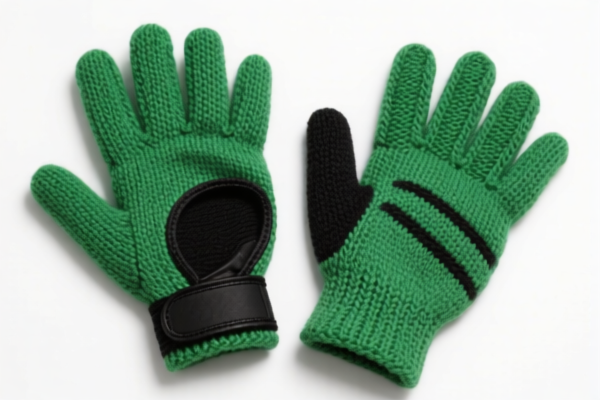
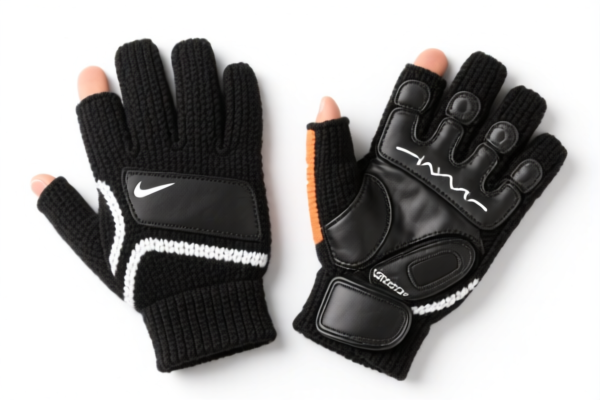
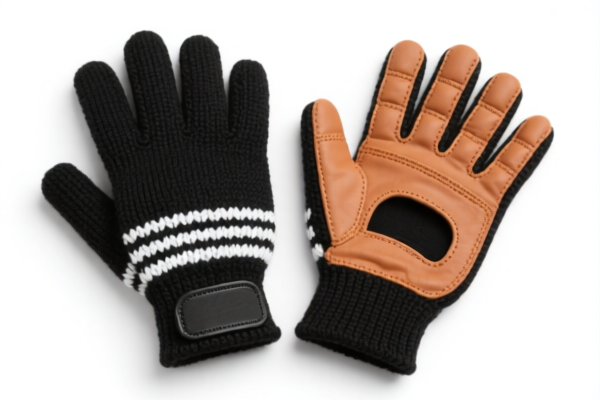
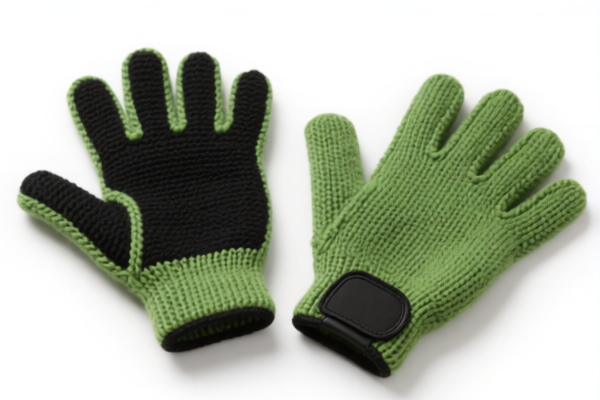
AI Analysis
🧤 Gloves (Industrial/Work Gloves, Knitted/Crocheted, Textile)
🌐 HS Code 6116.92.05.00 & Alternative Classification Guide | 2026 Tariff Analysis | Strategic Clearance Strategy
📌 一、Product Definition & Classification: What Kind of "Gloves" Are We Talking About?
Gloves in international trade are highly segmented based on material, knitting method, and specific use case. The user input refers to HS Code 6116.92.05.00, which generally corresponds to knitted or crocheted gloves, other than those of rubber or plastics, not elsewhere specified, often used for industrial work or general utility.
However, the <DATA> provided offers five distinct HS Codes with varying tax implications (from 13.8% to 24.5%). This indicates that slight differences in material composition (Cotton vs. Synthetic vs. Other), function (Sports vs. General), or design (Mittens vs. Fingers) drastically change the classification and tariff burden.
⚠️ Critical Distinction:
- 6116.92.05.00 (User Input) typically falls under "Other" knitted gloves.
- 6116.99.35.00: Sports-specific, non-cotton synthetic.
- 6216.00.90.00: "Catch-all" for non-knitted (woven) or unspecified types.
- 6116.10.95.00: Mittens and gauntlets (specific shape).
- 6116.99.95.10 / .30: Specific synthetic categories, possibly exempt from additional Section 301 duties depending on material nuances.
📦 二、HS Code Classification Details (Based on Provided Data)
| HS Code | Product Description | Application/Function | Material/Feature Note |
|---|---|---|---|
6116.92.05.00 |
Knitted/Crocheted Gloves, Other | General purpose, industrial, utility | Standard textile gloves (User Input Base) |
6116.99.35.00 |
Knitted/Crocheted Gloves, Sports Use | Athletic, training, gym, cycling | Non-cotton synthetic materials |
6116.10.95.00 |
Mittens and Gauntlets | Cold weather, winter wear, general | Knitted, specific "closed" hand design |
6116.99.95.10 |
Knitted Gloves, Non-Cotton Restriction Conflict | General utility, non-cotton synthetics | Lowest Additional Duty Potential |
6116.99.95.30 |
Knitted Gloves, Synthetic Restricted Category | General utility, specific synthetics | May face different duty treatment |
🔍 Key Insight:
- Sports Gloves (6116.99.35.00) are explicitly defined by function.
- Mittens (6116.10.95.00) are categorized by shape (no separate fingers).
- General Knitted Gloves have multiple sub-codes depending on cotton content and synthetic type, which directly impacts the Additional Duty (7.5%) and Section 122 (10%) applicability.
💰 三、2026 Latest Tariff Rate Breakdown (Including Additional Duties)
✅ Applicable Country: United States (US)
✅ Origin: China (CN)
✅ Effective Date: Current US Trade Policies (Section 301, IEEPA, etc.)
🎯 1. 6116.99.35.00 — Sports Gloves, Non-Cotton Synthetic
| Item | Content |
|---|---|
| Base Duty | 2.8% |
| Additional Duty (Sec 301) | 7.5% |
| Section 122 Duty | 10% |
| Total Tax Rate | 20.3% |
| Tax Calculation | CIF Value × 20.3% |
| Legal Basis | Standard textile duties + Sec 301 + Sec 122 |
📌 Explanation:
- Sports gloves made of non-cotton synthetics are subject to the full stack of additional duties.
- The 7.5% is the specific Section 301 rate for certain textiles/apparel.
- The 10% Section 122 duty applies to all Chinese-origin textiles/apparel (unless exempt).
🎯 2. 6216.00.90.00 — Other Gloves (Catch-All/Woven)
| Item | Content |
|---|---|
| Base Duty | 3.8% |
| Additional Duty (Sec 301) | 7.5% |
| Section 122 Duty | 10% |
| Total Tax Rate | 21.3% |
| Tax Calculation | CIF Value × 21.3% |
| Legal Basis | "Fallback" classification for gloves not meeting other specific criteria |
📌 Note:
- This is a broad category. If your product doesn't fit neatly into "Sports," "Mittens," or specific synthetic codes, it defaults here.
- Slightly higher than sports gloves due to a 1% higher base duty (3.8% vs 2.8%).
🎯 3. 6116.10.95.00 — Mittens and Gauntlets
| Item | Content |
|---|---|
| Base Duty | 7.0% |
| Additional Duty (Sec 301) | 7.5% |
| Section 122 Duty | 10% |
| Total Tax Rate | 24.5% |
| Tax Calculation | CIF Value × 24.5% |
| Legal Basis | Specific classification for "Mittens/Gauntlets" carries higher base duty |
📌 Critical Alert:
- Highest Tax Rate!
- The 7.0% base duty is significantly higher than other knitted gloves.
- If you are importing Mittens (closed hand, no finger separation), prepare for the 24.5% burden.
🎯 4. 6116.99.95.10 — Knitted Gloves, Non-Cotton Restriction Conflict
| Item | Content |
|---|---|
| Base Duty | 3.8% |
| Additional Duty (Sec 301) | 0.0% |
| Section 122 Duty | 10% |
| Total Tax Rate | 13.8% |
| Tax Calculation | CIF Value × 13.8% |
| Legal Basis | Exempt from Section 301 Additional Duty |
📌 Strategic Advantage:
- LOWEST TAX RATE!
- The 0.0% Additional Duty is a massive savings compared to the 7.5% in other categories.
- This code likely applies to specific synthetic blends or materials that were carved out from Section 301 tariffs.
- Action: Verify if your product's material composition qualifies for this specific exemption.
🎯 5. 6116.99.95.30 — Knitted Gloves, Synthetic Restricted Category
| Item | Content |
|---|---|
| Base Duty | 3.8% |
| Additional Duty (Sec 301) | 0.0% |
| Section 122 Duty | 10% |
| Total Tax Rate | 13.8% |
| Tax Calculation | CIF Value × 13.8% |
| Legal Basis | Exempt from Section 301 Additional Duty |
📌 Strategic Advantage:
- Same 13.8% rate as6116.99.95.10.
- Also exempt from Section 301.
- Distinguished from.10by specific material restrictions (e.g., polyester vs. nylon vs. acrylic blends).
- Action: Check material tags. If it's a restricted synthetic, this code applies. If it's a non-restricted synthetic,.10may apply. Both save you 7.5%.
🛠️ 四、Customs Clearance Practical Advice (Real-World Pitfall Guide)
✅ 1. Preparation Checklist (Non-Negotiable)
| Document | Required | Explanation |
|---|---|---|
| ✅ Product Composition Label | ✔️ | Must specify % of Cotton, Polyester, Nylon, etc. Crucial for distinguishing between 13.8% and 20.3%+ codes. |
| ✅ Product Photos | ✔️ | Must show fingers vs. mittens. If no separate fingers, it's 6116.10.95.00 (24.5%). |
| ✅ Usage Description | ✔️ | Is it for Sports? If yes, and non-cotton, it's 6116.99.35.00 (20.3%). |
| ✅ Commercial Invoice | ✔️ | Must match HS Code description exactly. |
| ✅ Origin Certificate | ✔️ | Confirm China origin to apply Section 122 (10%). |
✅ 2. Classification Strategy (Key Mnemonic)
🔥 “Check Fingers, Check Cotton, Check Sport!”
| Scenario | Correct HS Code | Tax Rate | Why? |
|---|---|---|---|
| Mittens (No separate fingers) | 6116.10.95.00 |
24.5% | Specific shape category with higher base duty. |
| Sports Gloves (Non-cotton synthetic) | 6116.99.35.00 |
20.3% | Function-specific. |
| General Knitted Gloves (Cotton blend) | 6216.00.90.00 (or similar) |
21.3% | Fallback if not sports/mittens/specific synthetic. |
| General Knitted Gloves (Specific Non-Cotton Synthetic) | 6116.99.95.10 or .30 |
13.8% | BEST RATE – Exempt from Sec 301. |
⚠️ Warning:
- Do NOT classify Sports Gloves as "General Gloves" to avoid the "Sports" label if it leads to a higher rate. Here, Sports (20.3%) is slightly higher than the exempt synthetic (13.8%).
- DO try to qualify for6116.99.95.10or.30if your material allows. The 7.5% savings is significant.
✅ 3. Special Cases
| Case | Handling Advice |
|---|---|
| Mixed Materials | If gloves have leather palms and knitted backs, they may fall under Chapter 62 or Leather Gloves (4203), which have different rates. Check thoroughly! |
| Disposable Gloves | These are NOT knitted. They fall under Chapter 40 (Rubber/Plastics). Not covered in this <DATA>. |
| OEM Custom Designs | Provide design specs. If "Sports" is not the primary use, argue for general use to avoid the "Sports" classification if it leads to a higher rate. |
🌍 五、Global Market Comparison (2026)
| Country/Region | Recommended HS Code | Tariff Rate | Certification | Notes |
|---|---|---|---|---|
| 🇺🇸 USA | 6116.99.95.10 |
13.8% | None Specific | Best rate if material qualifies. |
| 🇨🇳 China | 6116.99.95.10 |
~5-10% | CCC (if applicable) | Lower base tariffs. |
| 🇪🇺 EU | 6116.99.95 |
0-12% | CE (if PPE) | Varies by material. No Section 301. |
| 🇬🇧 UK | 6116.99.95 |
0-12% | UKCA | Post-Brexit rules apply. |
📌 Conclusion:
- USA is the most complex market due to Section 301 and Section 122 duties.
- Maximize savings by correctly identifying materials to qualify for the 0% Additional Duty codes (.10or.30).
📌 六、Common Mistakes & Pitfalls (Lessons Learned)
❌ Mistake 1: Calling all gloves "Gloves" without specifying Mittens vs. Fingered.
👉 Consequence: Misclassification as 6116.10.95.00 (24.5%) instead of general gloves (20.3% or 13.8%).
❌ Mistake 2: Ignoring Material Composition.
👉 Consequence: Missing the 7.5% savings by not qualifying for 6116.99.95.10/.30. If you label it "Cotton," you may lose the synthetic exemption.
❌ Mistake 3: Assuming Sports gloves always have a lower rate.
👉 Consequence: Sports gloves (20.3%) are higher than specific non-cotton synthetics (13.8%). Define "Sports" carefully.
✅ Best Practice:
"Knitted Gloves, Polyester Blend, General Use, Non-Sports, Non-Mitten" → Target
6116.99.95.10for 13.8% total tax.
🎯 七、Conclusion: Precision Classification = Profit Protection
🎯 Remember the Mantra:
🔹 "Mittens are Expensive (24.5%)"
🔹 "Sports are Standard (20.3%)"
🔹 "Specific Synthetics are Cheap (13.8%)"
🔹 "Check Material, Save 7.5%"
📌 Pro Tip:
If your product is not made of cotton, not sports-specific, and not mittens, aggressively pursue classification under 6116.99.95.10 or 6116.99.95.30. The 7.5% Section 301 exemption is the key to competitive pricing in the US market.
📣 Immediate Action:
📞 Consult with a customs broker to verify your material composition against 6116.99.95.10/.30.
🚀 Save 7.5% per unit, scale volumes, and boost margins!
✨ Professional Clearance Starts with Accurate Classification!
💼 Every percentage point saved is profit earned!
Customer Reviews
About HS Code Classification
The Harmonized System (HS) is an internationally standardized nomenclature developed by the World Customs Organization (WCO) to classify traded products. Over 200 countries use the HS system as the basis for customs tariffs, trade statistics, and import/export regulations.
Each HS code follows a hierarchical structure:
- Chapter (2 digits) — Broad category of goods (e.g., Chapter 84: Machinery and Mechanical Appliances)
- Heading (4 digits) — More specific grouping within the chapter
- Subheading (6 digits) — Internationally standardized breakdown, used by all WCO member countries
- National subdivisions (8-10 digits) — Country-specific extensions for further classification, such as US HTSUS 10-digit codes
Correct HS code classification is essential for smooth customs clearance, accurate duty payment, and compliance with trade regulations. Misclassification can lead to customs delays, overpayment of duties, or penalties.
When importing from CN to US, the applicable tariff rates may include:
- Most-Favored-Nation (MFN) rate — The standard duty rate applied to WTO members
- General rate — Applied to countries without trade agreements
- Trade remedy duties — Additional tariffs such as Section 301 (anti-dumping), Section 232 (national security), or countervailing duties
The information provided on this page is for reference purposes only. For official classification, please consult with your local customs authority or a licensed customs broker.