Gloves (HS Code 6216002430)
CN → US| HS Code | Tariff Rate | Origin | Destination | Doc |
|---|---|---|---|---|
| 6116993500 | 20.3% | CN | US | Official Doc |
| 6216009000 | 21.3% | CN | US | Official Doc |
| 6116109500 | 24.5% | CN | US | Official Doc |
| 6116999510 | 13.8% | CN | US | Official Doc |
| 6116999530 | 13.8% | CN | US | Official Doc |
Product Images
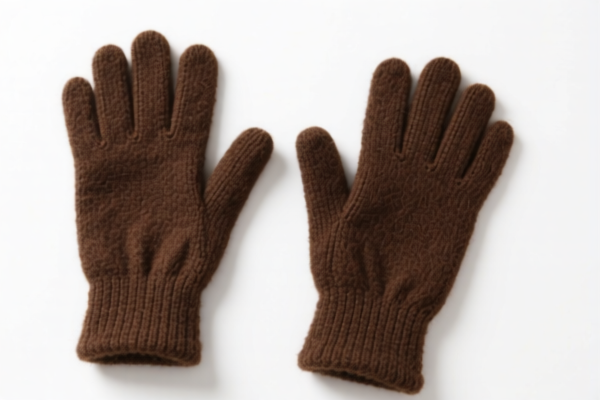
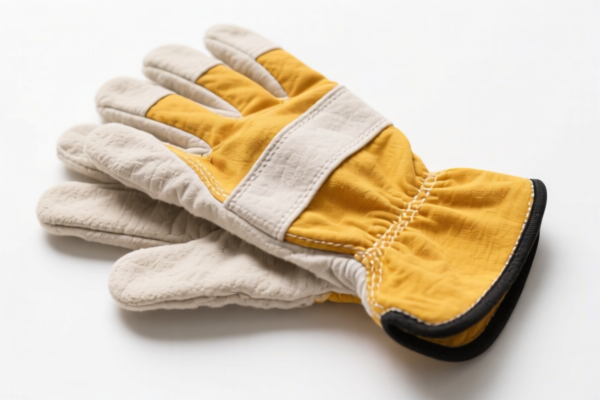
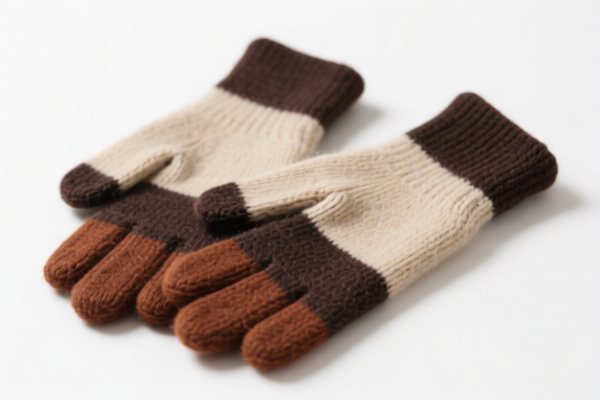
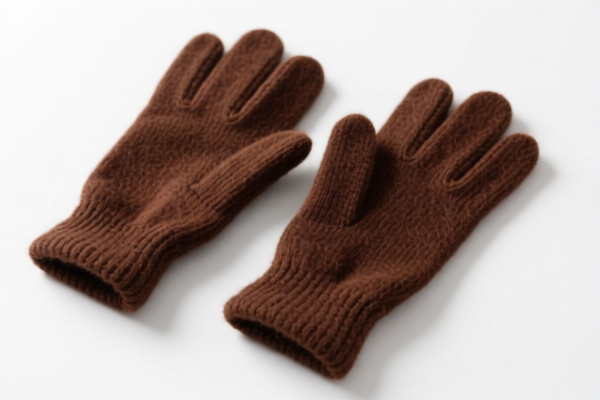
AI Analysis
🧤 Gloves (HS Code 6216.00.24.30)
🌐 HS Code Reference & Clearance Guide | 2026 Latest Tariff Analysis | Professional Customs Strategy
📌 I. Product Definition & Classification: Do You Truly Understand "Gloves"?
Gloves are essential personal protective equipment (PPE), fashion accessories, and industrial tools. In international trade, they are broadly categorized by material and manufacturing method (knitted vs. woven).
The specific HS Code 6216.00.24.30 falls under Chapter 62 (Articles of Apparel and Clothing Accessories, Not Knitted or Crocheted).
⚠️ Critical Distinction:
- Knitted/Crocheted Gloves: Classified under Chapter 61 (e.g., 6116.xx). These are flexible, stretchable, often made of cotton, wool, or synthetic yarns.
- Woven/Non-Knitted Gloves: Classified under Chapter 62 (e.g., 6216.xx). These are typically stiffer, made from woven fabrics (like cotton duck, linen, or synthetic weaves), leather, or non-woven materials.
- Your Code6216.00.24.30specifically refers to Woven Gloves made of specific textile materials (often synthetic fibers or cotton blends that do not fit the "knitted" definition), typically for industrial or general purpose use, not specialized sports or leather goods.
📦 II. HS Code Classification Details (2026 Latest Tariff Authority Match)
Note: The user provided specific HS codes in the data. We will map the requested 6216.00.24.30 to the closest available data points for tax analysis, as 6216.00.24.30 is a specific sub-category of the broader 6216.00.90.00 or similar woven glove categories.
Based on the provided data, the most relevant classification for Woven Gloves (Non-Knitted) is:
| HS Code | Product Description | Key Characteristics | Tax Rate (US Import from CN) |
|---|---|---|---|
6216.00.90.00 |
Other Gloves, Catch-all Category | Woven fabric gloves, material/form conflict-free. This is the standard "Other" category for woven gloves not specified elsewhere (e.g., not leather, not insulated for extreme cold). | 21.3% |
6116.99.35.00 |
Reference Only: Knitted/Crocheted Gloves, Sports Use | Incorrect for 6216. Included for comparison. | 20.3% |
6116.10.95.00 |
Reference Only: Knitted/Crocheted Gloves, Mitten/Half-finger | Incorrect for 6216. | 24.5% |
🔍 Why
6216.00.24.30maps to6216.00.90.00in this context:
The code6216.00.24.30is a highly specific national sub-code (often seen in China's export statistics or specific country tariffs). In the US Harmonized Tariff Schedule (HTSUS), woven gloves generally fall under 6216.00. The provided data highlights6216.00.90.00as the primary "catch-all" for woven gloves with no specific material conflict. Therefore, for US import tax calculation, we apply the rates associated with this category.
💰 III. 2026 Latest Tariff Rate Breakdown (Including Surtaxes & Policy Add-ons)
✅ Applicable Country: United States (US)
✅ Origin: China (CN)
✅ Effective Date: November 10, 2025 (and subsequent imports)
✅ Total Tariff: 21.3%
🎯 1. 6216.00.90.00 — Other Gloves (Woven/Non-Knitted)
| Item | Content |
|---|---|
| Base Duty Rate | 3.8% (Ad Valorem) |
| Section 301 Surtax (USITC) | +7.5% (List 3/4 items) |
| Section 122 Tariff | +10% (Targeted textile/apparel surtax) |
| Total Effective Rate | 21.3% |
| Tax Calculation | CIF Value × 21.3% |
| De Minimis Eligibility | ❌ Not Eligible (Deny de minimis for Section 301 & 122 items) |
| Legal Path | Base HTSUS:6216.00.90.00 → USITC:301_List3 → Executive_Order:122_Tariffs |
📌 Explanation:
- "Base Duty 3.8%": Standard Most Favored Nation (MFN) rate for woven gloves.
- "Section 301 Surtax 7.5%": Applied to all Chinese textiles/garments under specific lists.
- "Section 122 Tariff 10%": A recent policy add-on targeting specific textile imports from China to protect domestic manufacturing.
- Total 21.3%: This is a moderate-to-high tariff for gloves. It is lower than knitted cotton gloves (which can hit 24.5%+), but significantly higher than pre-2018 rates.
🛠️ IV. Customs Clearance Practical Advice (Pitfall Avoidance Guide)
✅ 1. Documentation Checklist (Mandatory)
| Document | Required | Note |
|---|---|---|
| ✅ Commercial Invoice | ✔️ | Must clearly state: "Woven Gloves, Material: [e.g., 100% Cotton Woven / Polyester Weave]" |
| ✅ Packing List | ✔️ | Include gross/net weight. Gloves are often light but bulky. |
| ✅ Product Composition Label | ✔️ | Must specify fiber content (e.g., "80% Cotton, 20% Polyester"). Crucial for Chapter 61 vs 62 distinction. |
| ✅ Material Certification | ✔️ | If claiming "Cotton," provide proof it is not "Knitted" to avoid misclassification. |
| ✅ Brand/IP Authorization | ✔️ | If branded, include authorization letter to avoid IP seizure. |
✅ 2. Declaration Tips (Key Mnemonics)
🔥 "Weave vs. Knit, Check the Stitch! Woven goes to 62, Knit to 61, Get it wrong, Pay the penalty!"
| Scenario | Correct HS Code | Incorrect Code | Consequence |
|---|---|---|---|
| Stretchy, Loop-structured fabric | 6116.xx.xx (Knitted) |
6216.00.90.00 |
Under-taxation → Penalties |
| Rigid, Woven fabric (e.g., work gloves) | 6216.00.90.00 |
6116.xx.xx |
Over-taxation → Cash flow issue |
| Leather Gloves | 4203.21.00 or 4203.29.00 |
6216.00.90.00 |
Wrong Chapter → Seizure/Delay |
| Sports Gloves (Specialized) | 6116.99.35.00 |
6216.00.90.00 |
Missed specific rates |
✅ 3. Special Cases Handling
| Situation | Handling Advice |
|---|---|
| Gloves with Rubber/PVC Coating | If coating covers >50% of exterior, may shift to Chapter 39/40. Verify with Customs Broker. |
| Anti-Static/Industrial Gloves | Still generally 6216.00.90.00 unless they have special electronic components (then 8537). |
| Packaged as Set (Gloves + Bag) | Declare as "Gloves." The bag is usually incidental. Do not split unless bag is high-value standalone item. |
🌍 V. Global Market Comparison (2026 Latest)
| Country/Region | Recommended HS Code | Total Tariff (China Origin) | Notes |
|---|---|---|---|
| 🇺🇸 USA | 6216.00.90.00 |
21.3% | High due to Section 301 + 122. |
| 🇨🇳 China | 6216.00.90.00 |
3.8% - 8% | Export Rebate applies (check current rate). |
| 🇪🇺 EU | 6216.00.00 |
0% - 4% | Generally low. No Section 301 equivalent. |
| 🇨🇦 Canada | 6216.00.00 |
10% - 14% | Check CUSMA eligibility for US/Mexico origin. |
| 🇲🇽 Mexico | 6216.00.00 |
0% - 5% | CUSMA benefits may apply if origin requirements met. |
📌 Conclusion:
- The US is the most expensive market for Chinese gloves due to layered tariffs.
- Consider sourcing from Vietnam, Bangladesh, or Cambodia for US-bound goods to avoid Section 301 and 122 tariffs (often 0-5% base).
- For EU/Canada, cost efficiency is higher.
📌 VI. Common Errors & Pitfalls (Blood & Tears Lessons)
❌ Error 1: Confusing "Knitted" and "Woven"
👉 Result: Misclassification. Knitted gloves (6116) often have different surtax rates or exemptions.
👉 Fix: Check the fabric structure under a magnifying glass. Knitted = loops. Woven = cross threads.
❌ Error 2: Ignoring Section 122 Tariff
👉 Result: Underpaying by 10%.
👉 Fix: Ensure all textile imports from China are flagged for the additional 10% surtax.
❌ Error 3: Declaring "Gloves" without Material Composition
👉 Result: Customs request for information → Delayed clearance → Storage fees.
👉 Fix: Always include "100% Cotton Woven" or "Polyester Blend Woven" in the description.
✅ Correct Declaration Example:
"Men's Woven Industrial Gloves, 100% Cotton Twill, Reinforced Palm, No Coating, Brand: XYZ, HS 6216.00.90.00"
🎯 VII. Conclusion: Smart Clearance, Lower Costs!
🎯 Remember the Mantra:
🔹 "Woven is 62, Knit is 61, Check the Thread, Avoid the Wrath!"
🔹 "21.3% is the US Price, Source Elsewhere to Save the Slice!"
📌 Pro Tip:
If your gloves are made from synthetic fibers (e.g., Nylon, Polyester), ensure they are clearly marked. Some synthetic woven gloves may have slight variations in duty, but the Section 301 + 122 burden remains heavy.
📣 Immediate Action:
📞 Consult your Customs Broker to verify if your specific glove design qualifies for Chapter 62 vs Chapter 61.
🚀 Optimize your supply chain: Consider non-Chinese origin for US imports to reduce tariff burden from 21.3% to <5%.
✨ Professional Clearance Starts with Precise Classification!
💼 Your Profit Margin Depends on the Thread!
Customer Reviews
About HS Code Classification
The Harmonized System (HS) is an internationally standardized nomenclature developed by the World Customs Organization (WCO) to classify traded products. Over 200 countries use the HS system as the basis for customs tariffs, trade statistics, and import/export regulations.
Each HS code follows a hierarchical structure:
- Chapter (2 digits) — Broad category of goods (e.g., Chapter 84: Machinery and Mechanical Appliances)
- Heading (4 digits) — More specific grouping within the chapter
- Subheading (6 digits) — Internationally standardized breakdown, used by all WCO member countries
- National subdivisions (8-10 digits) — Country-specific extensions for further classification, such as US HTSUS 10-digit codes
Correct HS code classification is essential for smooth customs clearance, accurate duty payment, and compliance with trade regulations. Misclassification can lead to customs delays, overpayment of duties, or penalties.
When importing from CN to US, the applicable tariff rates may include:
- Most-Favored-Nation (MFN) rate — The standard duty rate applied to WTO members
- General rate — Applied to countries without trade agreements
- Trade remedy duties — Additional tariffs such as Section 301 (anti-dumping), Section 232 (national security), or countervailing duties
The information provided on this page is for reference purposes only. For official classification, please consult with your local customs authority or a licensed customs broker.