Glow in the dark Reflective Self adhesive Roll
CN → US| HS Code | Tariff Rate | Origin | Destination | Doc |
|---|---|---|---|---|
| 5907001500 | 43.0% | CN | US | Official Doc |
| 3926909925 | 22.8% | CN | US | Official Doc |
| 5907003500 | 43.0% | CN | US | Official Doc |
| 3926909989 | 22.8% | CN | US | Official Doc |
| 5907008090 | 35.0% | CN | US | Official Doc |
Product Images
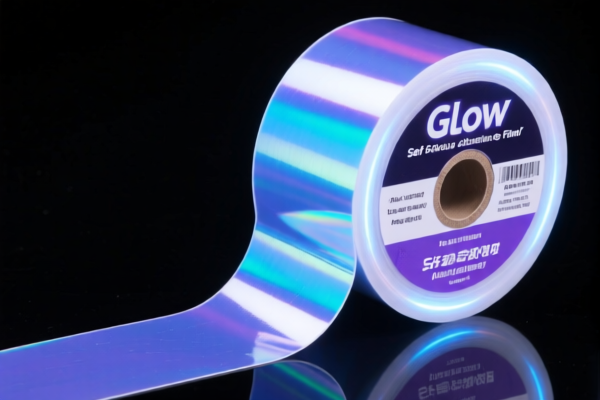
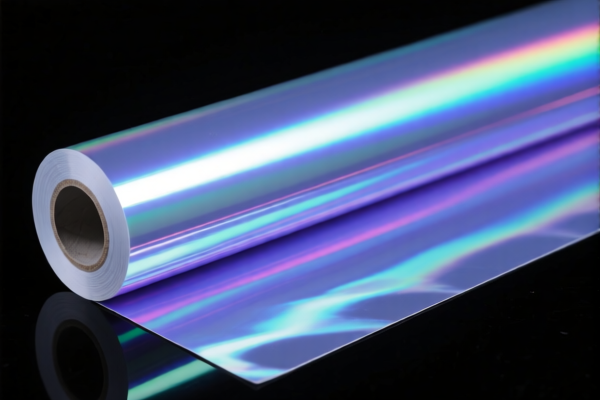
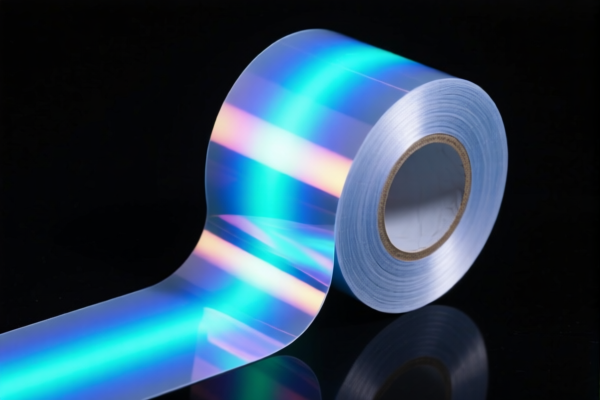
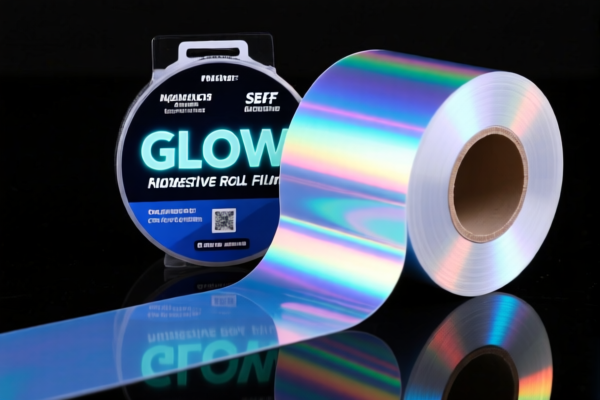
AI Analysis
🌙 Glow in the Dark Reflective Self-Adhesive Roll (Light-Activated Safety Tape)
🌐 HS Code Reference & Customs Clearance Guide | 2024/2025 Tariff Structure | Professional Clearance Strategy
📌 I. Product Definition & Classification: Do You Truly Understand "Reflective Tape"?
"Glow in the Dark Reflective Self-Adhesive Roll" is a composite safety material widely used in traffic safety, industrial marking, emergency signage, and consumer goods. In international trade, its classification is complex because it involves three distinct technical features: 1. Form: Roll (Flexible substrate) 2. Function: Reflective (Retro-reflective) + Glow-in-the-dark (Photoluminescent) 3. Structure: Self-adhesive (Backed with adhesive layer)
⚠️ Critical Classification Distinction:
- If the core material is Textile/Fabric treated with coating → Falls under Chapter 59 (Impregnated/Coated Textiles).
- If the core material is Plastic/Polymer film without textile base → Falls under Chapter 39 (Articles of Plastics).
- Why it matters: The base material determines whether you pay 43% or 22.8% in duties. Misclassification leads to massive cost discrepancies or customs seizures.
📦 II. HS Code Classification Details (Based on Provided Data)
| HS Code | Product Description | Key Characteristics | Base Material Inference | Total Tax Rate |
|---|---|---|---|---|
5907.00.15.00 |
Coated/Fabric Rolls: Polymer-coated fabric or film. | "Roll form," "Polymer-coated fabric/film," "Fits coated/classified category." | Textile/Fabric base with polymer coating | 43.0% |
3926.90.99.25 |
Plastic Sheets/Bands: Reflective warning signs. | "Sheet/Band form," "Reflective warning sign purpose," "Plastic material." | Plastic/Polymer base | 22.8% |
5907.00.35.00 |
Self-Adhesive Coated Fabrics: Reflective/Luminescent coating. | "Roll form," "Self-adhesive," "Reflective/Fluorescent coating," "Impregnated/Coated fabric." | Textile/Fabric base with self-adhesive + functional coating | 43.0% |
3926.90.99.89 |
Other Plastic Articles: Unspecified plastic rolls. | "Plastic/Polymer substrate," "Roll form," "Not specifically listed." | Plastic/Polymer base (Generic) | 22.8% |
5907.00.80.90 |
Textile Impregnation/Coating: Self-adhesive rolls. | "Roll form," "Textile impregnated/coated," "Fiber base," "Night-glow/Reflective = Coating function." | Fiber/Textile base | 35.0% |
🔍 Key Insight:
- Chapter 59 (HS 5907) applies when the primary identity is the textile/fabric being coated. Taxes are generally higher (35-43%). - Chapter 39 (HS 3926) applies when the primary identity is the plastic/polymer article. Taxes are lower (22.8%). - The "Self-Adhesive" aspect does not automatically change the chapter; it depends on whether the backing is textile (Ch 59) or plastic (Ch 39).
💰 III. 2024/2025 Tariff Rate Breakdown (Including Surcharges & Policy Add-ons)
✅ Applicable Country: USA (US)
✅ Origin: China (CN)
✅ Effective Time: Current US Trade Policy (Section 301 & IEEPA)
🎯 1. Textile-Based Classes (5907.00.15.00, 5907.00.35.00, 5907.00.80.90)
These codes fall under Chapter 59. Due to the high base tariff and additional surcharges, they carry the highest duty burden.
| Item | Detail |
|---|---|
| Base Tariff | 8.0% (for .15 & .35) / 0.0% (for .80) |
| Section 301 Surcharge | +25% (USITC Footnote 9903.88.01 / 9903.01.25) |
| IEEPA 122-Clause Tariff | +10% (Specific to certain Chinese goods under 122 Section) |
| Total Effective Rate | 43.0% (for .15 & .35) 35.0% (for .80) |
| Tax Calculation | CIF Value × 43% (or 35%) |
| De Minimis Exemption? | ❌ NO (deny_de_minimis applies) |
| Legal Basis Path | Base Tariff → USITC:301 → IEEPA:122 |
📌 Explanation:
- For5907.00.15.00and5907.00.35.00: Base 8% + 25% (Sec 301) + 10% (122) = 43%.
- For5907.00.80.90: Base 0% + 25% (Sec 301) + 10% (122) = 35%.
- Why is it so high? These are considered non-essential consumer/industrial textiles from China, subject to aggressive trade barriers.
🎯 2. Plastic-Based Classes (3926.90.99.25, 3926.90.99.89)
These codes fall under Chapter 39. Plastic articles generally benefit from lower base tariffs, resulting in a more manageable total duty rate.
| Item | Detail |
|---|---|
| Base Tariff | 5.3% |
| Section 301 Surcharge | +7.5% (Reduced rate for certain plastic articles under specific subheadings) |
| IEEPA 122-Clause Tariff | +10% |
| Total Effective Rate | 22.8% |
| Tax Calculation | CIF Value × 22.8% |
| De Minimis Exemption? | ❌ NO (deny_de_minimis applies) |
| Legal Basis Path | Base Tariff → USITC:301 → IEEPA:122 |
📌 Explanation:
- For3926.90.99.25and3926.90.99.89: Base 5.3% + 7.5% (Sec 301) + 10% (122) = 22.8%.
- Why lower? The Section 301 surcharge for these specific plastic subheadings is only 7.5%, not 25%, significantly reducing the total cost compared to textile-based tapes.
🛠️ IV. Customs Clearance Operational Advice (Practical Pitfall Guide)
✅ 1. Preparation Checklist (Essential Documents)
| Document | Required | Notes |
|---|---|---|
| ✅ Product Spec Sheet | ✔️ | Must detail: Base material (Fabric vs. Plastic), Adhesive type, Reflective material type (Glass beads vs. Prism), Glow-in-the-dark powder type. |
| ✅ Material Composition | ✔️ | Crucial: Explicitly state % of textile vs. plastic. If >50% textile by weight/value, likely Ch 59. |
| ✅ Product Photos | ✔️ | Show the roll, the adhesive side, and the reflective/glowing side under UV/light. |
| ✅ Commercial Invoice | ✔️ | Describe as "Reflective Safety Tape" or "Photoluminescent Adhesive Roll." Avoid vague terms like "Sticker." |
| ✅ Origin Certificate | ✔️ | If non-China origin, may qualify for lower duties (if applicable). |
| ✅ Testing Report | ✔️ | ASTM D4956 (Reflectivity) or similar standards to prove functional classification. |
✅ 2. Classification Strategy (The "Textile vs. Plastic" Decision)
🔥 "Base Material Dictates Tax Rate!"
| Scenario | Recommended HS Code | Tax Rate | Risk Level |
|---|---|---|---|
| Fabric Backing (e.g., Polyester cloth with coating) | 5907.00.35.00 |
43.0% | High Cost |
| Fabric Backing (Generic coated fabric roll) | 5907.00.15.00 |
43.0% | High Cost |
| Fabric Backing (Other textile coatings) | 5907.00.80.90 |
35.0% | Medium-High Cost |
| Plastic Film Backing (PVC/PE/PET film with adhesive) | 3926.90.99.25 |
22.8% | Lowest Cost |
| Plastic Film Backing (Generic unspecified plastic) | 3926.90.99.89 |
22.8% | Lowest Cost |
📌 Actionable Tip:
- If you have the flexibility to switch materials, switching from a Fabric-based tape to a Plastic-based tape can save you 20.2% in total duties (43% → 22.8%).
- Ensure the plastic backing is not "imprinted" with patterns that would push it into a different, potentially higher-tariff category.
✅ 3. Special Circumstances Handling
| Situation | Handling Advice |
|---|---|
| Mixed Materials (e.g., Plastic film on a textile backing) | Customs may apply the "essential character" rule. Usually, the textile backing dominates if it provides structural integrity → Ch 59 (43%). |
| Glow-in-the-Dark Only (No Retro-Reflective) | Still likely Ch 59 or Ch 39 depending on base. Ensure "Photoluminescent" is clearly stated to distinguish from purely reflective. |
| Small Rolls (<1m) | Same tax rate. No de minimis exemption for China-origin goods under current rules. |
| Customs Examination | Be prepared for a "Material Test." Customs may cut a sample and burn/test it to determine if the backing is textile or plastic. |
🌍 V. Global Market Comparison (2024/2025)
| Country/Region | Recommended HS Code | Estimated Total Duty | Certification Requirements | Notes |
|---|---|---|---|---|
| 🇺🇸 USA | 3926.90.99.25 |
22.8% | CE/FCC (if electronic components), ASTM D4956 | Best Option: Lower tax if plastic-based. |
| 🇨🇳 China | 3926.90.99.25 |
5-10% | CCC (if applicable) | No additional Section 301 surcharges. |
| 🇪🇺 EU | 3926.90.99 |
4-6.5% | CE Marking | No major anti-dumping duties on generic reflective tape. |
| 🇨🇦 Canada | 3926.90.99 |
5-10% | CPSIA (if for kids) | CFIA rules may apply if packaging claims safety. |
📌 Conclusion:
- The USA is the most expensive market due to Section 301 and IEEPA surcharges.
- Plastic-based tapes (3926) are significantly more cost-effective for US imports than Textile-based tapes (5907).
📌 VI. Common Errors & Pitfall Guide (Lessons Learned)
❌ Error 1: Classifying a Plastic-Based tape as 5907 (Textile)
👉 Consequence: Overpaying 20.2% in duties (43% vs 22.8%). Customs may audit and demand back payments.
❌ Error 2: Classifying a Fabric-Based tape as 3926 (Plastic)
👉 Consequence: Underpayment detected → Seizure, fines, and retroactive duties. Customs experts will identify the fabric backing during inspection.
❌ Error 3: Ignoring the IEEPA 122-Clause surcharge
👉 Consequence: If the product falls under specific 122-clause categories, an extra 10% is applied. Ensure your declaration matches the specific subheading to avoid disputes.
❌ Error 4: Vague Description "Adhesive Tape"
👉 Consequence: Customs will assign a default code, often the highest possible duty. Always specify: "Reflective/Glow-in-the-Dark Self-Adhesive Roll, [Material] Backing."
✅ Correct Declaration Example:
"Reflective & Photoluminescent Self-Adhesive Safety Tape, Roll Form, PVC Film Backing, for Traffic Safety Markings, Model XYZ, ASTM D4956 Compliant."
🎯 VII. Conclusion: Smart Classification, Smart Savings
🎯 Key Takeaway:
🔹 "Plastic Backing = 22.8% Tax"
🔹 "Fabric Backing = 35-43% Tax"
🔹 "Misclassification = Fines + Delay"
📌 Pro Tip:
If your product uses a polyester or nylon fabric backing, consider if switching to a high-density plastic (PVC/PET) backing is feasible for your application. The 20.2% duty savings can significantly boost your margin on high-volume shipments to the US.
📣 Immediate Action:
📞 Consult a licensed customs broker to verify your material composition.
🚀 Submit a Pre-Ruling Request if unsure about "Essential Character."
💼 Get the HS Code right from day one to avoid costly retroactive penalties.
✨ Professional Customs Clearance Starts with Precise Classification!
💼 Every percentage point of duty saved is pure profit earned!
Customer Reviews
About HS Code Classification
The Harmonized System (HS) is an internationally standardized nomenclature developed by the World Customs Organization (WCO) to classify traded products. Over 200 countries use the HS system as the basis for customs tariffs, trade statistics, and import/export regulations.
Each HS code follows a hierarchical structure:
- Chapter (2 digits) — Broad category of goods (e.g., Chapter 84: Machinery and Mechanical Appliances)
- Heading (4 digits) — More specific grouping within the chapter
- Subheading (6 digits) — Internationally standardized breakdown, used by all WCO member countries
- National subdivisions (8-10 digits) — Country-specific extensions for further classification, such as US HTSUS 10-digit codes
Correct HS code classification is essential for smooth customs clearance, accurate duty payment, and compliance with trade regulations. Misclassification can lead to customs delays, overpayment of duties, or penalties.
When importing from CN to US, the applicable tariff rates may include:
- Most-Favored-Nation (MFN) rate — The standard duty rate applied to WTO members
- General rate — Applied to countries without trade agreements
- Trade remedy duties — Additional tariffs such as Section 301 (anti-dumping), Section 232 (national security), or countervailing duties
The information provided on this page is for reference purposes only. For official classification, please consult with your local customs authority or a licensed customs broker.