Glowing Stone
CN → US| HS Code | Tariff Rate | Origin | Destination | Doc |
|---|---|---|---|---|
| 3926904800 | 13.4% | CN | US | Official Doc |
| 3926904000 | 12.8% | CN | US | Official Doc |
| 2530908015 | 10.0% | CN | US | Official Doc |
| 2530908050 | 10.0% | CN | US | Official Doc |
Product Images
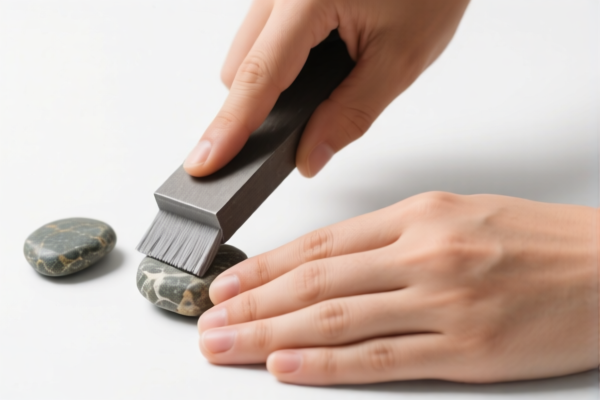
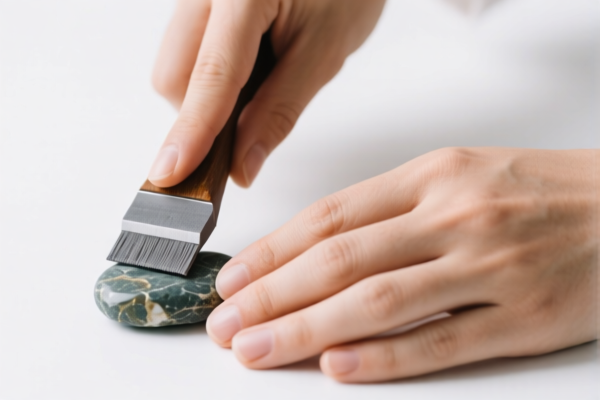


AI Analysis
💎 Glowing Stone (Luminous Stone)
🌐 HS Code Classification & Tariff Guide | 2026 Latest Tariff Rules | Professional Customs Clearance Strategy
📌 One, Product Definition & Classification: What Exactly Is a "Glowing Stone"?
A glowing stone — also known as a luminescent stone, phosphorescent stone, or self-illuminating mineral — is a material that emits visible light after being exposed to light (typically UV or ambient). These stones are widely used in decorative items, jewelry, fashion accessories, and novelty products.
In international trade, glowing stones are not automatically classified as gemstones. Their classification depends heavily on material composition, manufacturing process, and whether they contain synthetic or natural components.
⚠️ Critical Distinction:
- If the stone is artificially made using synthetic materials (e.g., resin, plastic, glass) with luminous additives → Treated as a synthetic gem
- If the stone contains natural mineral components with a luminescent coating → Treated as a mineral substance
- If it’s purely a synthetic material (e.g., glowing plastic beads) → Treated as a plastic/glass product
📦 Two, HS Code Classification Details (2026 Latest Tariff Authority Reference)
| HS Code | Product Description | Applicable Scenario | Material Composition |
|---|---|---|---|
3926.90.40.00 |
Artificial gems made from synthetic or man-made materials | Glow-in-the-dark jewelry, decorative beads, synthetic gemstones | Synthetic materials (e.g., resin, plastic, glass) with luminescent additives |
2530.90.80.15 |
Other mineral substances containing luminescent coatings or natural mineral components | Natural stones with glow coating, mineral-based luminous powders | Contains natural minerals + luminescent layer (e.g., phosphor coating) |
2530.90.80.50 |
Other mineral substances not elsewhere specified | Pure mineral-based glowing materials (e.g., fluorescent minerals) | Natural minerals with inherent luminescence (e.g., autunite, fluorite) |
3926.90.48.00 |
Articles of plastics, resins, or glass (including luminous items) | Glowing figurines, decorative resin stones, luminous ornaments | Pure synthetic resin/plastic/glass products with glow-in-the-dark properties |
🔍 Key Insight:
- The same physical product can fall under different HS codes depending on material origin and processing method.
- Misclassification leads to overpayment, penalties, or detention at customs.
💰 Three, 2026 Latest Tariff Breakdown (With Full Tax Clause Explanation)
✅ Applicable Country: United States (US)
✅ Origin Country: China (CN)
✅ Effective Date: November 10, 2025 (including subsequent imports)
🎯 1. 3926.90.40.00 — Artificial Gems Made from Synthetic Materials
| Item | Details |
|---|---|
| Base Duty Rate | 2.8% (ad valorem) |
| Additional Tariff (Section 301) | 0.0% |
| Section 122 Tariff (IEEPA) | 10.0% |
| Total Effective Tariff | 12.8% |
| Tax Calculation | CIF Value × 12.8% |
| De Minimis Exemption | ❌ Not eligible (denied under US law) |
| Legal Basis Path | IEEPA:9903.01.25 → Section 122: 19 U.S.C. § 1677n → HS: 3926.90.40.00 |
📌 Explanation:
- This code applies to artificial gems made from synthetic materials (e.g., glowing resin beads, plastic gemstones).
- The 10% Section 122 tariff is imposed under the International Emergency Economic Powers Act (IEEPA), targeting goods from China with strategic or sensitive material content.
- Even though the base rate is low (2.8%), the 10% IEEPA add-on makes it 12.8% total — not negligible.
🎯 2. 2530.90.80.15 — Mineral Substances with Luminescent Coating or Natural Components
| Item | Details |
|---|---|
| Base Duty Rate | 0.0% |
| Additional Tariff (Section 301) | 0.0% |
| Section 122 Tariff (IEEPA) | 10.0% |
| Total Effective Tariff | 10.0% |
| Tax Calculation | CIF Value × 10.0% |
| De Minimis Exemption | ❌ Not eligible |
| Legal Basis Path | IEEPA:9903.01.25 → Section 122: 19 U.S.C. § 1677n → HS: 2530.90.80.15 |
📌 Explanation:
- Applies to natural minerals (e.g., fluorite, autunite) coated with phosphorescent material or containing luminescent minerals.
- No base tariff, but 10% IEEPA Section 122 tariff applies due to China origin.
- Even if the product is "natural", the Chinese origin triggers the 10% add-on.
🎯 3. 2530.90.80.50 — Other Mineral Substances (Not Elsewhere Specified)
| Item | Details |
|---|---|
| Base Duty Rate | 0.0% |
| Additional Tariff (Section 301) | 0.0% |
| Section 122 Tariff (IEEPA) | 10.0% |
| Total Effective Tariff | 10.0% |
| Tax Calculation | CIF Value × 10.0% |
| De Minimis Exemption | ❌ Not eligible |
| Legal Basis Path | IEEPA:9903.01.25 → Section 122: 19 U.S.C. § 1677n → HS: 2530.90.80.50 |
📌 Explanation:
- Covers natural glowing minerals that don’t fit into other subcategories.
- No base tariff, but 10% IEEPA add-on applies due to China origin.
- Even if the stone is 100% natural, origin matters — China origin = 10% tariff.
🎯 4. 3926.90.48.00 — Articles of Resin, Plastic, or Glass (Including Luminous Items)
| Item | Details |
|---|---|
| Base Duty Rate | 3.4% |
| Additional Tariff (Section 301) | 0.0% |
| Section 122 Tariff (IEEPA) | 10.0% |
| Total Effective Tariff | 13.4% |
| Tax Calculation | CIF Value × 13.4% |
| De Minimis Exemption | ❌ Not eligible |
| Legal Basis Path | IEEPA:9903.01.25 → Section 122: 19 U.S.C. § 1677n → HS: 3926.90.48.00 |
📌 Explanation:
- Applies to glowing decorative items made from plastic, resin, or glass (e.g., glowing figurines, resin stones, novelty ornaments).
- Higher base rate (3.4%) + 10% IEEPA = 13.4% total — highest among all options.
- Even if the glow is due to coating, if the main body is synthetic, this code applies.
🛠️ Four, Customs Clearance Best Practices (Pro Tips to Avoid Penalties)
✅ 1. Essential Documentation Checklist (No Exceptions!)
| Document | Required? | Purpose |
|---|---|---|
| ✅ Product Specification Sheet | ✔️ | Details: material, coating type, glow duration, origin |
| ✅ Material Composition Report | ✔️ | Prove if synthetic (resin/plastic) or natural mineral |
| ✅ Product Photos (with label) | ✔️ | Show glow effect, texture, coating, branding |
| ✅ Third-Party Lab Test Report | ✔️ | ASTM, CE, RoHS, or luminescence certification |
| ✅ Commercial Invoice | ✔️ | Clearly state: "Glowing Resin Stone" or "Luminescent Mineral" |
| ✅ Certificate of Origin (CO) | ✔️ | If from non-China country (e.g., Vietnam, Mexico) → may avoid IEEPA |
| ✅ Packing List | ✔️ | Show bulk vs. individual packaging, avoid split申报 |
✅ 2. Smart申报 Strategy (Golden Rules)
🔥 "Material First, Origin Second, Coating Last!"
| Scenario | Correct HS Code | Wrong Code | Risk |
|---|---|---|---|
| Glowing resin bead (no mineral) | 3926.90.48.00 |
3926.90.40.00 |
Overpay, misclassification |
| Natural stone with phosphor coating | 2530.90.80.15 |
3926.90.48.00 |
Higher tariff, audit risk |
| Pure glowing fluorite (natural) | 2530.90.80.50 |
2530.90.80.15 |
Wrong subcategory, delay |
| Glowing plastic figurine | 3926.90.48.00 |
3926.90.40.00 |
Higher tax, mislabeling |
📌 Pro Tip:
- Do not use generic terms like "glow stone" or "luminous gem" in the invoice.
- Use precise language:
- "Resin-based glowing decorative stone, coated with phosphorescent pigment"
- "Natural fluorite crystal with phosphorescent coating, origin: Mexico"
✅ 3. Special Cases & Solutions
| Case | Solution |
|---|---|
| Glowing stone from Vietnam/Mexico | Apply for IEEPA exemption — 0% Section 122 tariff |
| Custom-designed glowing jewelry | Submit advance ruling request to confirm HS code |
| Mixed batches (natural + synthetic) | Declare by material type — do not mix in one shipment |
| Stone used in medical/industrial devices | Apply for non-commercial use exemption (requires documentation) |
🌍 Five, Global Customs Comparison (2026)
| Country/Region | Recommended HS Code | Tariff | Certification | Notes |
|---|---|---|---|---|
| 🇺🇸 USA | 3926.90.40.00 / 2530.90.80.15 |
10%–13.4% | None (but IEEPA applies) | China origin = 10%+ add-on |
| 🇨🇳 China | 3926.90.40.00 / 2530.90.80.50 |
5% | CCC | No IEEPA |
| 🇪🇺 EU | 3926.90.40.00 |
0% (if CE) | CE, RoHS | No IEEPA |
| 🇦🇺 Australia | 3926.90.48.00 |
5% | RCM | No IEEPA |
| 🇯🇵 Japan | 3926.90.48.00 |
0% | PSE | No IEEPA |
📌 Takeaway:
- The U.S. is the only market with IEEPA-based 10% add-on on Chinese-origin glowing stones.
- Shifting production to Vietnam/Mexico can avoid the 10% tariff.
📌 Six, Common Mistakes & How to Avoid Them (Real-World Pitfalls)
❌ Mistake 1: Labeling resin-based glowing beads as "natural gemstone"
👉 Result: HS code misclassification → 13.4% vs. 10% → overpayment
❌ Mistake 2: Using "glowing stone" as the product name without material detail
👉 Result: Customs cannot determine origin → delayed clearance, audit
❌ Mistake 3: Shipping natural stone + synthetic coating as one item without breakdown
👉 Result: Incorrect HS code → penalties, reclassification
❌ Mistake 4: Not providing material composition proof
👉 Result: Customs may assume synthetic → higher tariff
✅ Correct Approach:
"Phosphorescent Coated Fluorite Crystal (Natural Mineral), Origin: Mexico, No Synthetic Base, Glow Duration: 8 Hours, ASTM Test Report Attached"
🎯 Seven, Conclusion: Precision in Classification = Profit Protection!
🎯 Remember the Golden Rule:
🔹 "Material First, Origin Second, Coating Last — One wrong label, and your tariff jumps 3.4%!"
🔹 "HS Code is not a guess — it’s a legal declaration. Get it right, or pay the price!"
📌 Pro Tip:
If your glowing stone is made in Vietnam, Mexico, or Thailand, apply for IEEPA exemption — you can pay 0% on the 10% add-on.
✅ Request an Advance Ruling (Pre-Approval) from U.S. Customs to lock in the correct HS code.
📣 Take Action Now:
📞 Contact a customs broker with IEEPA experience
📎 Submit product photos, material report, and invoice
🚀 Secure your HS code, avoid penalties, and ship with confidence!
✨ Smart Classification, Smart Shipping — Your Profit Depends on It!
💼 Every dollar saved starts with the right HS Code.
Customer Reviews
About HS Code Classification
The Harmonized System (HS) is an internationally standardized nomenclature developed by the World Customs Organization (WCO) to classify traded products. Over 200 countries use the HS system as the basis for customs tariffs, trade statistics, and import/export regulations.
Each HS code follows a hierarchical structure:
- Chapter (2 digits) — Broad category of goods (e.g., Chapter 84: Machinery and Mechanical Appliances)
- Heading (4 digits) — More specific grouping within the chapter
- Subheading (6 digits) — Internationally standardized breakdown, used by all WCO member countries
- National subdivisions (8-10 digits) — Country-specific extensions for further classification, such as US HTSUS 10-digit codes
Correct HS code classification is essential for smooth customs clearance, accurate duty payment, and compliance with trade regulations. Misclassification can lead to customs delays, overpayment of duties, or penalties.
When importing from CN to US, the applicable tariff rates may include:
- Most-Favored-Nation (MFN) rate — The standard duty rate applied to WTO members
- General rate — Applied to countries without trade agreements
- Trade remedy duties — Additional tariffs such as Section 301 (anti-dumping), Section 232 (national security), or countervailing duties
The information provided on this page is for reference purposes only. For official classification, please consult with your local customs authority or a licensed customs broker.