Glue Applicator
CN → US| HS Code | Tariff Rate | Origin | Destination | Doc |
|---|---|---|---|---|
| 3926909989 | 22.8% | CN | US | Official Doc |
| 8479820080 | 35.0% | CN | US | Official Doc |
| 8205517500 | 38.7% | CN | US | Official Doc |
| 8479896500 | 20.3% | CN | US | Official Doc |
| 8205595560 | 40.3% | CN | US | Official Doc |
Product Images
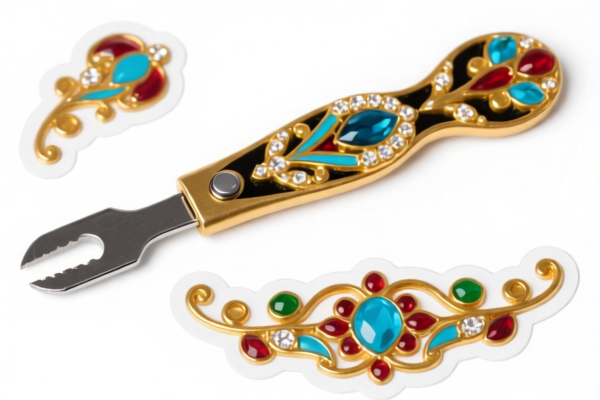
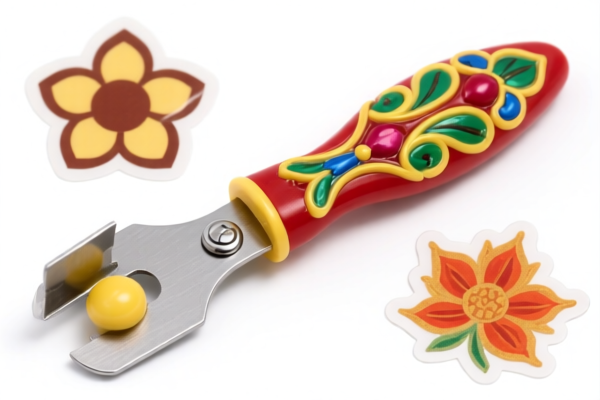

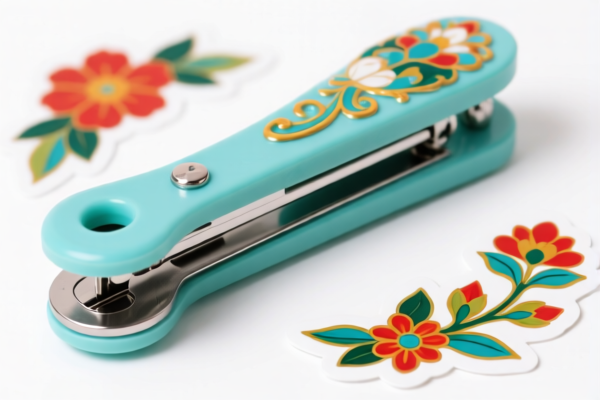
AI Analysis
🧴 Glue Applicator: Precision Tools for Adhesion | 2026 HS Code Classification & Duty Analysis
🌐 HS Code Reference & Customs Clearance Guide | 2026 Latest Tariff Full Analysis | Professional Clearance Strategy
📌 I. Product Definition & Classification: Do You Really Understand "Glue Applicators"?
A Glue Applicator is a broad category of tools used to distribute, spread, or apply adhesives, sealants, or viscous fluids. In international trade, classification depends heavily on the material, mechanism, and specific function of the tool.
1. Plastic/Manual Applicators (e.g., Squeeze Bottles, Wands):
Typically classified under Chapter 39 (Plastics) as general-purpose plastic goods.
2. Mechanical/Electric Applicators (e.g., Caulking Guns, Electric Dispensers):
Classified under Chapter 84 (Machinery) as mechanical appliances or parts thereof.
3. Manual Hand Tools (e.g., Metal Putty Knives, Steel Scrapers):
Classified under Chapter 82 (Base Metal Articles) as hand tools.
⚠️ Key Distinction Point:
- If it’s a simple plastic bottle → Chapter 39;
- If it’s a mechanical device with moving parts/motor → Chapter 84;
- If it’s a metal blade/scraper → Chapter 82.
📦 II. HS Code Classification Details (2026 Latest Tariff Authority Comparison)
Based on the provided data, here are the five most likely HS Code classifications for Glue Applicators, depending on their specific design and material:
| HS Code | Product Description | Scenario | Material/Feature |
|---|---|---|---|
3926.90.99.89 |
Other articles of plastics (Plastic Glue Applicators) | Simple plastic squeeze bottles, plastic wands, plastic spreaders | ✅ Plastic |
8479.82.00.80 |
Mechanical appliances for applying/adhesive/putty (Mechanical Applicators) | Hand-operated mechanical dispensers, non-electric mechanical applicators | ✅ Mechanical Structure |
8205.51.75.00 |
Other hand tools (Metal/Steel Applicators) | Metal putty knives, steel scrapers for glue/putty | ✅ Metal/Steel Hand Tool |
8479.89.65.00 |
Other mechanical appliances with motors (Electric Applicators) | Electric glue guns, motorized dispensing pumps, robotic glue applicators | ✅ Motorized/Electric |
8205.59.55.60 |
Other hand tools (Blade/Scraping Tools) | Steel-blade spreaders, metal spatulas for glue application | ✅ Steel/Blade Hand Tool |
🔍 Critical Reminder:
- Plastic applicators fall under 3926.90.99.89 (low base duty, but subject to 122 Clause).
- Mechanical/Electric applicators fall under 8479 series (higher duties due to Section 301/IEEPA).
- Metal hand tools fall under 8205 series (highest duties due to 25% Section 301 + 10% IEEPA).
💰 III. 2026 Latest Tariff Rate Breakdown (Including Additional Taxes & Policy Surcharges)
✅ Applicable Country: United States (US)
✅ Country of Origin: China (CN)
✅ Effective Date: 2025/2026 (Including subsequent imports)
🎯 1. 3926.90.99.89 —— Plastic Glue Applicators (Plastic Materials)
| Item | Content |
|---|---|
| Base Tariff | 5.3% (ad valorem) |
| Section 301 Additional Tariff | 7.5% |
| 122 Clause Tariff | 10% |
| Total Tariff | 22.8% |
| Tax Calculation | CIF Value × 22.8% |
| De Minimis Eligibility | ❌ Not Eligible (Section 301/122 Clause taxes are not exempt under $800) |
| Legal Basis Path | HTSUS:3926.90.99.89 → Section 301: 7.5% → Section 122: 10% |
📌 Explanation:
- Plastic applicators have the lowest total tariff (22.8%) among the options.
- The 122 Clause (10%) applies to many plastic articles from China.
- Recommendation: If the product is purely plastic and non-motorized, this is the most cost-effective classification.
🎯 2. 8479.82.00.80 —— Mechanical Adhesive/Plaster Application Tools (Non-Motorized)
| Item | Content |
|---|---|
| Base Tariff | 0.0% (ad valorem) |
| Section 301 Additional Tariff | 25.0% |
| 122 Clause Tariff | 10% |
| Total Tariff | 35.0% |
| Tax Calculation | CIF Value × 35.0% |
| De Minimis Eligibility | ❌ Not Eligible |
| Legal Basis Path | HTSUS:8479.82.00.80 → Section 301: 25.0% → Section 122: 10% |
📌 Explanation:
- Although the base duty is 0%, the 25% Section 301 tariff significantly increases the cost.
- Applies to manual mechanical devices (e.g., non-electric caulking guns, mechanical spreaders).
- Risk: High duty burden compared to plastic versions.
🎯 3. 8479.89.65.00 —— Other Mechanical Appliances (Electric/Motorized Glue Applicators)
| Item | Content |
|---|---|
| Base Tariff | 2.8% (ad valorem) |
| Section 301 Additional Tariff | 7.5% |
| 122 Clause Tariff | 10% |
| Total Tariff | 20.3% |
| Tax Calculation | CIF Value × 20.3% |
| De Minimis Eligibility | ❌ Not Eligible |
| Legal Basis Path | HTSUS:8479.89.65.00 → Section 301: 7.5% → Section 122: 10% |
📌 Explanation:
- Surprisingly, this has the LOWEST total tariff (20.3%) among all options!
- Applies to motorized glue guns, electric dispensing pumps, or mechanical devices with self-contained motors.
- Key Insight: If your glue applicator is electric, classify it here for maximum cost savings.
- Requirement: Must have a motor or mechanical power source.
🎯 4. 8205.51.75.00 —— Hand Tools: Other (Metal/Steel Putty Knives/Scrapers)
| Item | Content |
|---|---|
| Base Tariff | 3.7% (ad valorem) |
| Section 301 Additional Tariff | 25.0% |
| 122 Clause Tariff | 10% |
| Total Tariff | 38.7% |
| Tax Calculation | CIF Value × 38.7% |
| De Minimis Eligibility | ❌ Not Eligible |
| Legal Basis Path | HTSUS:8205.51.75.00 → Section 301: 25.0% → Section 122: 10% |
📌 Explanation:
- Applies to metal hand tools like putty knives, steel scrapers, or trowels used for glue.
- High duty due to 25% Section 301.
- Caution: Do not misclassify electric tools as hand tools to avoid penalties.
🎯 5. 8205.59.55.60 —— Other Hand Tools (Blade/Scraping Tools, Steel)
| Item | Content |
|---|---|
| Base Tariff | 5.3% (ad valorem) |
| Section 301 Additional Tariff | 25.0% |
| 122 Clause Tariff | 10% |
| Total Tariff | 40.3% |
| Tax Calculation | CIF Value × 40.3% |
| De Minimis Eligibility | ❌ Not Eligible |
| Legal Basis Path | HTSUS:8205.59.55.60 → Section 301: 25.0% → Section 122: 10% |
📌 Explanation:
- Highest total tariff (40.3%).
- Applies to steel-bladed tools without handles or specialized blade tools.
- Avoid this classification if possible due to high cost.
🛠️ IV. Customs Clearance Practical Advice (Real-World Pitfall Avoidance Guide)
✅ 1. Preparation Checklist (No Exceptions)
| Document | Required | Description |
|---|---|---|
| ✅ Product Specifications | ✔️ | Material (Plastic/Metal/Electric), Function (Manual/Auto), Power Source |
| ✅ Product Photos | ✔️ | Clear images of the entire tool, including any motors, blades, or handles |
| ✅ Commercial Invoice | ✔️ | Must specify "Glue Applicator" + HS Code + Description of mechanism |
| ✅ Structure Diagram | ✔️ | Especially for electric models (to prove motor inclusion for 8479.89.65.00) |
| ✅ Declaration Statement | ✔️ | Confirm no hazardous materials or restricted components |
✅ 2. Declaration Tips (Key Mnemonics)
🔥 "Plastic 39, Electric 8479, Metal 82, Don't Split, Don't Guess!"
| Scenario | Correct Declaration | Error to Avoid |
|---|---|---|
| Plastic Squeeze Bottle | 3926.90.99.89 (22.8%) |
Misclassify as 8479 → 35% |
| Electric Glue Gun | 8479.89.65.00 (20.3%) |
Misclassify as Hand Tool → 38-40% |
| Metal Putty Knife | 8205.51.75.00 (38.7%) |
Misclassify as Plastic → 22.8% (Risk of Penalty) |
| Manual Mechanical Dispenser | 8479.82.00.80 (35.0%) |
Misclassify as Plastic → 22.8% (Risk of Penalty) |
📌 Critical Advice:
- Electric Applicators (8479.89.65.00) have the lowest total duty (20.3%). If your product has a motor, always use this code.
- Plastic Applicators (3926.90.99.89) are the next best option (22.8%).
- Metal Hand Tools (8205series) are the most expensive (38-40%). Only use if the product is strictly a metal blade/tool.
✅ 3. Special Cases Handling
| Scenario | Handling Advice |
|---|---|
| Hybrid Tools (Plastic Handle + Metal Blade) | Classify based on essential character. If blade is primary, use 8205. If handle/plastic body is primary, use 3926. |
| Electric Glue Gun with Plastic Body | Must use 8479.89.65.00 (20.3%), NOT 3926. The motor defines the classification. |
| Disposable Plastic Applicators | Use 3926.90.99.89. Ensure no metal parts are included. |
| Bulk Industrial Glue Dispensers | If larger machinery, consider 8479.89 subcategories. Provide detailed specs. |
🌍 V. Global Market Comparison (2026 Latest)
| Country/Region | Recommended HS Code | Tariff (China Origin) | Certification Requirements | Notes |
|---|---|---|---|---|
| 🇺🇸 USA | 8479.89.65.00 (Electric) |
20.3% | FCC + UL (if electric) | Lowest duty for electric tools |
| 🇺🇸 USA | 3926.90.99.89 (Plastic) |
22.8% | None | Best for simple plastic tools |
| 🇺🇸 USA | 8205.51.75.00 (Metal) |
38.7% | None | High duty, avoid if possible |
| 🇪🇺 EU | 3926.90.99 |
6.5% | CE + RoHS | No Section 301 taxes |
| 🇨🇳 China | 3926.90.99 |
6.5% | CCC | Lower import duties |
📌 Conclusion:
- USA is the most complex market due to Section 301 and 122 Clause tariffs.
- Electric glue applicators (8479.89.65.00) are the most tax-efficient option in the US (20.3%).
- Plastic applicators (3926.90.99.89) are the second-best option (22.8%).
- Metal hand tools should be avoided if possible due to high duties (38-40%).
📌 VI. Common Mistakes & Pitfall Guide (Lessons Learned)
❌ Mistake 1: Classifying an Electric Glue Gun as 3926 (Plastic)
👉 Consequence: Customs will reclassify it as 8479 and assess 20.3%, but if they suspect fraud, penalties apply.
✅ Correction: Always use 8479.89.65.00 for motorized tools.
❌ Mistake 2: Classifying a Metal Putty Knife as 3926 (Plastic)
👉 Consequence: Customs will reject the declaration, demand 8205 (38.7%), and impose penalties.
✅ Correction: Use 8205.51.75.00 for metal tools.
❌ Mistake 3: Not declaring Motor/Electric Features
👉 Consequence: If the tool has a motor but is declared as 3926, customs will audit and reclassify.
✅ Correction: Include "Electric" or "Motorized" in the description.
❌ Mistake 4: Splitting Electric Glue Gun + Power Adapter into separate shipments
👉 Consequence: Increases complexity and potential duty errors.
✅ Correction: Declare as a single unit.
🎯 VII. Conclusion: Precise Classification Saves Money!
🎯 Remember Mnemonics:
🔹 "Electric 20%, Plastic 23%, Metal 39%, Don't Guess, Don't Lose!"
🔹 "HS Code defines cost, 2% difference means thousands in savings!"
📌 Tips:
- If your glue applicator is electric, prioritize 8479.89.65.00 (20.3%).
- If it’s plastic, use 3926.90.99.89 (22.8%).
- Avoid 8205 series unless absolutely necessary (38-40%).
- Apply for Advance Ruling if the product design is complex (e.g., hybrid materials).
📣 Immediate Action:
📞 Contact a professional customs broker + Provide product photos + Apply for HS Code Advance Ruling
🚀 Ensure smooth clearance, minimize costs, and maximize profit!
✨ Professional Clearance, Starts with Precise Classification!
💼 Every cent of your cost deserves precise calculation!
Customer Reviews
About HS Code Classification
The Harmonized System (HS) is an internationally standardized nomenclature developed by the World Customs Organization (WCO) to classify traded products. Over 200 countries use the HS system as the basis for customs tariffs, trade statistics, and import/export regulations.
Each HS code follows a hierarchical structure:
- Chapter (2 digits) — Broad category of goods (e.g., Chapter 84: Machinery and Mechanical Appliances)
- Heading (4 digits) — More specific grouping within the chapter
- Subheading (6 digits) — Internationally standardized breakdown, used by all WCO member countries
- National subdivisions (8-10 digits) — Country-specific extensions for further classification, such as US HTSUS 10-digit codes
Correct HS code classification is essential for smooth customs clearance, accurate duty payment, and compliance with trade regulations. Misclassification can lead to customs delays, overpayment of duties, or penalties.
When importing from CN to US, the applicable tariff rates may include:
- Most-Favored-Nation (MFN) rate — The standard duty rate applied to WTO members
- General rate — Applied to countries without trade agreements
- Trade remedy duties — Additional tariffs such as Section 301 (anti-dumping), Section 232 (national security), or countervailing duties
The information provided on this page is for reference purposes only. For official classification, please consult with your local customs authority or a licensed customs broker.