Glycerol Wastewater Flow Meter
CN → US| HS Code | Tariff Rate | Origin | Destination | Doc |
|---|---|---|---|---|
| 9026102080 | 35.0% | CN | US | Official Doc |
| 9026102040 | 35.0% | CN | US | Official Doc |
Product Images
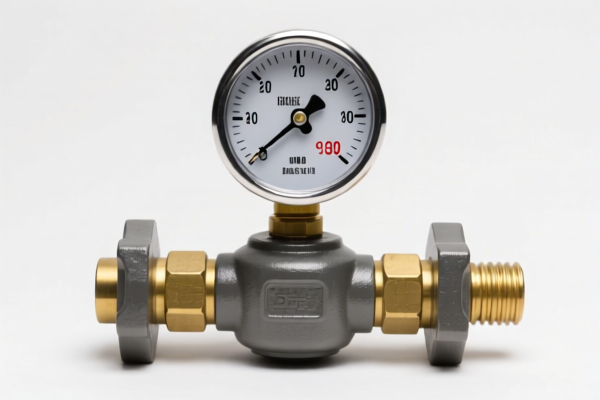
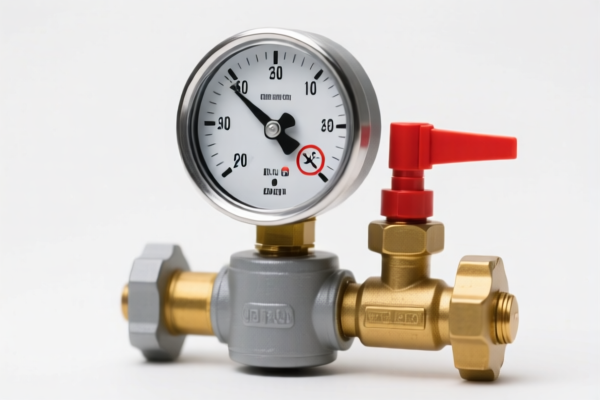
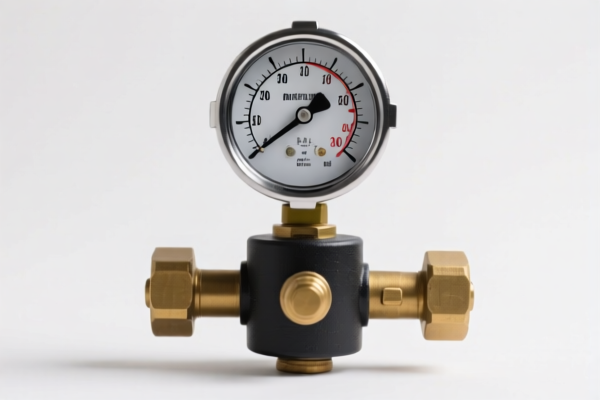
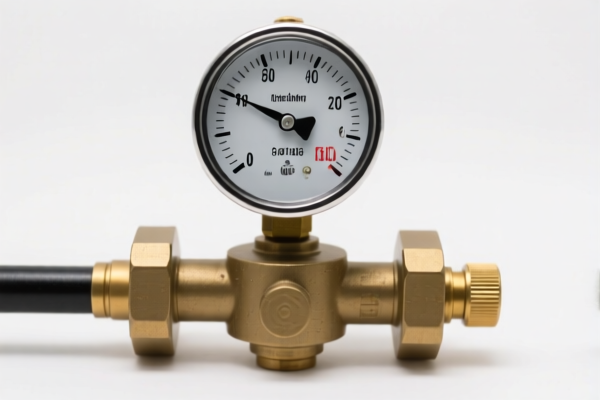
AI Analysis
💧 Glycerol Wastewater Flow Meter (Instrument for Measuring Liquid Flow)
🌐 HS Code Reference & Customs Clearance Guide | 2026 Latest Tariff Analysis | Professional Level Clearance Strategy
📌 1. Product Definition & Classification: Do You Really Understand "Flow Meters"?
Flow Meters, in international trade, are instruments used to measure or check the flow of liquids or gases. For Glycerol Wastewater, the specific classification depends heavily on the working principle and output signal of the meter.
In the provided data, two specific sub-categories under Heading 9026 are identified: * Electrical Flow Meters: Electronic sensors that output electrical signals (4-20mA, Pulse, RS485, etc.). * Other Electrical Instruments: General electrical instruments for measuring/checking flow or level, excluding specific flow meter designs.
⚠️ Key Distinction:
- If the device is a dedicated Flow Meter with electrical output (e.g., Electromagnetic, Ultrasonic, Coriolis, Vortex) → It falls under 9026.10.20.40.
- If the device is an electrical instrument for flow/level but does not fit the strict definition of a dedicated "Flow Meter" or is a generic electrical sensor → It falls under 9026.10.20.80.
- Note on Glycerol: Glycerol is viscous. Electromagnetic flow meters are common. If it’s an electromagnetic flow meter, it is almost certainly an Electrical Flow Meter (9026.10.20.40).
📦 2. HS Code Classification Details (2026 Latest Tariff Authority Comparison)
| HS Code | Product Description | Applicable Scenario | Tax Rate (US/CN) |
|---|---|---|---|
9026.10.20.40 |
Electrical Flow Meters (Specifically for measuring/checking flow or level of liquids) | Electromagnetic flow meters, ultrasonic flow meters, coriolis mass flow meters, vortex flow meters (with electrical output) | 25.0% |
9026.10.20.80 |
Other Electrical Instruments (For measuring/checking flow, level, pressure, etc.) | Generic electrical flow sensors, level gauges with electrical output, non-standard electrical flow devices not classified as "Flow Meters" | 25.0% |
🔍 Important Reminder:
- Both codes listed in the data carry the same total tariff rate of 25.0%.
- However, 9026.10.20.40 is the correct and more specific classification for standard industrial flow meters (like those used for glycerol wastewater).
- 9026.10.20.80 is a "catch-all" for other electrical measuring instruments. Misclassifying a dedicated flow meter here may trigger customs scrutiny, even if the tax is the same.
💰 3. 2026 Latest Tariff Rate Detailed Explanation (Including Additional Taxes)
✅ Applicable Country: United States (US)
✅ Origin: China (CN)
✅ Effective Date: 2025/2026 (Current Trade Relations)
🎯 1. 9026.10.20.40 —— Electrical Flow Meters
| Item | Content |
|---|---|
| Base Tariff | 0.0% (Ad Valorem) |
| Section 301 Additional Tariff | +25.0% |
| Total Tariff | 25.0% |
| Tax Calculation | CIF Value × 25% |
| De Minimis Exemption | ❌ Not Eligible (Deny de minimis for Section 301 goods) |
| Legal Basis | USITC Heading 9026 → Section 301 Footnote |
📌 Explanation:
- The Base Tariff for flow meters (9026) is generally 0% under normal MFN treatment.
- The 25% additional tariff is imposed under Section 301 of the Trade Act of 1974, targeting specific Chinese-origin goods, including instruments and apparatus.
- Total Cost Impact: For a $10,000 shipment, the duty payable is $2,500.
🎯 2. 9026.10.20.80 —— Other Electrical Instruments
| Item | Content |
|---|---|
| Base Tariff | 0.0% |
| Section 301 Additional Tariff | +25.0% |
| Total Tariff | 25.0% |
| Tax Calculation | CIF Value × 25% |
| De Minimis Exemption | ❌ Not Eligible |
📌 Note:
- Even if the instrument is classified as "Other," the tariff burden is identical.
- However, customs may reject the "Other" classification if the device clearly meets the definition of a "Flow Meter," leading to delays or audits.
🛠️ 4. Customs Clearance Practical Advice (Real-World Pitfall Avoidance)
✅ 1. Required Documentation List (Non-Negotiable)
| Document | Required | Description |
|---|---|---|
| ✅ Product Specifications | ✔️ | Must clearly state: Type (e.g., Electromagnetic), Material (SS316L for glycerol), Range, Accuracy. |
| ✅ Technical Diagram | ✔️ | Show piping connections, electrical output type (4-20mA, HART, etc.). |
| ✅ Product Photos | ✔️ | Clear view of nameplate, model number, and brand. |
| ✅ Commercial Invoice | ✔️ | Must specify: "Electrical Flow Meter for Glycerol Wastewater Measurement" |
| ✅ Packing List | ✔️ | Include accessories (e.g., electrodes, converters, flanges). |
| ✅ Certificate of Origin (CO) | ✔️ | To prove Chinese origin (triggering the 25% tariff). |
✅ 2. Declaration Tips (Key Mnemonics)
🔥 "Specify Type, Not Just 'Meter'"
| Scenario | Correct Declaration | Wrong Practice |
|---|---|---|
| Standard Flow Meter | "Electrical Flow Meter, Electromagnetic Type, Model XYZ" | "Liquid Flow Sensor" (Vague) |
| With Converter | "Flow Meter with Remote Converter, 4-20mA Output" | "Industrial Instrument" |
| Glycerol Specific | "Coriolis Mass Flow Meter for Viscous Fluids" | "Water Meter" (Misleading) |
✅ 3. Special Handling for Glycerol Wastewater
| Issue | Handling Advice |
|---|---|
| Viscosity | Glycerol is viscous. Ensure the HS code reflects a meter suitable for viscous fluids (e.g., Coriolis or Electromagnetic). |
| Material | If the meter body is made of specialized alloys, include this in the description to justify the value and classification. |
| Software | If the meter includes embedded software for flow calculation, declare it as part of the instrument, not separately. |
🌍 5. Global Market Customs Comparison (2026 Latest)
| Country/Region | Recommended HS Code | Tariff (CN Origin) | Certification Required | Notes |
|---|---|---|---|---|
| 🇺🇸 USA | 9026.10.20.40 |
25% | No specific (but NTEC may apply) | High tariff due to Section 301 |
| 🇨🇳 China | 9026.10.20.40 |
0% | CCC (if applicable) | No additional tariffs for domestic import |
| 🇪🇺 EU | 9026.10.20 |
0% | CE Marking | No additional tariffs |
| 🇬🇧 UK | 9026.10.20 |
0% | UKCA Marking | Post-Brexit alignment with EU rates |
| 🇦🇺 Australia | 9026.10.20 |
5% | RCM | No additional tariffs |
📌 Conclusion:
- The USA is the only major market imposing a 25% additional tariff on these instruments from China.
- EU, UK, and Australia offer favorable or zero tariffs, making them more cost-effective destinations for Chinese-manufactured flow meters.
📌 6. Common Errors & Pitfall Guide (Lessons Learned)
❌ Error 1: Declaring as "Water Meter"
👉 Consequence: Misclassification under Chapter 9026 vs. 9028. May lead to penalties or higher duties if misinterpreted.
👉 Fix: Use "Flow Meter for Industrial Liquids."
❌ Error 2: Not specifying "Electrical"
👉 Consequence: Customs may classify as mechanical (lower duty) and audit later, leading to back taxes.
👉 Fix: Always specify "Electrical Output" or "Electronic Flow Meter."
❌ Error 3: Ignoring Section 301
👉 Consequence: Underestimating total landed cost by 25%.
👉 Fix: Include 25% tariff in all US-bound cost calculations.
✅ Correct Declaration Example:
"Electromagnetic Flow Meter, Electrical Type, for Glycerol Wastewater Measurement, Model XY-100, 4-20mA Output, SS316L Body, Made in China"
🎯 7. Conclusion: Precise Classification Saves Money!
🎯 Remember:
🔹 "Flow Meter is 9026.40, Others are 9026.80"
🔹 "USA Tariff is 25%, Don't Forget It!"
🔹 "Be Specific: Electrical, Type, and Application"
📌 Tips:
- If the flow meter is exported to non-US markets, leverage the 0% or low tariff advantages in EU/Asia.
- For US imports, consider supply chain diversification (e.g., manufacturing in Southeast Asia) to avoid the 25% Section 301 tariff.
- Always apply for an Advance Ruling from US Customs (CBP) if the product is complex.
📣 Immediate Action:
📞 Consult a licensed customs broker.
📄 Prepare detailed technical specs.
🚀 Ensure accurate HS Code declaration to avoid delays and penalties.
✨ Professional Customs Clearance Starts with Accurate Classification!
💼 Every Percent Counts in Global Trade!
Customer Reviews
About HS Code Classification
The Harmonized System (HS) is an internationally standardized nomenclature developed by the World Customs Organization (WCO) to classify traded products. Over 200 countries use the HS system as the basis for customs tariffs, trade statistics, and import/export regulations.
Each HS code follows a hierarchical structure:
- Chapter (2 digits) — Broad category of goods (e.g., Chapter 84: Machinery and Mechanical Appliances)
- Heading (4 digits) — More specific grouping within the chapter
- Subheading (6 digits) — Internationally standardized breakdown, used by all WCO member countries
- National subdivisions (8-10 digits) — Country-specific extensions for further classification, such as US HTSUS 10-digit codes
Correct HS code classification is essential for smooth customs clearance, accurate duty payment, and compliance with trade regulations. Misclassification can lead to customs delays, overpayment of duties, or penalties.
When importing from CN to US, the applicable tariff rates may include:
- Most-Favored-Nation (MFN) rate — The standard duty rate applied to WTO members
- General rate — Applied to countries without trade agreements
- Trade remedy duties — Additional tariffs such as Section 301 (anti-dumping), Section 232 (national security), or countervailing duties
The information provided on this page is for reference purposes only. For official classification, please consult with your local customs authority or a licensed customs broker.