Goat or Sheep Leather for Clothing
CN → US| HS Code | Tariff Rate | Origin | Destination | Doc |
|---|---|---|---|---|
| 4203104030 | 41.0% | CN | US | Official Doc |
| 4203104060 | 41.0% | CN | US | Official Doc |
Product Images
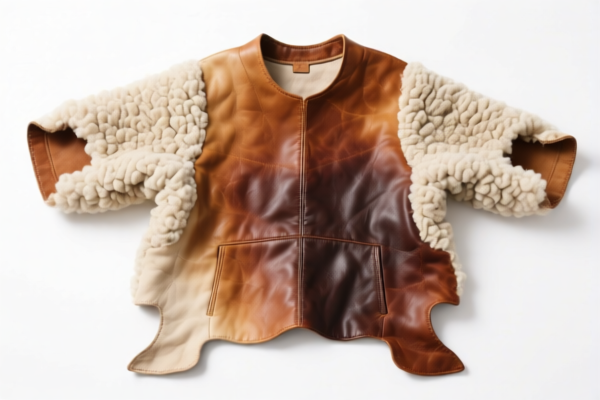
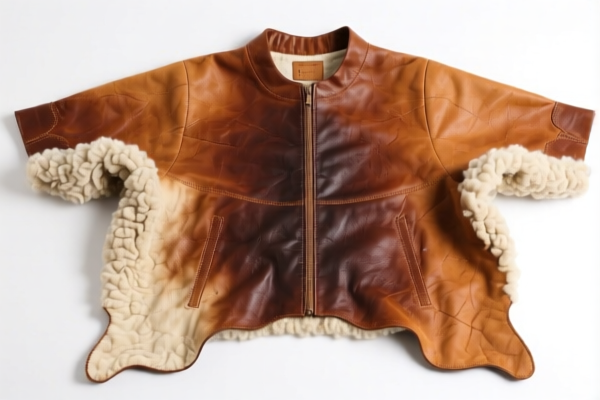
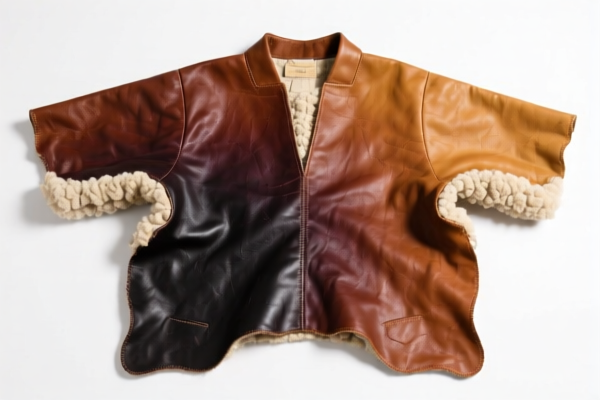
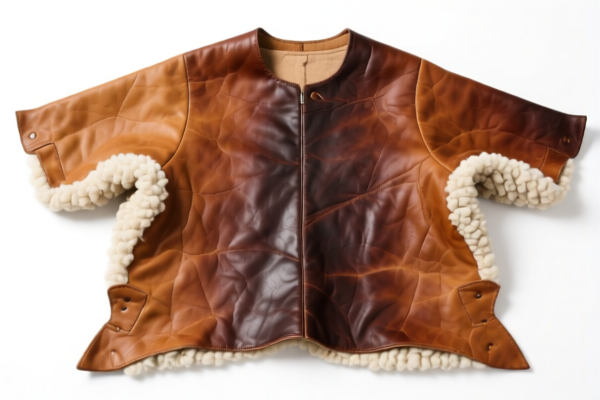
AI Analysis
👞 Goat & Sheep Leather for Clothing & Accessories
🌐 HS Code Reference & Customs Clearance Guide | 2026 Latest Tariff Analysis | Professional Clearance Strategy
📌 Part I: Product Definition & Classification: Do You Truly Understand "Leather"?
Goat and Sheep leather is a versatile material widely used in the fashion industry, particularly for footwear (shoes) and handbags/accessories. In international trade, it is strictly classified based on its specific application and treatment status.
Goat/Sheepskin for Footwear: Unprocessed raw hides/skins specifically intended for making shoes.
Processed Sheep/Goat Skin for Bags: Tanned or further processed leather, specifically used for bags or other leather goods.
⚠️ Key Distinction:
- If the product is raw/unprocessed (untanned) and specifically identified for footwear → Classified under 4103.90.11.40 / 4103.90.12.00
- If the product is processed/tanned and identified for bags/accessories → Classified under 4205.00.80.00 / 4205.00.60.00
📦 Part II: HS Code Classification Details (2026 Latest Tariff Authority Comparison)
| HS Code | Product Description | Application Scenario | Processing Status |
|---|---|---|---|
4103.90.11.40 |
Goat or sheepskin for footwear, material match, unprocessed raw hides | Raw goat/sheep skins specifically for shoe manufacturing | ❌ Untanned |
4103.90.12.00 |
Goat or sheepskin for footwear, material & usage features consistent | Raw goat/sheep skins with clear footwear intent | ❌ Untanned |
4205.00.80.00 |
Hairless processed sheep/lamb skin for bags, material is leather, classified as other leather goods | Tanned/processed leather for handbags, wallets | ✅ Processed |
4205.00.60.00 |
Hairless processed sheep/lamb skin for bags, material match & usage fits leather goods category | Tanned/processed leather for accessories | ✅ Processed |
🔍 Important Reminder:
- Raw vs. Processed: Raw hides (untanned) are classified under Chapter 41 (Animal Skins). Processed leather (tanned) used for finished goods or semi-finished goods like bag parts falls under Chapter 42. - Specific Use: Customs will scrutinize whether the leather is specifically designated for footwear (Ch 41) or for bags/accessories (Ch 42). Misclassification leads to significant tariff differences.
💰 Part III: 2026 Latest Tariff Rate Details (Including Surtaxes, Policy Add-ons)
✅ Applicable Country: United States (US)
✅ Origin: China (CN)
✅ Effective Date: Current rates apply for imports from China.
🎯 1. 4103.90.11.40 & 4103.90.12.00 —— Goat/Sheepskin for Footwear (Raw/Untanned)
| Item | Content |
|---|---|
| Base Duty Rate | 0.0% (ad valorem) |
| Section 301 Surtax | +7.5% (Additional duty under Section 301) |
| Section 122 Tariff | +10% (Specific additional tariff under Section 122) |
| Total Duty Rate | 17.5% |
| Tax Calculation | CIF Value × 17.5% |
| De Minimis Exemption | ❌ Not Eligible (High risk of denial due to surtaxes) |
| Legal Basis Path | Section 301 + Section 122 → USITC:4103.90.11.40 / 4103.90.12.00 |
📌 Explanation:
- The base tariff is 0%, which might seem attractive. - However, the Section 301 surtax (7.5%) and Section 122 tariff (10%) combine to create a 17.5% effective duty. - Total Cost Impact: While lower than processed leather, this is still a significant cost for raw material imports.
🎯 2. 4205.00.80.00 —— Processed Sheep/Goat Skin for Bags (Other Leather Goods)
| Item | Content |
|---|---|
| Base Duty Rate | 0.0% (ad valorem) |
| Section 301 Surtax | +25.0% (Higher additional duty under Section 301) |
| Section 122 Tariff | +10% (Specific additional tariff under Section 122) |
| Total Duty Rate | 35.0% |
| Tax Calculation | CIF Value × 35.0% |
| De Minimis Exemption | ❌ Not Eligible |
| Legal Basis Path | Section 301 + Section 122 → USITC:4205.00.80.00 |
📌 Explanation:
- Base tariff is 0%, but the Section 301 surtax jumps to 25% for processed leather goods. - Combined with Section 122 (10%), the total duty is 35%. - High Duty Alert: This is a significantly higher burden than raw hides. Proper documentation is critical to justify the classification and avoid misclassification penalties.
🎯 3. 4205.00.60.00 —— Processed Sheep/Goat Skin for Bags (Other Leather Goods)
| Item | Content |
|---|---|
| Base Duty Rate | 4.9% (ad valorem) |
| Section 301 Surtax | +25.0% |
| Section 122 Tariff | +10% |
| Total Duty Rate | 39.9% |
| Tax Calculation | CIF Value × 39.9% |
| De Minimis Exemption | ❌ Not Eligible |
| Legal Basis Path | Section 301 + Section 122 → USITC:4205.00.60.00 |
📌 Explanation:
- This classification has a non-zero base duty (4.9%). - With Section 301 (25%) and Section 122 (10%), the total duty reaches 39.9%. - Highest Duty Risk: This is the most expensive classification among the four. Ensure that the product description and usage clearly support this code to avoid further penalties.
🛠️ Part IV: Customs Clearance Practical Advice (Combat Pitfalls Guide)
✅ 1. Required Documentation Checklist (None Can Be Missing)
| Document | Mandatory | Explanation |
|---|---|---|
| ✅ Product Specification Sheet | ✔️ | Must detail type of leather (goat/sheep), processing status (raw/processed), and intended use (footwear/bags). |
| ✅ Material Composition Report | ✔️ | Third-party test report confirming animal origin and treatment process. |
| ✅ Product Photos | ✔️ | Clear images showing texture, edges, and any branding/markings. |
| ✅ Commercial Invoice | ✔️ | Must explicitly state "Goat/Sheepskin for Footwear" or "Processed Leather for Bags". Avoid vague terms like "Leather". |
| ✅ Packing List | ✔️ | Show unit consistency and weight to verify bulk nature. |
| ✅ Usage Declaration | ✔️ | Letter from buyer confirming end-use (e.g., "Solely for shoe manufacturing"). |
✅ 2. Declaration Techniques (Key Mantra)
🔥 "Raw for Shoes, Tanned for Bags, Name Specific, Duty Saves Half!"
| Scenario | Correct Declaration | Incorrect Practice |
|---|---|---|
| Raw Goat/Sheep Skins | 4103.90.11.40 or 4103.90.12.00 |
Misdeclare as processed leather → 35-39.9% |
| Processed Leather for Bags | 4205.00.80.00 or 4205.00.60.00 |
Misdeclare as raw hides → 17.5% (Penalty for false declaration) |
| Mixed Batch (Raw + Processed) | Split Declaration | Combined declaration → Risk of detention & audit |
| Unclear End-Use | Provide Letter of Intent from buyer | Vague "General Use" → Customs assigns highest duty |
✅ 3. Special Situation Handling
| Situation | Handling Advice |
|---|---|
| OEM Custom Leather | Provide buyer’s design specs and material requirements. Avoid being labeled as "generic commodity." |
| Leather with Hair On | If hair is retained, it may fall under different codes. Ensure it matches "hairless/processed" if declaring under 4205. |
| Leather for Non-Bag/Footwear Items | If used for belts, gloves, etc., ensure the HS code reflects the specific accessory. 4205 is for "other leather articles." |
| Origin Marking | Ensure all packages are marked "Made in China" to trigger correct surtaxes. Failure to mark may lead to penalties. |
🌍 Part V: Global Market Comparison (2026 Latest)
| Country/Region | Recommended HS Code | Duty Rate (China Origin) | Certification Requirements | Notes |
|---|---|---|---|---|
| 🇺🇸 USA | 4103.90.11.40 (Footwear Raw) |
17.5% | None specific for raw hides | 4205 codes face 35-39.9% |
| 🇺🇸 USA | 4205.00.80.00 (Bags Processed) |
35.0% | None | High duty due to Surtax |
| 🇨🇳 China | 4103.90.11.40 |
0% - 10% | None | Varies by specific type |
| 🇪🇺 EU | 4103.90.11 |
Varies (0-10%) | REACH Compliance | No Section 301/122 surtaxes |
| 🇬🇧 UK | 4103.90.11 |
Varies | UKCA Compliance | Post-Brexit rules apply |
📌 Conclusion:
- The US market imposes heavy surtaxes (Section 301 & 122) on Chinese leather goods. - Raw hides for footwear (17.5%) are significantly cheaper than processed leather for bags (35-39.9%). - EU and UK do not apply Section 301 or 122 surtaxes, making them more cost-effective for Chinese leather imports if logistics allow.
📌 Part VI: Common Mistakes & Pitfall Guide (Lessons Learned)
❌ Mistake 1: Declaring "Processed Leather" as "Raw Hides"
👉 Consequence: Customs audit reveals tanning chemicals → Back taxes + Fines
❌ Mistake 2: Using "General Leather" in the invoice
👉 Consequence: Customs assigns highest applicable duty (39.9%) → Cost overrun
❌ Mistake 3: Ignoring Section 122 Tariff
👉 Consequence: Underpayment of 10% additional duty → Penalty + Interest
❌ Mistake 4: Combining Raw and Processed Leather in One Shipment
👉 Consequence: Customs requires separate entries → Delay in clearance
✅ Correct Practice:
"Goat Skin, Raw, Un-tanned, 20-25 sq ft, for Footwear Manufacturing, HS 4103.90.11.40, Origin: China"
OR
"Processed Sheepskin, Hairless, Tanned, for Handbag Lining, HS 4205.00.80.00, Origin: China"
🎯 Part VII: Conclusion: Professional Declaration, Save Time & Cost!
🎯 Remember the Mantra:
🔹 "Raw for Shoes (17.5%), Processed for Bags (35-39.9%), Name Specific, Duty Predictable!"
🔹 "HS Code Dictates Cost, Surtax Adds 30%, Declaration Precision Saves Thousands!"
📌 Pro Tip:
If your leather products are originally from Vietnam, Mexico, or Thailand, you may apply for Section 301 Exclusions or lower duties.
Recommend Applying for an Advance Ruling from CBP to confirm HS Code and duty liability before shipment.
📣 Immediate Action:
📞 Contact Professional Customs Broker + Provide Product Photos + Request HS Code Pre-Ruling
🚀 Let your leather products Clear Smoothly, Export Efficiently, Maximize Profits!
✨ Professional Customs Clearance Starts with Accurate Classification!
💼 Every Penny of Cost Deserves Precise Calculation!
Customer Reviews
About HS Code Classification
The Harmonized System (HS) is an internationally standardized nomenclature developed by the World Customs Organization (WCO) to classify traded products. Over 200 countries use the HS system as the basis for customs tariffs, trade statistics, and import/export regulations.
Each HS code follows a hierarchical structure:
- Chapter (2 digits) — Broad category of goods (e.g., Chapter 84: Machinery and Mechanical Appliances)
- Heading (4 digits) — More specific grouping within the chapter
- Subheading (6 digits) — Internationally standardized breakdown, used by all WCO member countries
- National subdivisions (8-10 digits) — Country-specific extensions for further classification, such as US HTSUS 10-digit codes
Correct HS code classification is essential for smooth customs clearance, accurate duty payment, and compliance with trade regulations. Misclassification can lead to customs delays, overpayment of duties, or penalties.
When importing from CN to US, the applicable tariff rates may include:
- Most-Favored-Nation (MFN) rate — The standard duty rate applied to WTO members
- General rate — Applied to countries without trade agreements
- Trade remedy duties — Additional tariffs such as Section 301 (anti-dumping), Section 232 (national security), or countervailing duties
The information provided on this page is for reference purposes only. For official classification, please consult with your local customs authority or a licensed customs broker.