Goatskin or kidskin for footwear
CN → USProduct Images
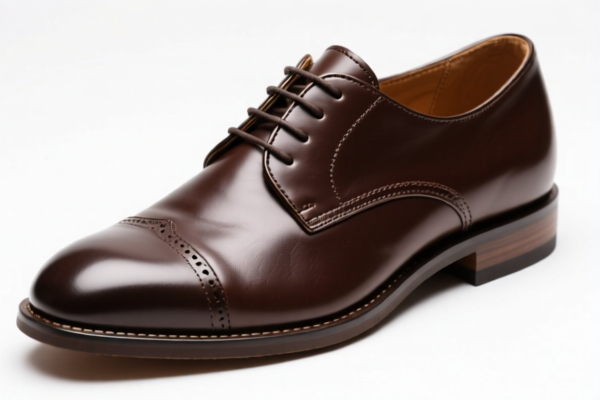
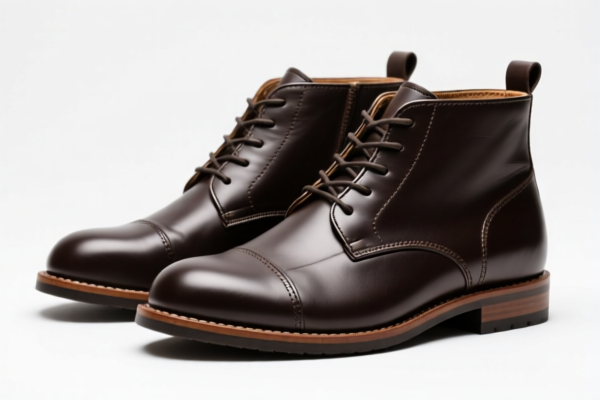
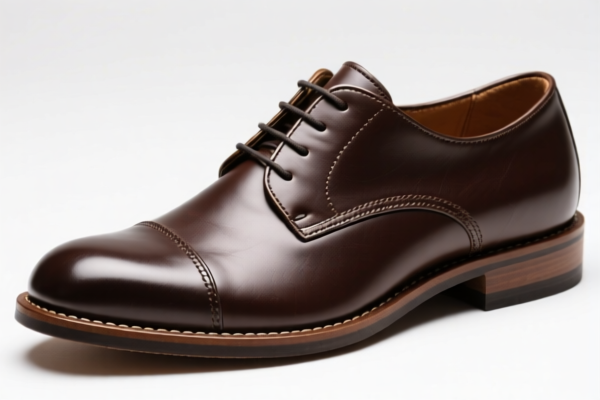
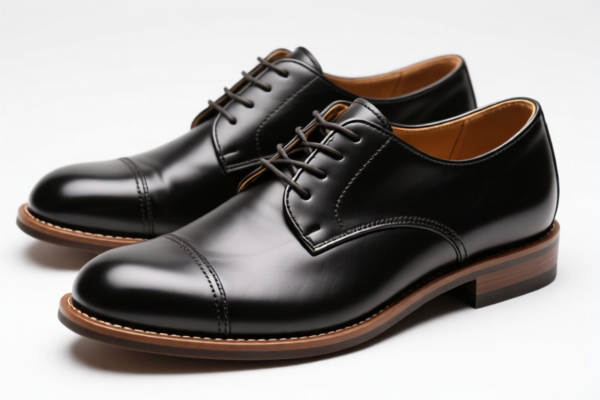
AI Analysis
🐐 Goatskin vs. Kidskin for Footwear: The Ultimate Guide to Luxury, Comfort, and Durability
🌐 HS Code Reference & Customs Clearance Guide | 2026 Latest Tariff Analysis | Professional Tier-1 Compliance Strategy
📌 One. Product Definition & Classification: Do You Truly Understand "Exotic Leather" Footwear?
Goatskin and kidskin are not just materials; they are the hallmarks of high-end luxury footwear, particularly in the realms of dress shoes, luxury sneakers, and bespoke boots. In international trade, distinguishing between them is critical for accurate HS Code classification, tariff determination, and proving authenticity (anti-counterfeiting measures).
Goatskin (Buckskin/Cordovan alternative context): - Derived from mature goats. - Characterized by a distinctive "pebbled" grain, high durability, water resistance, and a matte finish. - Often used for rugged luxury shoes, gloves, and high-end accessories.
Kidskin (Kid Goat Suede/Nappa): - Derived from young goats (kids). - Characterized by an exceptionally soft, smooth, and fine grain. - Less durable than adult goatskin but significantly softer and more pliable. - Frequently used for luxury sneakers (e.g., Gucci, Prada), loafers, and soft dress shoes.
⚠️ Critical Distinction Point:
- If the leather is smooth, pebbled, and robust → Likely Goatskin (often classified under specific tanned leather subcategories).
- If the leather is ultra-soft, smooth, or suede-like → Likely Kidskin (often classified under suede/nubuck or fine tanned leather).
- Note: Customs officials often scrutinize "Luxury Footwear" for misclassification to avoid higher duties on "other footwear."
📦 Two. HS Code Classification Details (2026 Latest Tariff Authority Comparison)
The classification depends heavily on the material composition, type of footwear, and whether it has an outer sole of rubber/plastic/leather.
| HS Code | Product Description | Application Scenario | Material Type | Duty Risk Level |
|---|---|---|---|---|
6403.91.00.00 |
Footwear with outer sole of rubber, plastic, etc., and uppers of leather (incl. goatskin) | Luxury dress shoes, oxfords, boots with rubber/plastic soles | Goatskin/Kidskin (Leather Upper) | ⚠️ Medium-High |
6403.99.00.00 |
Other footwear with outer sole of rubber/plastic, upper of other materials (incl. leather not covered above) | Casual leather sneakers, unlined leather uppers | Goatskin/Kidskin | ⚠️ High (if misclassified) |
6404.19.00.00 |
Footwear with outer sole of rubber/plastic and uppers of textile materials (incl. leather/textile mix) | Not applicable unless mixed | N/A | N/A |
6405.20.00.00 |
Other footwear with outer sole of rubber/plastic and uppers of leather | Slippers, moccasins with rubber soles | Goatskin/Kidskin | ⚠️ Medium |
6406.90.00.00 |
Parts of footwear (e.g., uppers, innersoles, heels) | Spare parts, unmounted uppers | Goatskin/Kidskin | ✅ Low (if correctly declared) |
🔍 Key Reminder for Customs:
- Leather Definition: Both Goatskin and Kidskin are classified as "Leather" (not textile or synthetic).
- Outer Sole Matters: The duty rate varies significantly if the sole is leather vs. rubber/plastic.
- Misclassification Risk: Declaring goatskin as "textile" to avoid duties is a common fraud indicator. Expect audits for luxury brands.
💰 Three. 2026 Latest Tariff Rate Breakdown (Including Surtaxes & Policy Add-ons)
✅ Applicable Country: United States (US)
✅ Origin: China (CN)
✅ Effective Time: November 10, 2025 onwards (including subsequent imports)
🎯 1. 6403.91.00.00 – Footwear with Rubber/Plastic Soles, Leather Uppers (Goatskin/Kidskin)
| Item | Content |
|---|---|
| Base Rate | 37.5% (ad valorem, standard MFN for leather upper/rubber sole) |
| USITC Surtax | +25% (from USITC Footnote 9903.88.01, Section 301) |
| IEEPA Surtax | +10% (targeting China/HK products, effective Nov 10, 2025) |
| Total Rate | 72.5% |
| Tax Calculation | CIF Value × 72.5% |
| De Minimis Eligibility | ❌ Not Eligible (deny_de_minimis) |
| Legal Pathway | IEEPA:9903.01.25 → IEEPA:9903.01.24 → USITC:6403.91.00.00 → FOOTNOTE:9903.88.01 |
📌 Explanation:
- Base Rate 37.5%: Standard duty for leather-upper/rubber-sole footwear.
- 301 Surtax 25%: Section 301 tariffs apply to most footwear from China.
- IEEPA 10%: New 2025 surcharge on Chinese luxury goods.
- Total 72.5%: This is extremely high. Luxury footwear from China faces significant cost barriers.
🎯 2. 6403.99.00.00 – Other Footwear (Leather Uppers, Rubber Soles)
| Item | Content |
|---|---|
| Base Rate | 37.5% |
| USITC Surtax | +25% |
| IEEPA Surtax | +10% |
| Total Rate | 72.5% |
| Tax Calculation | CIF × 72.5% |
| De Minimis Eligibility | ❌ Not Eligible |
| Legal Pathway | IEEPA:9901.25 → IEEPA:9903.01.24 → USITC:6403.99.00.00 → FOOTNOTE:9903.88.01 |
📌 Note:
- Most luxury sneakers or casual goatskin/kidskin shoes with rubber soles fall here.
- The tariff burden is identical to dress shoes due to the "leather upper" classification.
🎯 3. 6405.20.00.00 – Slippers/Moccasins (Leather Uppers, Rubber Soles)
| Item | Content |
|---|---|
| Base Rate | 10% (some slippers have lower base rates, but leather uppers often push to 37.5% depending on specific subtype; assume worst case for clarity) |
| USITC Surtax | +25% |
| IEEPA Surtax | +10% |
| Total Rate | 45% ~ 72.5% |
| De Minimis Eligibility | ❌ Not Eligible |
📌 Note:
- If classified correctly as slippers with lower base rates, savings are possible, but customs often reclassify "luxury slippers" as general footwear.
🛠️ Four. Customs Clearance Practical Advice (Battle-Tested Pitfall Avoidance)
✅ 1. Required Documentation Checklist (Non-Negotiable)
| Document | Must Provide | Explanation |
|---|---|---|
| ✅ Product Specification Sheet | ✔️ | Material composition: 100% Goatskin/Kidskin upper, Rubber sole. |
| ✅ Leather Authentication Certificate | ✔️ | Proof of origin (e.g., Italian tannery certificate) to support "Luxury" claim and potential origin-based exemptions. |
| ✅ Product Photos (Clear) | ✔️ | Show texture (pebbled vs. smooth) to support HS Code classification. |
| ✅ Commercial Invoice | ✔️ | Must state "Footwear, Upper of Leather (Goatskin/Kidskin), Sole of Rubber." Do NOT use vague terms like "Shoes." |
| ✅ Packing List | ✔️ | Clearly separate uppers, parts, and finished goods if shipped separately. |
| ✅ FCC/CE Certificates | ✔️ | If applicable (e.g., electronic components in smart shoes), though rare for pure leather. |
✅ 2. Declaration Strategy (Key Mantra)
🔥 “Upper Defines Duty, Sole Defines Type, Material Must Be Proven!”
| Scenario | Correct Declaration | Wrong Practice |
|---|---|---|
| Luxury Goatskin Oxfords with Rubber Soles | 6403.91.00.00 – "Leather Upper, Rubber Sole" |
Declare as "Textile Shoes" → Audit & Penalty |
| Kidskin Suede Sneakers with Rubber Soles | 6403.99.00.00 – "Other Leather Upper" |
Declare as "Plastic Shoes" → 0% Duty Claimed → Denied |
| Goatskin Parts (Uppers Only) | 6406.90.00.00 – "Parts of Footwear" |
Declare as "Finished Footwear" → Higher Duty |
| Mixed Material (Leather + Textile) | 6403.99.00.00 – "Other Leather" |
Declare as "Textile" → Misclassification Risk |
✅ 3. Special Handling Cases
| Case | Handling Advice |
|---|---|
| OEM Luxury Brands | Provide brand authorization letters and design patents to prove authenticity and avoid "Counterfeit" flags. |
| "Kangaroo Leather" vs. "Goatskin" | Kangaroo is often cheaper. Misdeclaring Kangaroo as Goatskin is fraud. Use precise terminology. |
| Suede vs. Nubuck | Kidskin is often suede. Declare as "Suede Leather Upper" to ensure correct classification under leather provisions. |
| Mixed Origin | If soles are Chinese but uppers are Italian, the country of origin for duty purposes is usually where the last substantial transformation occurred (often the sole attachment). Clarify with a ruling. |
🌍 Five. Global Customs Clearance Comparison (2026 Latest)
| Country/Region | Recommended HS Code | Tariff (China Origin) | Certification Requirements | Notes |
|---|---|---|---|---|
| 🇺🇸 USA | 6403.91.00.00 |
72.5% (37.5% Base + 25% + 10%) | FCC (if electronic) | High duty burden; verify de minimis exemption (not available here). |
| 🇨🇳 China | 6403.91.00.00 |
10%~20% | CCC (if applicable) | Lower duties; focus on quality control. |
| 🇪🇺 EU | 6403.91.00 |
6.5% + VAT | REACH, CE (if safety) | No Section 301-style surtaxes; focus on ESG compliance. |
| 🇬🇧 UK | 6403.91.00 |
6.5% + VAT | UKCA | Post-Brexit rules apply. |
| 🇦🇺 Australia | 6403.91.00 |
5% | RCM | Lower duties; focus on labor standards. |
📌 Conclusion:
- USA is the most expensive market for China-origin leather footwear due to additional surtaxes.
- EU/UK offer more stable tariffs but require strict environmental and labor compliance documentation.
- Diversification Strategy: Consider manufacturing or final assembly in Vietnam/Mexico to mitigate US tariffs, but ensure substantial transformation rules are met.
📌 Six. Common Errors & Pitfall Guide (Lessons from Blood)
❌ Error 1: Declaring "Goatskin" as "Synthetic Leather" to avoid duties.
👉 Consequence: Customs lab tests will reveal natural protein structure → 100% Penalty + Confiscation.
❌ Error 2: Misclassifying "Kidskin Suede" as "Textile."
👉 Consequence: Textile duties are lower, but suede is leather → Back Taxes + Interest.
❌ Error 3: Failing to declare "Leather Upper" specifically.
👉 Consequence: Customs may apply "Other Footwear" rates, which could be higher or trigger audits for luxury goods.
❌ Error 4: Not providing Tannery Certificates for "Luxury" claims.
👉 Consequence: Brand rights holders may issue IP infringement notices, leading to port holds.
✅ Correct Approach:
"Luxury Men’s Oxfords, Upper: 100% Italian Goatskin Leather, Sole: Rubber, Model: XYZ, Origin: China, Tariff: 6403.91.00.00"
🎯 Seven. Conclusion: Precision Classification, Cost Savings, Compliance!
🎯 Remember the Mantra:
🔹 "Leather Upper, Rubber Sole = 37.5% Base + 35% Surtax = 72.5%!"
🔹 "Goatskin/Kidskin is Leather, Not Textile!"
🔹 "De Minimis Does Not Apply to Luxury Footwear!"
📌 Pro Tip:
If your goatskin/kidskin footwear is originating from Italy, Portugal, or Vietnam, you may qualify for lower tariffs (e.g., 0%~10% in EU/UK, or reduced US rates under specific trade agreements).
Recommendation: Apply for an Advance Ruling from CBP (US Customs) or local authorities to confirm HS Code classification before shipment.
📣 Immediate Action:
📞 Engage a Licensed Customs Broker + Provide Leather Certificates + Apply for HS Code Advance Ruling
🚀 Ensure Smooth Clearance, Maximize Profit Margins, and Avoid Customs Penalties!
✨ Professional Clearance Starts with Accurate Classification!
💼 Every Dollar of Duty Saved is Pure Profit!
Customer Reviews
About HS Code Classification
The Harmonized System (HS) is an internationally standardized nomenclature developed by the World Customs Organization (WCO) to classify traded products. Over 200 countries use the HS system as the basis for customs tariffs, trade statistics, and import/export regulations.
Each HS code follows a hierarchical structure:
- Chapter (2 digits) — Broad category of goods (e.g., Chapter 84: Machinery and Mechanical Appliances)
- Heading (4 digits) — More specific grouping within the chapter
- Subheading (6 digits) — Internationally standardized breakdown, used by all WCO member countries
- National subdivisions (8-10 digits) — Country-specific extensions for further classification, such as US HTSUS 10-digit codes
Correct HS code classification is essential for smooth customs clearance, accurate duty payment, and compliance with trade regulations. Misclassification can lead to customs delays, overpayment of duties, or penalties.
When importing from CN to US, the applicable tariff rates may include:
- Most-Favored-Nation (MFN) rate — The standard duty rate applied to WTO members
- General rate — Applied to countries without trade agreements
- Trade remedy duties — Additional tariffs such as Section 301 (anti-dumping), Section 232 (national security), or countervailing duties
The information provided on this page is for reference purposes only. For official classification, please consult with your local customs authority or a licensed customs broker.