Gold Tassel Lace
CN → US| HS Code | Tariff Rate | Origin | Destination | Doc |
|---|---|---|---|---|
| 5806321095 | 41.0% | CN | US | Official Doc |
| 5806393010 | 35.0% | CN | US | Official Doc |
Product Images
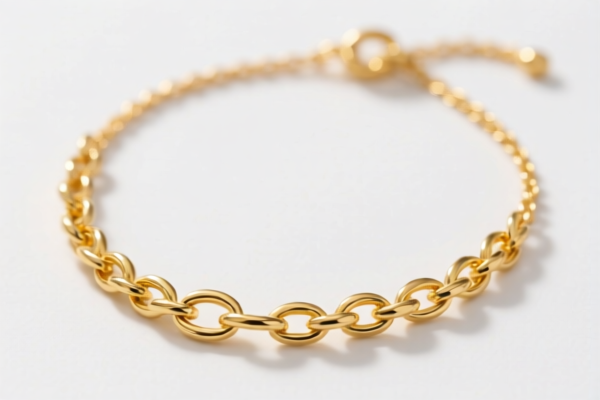
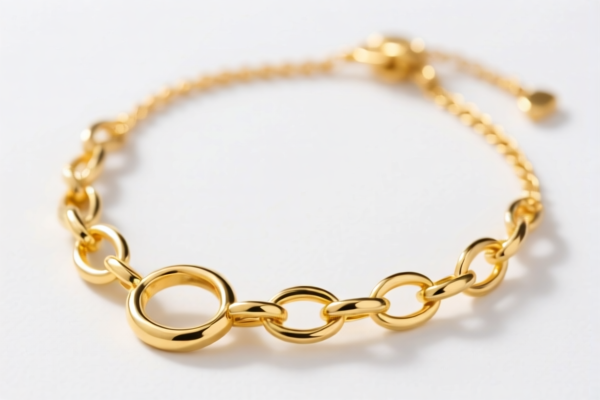
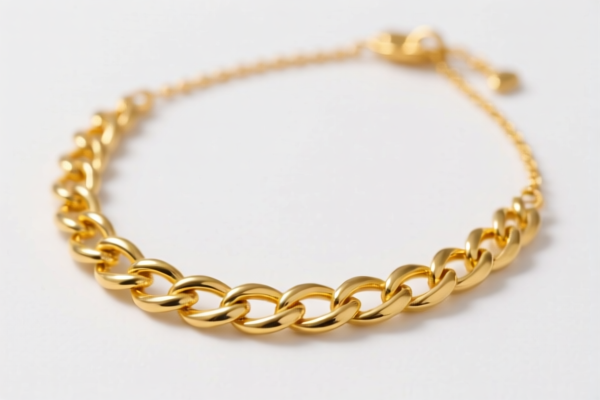
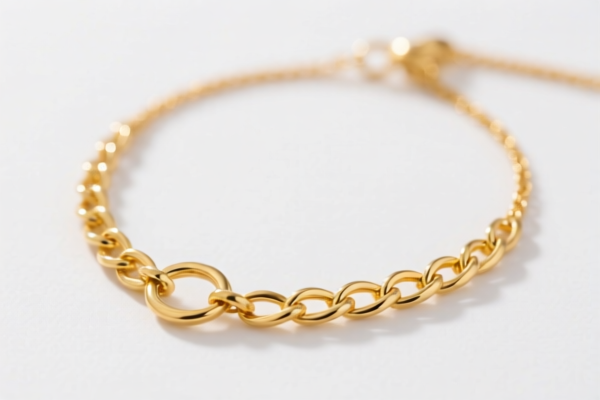
AI Analysis
✨ Gold Tassel Lace (Narrow Woven Fabrics & Ribbons)
🌐 HS Code Reference & Clearance Guide | 2026 Latest Tariff Analysis | Professional Customs Strategy
📌 I. Product Definition & Classification: Do You Really Understand "Gold Tassel Lace"?
"Gold Tassel Lace" is a decorative textile accessory, often used in high-end apparel, bridal wear, home decor, or gift packaging. In international trade, it falls under Chapter 58: Special Woven Fabrics; Tufted Textile Fabrics; Lace; Tapestry; Trimmings; Embroidery.
Specifically, it is classified based on: 1. Construction: Is it a woven narrow fabric (ribbon-like) or a lace fabric (openwork)? 2. Material Composition: Is it made of synthetic fibers (polyester, nylon) or natural fibers (silk, cotton)? 3. Width: Is it "narrow" (usually < 30cm)?
⚠️ Key Distinction Point:
- If it is a woven narrow fabric (warp and weft interlaced) used as a trim/ribbon → It falls under Heading 5806.
- If it is a lace fabric (net-like structure, often non-woven or knotted) → It may fall under Heading 5804 or 5807, depending on exact structure.
- Note: The provided<DATA>specifically points to Heading 5806 (Narrow Woven Fabrics). Therefore, we will focus on the Woven Ribbon/Narrow Fabric classification.
📦 II. HS Code Classification Details (2026 Latest Tariff Authority Reference)
Based on the provided <DATA>, the product "Gold Tassel Lace" (interpreted as a narrow woven fabric/ribbon with decorative tassels) is classified under two potential HS Codes, depending on the material composition:
| HS Code | Product Description | Material | Application Scenario | Tax Rate (US Import from China) |
|---|---|---|---|---|
5806.32.10.95 |
Narrow woven fabrics, other than goods of heading 5807; other woven fabrics: Of man-made fibers: Ribbons Other: Other | Man-made Fibers (e.g., Polyester, Nylon, Acrylic) | Synthetic decorative trims, cheap fashion accessories, industrial straps | 0.0% |
5806.39.30.10 |
Narrow woven fabrics, other than goods of heading 5807; other woven fabrics: Of other textile materials: Other: Containing 85 percent or more by weight of silk or silk waste | Silk (≥85% Silk) | Luxury bridal lace, high-end decorative trims, premium gift ribbons | 25.0% |
🔍 Critical Reminder:
- Synthetic Ribbons: If your "Gold Tassel Lace" is made of polyester or other synthetic fibers, it falls under5806.32.10.95.
- Silk Ribbons: If it is made of silk (≥85% silk content), it falls under5806.39.30.10.
- Mixed Materials: If the blend is <85% silk but still natural fiber, it may fall under "Other textile materials" but not the specific silk subheading5806.39.30.10. It would likely fall under a different "Other" subheading not listed in the provided data, or potentially5806.39.90depending on the exact blend.
- Tassel Component: If the tassel is a separate attachment (e.g., glued or sewn on), the entire item is still classified as the fabric itself. If the tassel is an integral part of the weaving process, it remains a narrow woven fabric.
💰 III. 2026 Latest Tariff Rate Breakdown (Including Surcharges, Policy Add-ons)
✅ Applicable Country: United States (US)
✅ Origin: China (CN)
✅ Effective Time: Current rates (as per provided data)
🎯 1. 5806.32.10.95 —— Narrow Woven Fabrics of Man-Made Fibers (Ribbons)
| Item | Content |
|---|---|
| Base Tariff | 0% (ad valorem) |
| Section 301 Surcharge (USITC) | 0% (No additional 25% tariff for this specific HS code) |
| IEEPA Surcharge | 0% (Not listed in the provided data) |
| Total Tax Rate | 0.0% |
| Calculation | CIF Value × 0% = $0 |
| De Minimis Eligibility | ✅ Yes (Likely eligible for Section 321 de minimis if value <$800, unless subject to other restrictions) |
| Legal Basis | HTSUS 2026, Chapter 58, Heading 5806 |
📌 Explanation:
- This is a low-tariff item.
- Man-made fiber ribbons/narrow fabrics are generally not subject to the high 301 tariffs that apply to many industrial goods or certain textiles.
- Benefit: High profitability margin, low customs clearance cost.
🎯 2. 5806.39.30.10 —— Narrow Woven Fabrics of Silk (≥85%)
| Item | Content |
|---|---|
| Base Tariff | 0% (ad valorem) |
| Section 301 Surcharge (USITC) | +25% |
| IEEPA Surcharge | 0% (Not listed in the provided data) |
| Total Tax Rate | 25.0% |
| Calculation | CIF Value × 25% |
| De Minimis Eligibility | ❌ No (Section 301 tariffs generally apply, de minimis may be suspended for China-origin goods under certain conditions, but 25% tax must be paid) |
| Legal Basis | HTSUS 2026, Chapter 58, Heading 5806, USITC Footnote for Section 301 |
📌 Explanation:
- High Surcharge: Although the base tariff is 0%, the 25% Section 301 tariff applies to silk narrow fabrics from China.
- Impact: This significantly increases the landed cost. For example, on a $1,000 shipment, you must pay $250 in customs duties.
- Strategy: This makes silk-based trims less competitive compared to synthetic ones unless positioned as luxury goods with high margins.
🛠️ IV. Customs Clearance Practical Advice (Real-World Pitfall Guide)
✅ 1. Required Documentation Checklist (Must-Have)
| Document | Required | Description |
|---|---|---|
| ✅ Commercial Invoice | ✔️ | Must clearly state: "Narrow Woven Fabric, Gold Tassel Lace, [Material: Polyester/Silk], HS Code: 5806.32.10.95 or 5806.39.30.10" |
| ✅ Packing List | ✔️ | Detailed weight, dimensions, and quantity. |
| ✅ Material Composition Certificate | ✔️ | Critical! Must specify exact fiber content (e.g., "100% Polyester" or "85% Silk, 15% Nylon"). Customs will verify this to determine if the 25% tariff applies. |
| ✅ Product Photos | ✔️ | Show the lace structure, width, and tassel attachment. |
| ✅ Certificate of Origin (CO) | ✔️ | Needed to prove origin (China). |
| ✅ Labeling | ✔️ | Ensure products are labeled with fiber content and country of origin as per US law. |
✅ 2. Declaration Tips (Key Mnemonics)
🔥 "Material Determines Tariff, Silk Triggers 25%, Synthetics Stay Low!"
| Scenario | Correct Declaration | Wrong Approach |
|---|---|---|
| Polyester Gold Lace | HS: 5806.32.10.95, Tax: 0% |
Misdeclare as Silk → Risk of fraud penalty |
| Silk Gold Lace (≥85%) | HS: 5806.39.30.10, Tax: 25% |
Misdeclare as Polyester → Severe Penalty + Back Taxes |
| Mixed Silk (e.g., 50% Silk) | HS: 5806.39.90 (Check other "Other" subheadings) |
Force into 5806.39.30.10 → Incorrect Classification |
| Tassel as Separate Item | Declare as fabric; tassel is part of fabric | Split declaration → Complex and risky |
✅ 3. Special Situation Handling
| Situation | Handling Advice |
|---|---|
| High-Value Silk Ribbons | Consider pricing strategy to absorb 25% tax, or explore sourcing from non-China countries (e.g., Italy, China's silk from Vietnam/Thailand if rules of origin allow). |
| Synthetic Ribbons | Enjoy 0% tariff. Focus on volume and speed. Ensure "Man-made fiber" is clearly stated. |
| Lace vs. Ribbon | If the product is true lace (net-like, non-woven), it might fall under 5804 or 5807. Do not use 5806 unless it is clearly a narrow woven fabric. Misclassification can lead to delays. |
| Customs Inquiry | If asked, provide a fiber analysis report from a third-party lab (e.g., SGS, Intertek) to prove material content. |
🌍 V. Global Market Comparison (2026 Latest)
| Country/Region | Recommended HS Code | Tariff (China Origin) | Certification Required | Notes |
|---|---|---|---|---|
| 🇺🇸 USA | 5806.32.10.95 (Synthetic) |
0% | None | Best Market for Synthetics |
| 🇺🇸 USA | 5806.39.30.10 (Silk) |
25% | None | High Cost for Silk |
| 🇪🇺 EU | 5806.32 (Synthetic) |
0% | CE (if functional), REACH | Free trade agreement benefits may apply |
| 🇪🇺 EU | 5806.39 (Silk) |
0% | REACH | No additional tariffs like US Section 301 |
| 🇨🇳 China | 5806.32 |
5% | None | Domestic production is cheap |
| 🇬🇧 UK | 5806.32 |
0% | UKCA | Post-Brexit rules similar to EU |
📌 Conclusion:
- USA is the most tax-sensitive market due to Section 301 tariffs on silk.
- EU and UK are more favorable for both synthetic and silk narrow fabrics (0% base tariff, no surcharges).
- For US imports, prioritize synthetic materials to avoid the 25% tax.
📌 VI. Common Errors & Pitfall Guide (Blood Tears Lessons)
❌ Error 1: Declaring Silk Lace as Synthetic to avoid 25% tax
👉 Consequence: Customs inspection reveals fiber content → Back taxes + 25% penalty + Possible seizure
❌ Error 2: Declaring Woven Ribbon as Lace (5804)
👉 Consequence: Incorrect HS code → Delayed clearance, requests for explanation, potential reclassification and tariff adjustment
❌ Error 3: Ignoring Tassel Weight/Composition
👉 Consequence: If tassels are heavy metal or different material, customs may ask for detailed breakdown. Ensure the entire item is homogeneous or clearly described.
❌ Error 4: Using "Lace" in the product name for a Woven Fabric
👉 Consequence: Confusion. Use "Narrow Woven Fabric, Ribbon, or Trim" in the description if it's woven. "Lace" usually implies 5804/5807.
✅ Correct Practice:
"Narrow Woven Fabric, Polyester Gold Tassel Ribbon, Width 2cm, HS 5806.32.10.95"
OR
"Narrow Woven Fabric, Silk Gold Tassel Ribbon, ≥85% Silk, Width 3cm, HS 5806.39.30.10"
🎯 VII. Conclusion: Professional Declaration, Save Time and Money!
🎯 Remember the Mnemonic:
🔹 "Synthetic Zero, Silk Twenty-Five, Material Certificate is Key!"
🔹 "HS Code Decides Tax, 25% Difference Matters, Correct Declaration Saves Thousands!"
📌 Tip:
- If your "Gold Tassel Lace" is mixed material (e.g., 50% silk, 50% polyester), it does not qualify for 5806.39.30.10 (which requires ≥85% silk). It will likely fall under a different "Other" subheading, possibly with different tax implications. Always verify the exact fiber blend.
- Consider pre-classification rulings with US Customs (CBP) if you are importing large volumes of mixed-material products.
📣 Immediate Action:
📞 Contact a professional customs broker + Provide fiber content certificate + Apply for HS Code Pre-Ruling if unsure.
🚀 Ensure your Gold Tassel Lace clears customs smoothly, efficiently, and cost-effectively!
✨ Professional Customs Clearance Starts with Accurate Classification!
💼 Every cent of your cost deserves precise calculation!
Customer Reviews
About HS Code Classification
The Harmonized System (HS) is an internationally standardized nomenclature developed by the World Customs Organization (WCO) to classify traded products. Over 200 countries use the HS system as the basis for customs tariffs, trade statistics, and import/export regulations.
Each HS code follows a hierarchical structure:
- Chapter (2 digits) — Broad category of goods (e.g., Chapter 84: Machinery and Mechanical Appliances)
- Heading (4 digits) — More specific grouping within the chapter
- Subheading (6 digits) — Internationally standardized breakdown, used by all WCO member countries
- National subdivisions (8-10 digits) — Country-specific extensions for further classification, such as US HTSUS 10-digit codes
Correct HS code classification is essential for smooth customs clearance, accurate duty payment, and compliance with trade regulations. Misclassification can lead to customs delays, overpayment of duties, or penalties.
When importing from CN to US, the applicable tariff rates may include:
- Most-Favored-Nation (MFN) rate — The standard duty rate applied to WTO members
- General rate — Applied to countries without trade agreements
- Trade remedy duties — Additional tariffs such as Section 301 (anti-dumping), Section 232 (national security), or countervailing duties
The information provided on this page is for reference purposes only. For official classification, please consult with your local customs authority or a licensed customs broker.