Golf Bag
CN → US| HS Code | Tariff Rate | Origin | Destination | Doc |
|---|---|---|---|---|
| 4202923131 | 52.6% | CN | US | Official Doc |
| 4202911000 | 39.5% | CN | US | Official Doc |
| 6305390000 | 25.9% | CN | US | Official Doc |
| 6305900000 | 23.7% | CN | US | Official Doc |
Product Images
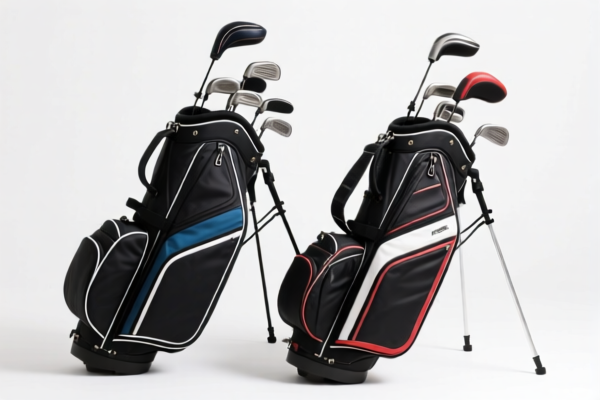

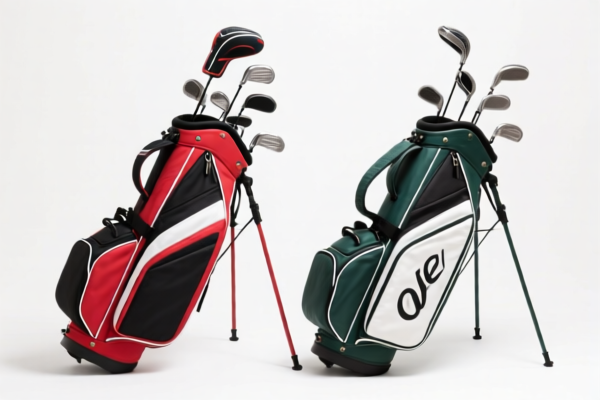
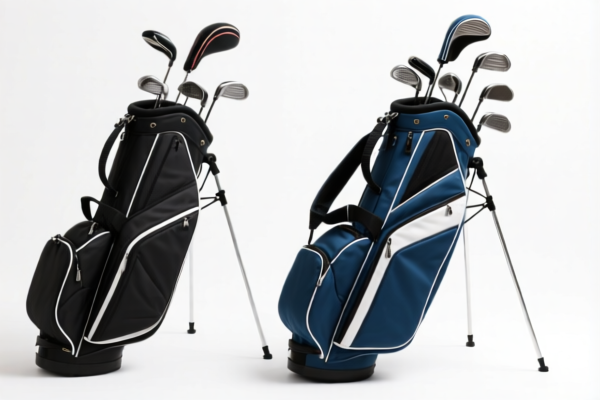
AI Analysis
🏌️♂️ Golf Bag (Golf Accessories & Aviation Bags)
🌐 HS Code Reference & Customs Clearance Guide | 2026 Latest Tariff Analysis | Professional Strategy for US Imports
📌 I. Product Definition & Classification: Do You Really Know What a "Golf Bag" Is?
In international trade, the term "Golf Bag" is not a single HS Code. It is a broad category that splits based on specific use, shape, and inferred material. Misclassification is the #1 cause of customs delays and overpayment.
Generally, these fall into two distinct legal buckets: 1. Sports Gear (Accessories): Bags used directly for carrying clubs on the course. * Likely HS: Chapter 42 (Articles of leather/synthetic leather, travel goods, handbags) 2. Packaging Containers: Bags used specifically for shipping or storing clubs in bulk (often called "Golf Aviation Bags" or "Shipping Bags"). * Likely HS: Chapter 63 (Other made-up articles of textile materials)
⚠️ Key Distinction Point:
- If it is a finished product sold to a consumer for use on the golf course → It is a Bag/Container (Chapter 42).
- If it is a packaging unit (often bulky, simple textile, meant for logistics/storage) → It may be classified as Packaging Material (Chapter 63).
📦 II. HS Code Classification Details (Based on Provided Data)
Below are the only four HS Codes supported by the provided data, with detailed tax breakdowns for imports into the United States (implied by "122 Clause" and specific tariff structures).
| HS Code | Product Description & Shape/Material Inference | Total Tax Rate | Key Tariff Components |
|---|---|---|---|
4202.92.31.31 |
Golf Accessories Bag: Matches sports bag category and shape. Material inferred as textile. | 52.6% | Base: 17.6% + Section 301: 25.0% + Section 122: 10% |
4202.91.10.00 |
Golf/Aviation Bag: Bag-like container. Material inferred as textile or plastic. | 39.5% | Base: 4.5% + Section 301: 25.0% + Section 122: 10% |
6305.39.00.00 |
Golf Aviation Bag: Bag-like shape for packaging/storage. Material inferred as artificial textile. | 25.9% | Base: 8.4% + Section 301: 7.5% + Section 122: 10% |
6305.90.00.00 |
Golf Aviation Bag: Bag-like shape for packaging/storage. Material inferred as other textile. | 23.7% | Base: 6.2% + Section 301: 7.5% + Section 122: 10% |
🔍 Critical Note:
- Codes4202.xxare for consumer goods (finished bags).
- Codes6305.xxare for packaging/storage goods (aviation/shipping bags).
- The massive difference in Base Tariff (17.6% vs 6.2%) drives the total tax variance from 23.7% to 52.6%.
💰 III. 2026 Latest Tariff Rate Detailed Breakdown
✅ Applicable Market: United States (US)
✅ Origin: China (CN) (Implied by "Section 301" and "Section 122" references)
✅ Effective Time: Current tariffs apply.
🎯 1. 4202.92.31.31 — High-End/Specific Golf Accessories Bag
This code represents a specific subtype of sports bag. It carries the highest base tariff among the options.
| Item | Details |
|---|---|
| Base Duty | 17.6% |
| Section 301 Duty | +25.0% (Retaliatory tariff on Chinese goods) |
| Section 122 Duty | +10.0% (Tariff on specific imported goods, often related to supply chain issues) |
| Total Effective Rate | 52.6% |
| Calculation | CIF Value × 52.6% |
| De Minimis Exemption | ❌ Not Applicable (Value exceeds $800 threshold for Section 301) |
📌 Explanation:
- This is the most expensive classification.
- The 25% Section 301 tariff is standard for most Chinese textiles/bags.
- The 10% Section 122 is an additional penalty tariff.
- Total Tax: Over 50%! This significantly impacts profit margins.
🎯 2. 4202.91.10.00 — General Golf/Aviation Bag (Textile/Plastic)
A broader category for bags made of textile or plastic materials.
| Item | Details |
|---|---|
| Base Duty | 4.5% |
| Section 301 Duty | +25.0% |
| Section 122 Duty | +10.0% |
| Total Effective Rate | 39.5% |
| Calculation | CIF Value × 39.5% |
| De Minimis Exemption | ❌ Not Applicable |
📌 Note:
- Lower base duty (4.5%) makes this 13.1% cheaper than4202.92.31.31.
- Suitable for general-purpose golf bags or aviation-style bags made of synthetic materials.
🎯 3. 6305.39.00.00 — Golf Aviation Bag (Artificial Textile)
Classified as a "made-up article of textile materials" (Packaging). NOT a sports good.
| Item | Details |
|---|---|
| Base Duty | 8.4% |
| Section 301 Duty | +7.5% (Reduced Section 301 rate for this specific chapter) |
| Section 122 Duty | +10.0% |
| Total Effective Rate | 25.9% |
| Calculation | CIF Value × 25.9% |
| De Minimis Exemption | ❌ Not Applicable |
📌 Strategic Advantage:
- The Section 301 rate drops from 25% to 7.5% for Chapter 63 goods.
- Total Tax: 25.9%, which is 26.7% lower than the most expensive code.
🎯 4. 6305.90.00.00 — Golf Aviation Bag (Other Textile)
The lowest cost option, but requires strict proof that it is a packaging/storage bag, not a sports bag.
| Item | Details |
|---|---|
| Base Duty | 6.2% |
| Section 301 Duty | +7.5% |
| Section 122 Duty | +10.0% |
| Total Effective Rate | 23.7% |
| Calculation | CIF Value × 23.7% |
| De Minimis Exemption | ❌ Not Applicable |
📌 Note:
- Lowest Tax Rate: 23.7%.
- Risk: High. If Customs determines this is actually a consumer sports bag, they will reclassify it to Chapter 42, leading to back taxes and penalties.
- Must be clearly documented as a "Shipping/Storage Bag" not for direct retail use as a sports accessory.
🛠️ IV. Customs Clearance Practical Advice (Risk Avoidance Guide)
✅ 1. Documentation Checklist (Non-Negotiable)
| Document | Required? | Reason |
|---|---|---|
| ✅ Product Photographs | ✔️ | Must show clear differences between a "Sports Bag" (straps, dividers) and "Aviation Bag" (simple textile, handles). |
| ✅ Material Composition | ✔️ | Specify if it is 100% Polyester, Nylon, or Plastic. Determines Chapter 42 vs 63. |
| ✅ Commercial Invoice | ✔️ | Description must be precise: e.g., "Golf Club Storage Bag (Aviation Type)" vs "Golf Carry Bag". |
| ✅ Packing List | ✔️ | Confirm quantity and dimensions. |
| ✅ Structure Diagram | ✔️ | If claiming 6305, prove it lacks sports-specific features (like club dividers or waterproof coatings for outdoor use). |
✅ 2. Declaration Strategy (The "Golden Rules")
🔥 “Shape Defines Function, Material Defines Chapter!”
| Scenario | Correct HS Code | Why? |
|---|---|---|
| Retail Golf Bag (with wheels, straps, dividers) | 4202.92.31.31 or 4202.91.10.00 |
It is a "Travel Good/Sports Bag" under Chapter 42. |
| Bulk Shipping Bag (simple, durable textile, for airline/logistics storage) | 6305.39.00.00 or 6305.90.00.00 |
It is a "Packaging Article" under Chapter 63. |
| Plastic Golf Bag | 4202.91.10.00 |
Plastic material triggers Chapter 42, not 63. |
✅ 3. Special Handling & Pitfalls
| Pitfall | Consequence | Solution |
|---|---|---|
| Mislabeling a Sports Bag as an Aviation Bag | Customs reclassification → Back taxes + 25% Penalty. | Do not try to downgrade. If it has sports features, use Chapter 42. |
| Ignoring Section 122 | Unexpected 10% tax surprise at border. | Always budget for the +10% Section 122 tariff in your cost model. |
| Assuming De Minimis Applies | Packages held, taxed, and delayed. | Section 301 tariffs do not apply to de minimis ($800) shipments from China. Expect full tax. |
🌍 V. Global Market Comparison (US Focus)
| Market | Recommended HS Code | Est. Tax Rate | Notes |
|---|---|---|---|
| 🇺🇸 USA | See above (4202 or 6305) | 23.7% – 52.6% | Highest tariffs due to Section 301 + 122. |
| 🇨🇳 China (Import) | Varies | ~10-15% | Lower base duties, no Section 301/122. |
| 🇪🇺 EU | 4202 or 6305 | ~4-12% | No Section 301. VAT applies separately (19-27%). |
| 🇨🇦 Canada | 4202 or 6305 | ~12-18% | No Section 301. GST/HST applies. |
📌 Conclusion:
- The US market is the most expensive for Chinese-made golf bags due to layered tariffs.
- Chapter 63 (6305.xx) offers the best tax efficiency (23.7-25.9%) but is strictly limited to packaging/shipping bags.
- Chapter 42 (4202.xx) is required for actual sports goods but costs 39.5-52.6%.
📌 VI. Common Errors & Blood Lessons
❌ Error 1: Declaring a retail golf bag as a "Golf Accessory" to get a lower rate, but failing to prove its specific sub-category.
👉 Result: Customs audits the product. If it doesn't match 4202.92.31.31 exactly, they apply the general rate or penalize.
❌ Error 2: Using 6305.90.00.00 for a bag with zippers, straps, and club dividers.
👉 Result: Customs rejects it as "Packaging." They reclassify to 4202.92.31.31 and charge the difference (~29% extra tax) plus penalties.
❌ Error 3: Ignoring Section 122.
👉 Result: The final tax bill is 10% higher than estimated. Budgeting failure.
✅ Correct Approach:
“If it walks on the course, it’s Chapter 42. If it flies in the hold, it’s Chapter 63. Declare honestly, document strictly.”
🎯 VII. Conclusion: Professional Declaration Saves Money!
🎯 Remember:
🔹 Sports Bag (4202) = 39.5% - 52.6% Tax.
🔹 Shipping/Storage Bag (6305) = 23.7% - 25.9% Tax.
🔹 One Small Detail (Material/Use) = Huge Tax Difference!
📌 Pro Tip:
If you are importing aviation bags (for logistics/airline use), ensure the invoice states "Golf Club Shipping Container" or "Aviation Storage Bag", not just "Golf Bag." Provide photos showing it lacks sports-specific ergonomic features. This is the only way to legally access the lower 23.7-25.9% tax bracket.
📣 Immediate Action:
📞 Consult your customs broker with product photos.
📄 Get an Advance Ruling (Pre-classification) if importing large volumes.
🚀 Optimize your supply chain by choosing the right HS Code from day one.
✨ Customs Compliance is Profit Protection!
💼 Every 1% of tax saved is 1% of pure profit!
Customer Reviews
About HS Code Classification
The Harmonized System (HS) is an internationally standardized nomenclature developed by the World Customs Organization (WCO) to classify traded products. Over 200 countries use the HS system as the basis for customs tariffs, trade statistics, and import/export regulations.
Each HS code follows a hierarchical structure:
- Chapter (2 digits) — Broad category of goods (e.g., Chapter 84: Machinery and Mechanical Appliances)
- Heading (4 digits) — More specific grouping within the chapter
- Subheading (6 digits) — Internationally standardized breakdown, used by all WCO member countries
- National subdivisions (8-10 digits) — Country-specific extensions for further classification, such as US HTSUS 10-digit codes
Correct HS code classification is essential for smooth customs clearance, accurate duty payment, and compliance with trade regulations. Misclassification can lead to customs delays, overpayment of duties, or penalties.
When importing from CN to US, the applicable tariff rates may include:
- Most-Favored-Nation (MFN) rate — The standard duty rate applied to WTO members
- General rate — Applied to countries without trade agreements
- Trade remedy duties — Additional tariffs such as Section 301 (anti-dumping), Section 232 (national security), or countervailing duties
The information provided on this page is for reference purposes only. For official classification, please consult with your local customs authority or a licensed customs broker.