Golf Dedicated Gloves
CN → US| HS Code | Tariff Rate | Origin | Destination | Doc |
|---|---|---|---|---|
| 6116100800 | 20.3% | CN | US | Official Doc |
| 6216004600 | 20.3% | CN | US | Official Doc |
| 6116926440 | 41.0% | CN | US | Official Doc |
| 6216000800 | 18.3% | CN | US | Official Doc |
| 6216000800 | 18.3% | CN | US | Official Doc |
Product Images
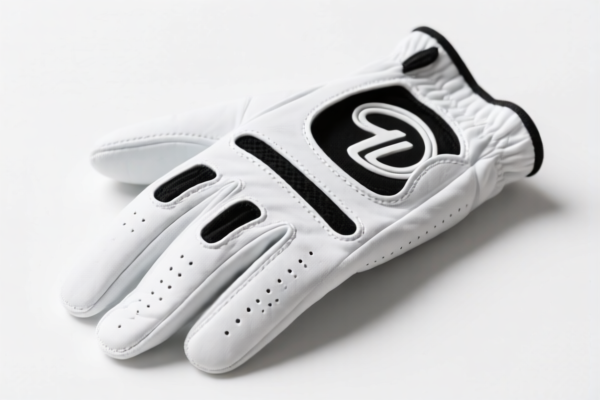
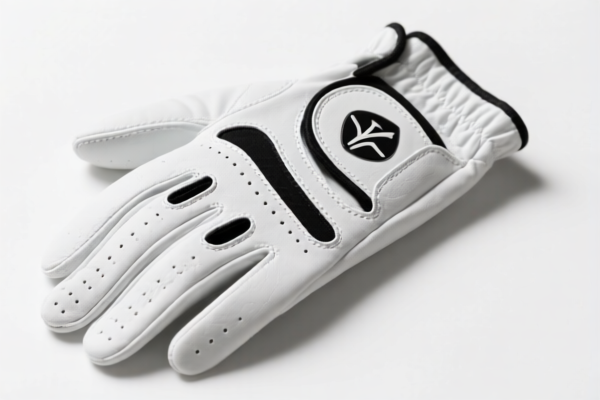


AI Analysis
🏌️♂️ Golf Dedicated Gloves | Premium Sports Apparel Customs Guide
🌐 HS Code Classification & Tariff Breakdown | 2026 Customs Strategy | High-Value Protection Gear
📌 Part 1: Product Definition & Classification: Do You Know Your "Golf Gloves"?
Golf gloves are specialized protective gear designed to enhance grip, reduce friction, and prevent blisters during play. They are typically made from leather, synthetic materials, or knitted fabrics, often featuring coatings or specific treatments for moisture management. In international trade, they are strictly categorized based on material composition and manufacturing method (knitted vs. non-knitted).
Key Distinction:
- Knitted (61xx series): Made by knitting loops of yarn; often includes cotton blends or synthetic fibers.
- Non-Knitted (62xx series): Cut and sewn from fabrics or leather; includes coated gloves or those made from textile materials like synthetic fibers or leather.
⚠️ Critical Classification Point:
- If the glove is knitted or crocheted, it falls under Chapter 61.
- If the glove is made of textile materials (woven/knitted) but not specifically knitted as a glove structure or is leather/coated, it falls under Chapter 62.
- Golf-specific use is a descriptor, but the HS Code is determined by material and construction, not just the intended sport.
📦 Part 2: HS Code Classification Details (2026 Latest Tariff Authority)
Based on the provided data, here are the precise HS Codes for Golf Gloves, categorized by material and construction:
| HS Code | Product Description | Material/Construction | Key Feature |
|---|---|---|---|
6116.10.08.00 |
Knitted or crocheted gloves, for sports (golf) | Coated material (e.g., silicone grip) | Knitted + Coated for grip |
6216.00.46.00 |
Other gloves, of textile materials (golf) | Synthetic fibers or leather | Non-knitted (sewn) + Textile/Leather |
6116.92.64.40 |
Other knitted/crocheted gloves, of cotton (golf) | Cotton or synthetic fiber blend | Knitted + Cotton-based |
6216.00.08.00 |
Impregnated/coated gloves (golf) | Rubber or plastic coating | Non-knitted + Plastic/Rubber Coated |
🔍 Important Note:
-6216.00.08.00appears twice in the data with identical descriptions. This reflects common customs listings for coated gloves regardless of slight material variations, provided they are not primarily for protection against chemicals/mechanical injury.
- Golf-specific: All these codes specify "for golf use" in the summary, but the tariff rate is identical across all codes due to current US trade policies.
💰 Part 3: 2026 Latest Tariff Rate Breakdown (Including Additional Taxes)
✅ Applicable Country: United States (US)
✅ Country of Origin: China (CN)
✅ Effective Date: 2025–2026 (Current Policy)
✅ Common Policy: All listed golf gloves are subject to Section 301 (122 Clause) and Section 232/Other Add-ons
🎯 1. Knitted Gloves (Code: 6116.10.08.00 & 6116.92.64.40)
A. 6116.10.08.00 – Knitted, Coated (Sports/Golf)
| Item | Detail |
|---|---|
| Base Tariff | 2.8% |
| Section 301 (122 Clause) | +7.5% |
| Additional 122 Clause Tariff | +10% |
| Total Tariff Rate | 20.3% |
| Calculation | CIF Value × 20.3% |
| De Minimis Exemption | ❌ Not Eligible (Subject to Section 301) |
| Legal Path | HTSUS:6116.10.08.00 → Section 301 Footnote → 122 Clause |
B. 6116.92.64.40 – Knitted, Cotton-Based (Sports/Golf)
| Item | Detail |
|---|---|
| Base Tariff | 23.5% |
| Section 301 (122 Clause) | +7.5% |
| Additional 122 Clause Tariff | +10% |
| Total Tariff Rate | 41.0% |
| Calculation | CIF Value × 41.0% |
| De Minimis Exemption | ❌ Not Eligible |
| Legal Path | HTSUS:6116.92.64.40 → Section 301 Footnote → 122 Clause |
📌 Key Insight:
- Cotton-based knitted gloves (6116.92.64.40) have a much higher base tariff (23.5%) compared to coated knitted gloves (2.8%).
- However, both face the same additional taxes (7.5% + 10%), leading to a total of 41.0% for cotton knitted gloves vs. 20.3% for coated knitted gloves.
- Recommendation: Avoid cotton-blend knitted gloves if possible due to high base duty. Opt for coated synthetic blends (6116.10.08.00) for lower total duty.
🎯 2. Non-Knitted Gloves (Code: 6216.00.46.00 & 6216.00.08.00)
A. 6216.00.46.00 – Textile Material (Synthetic/Leather)
| Item | Detail |
|---|---|
| Base Tariff | 2.8% |
| Section 301 (122 Clause) | +7.5% |
| Additional 122 Clause Tariff | +10% |
| Total Tariff Rate | 20.3% |
| Calculation | CIF Value × 20.3% |
| De Minimis Exemption | ❌ Not Eligible |
| Legal Path | HTSUS:6216.00.46.00 → Section 301 Footnote → 122 Clause |
B. 6216.00.08.00 – Coated (Plastic/Rubber)
| Item | Detail |
|---|---|
| Base Tariff | 0.8% |
| Section 301 (122 Clause) | +7.5% |
| Additional 122 Clause Tariff | +10% |
| Total Tariff Rate | 18.3% |
| Calculation | CIF Value × 18.3% |
| De Minimis Exemption | ❌ Not Eligible |
| Legal Path | HTSUS:6216.00.08.00 → Section 301 Footnote → 122 Clause |
📌 Key Insight:
- Coated gloves (6216.00.08.00) have the lowest total tariff at 18.3% due to a very low base duty (0.8%).
- Textile-based gloves (6216.00.46.00) are taxed at 20.3%.
- Recommendation: If possible, classify as coated gloves (6216.00.08.00) for the lowest duty rate. Ensure the coating is significant enough to meet the "impregnated, coated, or covered" definition.
🛠️ Part 4: Customs Clearance Practical Advice (Avoiding Pitfalls)
✅ 1. Documentation Checklist (Mandatory)
| Document | Required | Purpose |
|---|---|---|
| ✅ Product Specification Sheet | ✔️ | Confirm material (cotton, synthetic, leather), construction (knitted vs. woven), and coating type. |
| ✅ Material Composition Label | ✔️ | Must show exact % of cotton, polyester, leather, etc. Critical for 6116.92.64.40 vs. 6116.10.08.00. |
| ✅ Product Photos (Front/Back) | ✔️ | Show grip patterns, coating, and any brand logos. |
| ✅ Commercial Invoice | ✔️ | Clearly state "Golf Gloves" and specify material/coating. |
| ✅ Packing List | ✔️ | Match invoice quantities. |
| ✅ Country of Origin Certificate | ✔️ | If not China, may qualify for lower duties (but golf gloves are often produced in CN). |
✅ 2. Classification Strategy (Key Tips)
| Scenario | Recommended HS Code | Reason |
|---|---|---|
| Glove is Knitted + Coated | 6116.10.08.00 |
Lower base duty (2.8%) + 122 Clause = 20.3% |
| Glove is Woven/Sewn + Leather/Synthetic | 6216.00.46.00 |
Standard textile glove = 20.3% |
| Glove is Woven/Sewn + Plastic/Rubber Coated | 6216.00.08.00 |
Lowest total duty (18.3%) |
| Glove is Knitted + Cotton | 6116.92.64.40 |
Highest duty (41.0%) – Avoid if possible |
🔥 Pro Tip:
- Do NOT misclassify knitted gloves as non-knitted to avoid higher duties. Customs officers will check the construction.
- Ensure "Golf" is clearly stated in the description to avoid misclassification as general-purpose gloves (which may have different base rates).
- Coating matters: If the glove has a silicone grip, ensure it meets the "impregnated, coated, or covered" definition for6216.00.08.00.
🌍 Part 5: Global Market Comparison (2026)
| Country/Region | Recommended HS Code | Estimated Duty (China Origin) | Notes |
|---|---|---|---|
| 🇺🇸 USA | 6216.00.08.00 |
18.3% | Includes 122 Clause + Section 301. |
| 🇺🇸 USA | 6116.10.08.00 |
20.3% | Higher base duty for knitted. |
| 🇺🇸 USA | 6116.92.64.40 |
41.0% | Highest duty for cotton knitted. |
| 🇪🇺 EU | 6116.10.00 / 6216.00.00 |
0% - 12% | Varies by material. No 122 Clause. |
| 🇨🇳 China | 6116.10.00 / 6216.00.00 |
5% - 15% | Import duty for foreign brands. |
📌 Conclusion:
- USA is the most expensive market for Chinese-origin golf gloves due to Section 301 and 122 Clause.
- Lowest duty in USA:6216.00.08.00(18.3%) for coated gloves.
- Highest duty in USA:6116.92.64.40(41.0%) for cotton knitted gloves.
📌 Part 6: Common Mistakes & Pitfalls (Learn from Others)
❌ Mistake 1: Classifying cotton knitted gloves (6116.92.64.40) as coated gloves to avoid 41% duty.
👉 Consequence: Customs audit → Penalty + Back Taxes + Storage Fees.
❌ Mistake 2: Using "Golf Gloves" as the sole description without material details.
👉 Consequence: Customs may reclassify to highest applicable duty rate or request additional info → Delay.
❌ Mistake 3: Ignoring the 122 Clause.
👉 Consequence: Underpayment of duties → Audit + Interest + Penalties.
✅ Correct Practice:
"Golf Gloves, Knitted, Silicone Coated, Polyester/Synthetic Blend, Model X, Origin: China"
HS Code:6116.10.08.00
Duty: 20.3%
🎯 Part 7: Conclusion: Optimize Your Supply Chain
🎯 Key Takeaways:
🔹 Lowest Duty:
6216.00.08.00(18.3%) – Coated, non-knitted.
🔹 Highest Duty:6116.92.64.40(41.0%) – Cotton knitted.
🔹 Middle Ground:6116.10.08.00&6216.00.46.00(20.3%).🔹 Action Item:
- Evaluate Material: Switch from cotton knitted to coated synthetic/non-knitted if possible.
- Clear Description: Always include material and construction in the invoice.
- Pre-Consult: Use CBP Ruling or Broker Consultation before shipping large volumes.
📣 Final Advice:
📞 Contact a Customs Broker to verify HS Code classification.
🚀 Optimize Material Choice to reduce duty from 41% to 18.3%.
💼 Precision in Classification Saves Money!
✨ Smart Customs, Smarter Profits!
💼 Every Percentage Point Matters in International Trade!
Customer Reviews
About HS Code Classification
The Harmonized System (HS) is an internationally standardized nomenclature developed by the World Customs Organization (WCO) to classify traded products. Over 200 countries use the HS system as the basis for customs tariffs, trade statistics, and import/export regulations.
Each HS code follows a hierarchical structure:
- Chapter (2 digits) — Broad category of goods (e.g., Chapter 84: Machinery and Mechanical Appliances)
- Heading (4 digits) — More specific grouping within the chapter
- Subheading (6 digits) — Internationally standardized breakdown, used by all WCO member countries
- National subdivisions (8-10 digits) — Country-specific extensions for further classification, such as US HTSUS 10-digit codes
Correct HS code classification is essential for smooth customs clearance, accurate duty payment, and compliance with trade regulations. Misclassification can lead to customs delays, overpayment of duties, or penalties.
When importing from CN to US, the applicable tariff rates may include:
- Most-Favored-Nation (MFN) rate — The standard duty rate applied to WTO members
- General rate — Applied to countries without trade agreements
- Trade remedy duties — Additional tariffs such as Section 301 (anti-dumping), Section 232 (national security), or countervailing duties
The information provided on this page is for reference purposes only. For official classification, please consult with your local customs authority or a licensed customs broker.