Golf Glove (Right Hand)
CN → US| HS Code | Tariff Rate | Origin | Destination | Doc |
|---|---|---|---|---|
| 6216000800 | 18.3% | CN | US | Official Doc |
| 6216004600 | 20.3% | CN | US | Official Doc |
| 6116100800 | 20.3% | CN | US | Official Doc |
| 6116930800 | 20.3% | CN | US | Official Doc |
Product Images
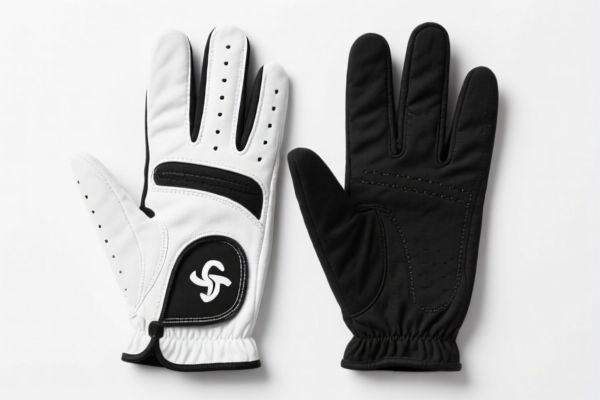
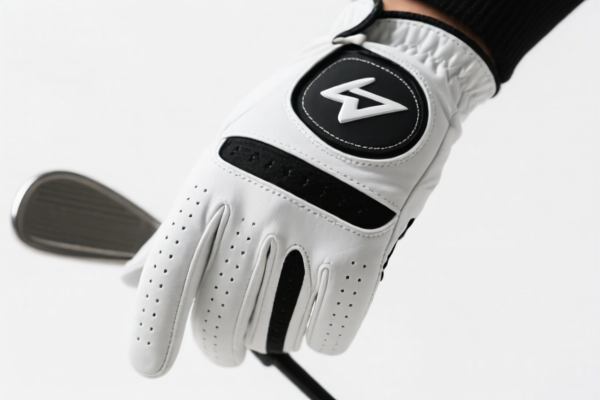
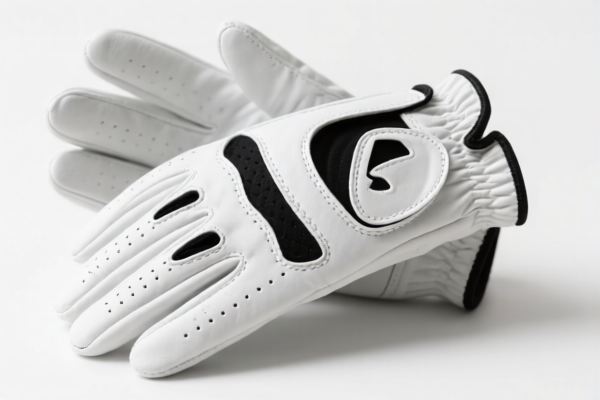
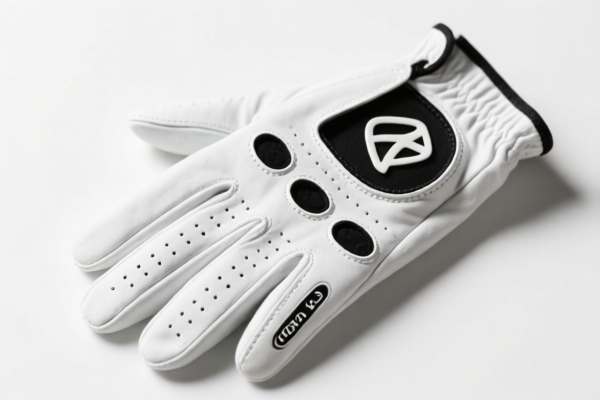
AI Analysis
🏌️♂️ Golf Glove (Right Hand)
🌐 HS Code Reference & Customs Clearance Guide | 2026 Latest Tariff Analysis | Professional Strategy
📌 I. Product Definition & Classification: Do You Really Understand "Golf Gloves"?
A Golf Glove is a specialized sporting accessory designed to enhance grip, prevent blisters, and provide stability during the swing. Unlike general-purpose sports gloves, golf gloves are primarily worn on the leading hand (typically the left hand for right-handed players, but here specified as Right Hand, implying a left-handed player or a specific fit requirement).
In international trade, classification hinges on two critical factors: 1. Material Composition: Is it made of natural leather, synthetic fiber, or knitted fabric? 2. Manufacturing Method: Is it knitted (Chapter 61) or made up from fabric (Chapter 62)?
⚠️ Key Distinction Points:
- Leather/Synthetic Leather Glove: Usually classified under Chapter 62 (Made-up articles) or specific leather headings if it's simple handwear. However, for "other" sports gloves not elsewhere specified, 6216 is common. - Knitted/Coated Glove: If the glove is knitted and then coated (e.g., for sweat absorption or grip), it may fall under Chapter 61 (Knitted or crocheted). - Material Ambiguity: Since the input only states "Golf Glove" without specifying material, we must infer based on common industry standards: - Premium Golf Gloves: Typically Calfskin Leather or Cabretta Leather. - Standard/Economy Gloves: Often Synthetic Leather or Microfiber. - Rain/All-Weather Gloves: Often Knitted with Rubber/Plastic Coating.
📦 II. HS Code Classification Details (2026 Latest Tariff Authority Comparison)
Based on the provided data, here are the four most likely HS Codes, inferred from common golf glove materials and manufacturing methods.
| HS Code | Product Description | Inferred Material/Method | Applicable Scenario | Total Tax Rate |
|---|---|---|---|---|
6216.00.08.00 |
Gloves, Other, Not Knitted | Leather or Synthetic Leather (Uncoated/Basic) | High-end leather golf gloves; standard synthetic leather gloves | 18.3% |
6216.00.46.00 |
Gloves, Other, Not Knitted | Synthetic Fiber/Leather (Specific Subcategory) | Gloves classified under "Other" materials in Chapter 62 | 20.3% |
6116.10.08.00 |
Knitted Gloves, Coated | Knitted with Rubber/Plastic Coating | Rain golf gloves; gloves with palm coating for grip/sweat control | 20.3% |
6116.93.08.00 |
Other Knitted Gloves | Synthetic Fiber (Knitted) | Breathable mesh golf gloves; uncoated knitted training gloves | 20.3% |
🔍 Critical Analysis:
-6216.00.08.00is the most favorable option (18.3% total tax) if the glove is made of leather or simple synthetic leather without complex coating. -6116.10.08.00and6116.93.08.00apply if the glove is knitted. Golf gloves are often knitted for breathability, but if they have a rubber/plastic coating on the palm for grip, they fall under 6116.10. If they are just knitted synthetic fiber without coating, they fall under 6116.93. -6216.00.46.00is a fallback for "Other" materials in Chapter 62, carrying a higher rate (20.3%).
💰 III. 2026 Latest Tariff Rate Breakdown (Including Surtaxes)
✅ Applicable Country: United States (US)
✅ Country of Origin: China (CN)
✅ Effective Date: 2025/2026 (Based on current 122 Section and 301 Tariffs)
🎯 1. 6216.00.08.00 —— Gloves, Other (Leather/Synthetic Leather)
| Item | Detail |
|---|---|
| Base Duty Rate | 0.8% |
| Section 301 Surcharge (L3) | +7.5% |
| Section 122 Surcharge (Trade Action) | +10.0% |
| Total Effective Tax Rate | 18.3% |
| Tax Calculation | CIF Value × 18.3% |
| De Minimis Eligibility | ❌ No (Deny de minimis for Section 301/122 goods) |
| Legal Basis Path | USITC:6216.00.08.00 → 301:L3 → 122:Section122 |
📌 Explanation:
- This is the lowest tax option among the four.
- It assumes the glove is not knitted (i.e., cut and sewn from leather or synthetic sheet material).
- Crucial: If the glove is actually knitted, declaring it under 6216 is incorrect and may lead to customs detention or penalty.
🎯 2. 6216.00.46.00 —— Gloves, Other (Specific Synthetic Subcategory)
| Item | Detail |
|---|---|
| Base Duty Rate | 2.8% |
| Section 301 Surcharge (L3) | +7.5% |
| Section 122 Surcharge (Trade Action) | +10.0% |
| Total Effective Tax Rate | 20.3% |
| Tax Calculation | CIF Value × 20.3% |
| De Minimis Eligibility | ❌ No |
| Legal Basis Path | USITC:6216.00.46.00 → 301:L3 → 122:Section122 |
📌 Note:
- Slightly higher base duty (2.8%) than6216.00.08.00.
- Used when the material doesn't fit neatly into08.00but is still not knitted.
🎯 3. 6116.10.08.00 —— Knitted Gloves, Coated | 6116.93.08.00 —— Other Knitted Gloves
| Item | Detail |
|---|---|
| Base Duty Rate | 2.8% |
| Section 301 Surcharge (L3) | +7.5% |
| Section 122 Surcharge (Trade Action) | +10.0% |
| Total Effective Tax Rate | 20.3% |
| Tax Calculation | CIF Value × 20.3% |
| De Minimis Eligibility | ❌ No |
| Legal Basis Path | USITC:6116.10.08.00 or 6116.93.08.00 → 301:L3 → 122:Section122 |
📌 Note:
- These codes apply to knitted gloves.
- 6116.10.08.00 is for gloves coated with rubber/plastic (common in rain golf gloves).
- 6116.93.08.00 is for synthetic fiber knitted gloves without coating (common in breathable training gloves).
- Both carry a 20.3% total tax rate.
🛠️ IV. Customs Clearance Practical Advice (Avoiding Pitfalls)
✅ 1. Required Documentation Checklist
| Document | Mandatory? | Description |
|---|---|---|
| ✅ Product Specification Sheet | ✔️ | Must clearly state: Material (e.g., Calfskin, Synthetic, Polyester), Construction (Knitted vs. Cut-and-Sew), Coating (Yes/No). |
| ✅ Product Photos | ✔️ | Clear images of the palm side (to show coating/texture) and back side. |
| ✅ Commercial Invoice | ✔️ | Description: "Golf Glove, Right Hand, [Material], for Sports Use." |
| ✅ Packing List | ✔️ | Detail quantity per box. |
| ✅ Origin Certificate (CO) | ✔️ | Essential for proving China origin (triggers 301/122 tariffs). |
✅ 2. Declaration Tips (Key Mantra)
🔥 “Material Dictates Code, Knitting vs. Cutting, Right Hand Fits the Player!”
| Scenario | Correct HS Code | Wrong Declaration | Risk |
|---|---|---|---|
| Leather/Synthetic Leather Glove | 6216.00.08.00 |
Declaring as "Knitted" | Penalty for misclassification |
| Knitted Glove with Palm Coating | 6116.10.08.00 |
Declaring as "Not Knitted" | Audit for material discrepancy |
| Knitted Synthetic Glove (No Coating) | 6116.93.08.00 |
Declaring as "Leather" | Seizure if tested material differs |
| Unspecified Material | Avoid Generic Term | "Sports Glove" | Customs Query → Delay |
✅ 3. Special Cases
| Case | Handling Advice |
|---|---|
| Mixed Materials | If the glove is leather palm + knitted back, it is generally classified under Chapter 62 (as the essential character is leather/synthetic leather), favoring 6216.00.08.00. |
| Right-Handed vs. Left-Handed | The handedness does not affect HS Code classification. Only material and construction matter. |
| Sample vs. Bulk | Both are subject to the same tariff rates. No exemption for samples under de minimis due to Section 301/122. |
🌍 V. Global Market Comparison (2026)
| Country/Region | Recommended HS Code | Tariff Rate (China Origin) | Remarks |
|---|---|---|---|
| 🇺🇸 USA | 6216.00.08.00 (Best) |
18.3% | Lowest tax if non-knitted leather/synthetic |
| 🇪🇺 EU | 6216.90.90 |
~4-7% | No 301/122 tariffs; lower base rate |
| 🇨🇳 China | 6216.90.90 |
5% | Import duty only; no surtaxes |
| 🇬🇧 UK | 6216.00.00 |
4-10% | Post-Brexit tariffs apply |
📌 Conclusion:
- The US market is the most expensive due to Section 301 (7.5%) and Section 122 (10%) surcharges.
- To minimize cost, ensure the glove is declared as Non-Knitted Leather/Synthetic Leather (6216.00.08.00) if the material allows. This saves 2% tax compared to knitted options.
📌 VI. Common Mistakes & Pitfalls
❌ Mistake 1: Declaring a Knitted Glove under 6216.00.08.00 to save tax.
👉 Consequence: Customs lab test reveals knitting structure → Penalty + Back Taxes.
❌ Mistake 2: Not specifying "Coated" for knitted gloves.
👉 Consequence: If coated, it must be 6116.10, not 6116.93. Misdeclaration leads to audit.
❌ Mistake 3: Using generic terms like "Sports Glove" on the invoice.
👉 Consequence: CBP may reject the declaration for lack of specificity.
✅ Correct Declaration Example:
"GOLF GLOVE, RIGHT HAND, MADE OF SYNTHETIC LEATHER, CUT AND SEW CONSTRUCTION, FOR SPORTS USE, HS CODE 6216.00.08.00"
🎯 VII. Conclusion: Professional Classification Saves Money
🎯 Remember the Mantra:
🔹 "Leather & Cut = 18.3% (Best), Knitted & Coated = 20.3%, Knitted & Bare = 20.3%.
🔹 Material is King, Handedness is Neutral, Tariffs are Heavy!**"
📌 Pro Tip:
If your golf gloves are made of Calfskin Leather, insist on 6216.00.08.00 (18.3%).
If they are Knitted Mesh, you must use 6116.93.08.00 (20.3%).
Do not misclassify to save 2%; the risk of customs penalty far outweighs the savings.
📣 Immediate Action:
📞 Confirm Material with your supplier.
📄 Update Product Specs to reflect "Knitted" or "Cut-and-Sew".
🚀 Apply HS Code Pre-Ruling if unsure.
✨ Professional Clearance Starts with Accurate Classification!
💼 Every 2% Counts — Optimize Your Supply Chain Today!
Customer Reviews
About HS Code Classification
The Harmonized System (HS) is an internationally standardized nomenclature developed by the World Customs Organization (WCO) to classify traded products. Over 200 countries use the HS system as the basis for customs tariffs, trade statistics, and import/export regulations.
Each HS code follows a hierarchical structure:
- Chapter (2 digits) — Broad category of goods (e.g., Chapter 84: Machinery and Mechanical Appliances)
- Heading (4 digits) — More specific grouping within the chapter
- Subheading (6 digits) — Internationally standardized breakdown, used by all WCO member countries
- National subdivisions (8-10 digits) — Country-specific extensions for further classification, such as US HTSUS 10-digit codes
Correct HS code classification is essential for smooth customs clearance, accurate duty payment, and compliance with trade regulations. Misclassification can lead to customs delays, overpayment of duties, or penalties.
When importing from CN to US, the applicable tariff rates may include:
- Most-Favored-Nation (MFN) rate — The standard duty rate applied to WTO members
- General rate — Applied to countries without trade agreements
- Trade remedy duties — Additional tariffs such as Section 301 (anti-dumping), Section 232 (national security), or countervailing duties
The information provided on this page is for reference purposes only. For official classification, please consult with your local customs authority or a licensed customs broker.