Golf Sports Gloves
CN → US| HS Code | Tariff Rate | Origin | Destination | Doc |
|---|---|---|---|---|
| 6216000800 | 18.3% | CN | US | Official Doc |
| 6116100800 | 20.3% | CN | US | Official Doc |
| 6216004600 | 20.3% | CN | US | Official Doc |
| 6116926440 | 41.0% | CN | US | Official Doc |
| 6216000800 | 18.3% | CN | US | Official Doc |
Product Images
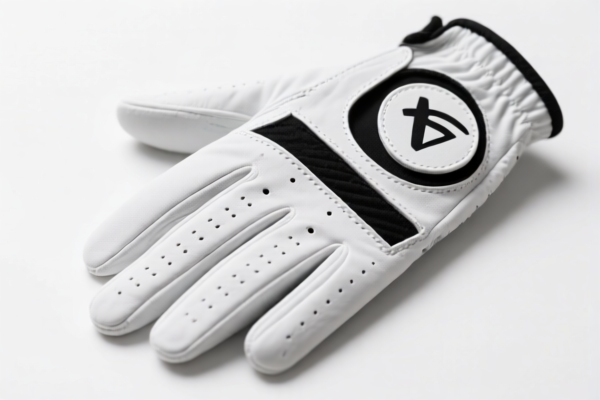
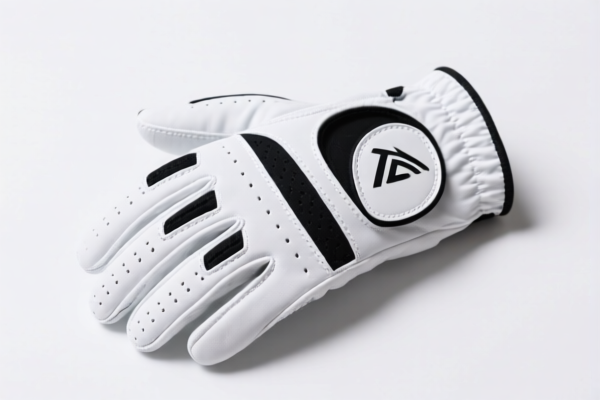
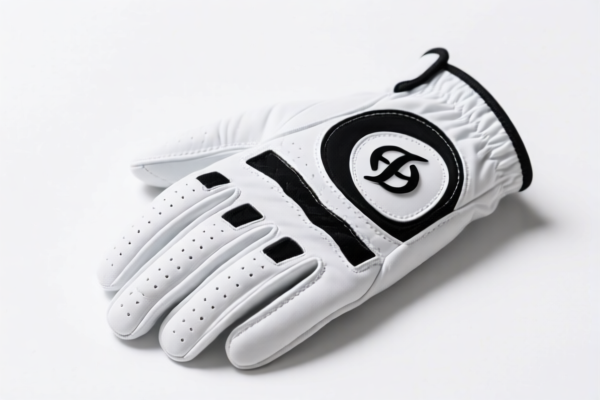
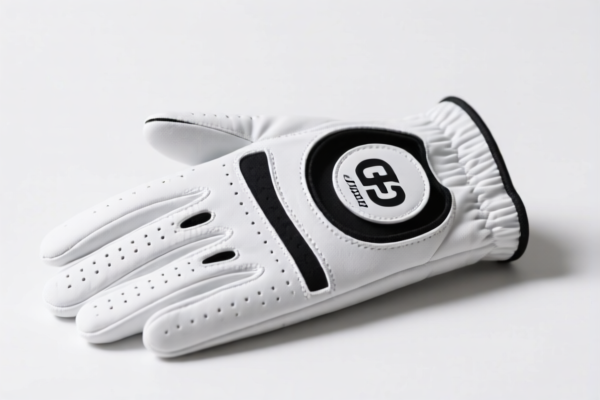
AI Analysis
🏌️♂️ Golf Sports Gloves (高尔夫运动手套)
🌐 HS Code Reference & Customs Clearance Guide | 2026 Latest Tariff Analysis | Professional Compliance Strategy
Golf gloves are essential protective gear for golfers, designed to enhance grip, prevent blisters, and ensure stable swing control. In international trade, classification depends heavily on material composition (leather vs. textile) and manufacturing method (knitted vs. woven/impregnated).
⚠️ Key Distinction Point:
- Leather/Genuine Skin: Typically classified under Chapter 62 (Woven/Non-knitted) if solid, or specific leather glove provisions.
- Knitted/Hooked (Yarn-based): Classified under Chapter 61.
- Impregnated/Coated (Plastic/Rubber/Synthetic Rubber): Often falls under specific subheadings for coated textiles or leather.
📦 II. HS Code Classification Details (Based on Provided Data)
Based on the <DATA> provided, here are the matched HS Codes with their specific tax implications. Note that multiple codes are possible depending on the exact material (e.g., synthetic leather vs. genuine leather, knitted cotton vs. impregnated fabric).
| HS Code | Product Description & Summary | Key Features | Total Tax Rate |
|---|---|---|---|
| 6216.00.08.00 | Impregnated/Coated Gloves Matched usage (Golf/Sports); Inferred material fits impregnated/coated plastic or rubber. |
• Woven/Non-knitted • Coated with Plastic/Rubber • Standard for many synthetic golf gloves |
18.3% |
| 6116.10.08.00 | Knitted/Cotton Gloves Matched usage (Golf/Sports); Inferred material is knitted/hooked with coating. |
• Knitted or Crocheted • Likely Cotton or Synthetic Yarn • Coated for grip |
20.3% |
| 6216.00.46.00 | Textile/Leather Gloves Matched usage (Sports) & Form (Glove); Inferred material is Man-made Fiber or Leather. |
• Woven/Non-knitted • Could be Split Leather or Synthetic Textile |
20.3% |
| 6116.92.64.40 | Other Knitted Gloves (High Tariff) Matched usage (Glove); Inferred Cotton/Synthetic Fiber, Knitted. |
• Knitted • General Category (Higher Base Duty) |
41.0% |
| 6216.00.08.00 | Sports Gloves (Redundant Entry) Matched usage (Sports) & Form; Inferred material includes Rubber/Plastic coating. |
• Same as first entry • Confirms 18.3% for coated woven gloves |
18.3% |
🔍 Critical Analysis:
- The lowest tax rate (18.3%) applies to HS 6216.00.08.00, which covers gloves impregnated, coated, or covered with plastic/rubber (common for synthetic golf gloves).
- The highest tax rate (41.0%) applies to HS 6116.92.64.40, a generic knitted glove category with a high base duty (23.5%). Avoid this code unless strictly necessary.
- Note on Material: Real leather golf gloves might fall under 6216.00.46.00 (20.3%), while knitted cotton gloves often fall under 6116.10.08.00 (20.3%) or the higher 6116.92.64.40.
💰 III. 2026 Tariff Rate Breakdown (Detailed)
✅ Applicable Country: United States (US)
✅ Origin: China (CN)
✅ Effective Date: From Nov 10, 2025 onwards
🎯 1. HS Code 6216.00.08.00 — Impregnated/Coated Woven Gloves (Recommended for Many Synthetics)
| Item | Details |
|---|---|
| Base Duty | 0.8% |
| Section 301 Duty (Trump Tariff) | +7.5% |
| Section 122 Duty (Biden Tariff) | +10.0% |
| Total Tax Rate | 18.3% |
| Calculation | CIF Value × 18.3% |
| De Minimis Exemption? | ❌ NO (Deny de minimis for China origin under these sections) |
| Legal Basis | USITC:6216.00.08.00 → Section 301: 7.5% → Section 122: 10% |
📌 Why 18.3%?
- The base duty is very low (0.8%) because these are considered "other gloves."
- However, two major additional tariffs apply:
1. Section 301 (7.5%): Imposed under previous trade actions.
2. Section 122 (10%): Imposed under the Biden Administration's recent adjustments to specific Chinese imports.
- Total = 0.8 + 7.5 + 10.0 = 18.3%.
🎯 2. HS Code 6116.10.08.00 — Knitted Cotton/Synthetic Gloves
| Item | Details |
|---|---|
| Base Duty | 2.8% |
| Section 301 Duty | +7.5% |
| Section 122 Duty | +10.0% |
| Total Tax Rate | 20.3% |
| Calculation | CIF Value × 20.3% |
| De Minimis Exemption? | ❌ NO |
| Legal Basis | USITC:6116.10.08.00 → Section 301: 7.5% → Section 122: 10% |
📌 Why 20.3%?
- Knitted gloves have a slightly higher base duty (2.8%) than impregnated woven gloves.
- The additional tariffs remain the same.
- Difference: Only 2.0% higher than the 6216.00.08.00 code.
🎯 3. HS Code 6216.00.46.00 — Other Woven Gloves (Leather/Fiber)
| Item | Details |
|---|---|
| Base Duty | 2.8% |
| Section 301 Duty | +7.5% |
| Section 122 Duty | +10.0% |
| Total Tax Rate | 20.3% |
| Calculation | CIF Value × 20.3% |
| Legal Basis | USITC:6216.00.46.00 → Section 301: 7.5% → Section 122: 10% |
📌 Why 20.3%?
- Similar base duty to knitted gloves.
- Commonly used for genuine leather or high-end synthetic woven gloves.
🎯 4. HS Code 6116.92.64.40 — Other Knitted Gloves (High Risk/High Cost)
| Item | Details |
|---|---|
| Base Duty | 23.5% |
| Section 301 Duty | +7.5% |
| Section 122 Duty | +10.0% |
| Total Tax Rate | 41.0% |
| Calculation | CIF Value × 41.0% |
| Legal Basis | USITC:6116.92.64.40 → Section 301: 7.5% → Section 122: 10% |
📌 Why 41.0%?
- Warning: This is a "catch-all" category for knitted gloves not specified elsewhere.
- The Base Duty is extremely high (23.5%).
- Only use this if no other code fits. Otherwise, it adds significant cost.
🛠️ IV. Customs Clearance Practical Advice
✅ 1. Documentation Checklist (Must-Have)
| Document | Required | Purpose |
|---|---|---|
| ✅ Product Specifications | ✔️ | Must detail: Material (e.g., "100% Leather," "Synthetic Knit"), Coating type (Plastic/Rubber), Brand, Model. |
| ✅ Material Composition Report | ✔️ | Critical to distinguish between Knitted (Ch.61) and Woven (Ch.62), and Leather vs. Textile. |
| ✅ Product Photos | ✔️ | Clear images showing texture, stitching, and any coating. Helps customs verify "impregnated/coated" status. |
| ✅ Commercial Invoice | ✔️ | Clearly state "Golf Gloves" and HS Code. Avoid vague terms like "Sports Accessories." |
| ✅ Packing List | ✔️ | Show quantity, weight, and packaging details. |
✅ 2. Classification Strategy (Key Mnemonics)
🔥 "Coated Woven = 18.3% | Knitted/Cotton = 20.3% | Catch-all Knit = 41.0%"
| Scenario | Recommended HS Code | Tax Rate | Reason |
|---|---|---|---|
| Synthetic Golf Gloves (Plastic-coated, woven fabric) | 6216.00.08.00 | 18.3% | Lowest Tax. Fits "impregnated/coated" description perfectly. |
| Real Leather Golf Gloves | 6216.00.46.00 | 20.3% | High-quality leather gloves often fall here. |
| Cotton Knitted Golf Gloves | 6116.10.08.00 | 20.3% | If they are knitted and have a light coating. |
| Generic Knitted Gloves (No specific coating/leather) | 6116.92.64.40 | 41.0% | AVOID. Only if no better match exists. Very high base duty. |
✅ 3. Special Handling Tips
| Situation | Advice |
|---|---|
| Mixed Materials | If a glove has a leather palm and knitted back, customs may classify based on the principal material or the most significant component. Provide a detailed breakdown. |
| Branded vs. Generic | Brand does not affect HS code, but accurate description helps avoid "misdeclaration" flags. Use "Golf Glove" not just "Glove." |
| Set of Gloves | If selling a pair or set, declare as a single unit with the total value. Do not split unless required. |
| Section 122 Impact | Remember, the 10% Section 122 tariff is new and applies to most Chinese-origin goods. Factor this into your pricing strategy. |
🌍 V. Global Market Comparison (2026)
| Market | Recommended HS Code | Est. Total Tax (China Origin) | Notes |
|---|---|---|---|
| 🇺🇸 USA | 6216.00.08.00 |
18.3% | Includes Section 301 (7.5%) + Section 122 (10%). |
| 🇺🇸 USA | 6116.92.64.40 |
41.0% | Avoid unless necessary. |
| 🇪🇺 EU | Varies (e.g., 6116/6216) | Varies (0-10%) | No Section 301/122 tariffs. Check local CE/REACH compliance. |
| 🇨🇳 China (Import) | 6116/6216 |
0-10% | No punitive tariffs. Standard MFN rates apply. |
| 🇬🇧 UK | Varies | 0-10% | Post-Brexit rules. Check UK Tariff. |
📌 Conclusion:
- USA is the most expensive market due to additional tariffs.
- Optimize for HS 6216.00.08.00 if your gloves are coated/impregnated woven synthetic material to save ~2% compared to knitted options.
- Avoid HS 6116.92.64.40 due to its prohibitive 41% tax rate.
📌 VI. Common Mistakes & Pitfalls
❌ Mistake 1: Classifying all golf gloves as 6116.92.64.40
👉 Consequence: Paying 41% tax instead of 18.3%. Loss of ~22.7% margin!
❌ Mistake 2: Ignoring the Section 122 (10%) tariff
👉 Consequence: Underquoting the landed cost, leading to cash flow issues or unexpected duties at customs.
❌ Mistake 3: Vague Description "Sports Gloves"
👉 Consequence: Customs may classify based on worst-case scenario or request additional info, causing delays.
✅ Fix: Use "Golf Gloves, Synthetic, Coated, Men's" or similar.
❌ Mistake 4: Assuming Leather = Lower Tax
👉 Consequence: Leather gloves (6216.00.46.00) are 20.3%, while coated synthetic (6216.00.08.00) are 18.3%. Synthetics can be cheaper!
🎯 VII. Final Recommendation
🎯 Action Plan: 1. Identify Material: Is it woven and coated? → 6216.00.08.00 (18.3%). 2. Check Knitting: Is it knitted cotton with coating? → 6116.10.08.00 (20.3%). 3. Avoid Generic: Do not use 6116.92.64.40 unless absolutely forced. 4. Document: Provide material specs to prove "impregnated/coated" status for the lower tax rate.
📌 Pro Tip:
If you are importing from China, factor in the 18.3% minimum (for optimal codes) or 41% (for suboptimal codes).
Consider supplier verification to ensure the material matches the declared HS Code (e.g., don't declare coated if it's not, or vice versa).
📣 Immediate Action:
📞 Contact your freight forwarder with the Material Composition Report.
📝 Update your Incoterms and pricing to include the Section 122 + 301 tariffs.
🚀 Optimize your HS Code to 6216.00.08.00 if possible to save 2-23% in duties.
✨ Smart Classification = Higher Profits!
💼 Don't let tariff confusion cost you your margin on golf gloves!
Customer Reviews
About HS Code Classification
The Harmonized System (HS) is an internationally standardized nomenclature developed by the World Customs Organization (WCO) to classify traded products. Over 200 countries use the HS system as the basis for customs tariffs, trade statistics, and import/export regulations.
Each HS code follows a hierarchical structure:
- Chapter (2 digits) — Broad category of goods (e.g., Chapter 84: Machinery and Mechanical Appliances)
- Heading (4 digits) — More specific grouping within the chapter
- Subheading (6 digits) — Internationally standardized breakdown, used by all WCO member countries
- National subdivisions (8-10 digits) — Country-specific extensions for further classification, such as US HTSUS 10-digit codes
Correct HS code classification is essential for smooth customs clearance, accurate duty payment, and compliance with trade regulations. Misclassification can lead to customs delays, overpayment of duties, or penalties.
When importing from CN to US, the applicable tariff rates may include:
- Most-Favored-Nation (MFN) rate — The standard duty rate applied to WTO members
- General rate — Applied to countries without trade agreements
- Trade remedy duties — Additional tariffs such as Section 301 (anti-dumping), Section 232 (national security), or countervailing duties
The information provided on this page is for reference purposes only. For official classification, please consult with your local customs authority or a licensed customs broker.