Golf Synthetic Leather Gloves
CN → US| HS Code | Tariff Rate | Origin | Destination | Doc |
|---|---|---|---|---|
| 6116100800 | 20.3% | CN | US | Official Doc |
| 6216004600 | 20.3% | CN | US | Official Doc |
| 6116926440 | 41.0% | CN | US | Official Doc |
| 6216000800 | 18.3% | CN | US | Official Doc |
| 6216004600 | 20.3% | CN | US | Official Doc |
Product Images
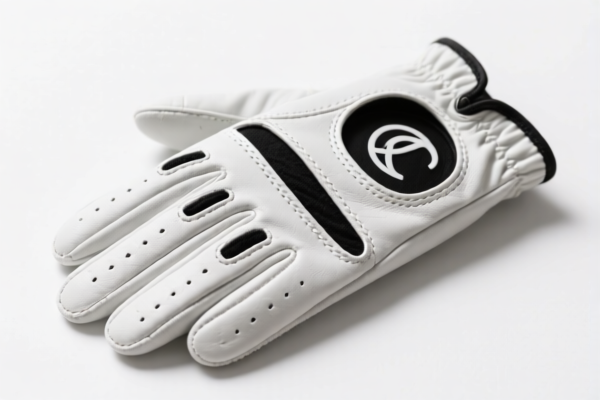
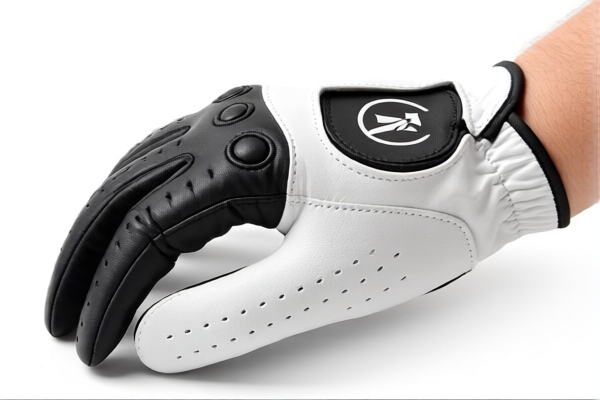
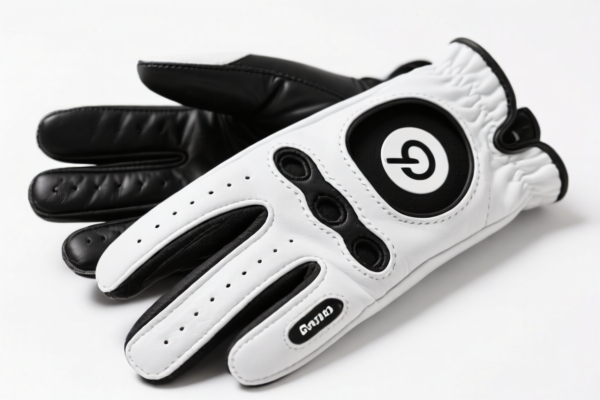
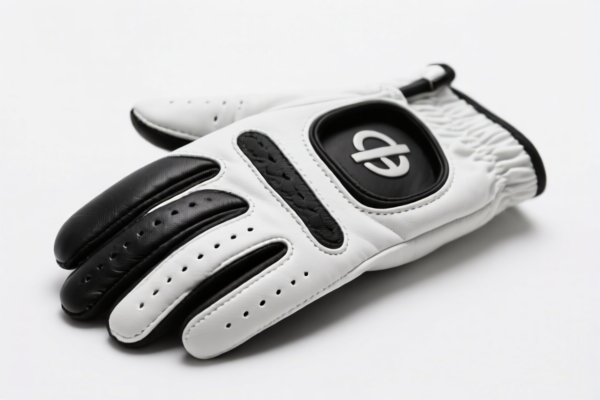
AI Analysis
🏌️♂️ Golf Synthetic Leather Gloves
🌐 HS Code Reference & Customs Clearance Guide | 2026 Latest Tariff Analysis | Professional Classification Strategy
📌 I. Product Definition & Classification: Understanding "Golf Gloves"
Golf gloves are specialized protective gear designed to enhance grip, prevent blisters, and improve control during the swing. In international trade, the classification depends heavily on two factors: Material Composition (Knitted vs. Artificial Leather) and Manufacturing Process.
Key Distinction Points: * Knitted/Crocheted Gloves (Ch 61): Typically made from synthetic fibers (polyester/nylon) with or without coating. Classified under Heading 61. * Artificial Leather/Gusseted Gloves (Ch 62): Often constructed from man-made materials or synthetic leather, sometimes with rubber/plastic coatings for enhanced grip. Classified under Heading 62.
⚠️ Critical Classification Logic:
- If the glove is knitted or crocheted (even if synthetic leather-like texture), it generally falls under 6116.
- If the glove is not knitted/crocheted (e.g., cut-and-sew artificial leather or coated fabric), it falls under 6216.
- Golf Specifics: While "Golf" describes the use, HS codes primarily rely on material. However, specific sub-headings often align with sports equipment accessories.
📦 II. HS Code Classification Details (2026 Latest Tariff Authority Mapping)
Based on the provided data, here are the four primary classification paths for Golf Synthetic Leather Gloves:
| HS Code | Product Description & Inference | Material/Structure Logic | Applicable Scenario |
|---|---|---|---|
| 6116.10.08.00 | Knitted/Crocheted Gloves, Coated | Knitted base + Coating | Synthetic knit gloves with rubber/plastic coating for grip. |
| 6216.00.46.00 | Gloves, Artificial Fiber or Leather | Non-knitted, Artificial Material | Cut-and-sew gloves made of synthetic leather or man-made fibers. |
| 6116.92.64.40 | Knitted Gloves, Other Textile Materials | Knitted, Cotton/Synthetic Blend | Knitted gloves not specifically coated as per 6116.10, or other textile blends. |
| 6216.00.08.00 | Gloves, Containing Rubber/Plastic Coating | Non-knitted, Coated | Synthetic leather gloves with significant rubber/plastic coating for weather resistance or grip. |
🔍 Key Insight:
- 6116 vs. 6216: The primary split is between Knitted/Crocheted (61) and Non-Knitted/Other (62).
- Coating Impact: Coated gloves often attract higher duties due to additional processing/value addition in some tariff schedules.
- Golf Use: While "Golf" is the use case, the HS code is determined by the material. Ensure your product description matches the physical construction.
💰 III. 2026 Latest Tariff Rate Breakdown (Including Surtaxes & Policy Additions)
✅ Applicable Country: USA (US)
✅ Origin: China (CN)
✅ Effective Date: Post-2025 (Includes subsequent imports)
🎯 1. 6116.10.08.00 —— Knitted/Crocheted Gloves, Coated
| Item | Detail |
|---|---|
| Base Tariff | 2.8% (ad valorem) |
| Section 301 Surtax | +7.5% |
| Section 122 Tariff | +10% |
| Total Tax Rate | 20.3% |
| Tax Calculation | CIF Value × 20.3% |
| De Minimis Exemption? | ❌ No (Denied for Chinese origin under these sections) |
| Legal Basis | Base Tariff + USITC 301 Footnotes + IEEPA 122 Provisions |
📌 Explanation:
- This code applies to knitted gloves with a coating (e.g., palm grip).
- The total rate of 20.3% reflects the cumulative burden of base duties plus significant US-China trade war tariffs (Section 301 and Section 122).
🎯 2. 6216.00.46.00 —— Gloves, Artificial Fiber or Leather
| Item | Detail |
|---|---|
| Base Tariff | 2.8% (ad valorem) |
| Section 301 Surtax | +7.5% |
| Section 122 Tariff | +10% |
| Total Tax Rate | 20.3% |
| Tax Calculation | CIF Value × 20.3% |
| De Minimis Exemption? | ❌ No |
| Legal Basis | Base Tariff + USITC 301 Footnotes + IEEPA 122 Provisions |
📌 Explanation:
- This code is for non-knitted gloves made of artificial materials (common for synthetic leather golf gloves).
- Tax rate is identical to6116.10.08.00due to the same surtax structure.
🎯 3. 6116.92.64.40 —— Knitted Gloves, Other Textile Materials
| Item | Detail |
|---|---|
| Base Tariff | 23.5% (ad valorem) |
| Section 301 Surtax | +7.5% |
| Section 122 Tariff | +10% |
| Total Tax Rate | 41.0% |
| Tax Calculation | CIF Value × 41.0% |
| De Minimis Exemption? | ❌ No |
| Legal Basis | Base Tariff + USITC 301 Footnotes + IEEPA 122 Provisions |
📌 Warning:
- This is the highest tax rate (41.0%).
- It applies to knitted gloves that do not fit the specific "coated" (6116.10) or standard artificial fiber categories.
- Avoid this code if possible by correctly classifying as coated (6116.10) or artificial leather (6216).
🎯 4. 6216.00.08.00 —— Gloves, Containing Rubber/Plastic Coating
| Item | Detail |
|---|---|
| Base Tariff | 0.8% (ad valorem) |
| Section 301 Surtax | +7.5% |
| Section 122 Tariff | +10% |
| Total Tax Rate | 18.3% |
| Tax Calculation | CIF Value × 18.3% |
| De Minimis Exemption? | ❌ No |
| Legal Basis | Base Tariff + USITC 301 Footnotes + IEEPA 122 Provisions |
📌 Strategy:
- This code has the lowest base tariff (0.8%) but still incurs full surtaxes.
- Total rate is 18.3%, the lowest among all options.
- Applicable if the glove is non-knitted and has a rubber/plastic coating (common in premium synthetic leather golf gloves for water resistance).
🛠️ IV. Customs Clearance Practical Advice (Real-World Pitfall Avoidance)
✅ 1. Essential Documentation Checklist
| Document | Required? | Purpose |
|---|---|---|
| ✅ Product Specification Sheet | ✔️ | Must detail material (e.g., "Polyester Knit," "PU Leather"), coating type, and golf-specific features. |
| ✅ Material Composition Label | ✔️ | Clearly states % of Cotton, Polyester, PU, Rubber, etc. |
| ✅ Product Photos (High-Res) | ✔️ | Show texture, coating, stitching (knitted vs. cut-and-sew), and packaging. |
| ✅ Commercial Invoice | ✔️ | Must specify "Golf Gloves" and HS Code. Avoid vague terms like "Sports Accessories." |
| ✅ Packing List | ✔️ | Confirm quantity and unit weight. |
| ✅ Origin Certificate (if applicable) | ✔️ | For non-Chinese origins to claim exemptions (not applicable for CN origin here). |
✅ 2. Declaration Tips (Key Mnemonics)
🔥 "Knit vs. Cut, Coated or Bare, Check the Base!"
| Scenario | Correct HS Code | Incorrect Action | Consequence |
|---|---|---|---|
| Knitted glove with palm coating | 6116.10.08.00 (20.3%) |
Declare as 6216.00.08.00 |
Risk of reclassification & penalty. |
| Cut-and-sew synthetic leather | 6216.00.46.00 (20.3%) |
Declare as 6116.92.64.40 (41%) |
Overpaying 20.7% in taxes! |
| Coated synthetic leather (non-knit) | 6216.00.08.00 (18.3%) |
Declare as 6216.00.46.00 |
Overpaying 2.0% unnecessarily. |
| Ambiguous textile glove | 6116.92.64.40 (41%) |
AVOID | Highest tax burden. |
💡 Optimization Tip:
- If your synthetic leather glove is non-knitted and has a rubber/plastic coating, strive to classify under6216.00.08.00for the lowest total tax rate of 18.3%.
- If it is knitted, aim for6116.10.08.00(20.3%) rather than6116.92.64.40(41%).
✅ 3. Special Cases Handling
| Case | Handling Advice |
|---|---|
| OEM/Private Label | Provide brand authorization if required, but HS code remains based on product specs. |
| Mixed Materials | If glove has leather palm and knit back, consult with a customs broker. Usually classified by principal material or essential character. |
| Packaging | Gloves in blister packs are still classified as gloves. Do not declare as "Packaging." |
| Samples | Even for samples, if value exceeds $800, duties apply. Use de minimis only if under threshold and non-commercial. |
🌍 V. Global Market Customs Comparison (2026 Latest)
| Country/Region | Recommended HS Code | Estimated Duty (China Origin) | Certification/Notes |
|---|---|---|---|
| 🇺🇸 USA | 6216.00.08.00 or 6116.10.08.00 |
18.3% – 20.3% (incl. Surtaxes) | High scrutiny on "Section 122" and "301" tariffs. |
| 🇨🇳 China | 6116.10.00 or 6216.00.00 |
8% – 10% | Import duties for foreign brands. |
| 🇪🇺 EU | 6116.10 or 6216.00 |
0% – 4.5% (standard) | No Section 122/301 equivalent. Rebuttal possible under EBA if applicable. |
| 🇬🇧 UK | 6116.10 or 6216.00 |
0% – 4.5% | Post-Brexit tariff schedule. |
| 🇦🇺 Australia | 6116.10 or 6216.00 |
5% | No significant surtaxes. |
📌 Conclusion:
- The USA is the most expensive market for Chinese-made golf gloves due to Section 301 and Section 122 tariffs.
- EU/UK/Australia are significantly more cost-effective for exporters.
- Optimize for 18.3% if shipping to the US by correctly classifying coated, non-knitted synthetic gloves.
📌 VI. Common Errors & Pitfall Guide (Lessons Learned)
❌ Error 1: Declaring knitted gloves as "Artificial Leather" (Ch 62) to avoid knitted duties.
👉 Consequence: Customs may reject if material is visibly knitted. Risk of 41% rate if misclassified under general textile.
❌ Error 2: Ignoring the "Coating" aspect.
👉 Consequence: If a glove has a rubber palm, failing to declare it as "Coated" might lead to classification under 6116.92.64.40 (41%) instead of 6116.10.08.00 (20.3%).
❌ Error 3: Assuming "Golf Gloves" have a special tariff rate.
👉 Consequence: There is no special "Golf" HS Code. They are classified by material. Using wrong material code leads to incorrect duty calculation.
❌ Error 4: Overlooking Section 122 Tariffs.
👉 Consequence: Section 122 imposes an additional 10% on many textiles and apparel. If excluded, you underpay duties and face penalties upon audit.
✅ Correct Declaration Example:
"Golf Gloves, Synthetic Leather (Polyurethane), Non-Knitted, Rubber Coated Palm, Model XG-2024, Chinese Origin"
🎯 VII. Conclusion: Precision Classification, Cost Efficiency
🎯 Remember:
🔹 "Knit or Cut? Coated or Bare? Check the Base!"
🔹 "Aim for 6216.00.08.00 (18.3%) if non-knitted and coated."
🔹 "Avoid 6116.92.64.40 (41%) at all costs."
🔹 "Section 122 + 301 = High Taxes. Optimize Structure!"
📌 Pro Tip:
- If your synthetic leather gloves are imported into the US, ensure your supplier provides a detailed material breakdown.
- Consider pre-classification rulings from US CBP if the product has a complex hybrid structure.
- For high-volume shipments, explore FTA opportunities if sourcing materials from Vietnam, Mexico, or Thailand (though unlikely for final assembly in China).
📣 Immediate Action:
📞 Consult a licensed customs broker to verify the "Knitted vs. Cut-and-Sew" status of your gloves.
📸 Provide clear photos of the interior structure (knit vs. woven/cut) and palm coating.
🚀 Classify correctly from day one to avoid 18.3% - 41% tariff shocks!
✨ Professional Clearance Starts with Accurate Classification!
💼 Every percentage point counts in the tariff game!
Customer Reviews
About HS Code Classification
The Harmonized System (HS) is an internationally standardized nomenclature developed by the World Customs Organization (WCO) to classify traded products. Over 200 countries use the HS system as the basis for customs tariffs, trade statistics, and import/export regulations.
Each HS code follows a hierarchical structure:
- Chapter (2 digits) — Broad category of goods (e.g., Chapter 84: Machinery and Mechanical Appliances)
- Heading (4 digits) — More specific grouping within the chapter
- Subheading (6 digits) — Internationally standardized breakdown, used by all WCO member countries
- National subdivisions (8-10 digits) — Country-specific extensions for further classification, such as US HTSUS 10-digit codes
Correct HS code classification is essential for smooth customs clearance, accurate duty payment, and compliance with trade regulations. Misclassification can lead to customs delays, overpayment of duties, or penalties.
When importing from CN to US, the applicable tariff rates may include:
- Most-Favored-Nation (MFN) rate — The standard duty rate applied to WTO members
- General rate — Applied to countries without trade agreements
- Trade remedy duties — Additional tariffs such as Section 301 (anti-dumping), Section 232 (national security), or countervailing duties
The information provided on this page is for reference purposes only. For official classification, please consult with your local customs authority or a licensed customs broker.