Golf Training Gloves
CN → US| HS Code | Tariff Rate | Origin | Destination | Doc |
|---|---|---|---|---|
| 6216000800 | 18.3% | CN | US | Official Doc |
| 6116100800 | 20.3% | CN | US | Official Doc |
| 6216004600 | 20.3% | CN | US | Official Doc |
| 6116926440 | 41.0% | CN | US | Official Doc |
| 6216000800 | 18.3% | CN | US | Official Doc |
Product Images
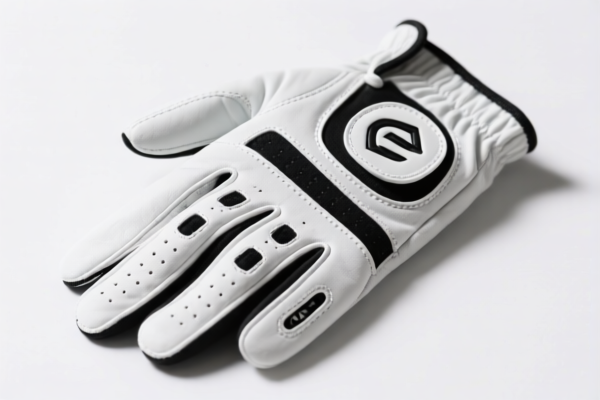
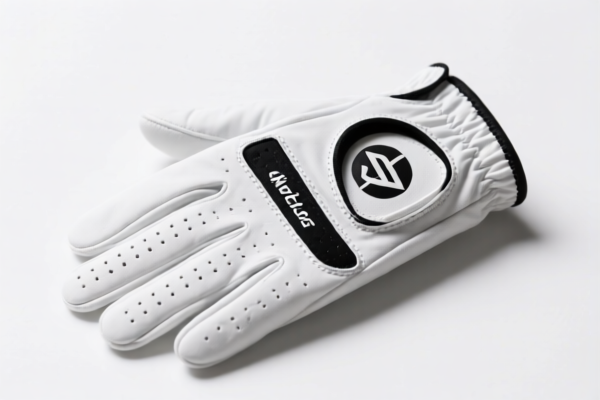
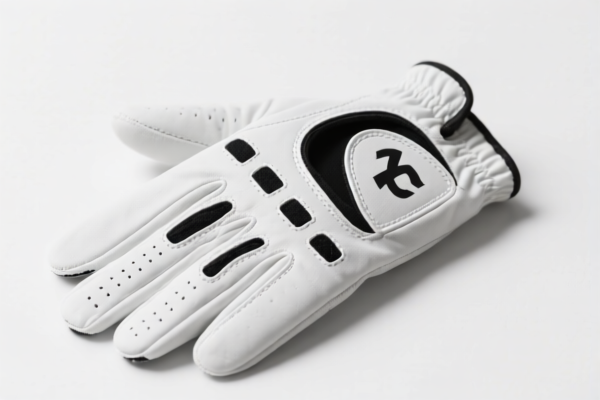
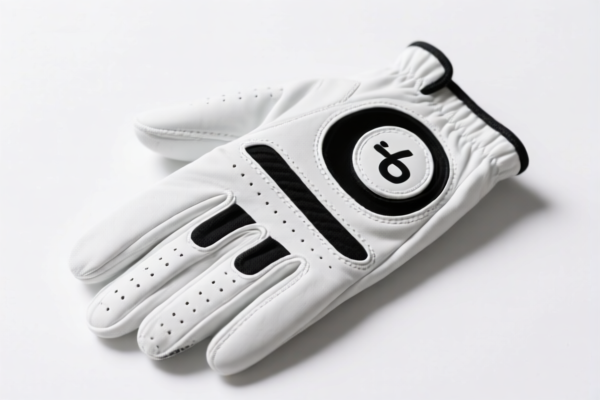
AI Analysis
🏌️♂️ Golf Training Gloves (Sports Gloves)
🌐 HS Code Reference & Customs Clearance Guide | 2026 Latest Tariff Analysis | Professional Clearance Strategy
📌 I. Product Definition and Classification: What exactly are "Golf Training Gloves"?
Golf training gloves are specialized protective gear designed for sports use. In international trade, they are primarily classified under Headings 61 (Knitted/Crocheted) and 62 (Non-Knitted/Non-Crocheted). The specific classification depends heavily on two factors: 1. Construction Method: Are they knitted/hook-knitted (Heading 61) or sewn/constructed from cut fabric (Heading 62)? 2. Material & Surface Treatment: * If they are impregnated, coated, or covered with plastic/rubber, they often fall under 6216. * If they are knitted and coated, they may fall under 6116 (depending on the specific material and coating level). * If made of leather or synthetic leather, they may fall under different sub-headings.
⚠️ Key Distinction Point:
- Knitted/Crocheted + Coated → Often 6116 series.
- Non-Knitted (Sewn) + Coated/Impregnated → Often 6216.00.08.00.
- Uncoated/Specific Material (e.g., Synthetic Fiber) → May fall under 6116.92 or 6216.00.46.
📦 II. HS Code Classification Details (Based on Provided Data)
| HS Code | Product Description | Basis for Classification | Total Tax Rate |
|---|---|---|---|
6216.00.08.00 |
Gloves, impregnated, coated, or covered with plastic or rubber; for sports (Golf) | Matches use (Golf/Sports); inferred material fits plastic/rubber coating. Non-knitted construction assumed. | 18.3% |
6116.10.08.00 |
Gloves, knitted or crocheted, impregnated, coated, or covered with plastic or rubber; for sports | Matches use (Golf); inferred material is knitted/crocheted with coating. | 20.3% |
6216.00.46.00 |
Gloves, made of artificial fibers or leather; for sports (Golf) | Matches use (Sports) and form (Gloves); inferred material is synthetic fiber or leather, uncoated or differently treated. | 20.3% |
6116.92.64.40 |
Gloves, knitted or crocheted, of cotton or synthetic fibers, not elsewhere specified; for general/golf use | Matches form; inferred material is cotton/synthetic fiber, knitted. High tax bracket applies due to specific sub-category. | 41.0% |
🔍 Important Note:
- The same product can have vastly different tax rates (18.3% vs 41.0%) depending on the exact material composition and manufacturing process (knitted vs. woven/sewn) and whether it is coated. - Customs Declaration Accuracy is critical. Misdeclaring a knitted glove as non-knitted (or vice versa) can lead to significant tax discrepancies.
💰 III. 2026 Latest Tariff Rate Breakdown (Including Surtaxes)
✅ Applicable Country: USA (US)
✅ Country of Origin: China (CN)
✅ Effective Date: Including imports after Nov 10, 2025
🎯 1. 6216.00.08.00 — Sports Gloves (Plastic/Rubber Coated, Non-Knitted)
| Item | Content |
|---|---|
| Base Tariff | 0.8% (ad valorem) |
| Surtax (Section 301) | +7.5% |
| Surtax (Section 122) | +10% |
| Total Effective Rate | 18.3% |
| Tax Calculation | CIF Value × 18.3% |
| De Minimis Eligibility | ❌ No (High tax rate usually disqualifies from de minimis benefits depending on specific CBP enforcement) |
| Legal Path | Base Tariff → Section 301 → Section 122 |
📌 Explanation:
- This is a favorable classification if the glove is non-knitted and coated. - The base duty is very low (0.8%), making the total burden manageable. - Suitable for: Gloves made from woven fabric with a rubber palm for grip.
🎯 2. 6116.10.08.00 — Knitted/Crocheted Sports Gloves (Coated)
| Item | Content |
|---|---|
| Base Tariff | 2.8% (ad valorem) |
| Surtax (Section 301) | +7.5% |
| Surtax (Section 122) | +10% |
| Total Effective Rate | 20.3% |
| Tax Calculation | CIF Value × 20.3% |
| De Minimis Eligibility | ❌ No |
| Legal Path | Base Tariff → Section 301 → Section 122 |
📌 Explanation:
- This applies to knitted gloves with a plastic/rubber coating. - Slightly higher than6216.00.08.00due to the higher base rate (2.8% vs 0.8%). - Suitable for: Knitted golf gloves with a synthetic leather or rubber palm.
🎯 3. 6216.00.46.00 — Sports Gloves (Artificial Fiber/Leather)
| Item | Content |
|---|---|
| Base Tariff | 2.8% (ad valorem) |
| Surtax (Section 301) | +7.5% |
| Surtax (Section 122) | +10% |
| Total Effective Rate | 20.3% |
| Tax Calculation | CIF Value × 20.3% |
| De Minimis Eligibility | ❌ No |
| Legal Path | Base Tariff → Section 301 → Section 122 |
📌 Explanation:
- Used if the glove is non-knitted but made of artificial fibers or leather without the specific "impregnated/coated" classification of 6216.00.08. - Suitable for: Uncoated leather or synthetic fabric gloves.
🎯 4. 6116.92.64.40 — Knitted Gloves (Cotton/Synthetic, Specific Sub-category)
| Item | Content |
|---|---|
| Base Tariff | 23.5% (ad valorem) |
| Surtax (Section 301) | +7.5% |
| Surtax (Section 122) | +10% |
| Total Effective Rate | 41.0% |
| Tax Calculation | CIF Value × 41.0% |
| De Minimis Eligibility | ❌ No |
| Legal Path | Base Tariff → Section 301 → Section 122 |
📌 Warning:
- This is a very high tax rate. - Likely applies to specific cotton/synthetic knitted gloves that do not fit the "coated" definition of 6116.10 or are deemed less specialized. - Avoid this classification if possible by accurately describing the product as "coated" or "plastic-covered."
🛠️ IV. Customs Clearance Practical Advice (Battle-Tested Pitfall Guide)
✅ 1. Documentation Checklist (Non-Negotiable)
| Document | Required | Explanation |
|---|---|---|
| ✅ Product Spec Sheet | ✔️ | Must specify: Knitted vs. Non-Knitted, Material (Leather/Synthetic/Cotton), Coating Type (Rubber/Plastic). |
| ✅ Product Photos | ✔️ | Clear images showing texture (knit vs. woven) and coating. |
| ✅ Commercial Invoice | ✔️ | Describe accurately: "Golf Gloves, Knitted, Rubber Coated Palm." Avoid vague terms like "Training Accessories." |
| ✅ Material Declaration | ✔️ | Explicitly state % of materials (e.g., 80% Cotton, 20% Rubber Coating). |
| ✅ Packing List | ✔️ | Standard export packing list. |
✅ 2. Declaration Strategy (Key Mantras)
🔥 “Material Determines Code, Coating Lowers Duty!”
| Scenario | Correct Declaration | Risk of Error |
|---|---|---|
| Knitted + Rubber Palm | 6116.10.08.00 (20.3%) |
If declared as uncoated → 6116.92.64.40 (41.0%) → 20.7% Overpay! |
| Woven/Sewn + Rubber Palm | 6216.00.08.00 (18.3%) |
If declared as knitted → 6116.10.08.00 (20.3%) → 2% Overpay. |
| Leather Glove | 6216.00.46.00 (20.3%) |
Must prove material is leather/synthetic, not plain fabric. |
| Cotton Glove (No Coating) | 6116.92.64.40 (41.0%) |
High Risk! Try to argue for coated classification if any treatment exists. |
✅ 3. Special Situations
| Situation | Handling Advice |
|---|---|
| Dual-Palm Gloves (One leather, one synthetic) | Declare based on the primary material or value. Consult a broker for split classification if allowed. |
| Logo Embroidery | Does not change HS code. Ensure description says "Embroidered Golf Gloves." |
| Sample vs. Commercial Shipment | Both subject to same duties. De minimis (Section 321) is not available for goods from China subject to Section 301/122 surtaxes if the value exceeds the threshold or if specific exclusions don’t apply. |
🌍 V. Global Market Comparison (2026)
| Country/Region | Recommended HS Code | Tariff Rate (China Origin) | Notes |
|---|---|---|---|
| 🇺🇸 USA | 6216.00.08.00 / 6116.10.08.00 |
18.3% - 20.3% | Includes Section 301 (7.5%) + Section 122 (10%). |
| 🇨🇳 China | 6216.00.08.00 |
~5-10% | Lower base duty, no surtaxes. |
| 🇪🇺 EU | 6216.00.08.00 |
~4-16% | Depends on exact material. No Section 122 equivalent. |
| 🇬🇧 UK | 6216.00.08.00 |
~5-15% | Post-Brexit tariffs apply. |
📌 Conclusion for US Market:
- The Section 122 (10%) and Section 301 (7.5%) surtaxes are mandatory for Chinese-origin golf gloves. - Optimization Strategy: Ensure the product is classified under 6216.00.08.00 (18.3%) rather than 6116.92.64.40 (41.0%) by proving the coating or knitted nature accurately. - Cost Saving: Saving 20%+ on duty by correct classification is worth the effort of precise documentation.
📌 VI. Common Errors & Pitfalls (Lessons Learned)
❌ Error 1: Declaring "Golf Gloves" without specifying Knitted vs. Non-Knitted.
👉 Result: CBP may assign the wrong code, leading to audits, back-taxes, and penalties.
❌ Error 2: Ignoring the Coating.
👉 Result: If you don’t declare the rubber/plastic coating, you might be classified under a higher-tariff "uncoated" sub-category (e.g., 6116.92).
❌ Error 3: Assuming all gloves are the same.
👉 Result: A 100% cotton knitted glove has a 41.0% tax rate, while a rubber-coated one has 18.3%. Material matters!
✅ Correct Description Example:
"Men's Golf Training Gloves, Knitted Cotton, Rubber Coated Palm, Black/White, Model XYZ, Made in China"
🎯 VII. Conclusion: Precision in Classification, Profit in Clearance!
🎯 Remember the Mantras:
🔹 "Knitted + Coated = 20.3%" (
6116.10.08.00)
🔹 "Non-Knitted + Coated = 18.3%" (6216.00.08.00)
🔹 "Uncoated/Specialized = 41.0%" (6116.92.64.40)
🔹 "Get it right, save 20%, sleep tight!"
📌 Pro Tip:
If your golf gloves are coated, ensure the commercial invoice explicitly states "Impregnated, Coated, or Covered with Plastic or Rubber." This is the key to unlocking the lower tax rates.
📣 Immediate Action:
📞 Contact your customs broker with clear photos and material specs.
📋 Request a Pre-Ruling if the product mix is complex.
🚀 Clear customs smoothly, maximize margins, and drive sales!
✨ Professional clearance starts with accurate classification!
💼 Your every penny saved in duty is pure profit!
Customer Reviews
About HS Code Classification
The Harmonized System (HS) is an internationally standardized nomenclature developed by the World Customs Organization (WCO) to classify traded products. Over 200 countries use the HS system as the basis for customs tariffs, trade statistics, and import/export regulations.
Each HS code follows a hierarchical structure:
- Chapter (2 digits) — Broad category of goods (e.g., Chapter 84: Machinery and Mechanical Appliances)
- Heading (4 digits) — More specific grouping within the chapter
- Subheading (6 digits) — Internationally standardized breakdown, used by all WCO member countries
- National subdivisions (8-10 digits) — Country-specific extensions for further classification, such as US HTSUS 10-digit codes
Correct HS code classification is essential for smooth customs clearance, accurate duty payment, and compliance with trade regulations. Misclassification can lead to customs delays, overpayment of duties, or penalties.
When importing from CN to US, the applicable tariff rates may include:
- Most-Favored-Nation (MFN) rate — The standard duty rate applied to WTO members
- General rate — Applied to countries without trade agreements
- Trade remedy duties — Additional tariffs such as Section 301 (anti-dumping), Section 232 (national security), or countervailing duties
The information provided on this page is for reference purposes only. For official classification, please consult with your local customs authority or a licensed customs broker.