Grabber Tongs
CN → US| HS Code | Tariff Rate | Origin | Destination | Doc |
|---|---|---|---|---|
| 7326908688 | 87.9% | CN | US | Official Doc |
| 7326908635 | 87.9% | CN | US | Official Doc |
| 3926906520 | 14.2% | CN | US | Official Doc |
| 3926906550 | 14.2% | CN | US | Official Doc |
Product Images
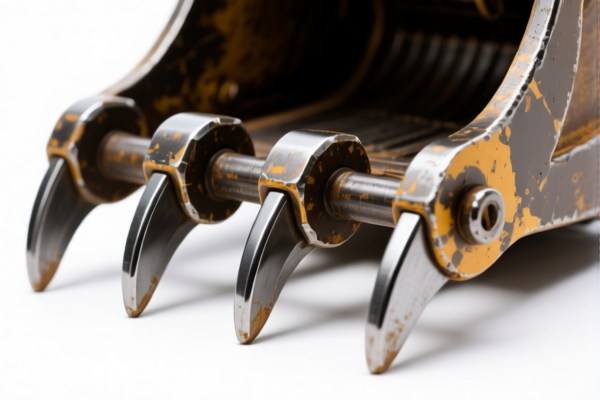
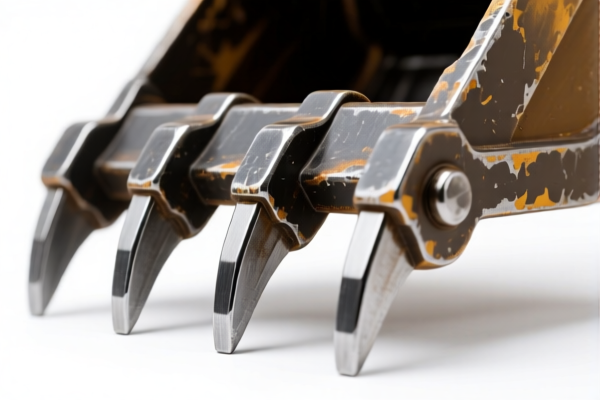
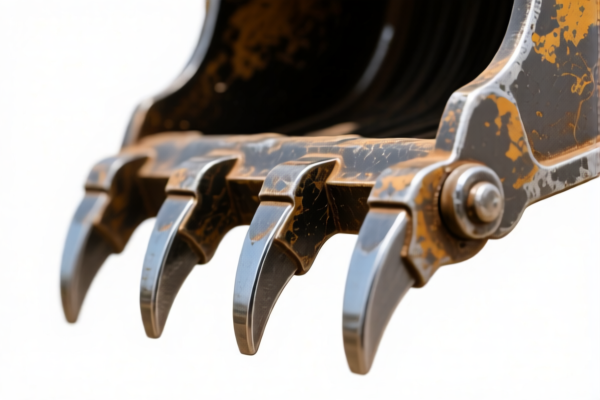
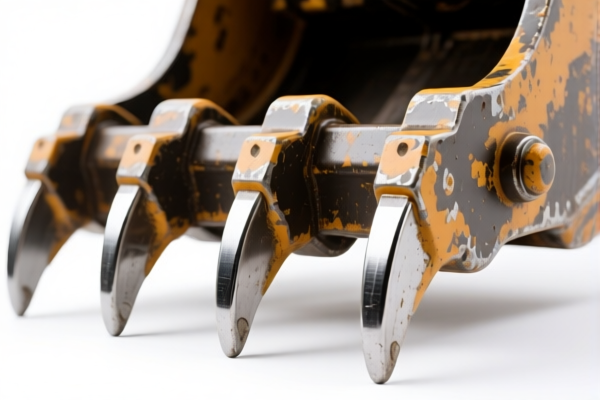
AI Analysis
🛠️ Grabber Tongs (Reachers / Grabber Tools)
🌐 HS Code Reference & Customs Clearance Guide | 2026 Latest Tariff Analysis | Professional Customs Strategy
📌 I. Product Definition & Classification: Do You Really Understand "Grabber Tongs"?
Grabber tongs (also known as reachers, grabbers, or extended-hand graspers) are handheld tools designed to grasp objects from a distance or in hard-to-reach places. They are widely used in daily life, elderly care, industrial cleaning, and hazardous material handling.
In international trade, their classification depends heavily on material composition and mechanism:
- Metal/Metal-Plastic Hybrid: Most common industrial and heavy-duty grabbers are made of stainless steel or aluminum alloy, often with plastic grips or jaws.
- All-Plastic: Lightweight, low-cost grabbers made entirely of plastic (e.g., ABS, Polypropylene).
- Specialty/Clamp Type: Some are classified as clothespins or similar clamping devices if they function primarily as fasteners rather than gripping tools for distant objects.
⚠️ Key Distinction Point:
- If the primary material is metal (iron/steel) →归入 Chapter 73 (Articles of Iron or Steel)
- If the primary material is plastic (headings 3901-3914) →归入 Chapter 39 (Articles of Plastics)
- Critical Note: The mechanical structure (spring, lever, claw) does not change the primary material classification. It is not a machine or appliance (Chapter 84).
📦 II. HS Code Classification Details (2026 Latest Tariff Authority Comparison)
Based on the provided data, here are the relevant HS Codes and their specific applications:
| HS Code | Product Description | Application Scenario | Material Composition |
|---|---|---|---|
7326.90.86.88 |
Other articles of iron or steel: Other: Other: Other: Other | Heavy-duty metal grabbers, industrial stainless steel reachers, magnetic pick-up tools | ✅ Iron/Steel (Primary) |
7326.90.86.35 |
Other articles of iron or steel: Other: Other: Other: Other Fence posts, studded with corrugations, knobs, studs, notches or similar protrusions, with or without anchor plates | ⚠️ Unlikely for Grabber Tongs – This code specifically mentions "fence posts" and "studded" structures. Likely incorrect for standard grabbers unless they are highly specialized metal clamps with protrusions. | ✅ Iron/Steel (Specific Structural) |
3926.90.65.20 |
Other articles of plastics: Other: Clothespins: Spring type Valued over 80 cents but not over... per gross | Lightweight plastic grabbers with spring mechanisms, often used for laundry or light household tasks. Note: "Clothespins" classification is unusual for "grabber tongs" but may apply to simple spring-loaded plastic grippers. | ✅ Plastic (Primary) |
3926.90.65.50 |
Other articles of plastics: Other: Clothespins: Spring type Valued over... per gross | Higher-value plastic spring-type grippers/clothespins. | ✅ Plastic (Primary) |
🔍 Important Reminder:
- Most standard "Grabber Tongs" (Reachers) made of metal should be classified under7326.90.86.88as "Other articles of iron or steel."
- If the grabber is entirely plastic and functions like a clothespin or clamp, it may fall under3926.90.65.xx.
- Avoid7326.90.86.35unless the product is explicitly a studded metal post or similar protruding metal article, as it is likely misclassified for standard gripping tools.
💰 III. 2026 Latest Tariff Rate Details (Including Surtaxes & Policy Additions)
✅ Applicable Country: United States (US)
✅ Origin: China (CN)
✅ Effective Time: 2025/2026 (Current Trade Regulations)
🎯 1. 7326.90.86.88 —— Other Articles of Iron or Steel (Metal Grabbers)
| Item | Content |
|---|---|
| Base Tariff | 2.9% |
| Surtax (Section 301) | +25% |
| Steel/Aluminum/Copper Surtax | +50% (Note: Data indicates a potential 50% surtax for steel/aluminum/copper products under specific conditions) |
| Total Tax Rate | 77.9% (Calculated as: 2.9% base + 25% + 50% = 77.9%) |
| Tax Calculation | CIF Value × 77.9% |
| De Minimis Exemption | ❌ Not Eligible (High tariff rates usually block de minimis benefits) |
| Legal Basis Path | HTSUS:7326.90.86.88 → Section 301: +25% → Steel/Aluminum/Copper Surtax: +50% |
📌 Explanation:
- The 2.9% is the standard Most Favored Nation (MFN) rate for "Other articles of iron or steel."
- The 25% is the additional tariff under Section 301 of the Trade Act of 1974.
- The 50% surtax applies specifically to steel, aluminum, and copper products under recent trade actions. Since most grabber tongs are made of stainless steel or aluminum, this 50% surtax is highly likely to apply.
- Total Impact: A 77.9% total duty rate is extremely high. This significantly impacts the profitability of metal grabber tools exported from China to the US.
🎯 2. 3926.90.65.20 / 3926.90.65.50 —— Other Articles of Plastics (Plastic Grabbers/Clothespins)
| Item | Content |
|---|---|
| Base Tariff | 4.2% |
| Surtax (Section 301) | 0.0% (Data indicates no additional 301 surtax for these specific plastic codes in the provided data) |
| Steel/Aluminum/Copper Surtax | 0.0% (Not applicable to plastic) |
| Total Tax Rate | 4.2% |
| Tax Calculation | CIF Value × 4.2% |
| De Minimis Exemption | ✅ Potentially Eligible (If under $800, subject to current de minimis rules, but verify due to trade policy changes) |
| Legal Basis Path | HTSUS:3926.90.65.xx → No Surtax |
📌 Note:
- Plastic grabbers (if classified as "clothespins" or similar plastic articles) enjoy a much lower tariff rate of 4.2%.
- This makes plastic grabber tongs significantly more cost-effective for US importers compared to metal ones.
🛠️ IV. Customs Clearance Practical Advice (Battle-Tested Pitfall Avoidance)
✅ 1. Required Documentation Checklist (All Must Be Provided)
| Document | Required | Description |
|---|---|---|
| ✅ Product Specification Sheet | ✔️ | Material (Steel/Plastic), dimensions, weight, mechanism type (spring/lever) |
| ✅ Product Photos | ✔️ | Clear images of the grabber, including close-ups of jaws/handles and any metal components |
| ✅ Commercial Invoice | ✔️ | Must clearly state: "Grabber Tongs / Reacher Tool," Material: "Stainless Steel" or "Plastic," HS Code |
| ✅ Packing List | ✔️ | Item count, gross/net weight, dimensions |
| ✅ Material Declaration | ✔️ | Explicitly state % of metal vs. plastic. If >50% metal by weight/value, likely 7326.90.86.88 |
| ✅ Origin Certificate | ✔️ | If applicable, to claim any preferential rates (though unlikely for China-US currently) |
✅ 2. Declaration Tips (Key Mnemonic)
🔥 "Metal High Tax, Plastic Low Tax, Describe Material Clearly!"
| Scenario | Correct Declaration | Wrong Practice |
|---|---|---|
| Metal Grabber (Stainless Steel) | 7326.90.86.88 |
Misclassifying as plastic to save tax → Penalty + Back Taxes |
| Plastic Grabber (ABS) | 3926.90.65.20 or 3926.90.65.50 |
Declaring as metal → Unnecessary 77.9% Tax |
| Mixed Material (Metal Frame + Plastic Handle) | 7326.90.86.88 (if metal is primary) |
Splitting declaration → Customs Rejection |
| "Clothespin" Style Plastic Grabber | 3926.90.65.xx |
Declaring as "Tool" → Uncertain Classification |
✅ 3. Special Cases
| Case | Handling Advice |
|---|---|
| Metal Grabber with Plastic Jaws | If metal frame is primary, classify as metal (7326.90.86.88). Do not try to classify as plastic. |
| Elderly Care Grabbers | Same classification rules apply. No medical exemption for HS code. |
| Industrial Magnetic Grabbers | Ensure they are not classified as "machines" (Chapter 84). They are still "articles of iron or steel." |
| De Minimis ($800) | Plastic grabbers (4.2% tax) may still be eligible for de minimis entry if under $800, depending on current CBP enforcement. Metal grabbers (77.9% tax) are unlikely to benefit due to high duty. |
🌍 V. Global Main Market Comparison (2026 Latest)
| Country/Region | Recommended HS Code | Tariff Rate | Certification | Notes |
|---|---|---|---|---|
| 🇺🇸 USA | 7326.90.86.88 (Metal) / 3926.90.65.xx (Plastic) |
77.9% (Metal) / 4.2% (Plastic) | None specific | Metal grabbers face extremely high tariffs. |
| 🇨🇳 China | 7326.90.86.88 / 3926.90.65.xx |
~2-4% | CCC (if applicable) | Low tariffs for domestic trade. |
| 🇪🇺 EU | 7326.90.98 (Metal) / 3926.90.99 (Plastic) |
~2.5-4% | CE | Lower tariffs than US. No 50% surtax. |
| 🇬🇧 UK | 7326.90.98 / 3926.90.99 |
~2.5-4% | UKCA | Post-Brexit, similar to EU. |
| 🇯🇵 Japan | 7326.90.90 / 3926.90.90 |
~0-5% | PSE (if electrical) | Generally low tariffs. |
📌 Conclusion:
- USA is the most difficult market for metal grabber tongs due to the 77.9% total tariff.
- Plastic grabbers are far more competitive in the US market due to the 4.2% rate.
- Consider supply chain diversification (e.g., sourcing from Vietnam, Mexico) if exporting metal grabbers to the US, as these countries may be exempt from Section 301 and steel surtaxes.
📌 VI. Common Errors & Pitfall Avoidance (Lessons Learned)
❌ Mistake 1: Classifying metal grabbers as "Hand Tools" (Chapter 82)
👉 Consequence: Incorrect chapter; customs will reclassify and apply higher rates + penalties.
👉 Correct: They are "Articles of Iron or Steel" (Chapter 73) if made of metal.
❌ Mistake 2: Ignoring the 50% Steel/Aluminum Surtax
👉 Consequence: Underpayment of duties by ~50%.
👉 Correct: Always check if the metal component triggers the 50% surtax.
❌ Mistake 3: Mislabeling "Grabber" as "Clothespin" for Metal Items
👉 Consequence: Customs will reject plastic tariff codes for metal items.
👉 Correct: Use 7326.90.86.88 for metal, 3926.90.65.xx only for plastic.
❌ Mistake 4: Splitting Metal and Plastic Parts for Separate Declarations
👉 Consequence: Customs may deny split declaration and apply the highest tax to the entire item.
👉 Correct: Declare as one item based on primary material.
✅ Correct Practice:
"Stainless Steel Grabber Tongs, 16-inch, Spring-Loaded, for Elderly Care, Model XYZ" → HS Code:
7326.90.86.88
🎯 VII. Conclusion: Professional Declaration, Save Costs, Boost Profits!
🎯 Key Takeaways:
🔹 "Metal is Expensive, Plastic is Cheap in US Tariffs!"
🔹 "77.9% for Steel, 4.2% for Plastic – Choose Material Wisely!"
🔹 "Declare Material Accurately to Avoid Customs Penalties!"
📌 Pro Tip:
If you are exporting metal grabber tongs to the US, consider:
1. Using Plastic Alternatives if functionality allows.
2. Sourcing from Non-China Origins (e.g., Vietnam, Mexico) to avoid Section 301 and 50% surtaxes.
3. Applying for an Advance Ruling from US Customs to confirm classification and avoid post-import audits.
📣 Immediate Action:
📞 Consult a Professional Customs Broker + Provide Product Photos + Verify HS Code
🚀 Clear Customs Smoothly, Reduce Costs, Maximize Profits!
✨ Professional Customs Clearance Starts with Accurate Classification!
💼 Every Cent of Duty is Worth Calculating!
Customer Reviews
About HS Code Classification
The Harmonized System (HS) is an internationally standardized nomenclature developed by the World Customs Organization (WCO) to classify traded products. Over 200 countries use the HS system as the basis for customs tariffs, trade statistics, and import/export regulations.
Each HS code follows a hierarchical structure:
- Chapter (2 digits) — Broad category of goods (e.g., Chapter 84: Machinery and Mechanical Appliances)
- Heading (4 digits) — More specific grouping within the chapter
- Subheading (6 digits) — Internationally standardized breakdown, used by all WCO member countries
- National subdivisions (8-10 digits) — Country-specific extensions for further classification, such as US HTSUS 10-digit codes
Correct HS code classification is essential for smooth customs clearance, accurate duty payment, and compliance with trade regulations. Misclassification can lead to customs delays, overpayment of duties, or penalties.
When importing from CN to US, the applicable tariff rates may include:
- Most-Favored-Nation (MFN) rate — The standard duty rate applied to WTO members
- General rate — Applied to countries without trade agreements
- Trade remedy duties — Additional tariffs such as Section 301 (anti-dumping), Section 232 (national security), or countervailing duties
The information provided on this page is for reference purposes only. For official classification, please consult with your local customs authority or a licensed customs broker.