Gradient Color Bear Drinking Straw Cup
CN → US| HS Code | Tariff Rate | Origin | Destination | Doc |
|---|---|---|---|---|
| 6912004400 | 20.0% | CN | US | Official Doc |
| 3924102000 | 24.0% | CN | US | Official Doc |
| 3924104000 | 13.4% | CN | US | Official Doc |
| 6912004810 | 19.8% | CN | US | Official Doc |
| 6911108010 | 38.3% | CN | US | Official Doc |
Product Images
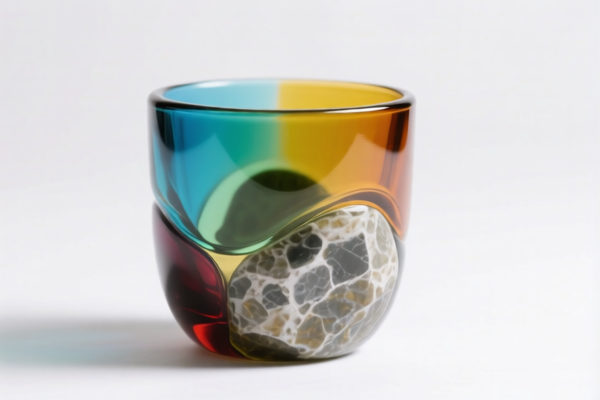
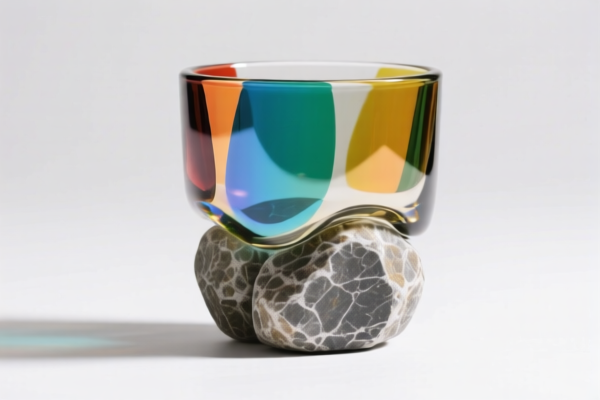
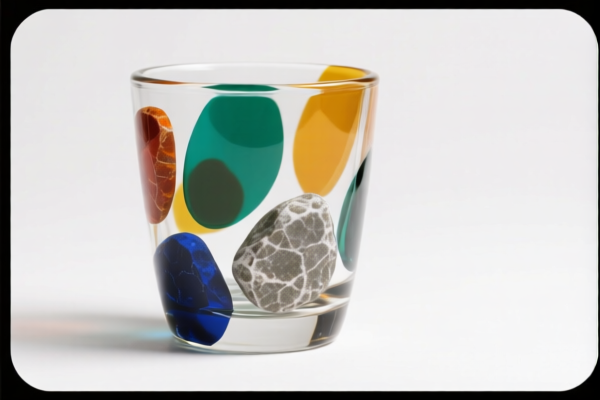
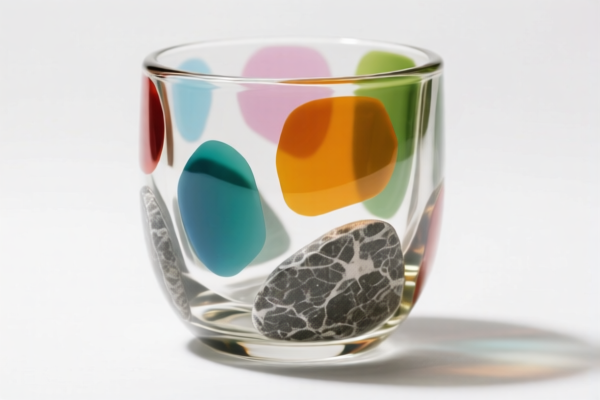
AI Analysis
🧸 Gradient Color Bear Drinking Straw Cup (Sippy Cup / Kids Cup)
🌐 HS Code Reference & Customs Clearance Guide | 2026 Latest Tariff Analysis | Professional Level Strategy
📌 I. Product Definition & Classification: Do You Really Understand the "Bear Cup"?
A Gradient Color Bear Drinking Straw Cup is typically a children's drinking vessel featuring a bear-shaped design, gradient color finishing, and an integrated drinking straw. In international trade, it is broadly categorized based on its material composition. The two primary materials are Ceramic/Porcelain and Plastic. Misclassification leads to significant tariff discrepancies and clearance delays.
⚠️ Key Distinction:
- If the cup is made of non-porcelain ceramic (e.g., stoneware, glazed clay not classified as fine porcelain) → Falls under 6912.
- If the cup is made of fine porcelain/earthenware → Falls under 6911.
- If the cup is made of plastic → Falls under 3924.
📦 II. HS Code Classification Details (2026 Latest Tariff Authority Comparison)
Based on the provided data, here are the applicable HS Codes for Gradient Color Bear Cups, differentiated by material:
| HS Code | Product Description | Material Type | Typical Application |
|---|---|---|---|
6912.00.44.00 |
Non-porcelain drinking vessels (excluding porcelain/earthenware), for mugs and wine glasses | Non-porcelain Ceramic | Stoneware bear cups, glazed clay cups |
6912.00.48.10 |
Non-porcelain tableware for food/drink contact | Non-porcelain Ceramic | General non-porcelain ceramic cups |
6911.10.80.10 |
Ceramic/Porcelain tableware for food/drink contact | Fine Porcelain/Ceramic | Fine porcelain bear cups (higher grade) |
3924.10.20.00 |
Plastic tableware for cups & kitchen utensils | Plastic | Plastic sippy cups, straw cups |
3924.10.40.00 |
Plastic tableware & other household articles for drinking | Plastic | Standard plastic drinking cups |
🔍 Critical Reminder:
- "Gradient Color" and "Bear Shape" are design features, not material indicators. They do not change the HS Code; the base material does.
- If the product contains straws, lids, or handles, they are generally considered integral parts and do not change the classification from the main vessel (unless they are sold separately).
- Plastic vs. Ceramic: Ensure your product label or spec sheet clearly states the material. Customs may request material test reports.
💰 III. 2026 Latest Tariff Rate Breakdown (Including Surcharges & Policy Add-ons)
✅ Applicable Country: United States (US)
✅ Origin: China (CN)
✅ Effective Date: Rates include Base Tariff + Section 301 Surcharge + Section 122 Tariff (if applicable)
🎯 1. 6912.00.44.00 – Non-Porcelain Drinking Vessels (Mugs/Wine Glass Use)
| Item | Content |
|---|---|
| Base Tariff | 10.0% |
| Surcharge (Sec 301) | 0.0% |
| 122 Clause Tariff | 10.0% |
| Total Tariff Rate | 20.0% |
| Tax Calculation | CIF Value × 20% |
| De Minimis Exemption | ❌ Not Eligible (for China-origin goods under certain thresholds) |
📌 Explanation:
- This code applies to stoneware or non-porcelain ceramic bear cups.
- The 10% 122 Clause is a specific surcharge that applies to certain ceramic goods from China.
- Total 20% is moderate compared to other categories.
🎯 2. 6912.00.48.10 – Non-Porcelain Tableware (Food/Drink Contact)
| Item | Content |
|---|---|
| Base Tariff | 9.8% |
| Surcharge (Sec 301) | 0.0% |
| 122 Clause Tariff | 10.0% |
| Total Tariff Rate | 19.8% |
| Tax Calculation | CIF Value × 19.8% |
| De Minimis Exemption | ❌ Not Eligible |
📌 Explanation:
- Slightly lower base tariff than6912.00.44.00due to different subheading definition.
- Still subject to the 10% 122 Clause surcharge.
- Best for general non-porcelain ceramic cups without specific mug/wine glass designation.
🎯 3. 6911.10.80.10 – Ceramic/Porcelain Tableware (Fine Porcelain)
| Item | Content |
|---|---|
| Base Tariff | 20.8% |
| Surcharge (Sec 301) | 7.5% |
| 122 Clause Tariff | 10.0% |
| Total Tariff Rate | 38.3% |
| Tax Calculation | CIF Value × 38.3% |
| De Minimis Exemption | ❌ Not Eligible |
📌 Explanation:
- Highest tariff among ceramics. Applies to fine porcelain bear cups.
- Subject to 7.5% Sec 301 surcharge (Section 301 covers certain ceramic tableware).
- 38.3% is a high cost. Ensure your product is truly fine porcelain; if it’s stoneware, classify under6912to save 18.3%.
🎯 4. 3924.10.20.00 – Plastic Tableware (Cups & Kitchen Utensils)
| Item | Content |
|---|---|
| Base Tariff | 6.5% |
| Surcharge (Sec 301) | 7.5% |
| 122 Clause Tariff | 10.0% |
| Total Tariff Rate | 24.0% |
| Tax Calculation | CIF Value × 24.0% |
| De Minimis Exemption | ❌ Not Eligible |
📌 Explanation:
- Applies to plastic bear cups with straws.
- Subject to 7.5% Sec 301 surcharge for plastic tableware from China.
- 24% is moderate for plastic goods.
🎯 5. 3924.10.40.00 – Plastic Tableware (Drinking Use)
| Item | Content |
|---|---|
| Base Tariff | 3.4% |
| Surcharge (Sec 301) | 0.0% |
| 122 Clause Tariff | 10.0% |
| Total Tariff Rate | 13.4% |
| Tax Calculation | CIF Value × 13.4% |
| De Minimis Exemption | ❌ Not Eligible |
📌 Explanation:
- Lowest tariff among all options.
- Applies to plastic cups not specifically classified as "kitchen utensils" under the previous subheading.
- No Sec 301 surcharge (0.0%), only the 10% 122 Clause.
- Ideal for standard plastic drinking cups with bear design.
🛠️ IV. Customs Clearance Practical Advice (Real-World Pitfall Avoidance)
✅ 1. Documentation Checklist (Mandatory)
| Document | Required | Notes |
|---|---|---|
| ✅ Product Specification Sheet | ✔️ | Must clearly state: Material (Plastic/Ceramic/Porcelain), Capacity, Age Recommendation |
| ✅ Material Test Report | ✔️ | FDA Food Contact Report for US market; BPA-free certification for plastic cups |
| ✅ Product Photos | ✔️ | Clear images of gradient color, bear shape, straw, and lid |
| ✅ Commercial Invoice | ✔️ | Describe as "Gradient Color Bear Plastic Cup" or "Ceramic Bear Cup" – do not use vague terms like "Toy" |
| ✅ Packing List | ✔️ | Include quantity, net/gross weight, dimensions |
| ✅ Origin Certificate | ✔️ | If non-China origin, may qualify for lower tariffs |
✅ 2. Declaration Tips (Key Mantras)
🔥 "Material First, Then Use, Name Specific, Tariff Minimized!"
| Scenario | Correct Declaration | Wrong Practice |
|---|---|---|
| Plastic Bear Cup | 3924.10.40.00 (13.4%) |
Misdeclare as ceramic → 38.3% |
| Fine Porcelain Bear Cup | 6911.10.80.10 (38.3%) |
Misdeclare as plastic → 13.4% (high risk of penalty) |
| Stoneware Bear Cup | 6912.00.44.00 (20.0%) |
Misdeclare as porcelain → 38.3% |
| Plastic Cup + Separate Straw | Declare as one unit | Split declaration → Higher risk of inspection |
✅ 3. Special Case Handling
| Situation | Handling Advice |
|---|---|
| OEM Custom Bear Cup | Provide design files and client approval to avoid "copying" issues |
| Gradient Color Finish | Ensure it uses food-safe, lead-free glazes (for ceramic) or BPA-free plastic (for plastic) |
| Straw Included | Declare as part of the cup. Do not declare straw separately unless sold individually |
| Children’s Product | May require CPSIA (Consumer Product Safety Improvement Act) compliance for US market |
🌍 V. Global Market Clearance Comparison (2026 Latest)
| Country/Region | Recommended HS Code | Tariff | Certification Requirements | Notes |
|---|---|---|---|---|
| 🇺🇸 USA | 3924.10.40.00 (Plastic) |
13.4% | FDA, CPSIA | Lowest for plastic |
| 🇺🇸 USA | 6912.00.44.00 (Ceramic) |
20.0% | FDA | Moderate for ceramic |
| 🇨🇳 China | 3924.10.40.00 |
8.0% | None | No surcharges |
| 🇪🇺 EU | 3924.10.40.00 |
0% (if compliant) | CE, LFGB | No tariffs if compliant |
| 🇬🇧 UK | 3924.10.40.00 |
4.0% | UKCA | Post-Brexit rate |
📌 Conclusion:
- USA has high tariffs due to 122 Clause and Sec 301.
- Plastic cups (3924.10.40.00) have the lowest US tariff (13.4%).
- Porcelain cups (6911.10.80.10) have the highest US tariff (38.3%).
- For US market, consider plastic or non-porcelain ceramic to reduce costs.
📌 VI. Common Errors & Pitfall Guide (Lessons Learned)
❌ Error 1: Declaring a plastic cup as ceramic
👉 Consequence: Higher tariff (38.3% vs 13.4%) + Potential penalty for misdeclaration
❌ Error 2: Declaring a fine porcelain cup as non-porcelain ceramic
👉 Consequence: Penalty for fraud, seizure, or forced reclassification
❌ Error 3: Ignoring FDA/CPSIA requirements
👉 Consequence: Customs hold, product destruction, or return
❌ Error 4: Using vague terms like "Gift Item" or "Toy"
👉 Consequence: Customs assigns highest applicable tariff + Inspection delay
✅ Correct Practice:
"Plastic Bear Drinking Cup with Straw, Gradient Color, BPA-Free, for Children, Model XYZ, FDA Compliant"
🎯 VII. Conclusion: Professional Declaration, Save Time, Cut Costs!
🎯 Remember the Mantra:
🔹 "Material Determines Code, Code Determines Tariff"
🔹 "Plastic 13.4%, Ceramic 20%, Porcelain 38.3%"
🔹 "Declare Honestly, Avoid Penalties, Keep Profits High!"
📌 Pro Tip:
- If your bear cup is made of plastic, always use 3924.10.40.00 for the lowest US tariff (13.4%).
- If it’s ceramic, use 6912.00.44.00 (20.0%) instead of 6911.10.80.10 (38.3%) to save 18.3%.
- For pre-clearance, consider applying for an Advance Ruling from US Customs to confirm the HS Code.
📣 Immediate Action:
📞 Contact a licensed customs broker
📎 Provide product photos + material specs
🚀 Ensure smooth clearance, maximize profit, and expand your market!
✨ Professional customs clearance starts with accurate classification!
💼 Every cent saved is a cent earned!
Customer Reviews
About HS Code Classification
The Harmonized System (HS) is an internationally standardized nomenclature developed by the World Customs Organization (WCO) to classify traded products. Over 200 countries use the HS system as the basis for customs tariffs, trade statistics, and import/export regulations.
Each HS code follows a hierarchical structure:
- Chapter (2 digits) — Broad category of goods (e.g., Chapter 84: Machinery and Mechanical Appliances)
- Heading (4 digits) — More specific grouping within the chapter
- Subheading (6 digits) — Internationally standardized breakdown, used by all WCO member countries
- National subdivisions (8-10 digits) — Country-specific extensions for further classification, such as US HTSUS 10-digit codes
Correct HS code classification is essential for smooth customs clearance, accurate duty payment, and compliance with trade regulations. Misclassification can lead to customs delays, overpayment of duties, or penalties.
When importing from CN to US, the applicable tariff rates may include:
- Most-Favored-Nation (MFN) rate — The standard duty rate applied to WTO members
- General rate — Applied to countries without trade agreements
- Trade remedy duties — Additional tariffs such as Section 301 (anti-dumping), Section 232 (national security), or countervailing duties
The information provided on this page is for reference purposes only. For official classification, please consult with your local customs authority or a licensed customs broker.