Graduated compression stockings for varicose veins
CN → US| HS Code | Tariff Rate | Origin | Destination | Doc |
|---|---|---|---|---|
| 9021100090 | 10.0% | CN | US | Official Doc |
| 9021908100 | 10.0% | CN | US | Official Doc |
| 6115100500 | 10.0% | CN | US | Official Doc |
| 6115103000 | 31.0% | CN | US | Official Doc |
Product Images
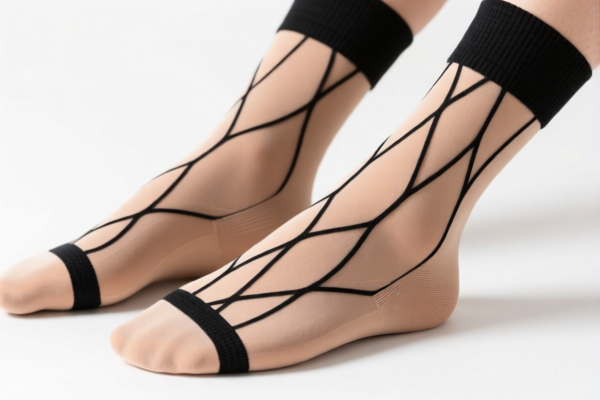
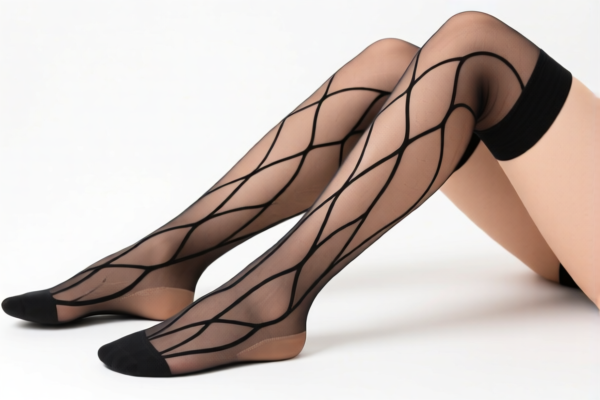
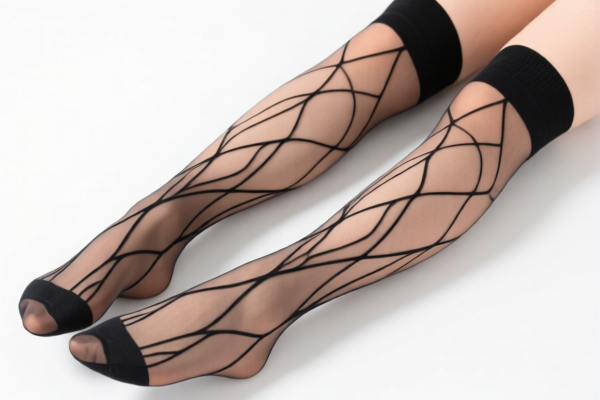
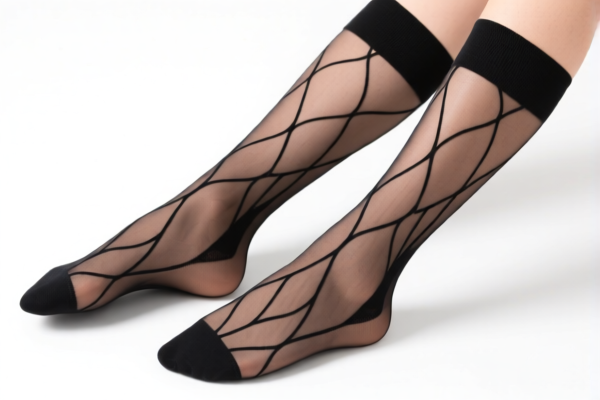
AI Analysis
🩺 Graduated Compression Stockings for Varicose Veins (Medical Hosiery)
🌐 HS Code Reference & Customs Clearance Guide | 2026 Tariff Analysis | Professional Clearance Strategy
📌 I. Product Definition & Classification: Understanding Medical Hosiery
Graduated compression stockings are specialized hosiery designed to apply pressure to the legs, aiding blood circulation and treating conditions like varicose veins. In international trade, their classification hinges on whether they are deemed medical devices (orthopedic/appliance) or textile articles (knitted garments).
Key Distinction: * Medical/Orthopedic Classification (Chapter 90): Items specifically designed to compensate for a physical defect, injury, or disease (e.g., varicose veins). These are classified as "Orthopedic appliances" or "Surgical appliances." * Textile Classification (Chapter 61/62): General-purpose hosiery not explicitly classified as medical appliances. These are classified based on material (e.g., knitted nylon/spandex, cotton, etc.).
⚠️ Critical Point:
- If the product is marketed and used specifically for medical treatment/compensation (varicose veins, edema), it typically falls under Chapter 90.
- However, customs may reclassify as Chapter 61 (knitted apparel) if the "medical" nature is not sufficiently documented or if the primary characteristic is seen as a garment rather than a device.
- Material matters: Textile classifications vary by fiber (Nylon vs. Cotton), leading to vastly different tax rates.
📦 II. HS Code Classification Details (Based on Provided Data)
Based on the provided data, there are 4 distinct HS Codes with different tariff implications. Here is the breakdown:
| HS Code | Product Description & Rationale | Key Characteristic | Total Tax Rate (USA Import) |
|---|---|---|---|
| 9021.10.00.90 | Orthopedic Appliances: Pressure stockings for varicose veins. Classified as "Orthopedic or骨折 (fracture) appliances." | Direct medical device classification; intended for treatment. | 10.0% |
| 9021.90.81.00 | Orthopedic Appliances: Functional medical auxiliary devices compensating for bodily defects (varicose veins). | Focus on "compensating for physical defects"; broad medical appliance category. | 10.0% |
| 6115.10.05.00 | Knitted hosiery: Pressure stockings for varicose veins. Matches form and medical use without material conflict. | Textile category (Knitted), but acknowledges medical use. No material restriction mentioned. | 10.0% |
| 6115.10.30.00 | Knitted hosiery: Cotton or other textile fiber pressure stockings. Inferred material composition. | Textile category with specific material constraint (Cotton/Other Fibers). | 31.0% |
🔍 Important Note:
- HS Code9021.90.81.00appears twice in the source data with identical summaries and tax rates (10%). It represents a broader "other orthopedic appliances" category.
- HS Code6115.10.30.00has a significantly higher tax rate (31%) due to its classification as a textile article, likely subject to standard agricultural/textile duties plus additional tariffs.
💰 III. 2026 Tariff Rate Breakdown (Detailed)
✅ Applicable Country: United States (US)
✅ Origin: China (CN) (Implied by the 122-Clause tariff reference)
✅ Validity: Current as per provided data
🎯 1. Medical Appliance Classifications (9021.10.00.90, 9021.90.81.00)
| Item | Detail |
|---|---|
| HS Codes | 9021.10.00.90 OR 9021.90.81.00 |
| Product Description | Pressure stockings for varicose veins (Orthopedic/Medical Device) |
| Base Duty Rate | 0.0% |
| Additional Duty (Section 301/122 Clause) | 0.0% |
| 122-Clause Tariff (China-specific) | 10.0% |
| Total Effective Tax Rate | 10.0% |
| Tax Calculation Basis | CIF Value × 10.0% |
| De Minimis Exemption | ❌ Not Eligible (Medical devices generally excluded from Section 321 de minimis if value > $800, or due to specific tariff exclusions for medical textiles) |
| Legal Basis | HTSUS Chapter 90 (Medical Instruments); 122-Clause Tariff (Executive Order on Unfair Trade Practices) |
📌 Explanation:
- These codes benefit from a 0% base duty because they are considered essential medical/orthopedic aids.
- The 10% tax is a specific "122-Clause" tariff applied to goods from China, likely under recent executive orders addressing unfair trade practices or specific sectoral targets.
- This is the most favorable tax outcome if the product can be classified as a medical device.
🎯 2. Textile Classification (6115.10.05.00)
| Item | Detail |
|---|---|
| HS Code | 6115.10.05.00 |
| Product Description | Pressure stockings for varicose veins (Knitted Hosiery) |
| Base Duty Rate | 0.0% |
| Additional Duty (Section 301/122 Clause) | 0.0% |
| 122-Clause Tariff (China-specific) | 10.0% |
| Total Effective Tax Rate | 10.0% |
| Tax Calculation Basis | CIF Value × 10.0% |
| De Minimis Exemption | ❌ Not Eligible |
| Legal Basis | HTSUS Chapter 61 (Knitted Apparel); 122-Clause Tariff |
📌 Explanation:
- Despite being in Chapter 61 (Textiles), this specific subheading for medical pressure hosiery enjoys a 0% base duty.
- The 10% 122-Clause tariff still applies.
- This is a viable alternative if customs rejects the Chapter 90 classification, but documentation must strongly support the "medical use" to avoid falling into higher-textile brackets.
🎯 3. High-Tax Textile Classification (6115.10.30.00)
| Item | Detail |
|---|---|
| HS Code | 6115.10.30.00 |
| Product Description | Pressure stockings for varicose veins (Cotton/Other Fiber) |
| Base Duty Rate | 13.5% |
| Additional Duty (Section 301/122 Clause) | 7.5% |
| 122-Clause Tariff (China-specific) | 10.0% |
| Total Effective Tax Rate | 31.0% |
| Tax Calculation Basis | CIF Value × 31.0% |
| De Minimis Exemption | ❌ Not Eligible |
| Legal Basis | HTSUS Chapter 61; Section 301; 122-Clause Tariff |
📌 Warning:
- This classification results in a significantly higher tax burden (31%).
- It applies if the stockings are deemed to be made of cotton or other specific textiles not covered by the 0% base duty subheadings.
- The 7.5% additional duty likely stems from Section 301 tariffs on textiles.
- Avoid this classification if possible by ensuring proper marketing and documentation as medical devices (9021) or using the correct textile subheading (6115.10.05.00).
🛠️ IV. Customs Clearance Practical Advice
✅ 1. Essential Documentation Checklist
| Document | Required? | Purpose |
|---|---|---|
| Medical Device Declaration | ✅ Mandatory | State clearly: "Used for treatment of varicose veins," "Graduated compression therapy," "Compensates for vascular insufficiency." |
| Product Specification Sheet | ✅ Mandatory | Include compression levels (mmHg), size chart, material composition, and intended medical use. |
| Composition Label | ✅ Mandatory | Clearly state fiber content (e.g., 80% Nylon, 20% Spandex). Mislabeling as "Cotton" can trigger the 31% tax. |
| Clinical/Usage Instructions | ✅ Recommended | Proof of medical use strengthens the case for HS Code 9021. |
| Commercial Invoice | ✅ Mandatory | Must list "Medical Compression Stockings" or "Orthopedic Hosiery." Avoid vague terms like "Leg Socks." |
| Manufacturer Certificate | ✅ Recommended | To prove origin and manufacturing standards (e.g., ISO 13485 for medical devices). |
✅ 2. Clearance Tips & Strategy
🔥 Key Principle: "Define as Medical, Not Merely Apparel!"
| Scenario | Recommended HS Code | Tax Rate | Action |
|---|---|---|---|
| Product is clearly medical (e.g., sold in pharmacies, with medical claims) | 9021.10.00.90 or 9021.90.81.00 |
10.0% | Best Option. Provide medical documentation. |
| Product is textile-based but for medical use | 6115.10.05.00 |
10.0% | Acceptable. Ensure material is not cotton. Highlight medical use on invoice. |
| Product is made of Cotton or generic textile | 6115.10.30.00 |
31.0% | Avoid. Redesign material or reclassify if possible. |
✅ 3. Special Considerations
| Issue | Recommendation |
|---|---|
| Material Composition | Avoid Cotton if possible. Use Nylon, Spandex, Polyester blends to potentially qualify for 6115.10.05.00 (10% tax) rather than 6115.10.30.00 (31% tax). |
| Marketing Claims | Do not make unverified medical claims. Use terms like "Support," "Compression," "Varicose Vein Care" rather than "Cures Varicose Veins." |
| Pre-Ruling | Consider applying for an Advance Ruling (Ruling Request) from CBP if unsure. This provides legal certainty on the correct HS Code. |
| De Minimis | Remember that Section 321 (De Minimis) does not apply to goods classified under these HS codes if they are subject to specific tariff rates or if the value exceeds $800 per day per person. Assume full taxation. |
🌍 V. Global Market Comparison (2026)
| Market | Recommended HS Code | Approx. Tax Rate | Notes |
|---|---|---|---|
| 🇺🇸 USA | 9021.10.00.90 / 9021.90.81.00 |
10.0% | 122-Clause tariff applies. |
| 🇨🇳 China | 9021.10.00.90 |
0% - 5% | Varies by exact subheading and FTA benefits. |
| 🇪🇺 EU | 9021.10.00 |
0% - 4.5% | Generally low for medical devices. |
| 🇯🇵 Japan | 9021.10.00 |
0% - 3% | Favorable for medical goods. |
| 🇬🇧 UK | 9021.10.00 |
0% - 5% | Post-Brexit, check UK Global Tariff. |
📌 Conclusion:
- The USA is the most complex market due to the 122-Clause tariff, but 10% is still significantly lower than the 31% textile rate.
- Key to saving money: Proper classification as a medical device (Chapter 90) or using the 0% base duty textile subheading (6115.10.05.00) is crucial.
- Avoid Cotton to escape the 31% tax bracket.
📌 VI. Common Mistakes & Pitfalls (Lessons Learned)
❌ Mistake 1: Classifying as "General Hosiery" (6115.10.30.00) due to lack of medical documentation.
👉 Result: 31% tax instead of 10%.
👉 Fix: Provide medical use statements and specifications.
❌ Mistake 2: Using vague product descriptions like "Leg Socks" on the commercial invoice.
👉 Result: Customs may reclassify to the highest taxable category.
👉 Fix: Use specific terms: "Graduated Compression Stockings for Varicose Veins."
❌ Mistake 3: Assuming De Minimis (Section 321) applies to shipments under $800.
👉 Result: Seizure or Back Tax because medical devices are often excluded from de minimis benefits when subject to specific tariffs.
👉 Fix: Plan for full tariff payment. Do not rely on de minimis.
❌ Mistake 4: Misidentifying material composition (e.g., labeling Nylon as Cotton).
👉 Result: Incorrect HS Code selection, leading to underpayment and penalties.
👉 Fix: Conduct accurate fiber analysis and label correctly.
✅ Correct Approach:
"Graduated Compression Stockings, Nylon/Spandex Blend, Medical Use for Varicose Veins, Model XYZ, HS Code 9021.10.00.90"
🎯 VII. Conclusion: Smart Classification, Maximize Savings!
🎯 Remember the Strategy:
🔹 "Medical Device First: Chapter 90, 10% Tax."
🔹 "Textile Alternative: 6115.10.05.00, 10% Tax."
🔹 "Cotton Trap: 6115.10.30.00, 31% Tax – Avoid!"
🔹 "Documentation is Key: Prove Medical Use to Secure Lower Rates."
📌 Pro Tip:
If your product contains medical certifications (e.g., FDA clearance, CE Mark as a Class I/II device), ensure this is clearly stated on the invoice and packaging. This strengthens the case for HS Code 9021, ensuring the 10% tax rate applies.
📣 Immediate Action:
📞 Consult a Customs Broker to verify material composition and medical claims.
📝 Prepare Detailed Product Descriptions emphasizing "Graduated Compression" and "Varicose Vein Treatment."
🚀 Apply for an Advance Ruling if shipping large volumes, to lock in the 10% tax rate.
✨ Precise Classification Saves Money!
💼 Every percentage point in tax matters – choose the right HS Code!
Customer Reviews
About HS Code Classification
The Harmonized System (HS) is an internationally standardized nomenclature developed by the World Customs Organization (WCO) to classify traded products. Over 200 countries use the HS system as the basis for customs tariffs, trade statistics, and import/export regulations.
Each HS code follows a hierarchical structure:
- Chapter (2 digits) — Broad category of goods (e.g., Chapter 84: Machinery and Mechanical Appliances)
- Heading (4 digits) — More specific grouping within the chapter
- Subheading (6 digits) — Internationally standardized breakdown, used by all WCO member countries
- National subdivisions (8-10 digits) — Country-specific extensions for further classification, such as US HTSUS 10-digit codes
Correct HS code classification is essential for smooth customs clearance, accurate duty payment, and compliance with trade regulations. Misclassification can lead to customs delays, overpayment of duties, or penalties.
When importing from CN to US, the applicable tariff rates may include:
- Most-Favored-Nation (MFN) rate — The standard duty rate applied to WTO members
- General rate — Applied to countries without trade agreements
- Trade remedy duties — Additional tariffs such as Section 301 (anti-dumping), Section 232 (national security), or countervailing duties
The information provided on this page is for reference purposes only. For official classification, please consult with your local customs authority or a licensed customs broker.