Granular Hop Extract
CN → US| HS Code | Tariff Rate | Origin | Destination | Doc |
|---|---|---|---|---|
| 1210200040 | 0.0% | CN | US | Official Doc |
| 1302130000 | 0.0% | CN | US | Official Doc |
| 1302199140 | 17.5% | CN | US | Official Doc |
Product Images
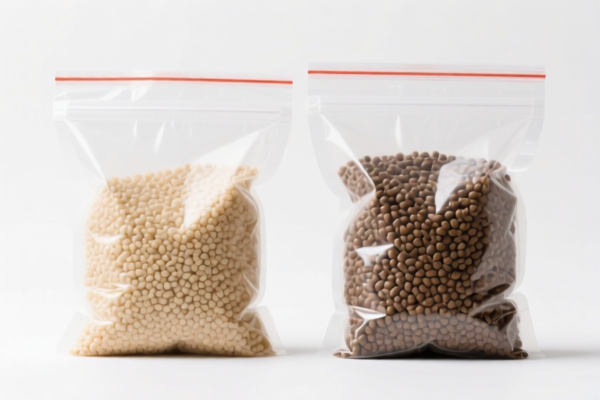
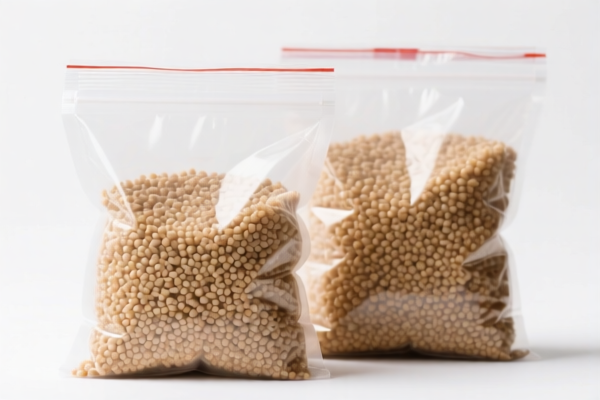
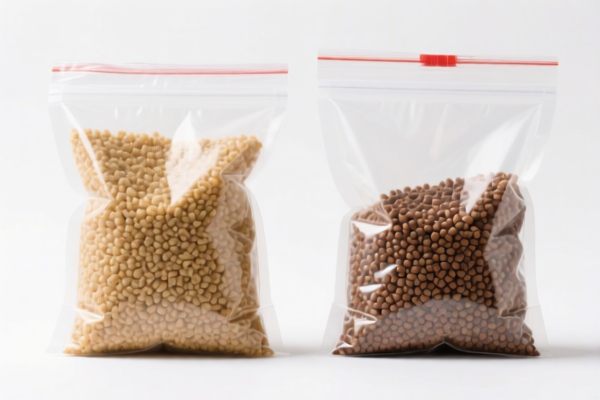
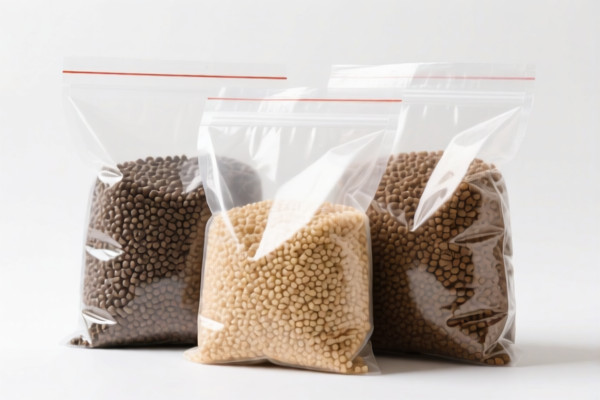
AI Analysis
🌿 Granular Hop Extract (Hops)
🌐 HS Code Reference & Customs Clearance Guide | 2026 Latest Tariff Analysis | Professional Level Compliance Strategy
📌 I. Product Definition & Classification: Do You Really Understand "Granular Hop Extract"?
Granular Hop Extract is a concentrated form of hops, typically obtained by extracting hop cones with solvents (like CO2 or ethanol) and then drying the resulting resin/acid mixture into granules. It is widely used in the brewing industry for its stability and ease of handling compared to raw hop pellets.
In international trade, the classification depends heavily on whether it is considered a raw agricultural product (powdered cones) or a processed plant extract. This distinction dramatically affects the duty rate.
⚠️ Key Distinction Point:
- If the product is merely ground/powdered raw hop cones (mechanically milled, no chemical extraction) → Classified as 1210.20.00.40 (Lower Duty).
- If the product is a chemical/physical extract (resin/acids separated and concentrated into granules) → Classified as 1302.13.00.00 or 1302.19.91.40 (Higher/Complex Duty).
📦 II. HS Code Classification Details (2026 Latest Tariff Authority Comparison)
| HS Code | Product Description | Application Scenario | Classification Logic |
|---|---|---|---|
1210.20.00.40 |
Hops, fresh or dried, whole or in the form of pellets or powder | Ground Hop Powder: Mechanical milling only; retains natural cone structure; no solvent extraction. | ✅ Raw Agricultural Product |
1302.13.00.00 |
Plant saps and extracts; hop extract | Standard Hop Extract: Solvent-extracted resin/acids, dried into granules. Considered a "primary plant extract." | ✅ Processed Extract (Primary) |
1302.19.91.40 |
Other plant saps and extracts | Specific Hop Extract Variant: Fits into "other plant extracts" if specific subheading criteria for 1302.13 are not met or for specialized blends. | ✅ Processed Extract (Other) |
🔍 Important Reminder:
- "Granular" does not automatically mean "Extract". If it's just ground hops (pellets/powder) with no solvent processing, it belongs to 1210.
- If it is extracted (resin/acids concentrated), it falls under Chapter 13 (1302).
- Misclassification leads to severe penalties: 13.2¢/kg vs 89¢/kg + ad valorem duties.
💰 III. 2026 Latest Tariff Rate Details (Including Surtaxes & Policy Add-ons)
✅ Applicable Country: United States (US)
✅ Origin: China (CN)
✅ Effective Date: From November 10, 2025 (including subsequent imports)
🎯 1. 1210.20.00.40 —— Hops, Dried, in Powder Form
| Item | Content |
|---|---|
| Base Tariff | 13.2¢/kg (Specific Duty) |
| Section 301 Surtax | +7.5% (Ad Valorem) |
| Section 122 Tariff | +10% (Specific/Ad Valorem depending on structure, here combined as 10%) |
| Total Tax Structure | 13.2¢/kg + 17.5% (7.5% + 10%) |
| Tax Calculation | Specific duty per kg + Ad valorem on CIF value |
| De Minimis Eligibility | ❌ No (Cannot use de minimis for agricultural products with high specific duties) |
| Legal Basis Path | USITC:1210.20.00.40 → Section 301: Footnote 9903.88.01 → Section 122 |
📌 Explanation:
- This is the lowest duty tier if the product is merely ground hops.
- 13.2¢/kg is a specific duty (fixed amount per weight), meaning heavy items pay more in absolute terms.
- The 17.5% ad valorem is applied on top of the product value.
- Strategy: If your "granular hop extract" is actually just milled hop cones, use this code to save significant costs compared to the extract codes.
🎯 2. 1302.13.00.00 —— Hop Extract (Plant Saps and Extracts)
| Item | Content |
|---|---|
| Base Tariff | 89¢/kg (Specific Duty) |
| Section 301 Surtax | +7.5% (Ad Valorem) |
| Section 122 Tariff | +10% (Ad Valorem/Specific) |
| Total Tax Structure | 89¢/kg + 17.5% (7.5% + 10%) |
| Tax Calculation | High specific duty per kg + Ad valorem on CIF value |
| De Minimis Eligibility | ❌ No |
| Legal Basis Path | USITC:1302.13.00.00 → Section 301 → Section 122 |
📌 Explanation:
- This is the standard classification for hop extracts (CO2 or solvent-extracted).
- The 89¢/kg specific duty is significantly higher than the 13.2¢/kg for ground hops.
- This reflects the processed nature of the product.
- Warning: If you import true hop extract but declare it as ground hops (1210.20), customs will reclassify, impose back-taxes, and potentially penalize you for fraud.
🎯 3. 1302.19.91.40 —— Other Plant Extracts
| Item | Content |
|---|---|
| Base Tariff | 0.0% (Ad Valorem) |
| Section 301 Surtax | +7.5% |
| Section 122 Tariff | +10% |
| Total Tax Structure | 17.5% (Ad Valorem Only) |
| Tax Calculation | CIF Value × 17.5% |
| De Minimis Eligibility | ❌ No |
| Legal Basis Path | USITC:1302.19.91.40 → Section 301 → Section 122 |
📌 Explanation:
- This code applies if the hop extract does not fit strictly under 1302.13 (e.g., certain specialized blends or non-standard forms).
- No specific duty (0¢/kg) is a huge advantage for high-weight, low-value shipments.
- However, the ad valorem rate is 17.5%, which can be higher than the specific duty for low-value, high-volume products.
- Strategy: Use this if your extract is unique or if the 0% base duty + 17.5% is cheaper than 89¢/kg for your specific product weight/value ratio.
🛠️ IV. Customs Clearance Practical Advice (Battle-Tested Pitfall Avoidance)
✅ 1. Preparation Checklist (Non-Negotiable)
| Document | Mandatory? | Notes |
|---|---|---|
| ✅ Product Specification Sheet | ✔️ | Must specify: Extraction method (CO2/Solvent), Alpha Acid/Beta Acid content, Physical form (Granule/Powder). |
| ✅ Composition Analysis | ✔️ | Differentiate between milled cones vs. extracted resin. Crucial for HS 1210 vs. 1302. |
| ✅ Product Photos | ✔️ | Clear images of granules/powder. Show packaging label with "Hop Extract" or "Hops Powder". |
| ✅ Commercial Invoice | ✔️ | Must clearly state: "Granular Hop Extract" or "Ground Hops", not vague terms like "Herbal Powder". |
| ✅ Certificate of Origin (CO) | ✔️ | Required for origin verification. |
| ✅ Packing List | ✔️ | Weight, dimensions, number of packages. |
✅ 2. Declaration Tips (Key Mantra)
🔥 "Extract vs. Ground, Specify Method, Avoid 89¢ Shock!"
| Scenario | Correct Declaration | Wrong Practice |
|---|---|---|
| True Hop Extract (CO2/Solvent) | 1302.13.00.00 or 1302.19.91.40Description: "Hop Extract, CO2, Granular" |
Declaring as "Ground Hops" (1210) → High Risk of Penalty |
| Milled Hop Cones (No Extraction) | 1210.20.00.40Description: "Hops, Dried, Ground into Powder" |
Declaring as "Extract" → Overpaying Duties |
| Mixed Blends | Determine primary component or use 1302.19.91.40 if unclear |
Vague description "Herbal Granules" → Customs Holds Product |
✅ 3. Special Cases Handling
| Case | Handling Advice |
|---|---|
| OEM Private Label | Provide brand authorization and contract. Ensure description matches the actual product, not the brand name. |
| High Alpha Acid Content | If >10% alpha acids, it is likely an Extract (1302). If <1%, it might be Ground Hops (1210). Provide lab report. |
| Sample Shipments | Even small samples are subject to duty. Do not claim "Free Sample" if value exceeds $800 (de minimis does not apply here anyway, but documentation is key). |
| Pre-Ruling Request | If unsure, request an Advance Ruling from CBP using your lab report and photos. Saves weeks of clearance delay. |
🌍 V. Global Market Comparison (2026 Latest)
| Country/Region | Recommended HS Code | Tariff (China Origin) | Certification | Notes |
|---|---|---|---|---|
| 🇺🇸 USA | 1210.20.00.40 (Ground) or 1302.13.00.00 (Extract) |
13.2¢/kg + 17.5% OR 89¢/kg + 17.5% | FDA Food Registration Required | Critical: Accurate classification saves thousands. |
| 🇨🇳 China | 1210.20 / 1302.13 |
5% - 10% | None | Lower tariffs, easier clearance. |
| 🇪🇺 EU | 1210.20 / 1302.13 |
0% - 3% | None | No Section 301/122 equivalent. |
| 🇬🇧 UK | 1210.20 / 1302.13 |
0% - 5% | None | Post-Brexit tariffs may vary. |
📌 Conclusion:
- USA has the most complex tariff structure for hops due to Section 301 and Section 122 add-ons.
- China origin goods face high specific duties for extracts (89¢/kg).
- Ground hops are cheaper to import into the US if correctly classified.
📌 VI. Common Errors & Pitfall Avoidance (Blood & Tears Lessons)
❌ Error 1: Calling "Hop Extract" "Ground Hops" to avoid 89¢/kg duty
👉 Consequence: Customs audit, back-taxes of $5,000+, potential seizure, and fraud penalties.
❌ Error 2: Using "Herbal Powder" as a generic description
👉 Consequence: Customs detain shipment for misclassification, delay of 2-4 weeks.
❌ Error 3: Ignoring "Section 122" 10% surcharge
👉 Consequence: Underestimating total landed cost by 10%, eroding profit margins.
❌ Error 4: Not providing alpha/beta acid analysis
👉 Consequence: Customs cannot verify if it's an extract or ground hop → Reclassification to highest duty rate.
✅ Correct Approach:
"Hop Extract, CO2, Granular, Alpha Acid 15%, for Brewing Use, HS 1302.13.00.00"
OR
"Hops, Dried, Milled into Powder, HS 1210.20.00.40"
🎯 VII. Conclusion: Precise Classification, Cost Efficiency, Smooth Clearance!
🎯 Remember the Mantra:
🔹 "Ground Hops: 13.2¢/kg + 17.5%"
🔹 "Extract: 89¢/kg + 17.5%"
🔹 "Misclassification: Penalty & Delay"
🔹 "Provide Lab Report, Avoid Risk!"
📌 Pro Tip:
If your product is between ground hops and extract (e.g., minimally processed), request an Advance Ruling from CBP. The small fee for a ruling can save you tens of thousands in duties and penalties.
📣 Immediate Action:
📞 Contact your Customs Broker + Provide Lab Analysis + Request HS Code Pre-Ruling
🚀 Ensure your Granular Hop Extract clears customs smoothly, legally, and profitably!
✨ Professional Customs Clearance Starts with Accurate Classification!
💼 Every Penny Saved in Duties is Pure Profit!
Customer Reviews
About HS Code Classification
The Harmonized System (HS) is an internationally standardized nomenclature developed by the World Customs Organization (WCO) to classify traded products. Over 200 countries use the HS system as the basis for customs tariffs, trade statistics, and import/export regulations.
Each HS code follows a hierarchical structure:
- Chapter (2 digits) — Broad category of goods (e.g., Chapter 84: Machinery and Mechanical Appliances)
- Heading (4 digits) — More specific grouping within the chapter
- Subheading (6 digits) — Internationally standardized breakdown, used by all WCO member countries
- National subdivisions (8-10 digits) — Country-specific extensions for further classification, such as US HTSUS 10-digit codes
Correct HS code classification is essential for smooth customs clearance, accurate duty payment, and compliance with trade regulations. Misclassification can lead to customs delays, overpayment of duties, or penalties.
When importing from CN to US, the applicable tariff rates may include:
- Most-Favored-Nation (MFN) rate — The standard duty rate applied to WTO members
- General rate — Applied to countries without trade agreements
- Trade remedy duties — Additional tariffs such as Section 301 (anti-dumping), Section 232 (national security), or countervailing duties
The information provided on this page is for reference purposes only. For official classification, please consult with your local customs authority or a licensed customs broker.