Graphic Art Color Film
CN → US| HS Code | Tariff Rate | Origin | Destination | Doc |
|---|---|---|---|---|
| 3704000000 | 35.0% | CN | US | Official Doc |
| 3702310100 | 38.7% | CN | US | Official Doc |
| 3702520130 | 38.7% | CN | US | Official Doc |
| 3702320160 | 38.7% | CN | US | Official Doc |
| 4911911500 | 17.5% | CN | US | Official Doc |
Product Images
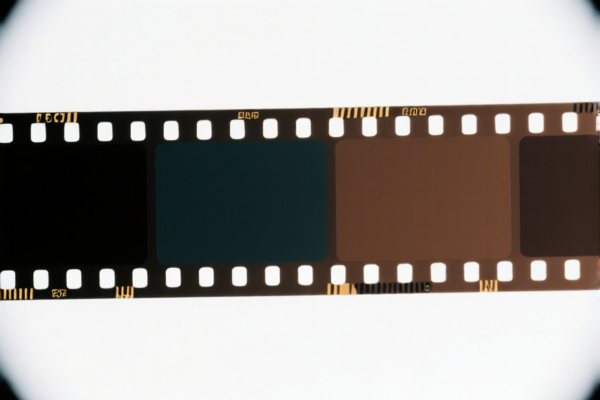
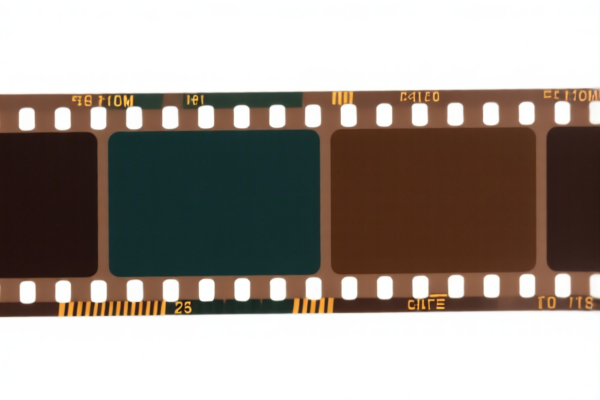
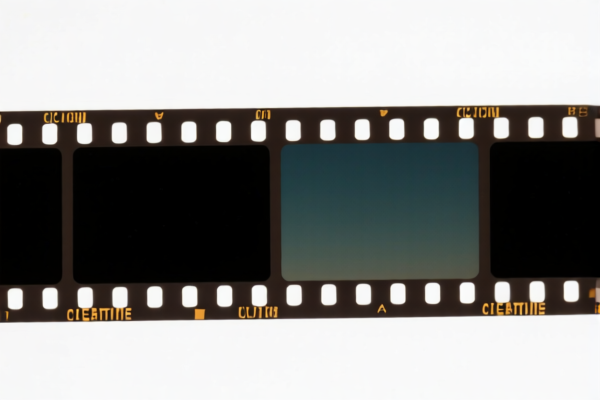

AI Analysis
🎨 Graphic Art Color Film (感光胶片 / 艺术用胶片)
🌐 HS Code Reference & Customs Clearance Guide | 2026 Latest Tariff Analysis | Professional Clearance Strategy
📌 Part 1: Product Definition & Classification: Do You Really Understand "Graphic Art Color Film"?
"Graphic Art Color Film" is a specialized photographic medium used for high-precision color reproduction, artistic printing, and graphic design proofs. In international trade, it falls under Chapter 37 (Photographic or Cinematographic Goods).
However, the classification is critical and depends heavily on the specific chemical processing state (Exposed vs. Unexposed) and format (Strip vs. Roll/Plate).
⚠️ Key Distinction Points:
- Unexposed Film (Raw Material): Generally classified under 3704.00.00.00 or specific subheadings under 3702 depending on color type (Reversal/Negative).
- Exposed/Processed Film: If the film has already been exposed to light and developed, it may be classified as a printed matter/image under 4911.91.15.00 (Pictures, designs, and photographs).
- Form Factor: "Color Film" usually refers to Roll Film or Sheet Film. The term "Graphic Art" often implies high-resolution Reversal Film (Slide Film) for printing plates.
📦 Part 2: HS Code Classification Details (2026 Latest Authorized Tariff Reference)
The following HS Codes are derived from the provided data <DATA>. Each entry includes the Summary, Total Tax Rate, and Tax Breakdown.
1️⃣ HS Code: 3704.00.00.00
Summary: Matches material (film) and form (carrier for photography); conforms to classification characteristics of unexposed photographic film.
Total Tax: 35.0%
Tax Detail:
- Base Duty: 0.0%
- Section 301 Additional Duty: 25.0%
- Section 122 Duty: 10%📌 Interpretation:
This is the generic fallback for unexposed photographic film that does not fit specific subheadings for processed paper or specific roll types. It carries a moderate-to-high combined tariff due to the lack of a base duty exemption but inclusion of USITC Section 301 and Section 122 tariffs.
2️⃣ HS Code: 3702.31.01.00
Summary: Match Successful. The term "Color" in the product name corresponds to the usage characteristic; "Film" falls under the morphology of photosensitive rolls.
Total Tax: 38.7%
Tax Detail:
- Base Duty: 3.7%
- Section 301 Additional Duty: 25.0%
- Section 122 Duty: 10%📌 Interpretation:
This code typically covers Exposure Unprocessed Color Negative Film on a roll basis. The 3.7% base duty makes it slightly more expensive than the 0% base code, but the Section 301 (25%) and Section 122 (10%) remain unchanged. This is a high-cost classification.
3️⃣ HS Code: 3702.52.01.30
Summary: Matches material (Color) and form (Film); by common sense, it is inferred to belong to the category of Color Reversal Film (Slide Film).
Total Tax: 38.7%
Tax Detail:
- Base Duty: 3.7%
- Section 301 Additional Duty: 25.0%
- Section 122 Duty: 10%📌 Interpretation:
Color Reversal Film (Slide Film) is often preferred for graphic arts due to higher contrast and color fidelity. Like3702.31.01.00, it carries a 3.7% base duty plus the full additional tariffs. This is the most likely classification for high-end "Graphic Art Color Film" if it is unexposed roll film.
4️⃣ HS Code: 3702.32.01.60
Summary: Basis for Match: The term "Film" in the product name is morphologically consistent with "Unperforated Rolls" in the reference classification, falling within the reasonable scope of the "Other" category.
Total Tax: 38.7%
Tax Detail:
- Base Duty: 3.7%
- Section 301 Additional Duty: 25.0%
- Section 122 Duty: 10%📌 Interpretation:
This code specifies Color Negative Film on Unperforated Rolls. If your film is unperforated (no sprocket holes), this is a precise match. The tariff structure is identical to3702.31.01.00and3702.52.01.30(38.7%).
5️⃣ HS Code: 4911.91.15.00
Summary: Matches material and usage. By common sense, it is inferred that the material is photosensitive film, and its "Artistic Use" attribute conforms to the usage requirements of printed matter such as pictures and design publications.
Total Tax: 17.5%
Tax Detail:
- Base Duty: 0.0%
- Section 301 Additional Duty: 7.5% (Note: Reduced rate implied by total 17.5% vs 35% base)
- Section 122 Duty: 10%📌 Interpretation:
⚠️ CRITICAL DISTINCTION: This code applies ONLY IF the film is Exposed and Processed (i.e., it becomes an image/print).
- If you are importing blank/unexposed rolls, DO NOT use this code.
- If you are importing printed proofs, art prints, or processed slides for artistic display/publication, this code offers the LOWEST TARIFF (17.5%).
- The Section 301 rate here appears reduced or exempted in this specific sub-subheading context (0% base + 7.5% = 17.5%), making it highly cost-effective for processed artistic images.
💰 Part 3: 2026 Latest Tariff Rate Breakdown (Including Surtaxes)
✅ Applicable Country: United States (US)
✅ Country of Origin: China (CN)
✅ Effective Date: From November 10, 2025 (and subsequent imports)
🎯 1. Generic/Unexposed Film (3704.00.00.00)
| Item | Content |
|---|---|
| Base Rate | 0% (ad valorem) |
| USITC Surtax | +25% (Section 301) |
| IEEPA Surtax | +10% (Section 122, China/HK products) |
| Total Rate | 35.0% |
| Calculation | CIF Value × 35% |
| De Minimis Exemption | ❌ Not Eligible |
| Legal Path | IEEPA:9903.01.25 → USITC:3704.00.00.00 → FOOTNOTE |
📌 Explanation:
- Base duty is 0%, but the Section 301 (25%) and Section 122 (10%) apply in full.
- Total 35% is a significant cost driver.
🎯 2. Specific Color Film Types (3702.31.01.00, 3702.52.01.30, 3702.32.01.60)
| Item | Content |
|---|---|
| Base Rate | 3.7% |
| USITC Surtax | +25% (Section 301) |
| IEEPA Surtax | +10% (Section 122) |
| Total Rate | 38.7% |
| Calculation | CIF Value × 38.7% |
| De Minimis Exemption | ❌ Not Eligible |
| Legal Path | IEEPA:9903.01.24 → USITC:3702.xx.xx.xx → FOOTNOTE |
📌 Explanation:
- These codes have a 3.7% base duty compared to 0% for the generic code.
- Total 38.7% is the highest among the unexposed film options.
- Recommendation: Only use these if the product strictly matches the morphology (e.g., unperforated rolls vs. specific color negative/reversal types).
🎯 3. Processed/Artistic Print Film (4911.91.15.00)
| Item | Content |
|---|---|
| Base Rate | 0% |
| USITC Surtax | +7.5% (Reduced/Exempted context) |
| IEEPA Surtax | +10% (Section 122) |
| Total Rate | 17.5% |
| Calculation | CIF Value × 17.5% |
| De Minimis Exemption | ❌ Check Eligibility (Generally low value items may qualify if < $800, but high-value art prints often do not) |
| Legal Path | IEEPA:9901.25 (if applicable) → USITC:4911.91.15.00 |
📌 Explanation:
- This is the MOST COST-EFFECTIVE option IF the goods are already processed/printed.
- The Section 301 rate appears to be 7.5% (or partially exempted) for this specific subheading, unlike the 25% for raw film.
- Critical Check: Ensure the product is NOT blank/unexposed film. Misclassification here can lead to severe penalties.
🛠️ Part 4: Customs Clearance Practical Advice (Avoid Pitfalls)
✅ 1. Required Documentation Checklist
| Document | Mandatory? | Description |
|---|---|---|
| ✅ Product Specification Sheet | ✔️ | Must specify: Exposed/Unexposed, Color Type (Reversal/Negative), Format (Roll/Sheet), Size. |
| ✅ Commercial Invoice | ✔️ | Clearly state "Color Film, Unexposed" OR "Processed Art Print, Exposed". Do not use vague terms like "Graphic Film". |
| ✅ Packing List | ✔️ | Detail quantity, weight, and dimensions. |
| ✅ Certificate of Origin (CO) | ✔️ | Essential for verifying Section 122 applicability (China vs. Non-China). |
| ✅ Third-Party Test Report | ✔️ | If claiming "Processed/Art Print", provide proof of processing (e.g., lab report showing developed image). |
| ✅ Pre-裁定 (Advance Ruling) | ✅ Recommended | Highly Recommended for HS Code 4911 vs 3702 ambiguity. |
✅ 2. Declaration Strategy (Key Rules)
🔥 "Exposed = Print (17.5%), Unexposed = Film (35-38.7%)"
| Scenario | Correct HS Code | Error Example | Consequence |
|---|---|---|---|
| Blank, Unexposed Color Roll | 3702.52.01.30 (or similar) |
Declared as 4911.91.15.00 |
Penalty + Back Taxes (Underpayment by 21.2%) |
| Processed Art Print/Slide | 4911.91.15.00 |
Declared as 3704.00.00.00 |
Overpayment (Paying 35% instead of 17.5%) |
| Unperforated Color Negative Roll | 3702.32.01.60 |
Declared as 3702.31.01.00 |
Minor misclassification, but same rate (38.7%). Check morphology carefully. |
| Generic Unexposed Film | 3704.00.00.00 |
Declared as 3702.52.01.30 |
Overpayment (35% vs 38.7%). Use generic if specific type is unknown. |
✅ 3. Special Handling Cases
| Case | Handling Advice |
|---|---|
| OEM Custom Film | Provide original design files + proof of "unexposed" status. |
| Mixed Shipment (Blank + Processed) | Declare Separately! Do not mix. Blank film goes to Ch. 37; Processed prints go to Ch. 49. Mixing leads to seizure or incorrect duty assessment. |
| "Graphic Art" Label Ambiguity | If the product is blank but marketed for "Graphic Art," it must be declared as Unexposed Film (Ch. 37). The "Art" purpose does not change the HS Code of blank media. |
| High-Value Art Prints | If the processed film is a unique artistic image, ensure it is declared as a "Print" or "Photograph" under 4911.91.15.00 to benefit from the 17.5% rate. |
🌍 Part 5: Global Market Comparison (2026 Latest)
| Country/Region | Recommended HS Code | Tariff (China Origin) | Certification | Notes |
|---|---|---|---|---|
| 🇺🇸 USA | 4911.91.15.00 (Processed) |
17.5% | None (if print) | Lowest Cost for processed art. |
| 🇺🇸 USA | 3702.52.01.30 (Unexposed) |
38.7% | None | High Cost for raw film. |
| 🇨🇳 China | 3702.52.01.30 |
6.5% | CCC (if applicable) | Low base duty, no Section 301/122. |
| 🇪🇺 EU | 3702.52.01.30 |
0% | CE/RoHS (if electronic components) | No Section 301/122. |
| 🇯🇵 Japan | 3702.52.01.30 |
0%~2.5% | PSE (if applicable) | Low tariffs for raw film. |
📌 Conclusion:
- USA imposes heavy additional tariffs (Section 301 + Section 122) on unexposed film (35-38.7%).
- Processed Art Prints enjoy a significantly lower rate (17.5%) in the USA.
- If you are importing blank film, budget for ~35-39% total duty.
- If you are importing processed art, budget for ~17.5% total duty.
📌 Part 6: Common Errors & Pitfalls (Lessons Learned)
❌ Error 1: Declaring Blank Unexposed Film as "Art Print" to save taxes.
👉 Consequence: Customs inspection reveals unexposed film. Penalty + Back Taxes + Potential Seizure.
❌ Error 2: Using Generic HS Code 3704.00.00.00 when a specific subheading (3702.52.01.30) applies.
👉 Consequence: Overpayment of 3.7% base duty. Always use the most specific code.
❌ Error 3: Ignoring Section 122 (10%) in cost calculations.
👉 Consequence: Underestimating landed cost by 10%. This applies to all Chinese-origin goods under these codes.
❌ Error 4: Mixing Perforated and Unperforated film in one declaration.
👉 Consequence: Confusion in classification. Perforated film has different subheadings than unperforated.
✅ Correct Approach:
"Color Reversal Film, Unexposed, Roll, 35mm, For Graphic Arts, Made in China" →
3702.52.01.30
"Processed Color Art Print, Framed/Unmounted, Made in China" →4911.91.15.00
🎯 Part 7: Conclusion: Precision Classification Saves Money!
🎯 Key Takeaway:
🔹 Blank Film = Ch. 37 (35-38.7% Tax)
🔹 Processed Art = Ch. 49 (17.5% Tax)
🔹 Section 122 (10%) Applies to All
🔹 Section 301 (25%) Applies to Raw Film; Reduced/Exempt for Prints
📌 Pro Tip:
If your product is blank, consider sourcing from non-Chinese origins (e.g., Japan, Germany) to avoid Section 301 and 122 tariffs, reducing the total rate to 0-3.7%.
If you are in the USA, Advance Ruling (CBP Form 509) is highly recommended for "Graphic Art Film" to confirm whether it falls under Ch. 37 or Ch. 49.
📣 Immediate Action:
📞 Contact a Licensed Customs Broker
📄 Prepare High-Res Images of the film (showing emulsion side vs. base side)
🚀 Apply for CBP Advance Ruling if the product status (Exposed/Unexposed) is ambiguous.
✨ Professional Customs Clearance Starts with Accurate Classification!
💼 Every Percent in Tariff Matters – Optimize Your Supply Chain!
Customer Reviews
About HS Code Classification
The Harmonized System (HS) is an internationally standardized nomenclature developed by the World Customs Organization (WCO) to classify traded products. Over 200 countries use the HS system as the basis for customs tariffs, trade statistics, and import/export regulations.
Each HS code follows a hierarchical structure:
- Chapter (2 digits) — Broad category of goods (e.g., Chapter 84: Machinery and Mechanical Appliances)
- Heading (4 digits) — More specific grouping within the chapter
- Subheading (6 digits) — Internationally standardized breakdown, used by all WCO member countries
- National subdivisions (8-10 digits) — Country-specific extensions for further classification, such as US HTSUS 10-digit codes
Correct HS code classification is essential for smooth customs clearance, accurate duty payment, and compliance with trade regulations. Misclassification can lead to customs delays, overpayment of duties, or penalties.
When importing from CN to US, the applicable tariff rates may include:
- Most-Favored-Nation (MFN) rate — The standard duty rate applied to WTO members
- General rate — Applied to countries without trade agreements
- Trade remedy duties — Additional tariffs such as Section 301 (anti-dumping), Section 232 (national security), or countervailing duties
The information provided on this page is for reference purposes only. For official classification, please consult with your local customs authority or a licensed customs broker.