Graphic Arts Wallpaper Base Paper
CN → USProduct Images
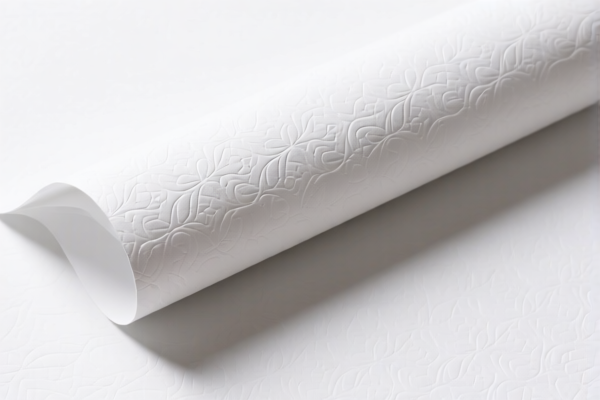
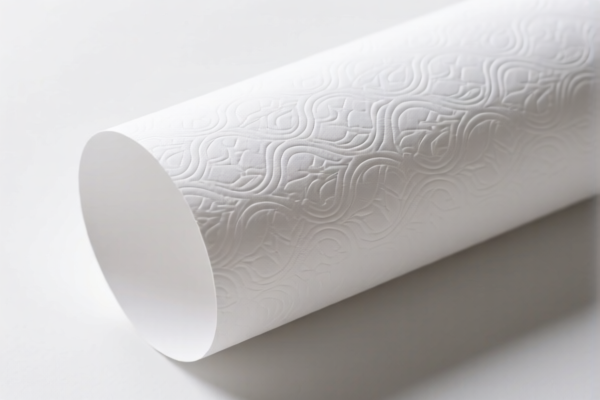
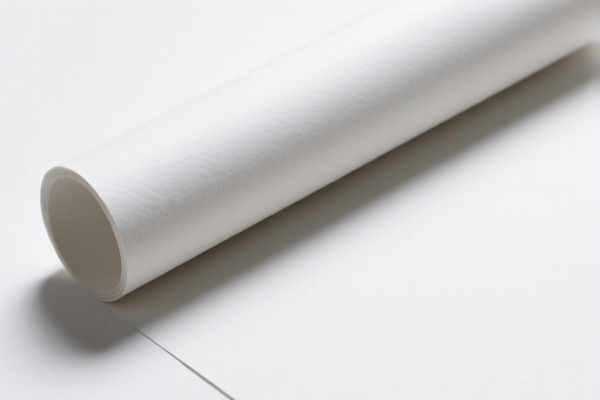
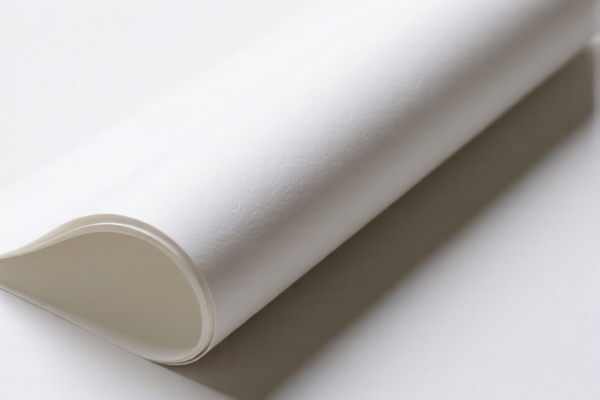
AI Analysis
🖼️ Graphic Arts Wallpaper Base Paper
🌐 HS Code Reference & Customs Clearance Guide | 2026 Latest Tariff Analysis | Professional Entry Strategies
📌 Part 1: Product Definition and Classification: Do You Really Understand "Wallpaper Base Paper"?
Wallpaper Base Paper serves as the fundamental substrate for decorative wall coverings. It is a crucial raw material in the graphic arts and interior design supply chain. In international trade, it is strictly distinguished from "finished wallpapers" (which have printed, embossed, or coated surfaces) and other industrial paper grades.
Two Main Categories:
- Non-Decorative Base Paper: Unprinted, uncoated, or merely sized paper intended solely as a backing for subsequent processing (e.g., printing or laminating). It lacks aesthetic surface characteristics.
- Finished Wallpaper (For Contrast): Paper that has already been printed, textured, or coated with decorative vinyl/PVC.
⚠️ Key Distinction Point:
- If the paper is plain, unprinted, and used only as a substrate → Classified under 4810.19 or 4810.13 (depending on weight/coating).
- If the paper is already printed/decorated for wall covering purposes → Classified under 4814.10 (Wallpaper).
- Critical Rule: Customs officers will reject HS Code4814.10for raw base paper. Misclassification leads to delays, fines, and incorrect duty assessment.
📦 Part 2: HS Code Classification Details (2026 Latest Tariff Authority Comparison)
| HS Code | Product Description | Applicable Scenario | Surface Treatment | Finished State? |
|---|---|---|---|---|
4810.19.00.00 |
Wallcovering paper base, uncoated or coated with clay/chalk/other inorganic substances, on a continuous basis, in rolls of any size | Plain base paper, ready for printing | Unprinted, uncolored | ❌ No (Raw Material) |
4810.13.00.00 |
Wallcovering paper base, uncoated, on a continuous basis, in rolls of any size | Standard cellulose base, no mineral coating | Unprinted, uncoated | ❌ No (Raw Material) |
4814.10.00.00 |
Wallpaper, paper or paperboard | Finished decorative wallpaper (printed/embossed) | Printed, textured, coated | ✅ Yes (Consumer Product) |
4810.92.00.00 |
Other paper, paperboard, cellulose wadding and webs of cellulose fibers, coated with clay/chalk... | Non-wallpaper graphic arts paper | Coated, unprinted | ❌ No |
🔍 Key Reminder:
- "Base Paper" vs. "Wallpaper": The term "Graphic Arts Wallpaper Base Paper" explicitly indicates it is a base, not a finished decorative product. Therefore, 4814.10 is incorrect unless the paper is already printed for wall decoration.
- Coating Matters: If the base paper is coated with clay (chalk) to improve printability, it falls under 4810.19. If it is uncoated, it falls under 4810.13.
- Roll Form: Must be in rolls. Cut sheets may require different classification depending on size and use.
💰 Part 3: 2026 Latest Tariff Rate Details (Including Surtaxes & Policy Add-ons)
✅ Applicable Country: United States (US)
✅ Country of Origin: China (CN)
✅ Effective Date: From November 10, 2025 (including subsequent imports)
🎯 1. 4810.19.00.00 —— Wallcovering Paper Base, Clay-Coated (Most Common for Printing)
| Item | Content |
|---|---|
| Base Tariff | 0% (ad valorem) |
| USITC Surtax | +25% (from USITC Footnote 9903.88.01) |
| IEEPA Surtax | +10% (for China/HK products, effective from Nov 10, 2025) |
| Total Tariff | 35% |
| Tax Calculation | CIF Value × 35% |
| De Minimis Eligibility | ❌ Not Eligible (deny_de_minimis) |
| Legal Basis Path | IEEPA:9903.01.25 → IEEPA:9903.01.24 → USITC:4810.19.00.00 → FOOTNOTE:9903.88.01 |
📌 Explanation:
- Most "graphic arts base papers" are clay-coated to enhance print quality. This code (4810.19) captures the majority of base paper imports.
- The 35% total tariff is high. Importers must factor this into cost calculations.
- Note: If the paper is simply uncoated cellulose (4810.13), the base tariff is also 0%, and surtaxes apply similarly, totaling 35%.
🎯 2. 4810.13.00.00 —— Wallcovering Paper Base, Uncoated
| Item | Content |
|---|---|
| Base Tariff | 0% |
| USITC Surtax | +25% |
| IEEPA Surtax | +10% |
| Total Tariff | 35% |
| Tax Calculation | CIF × 35% |
| De Minimis Eligibility | ❌ Not Eligible |
| Legal Basis Path | IEEPA:9901.25 → IEEPA:9903.01.24 → USITC:4810.13.00.00 → FOOTNOTE:9903.88.01 |
📌 Note:
- Uncoated base paper is less common for high-end graphic arts but still subject to the same surtax structure.
- Key Differentiator: If the paper has any coating (clay, chalk, polymer), it likely falls under4810.19, not4810.13.
🛠️ Part 4: Customs Clearance Practical Advice (Pitfall Avoidance Guide)
✅ 1. Documentation Checklist (All Required)
| Document | Required | Explanation |
|---|---|---|
| ✅ Product Specification Sheet | ✔️ | Must specify: Grammage (GSM), dimensions, coating type (coated/uncoated), roll width/length, and intended use (base for printing). |
| ✅ Certificate of Origin (CO) | ✔️ | Essential for tariff calculation. If not from China, may qualify for lower rates. |
| ✅ Commercial Invoice | ✔️ | Must clearly state "Wallpaper Base Paper (Unprinted)" to distinguish from "Finished Wallpaper". |
| ✅ Packing List | ✔️ | Detail roll quantities, weights, and dimensions. |
| ✅ Coating/Processing Declaration | ✔️ | Explicitly state if clay-coated, polymer-coated, or uncoated. |
✅ 2. Declaration Tips (Key Mantra)
🔥 "Base is Raw, Finish is Decor; Name it Right, Avoid the Tax Shock!"
| Scenario | Correct Declaration | Incorrect Practice |
|---|---|---|
| Unprinted Base Paper (Clay-Coated) | 4810.19.00.00 - "Wallpaper Base Paper, Clay-Coated" |
Misclassifying as 4814.10 (Finished Wallpaper) → Higher scrutiny |
| Unprinted Base Paper (Uncoated) | 4810.13.00.00 - "Wallpaper Base Paper, Uncoated" |
Calling it "Graphic Paper" vaguely → Delays |
| Printed/Decorative Wallpaper | 4814.10.00.00 - "Wallpaper, Printed" |
Calling it "Base Paper" → Rejection by Customs |
| Paper Rolls for Other Uses | 4810.92.00.00 or other |
Using 4810.13 for non-wallpaper paper → Misclassification |
✅ 3. Special Case Handling
| Case | Handling Advice |
|---|---|
| OEM Custom Base Paper | Provide customer order + technical specs. Proving it is a "base" and not "finished" is key. |
| Mixed Shipments (Base + Finished) | Do not mix in one HS Code line item. Declare separately. Mixing 4810.19 (35% tariff) with 4814.10 (25% tariff for China) requires precise line-item declaration. |
| Sample Shipments | Even samples are subject to duty. Declare correctly to avoid penalties. |
| Re-Exports | If base paper is imported and then exported as finished wallpaper, consider duty drawback programs to reclaim the 35% paid on the base. |
🌍 Part 5: Global Major Market Clearance Comparison (2026 Latest)
| Country/Region | Recommended HS Code | Tariff (China Origin) | Certification Requirements | Notes |
|---|---|---|---|---|
| 🇺🇸 USA | 4810.19.00.00 |
35% (25% + 10%) | None specific | High tariff on base paper. |
| 🇨🇳 China | 4810.19.00.00 |
5% | N/A | Domestic production is competitive. |
| 🇪🇺 EU | 4810.19.00.00 |
0% (if FTA) | REACH (if coated with chemicals) | Many FTAs eliminate duties. Check origin. |
| 🇬🇧 UK | 4810.19.00.00 |
0% (if FTA) | UKCA (if finished) | Post-Brexit tariffs may differ. |
| 🇦🇺 Australia | 4810.19.00.00 |
5% | None | Moderate tariff. |
| 🇯🇵 Japan | 4810.19.00.00 |
0% (if FTA) | None | JLPA standards may apply. |
📌 Conclusion:
- USA imposes a 35% total tariff on Chinese-origin wallpaper base paper. This is a significant cost driver.
- EU/UK/Japan often have 0% tariffs under Free Trade Agreements (FTAs) if origin rules are met.
- Cost Optimization: Consider sourcing base paper from countries with FTAs with the US (e.g., Vietnam, though less common for paper) or shifting export destinations to EU/UK for cost efficiency.
📌 Part 6: Common Errors & Pitfall Guide (Lessons Learned)
❌ Error 1: Calling "Base Paper" "Wallpaper"
👉 Consequence: Customs may assess a different tariff rate or require additional documentation (e.g., FTC labels for finished wallpaper). Misclassification leads to penalties and delays.
❌ Error 2: Ignoring Coating Status
👉 Consequence: Declaring uncoated (4810.13) when the paper is clay-coated (4810.19) can lead to rejection or underpayment of duties if the HS codes had different base rates (though both are 0% base, the specificity matters for legal compliance).
❌ Error 3: Mixing Base Paper and Finished Wallpaper in One Line Item
👉 Consequence: Severe customs violation. Each product type must have its own HS Code line item. Fines can be significant.
❌ Error 4: Failing to Declare "Intended Use"
👉 Consequence: Customs may assume it is finished decorative wallpaper, leading to requests for FCC/FTC compliance documents (for finished products), causing shipment holds.
✅ Correct Practice:
"Wallpaper Base Paper, Clay-Coated, 100% Wood Pulp, Unprinted, 120 GSM, Roll Width 1.2m, for Graphic Arts Printing, HS Code 4810.19.00.00"
🎯 Part 7: Conclusion: Precision Classification Saves Money!
🎯 Remember the Mantra:
🔹 "Base is Raw, Finish is Decor; Name it Right, Avoid the Tax Shock!"
🔹 "HS Code Defines Duty; 35% vs 0% Makes a Big Difference!"
🔹 "Coating Status is Key; Clay vs. Uncoated Matters!"
📌 Pro Tip:
If your base paper is produced in Vietnam, Mexico, or Thailand, you may qualify for IEEPA Exemptions or FTA Benefits, reducing tariffs to 0%~5%.
Recommendation: Apply for a Customs Ruling (Advance Ruling) before shipping to confirm the HS Code and tariff treatment, especially for large shipments.
📣 Immediate Action:
📞 Contact a Professional Customs Broker + Provide Product Specs + Request HS Code Pre-Ruling
🚀 Let your base paper clear customs smoothly, minimize costs, and boost profitability!
✨ Professional Customs Clearance Starts with Accurate Classification!
💼 Every Cent of Cost Deserves Precise Calculation!
Customer Reviews
About HS Code Classification
The Harmonized System (HS) is an internationally standardized nomenclature developed by the World Customs Organization (WCO) to classify traded products. Over 200 countries use the HS system as the basis for customs tariffs, trade statistics, and import/export regulations.
Each HS code follows a hierarchical structure:
- Chapter (2 digits) — Broad category of goods (e.g., Chapter 84: Machinery and Mechanical Appliances)
- Heading (4 digits) — More specific grouping within the chapter
- Subheading (6 digits) — Internationally standardized breakdown, used by all WCO member countries
- National subdivisions (8-10 digits) — Country-specific extensions for further classification, such as US HTSUS 10-digit codes
Correct HS code classification is essential for smooth customs clearance, accurate duty payment, and compliance with trade regulations. Misclassification can lead to customs delays, overpayment of duties, or penalties.
When importing from CN to US, the applicable tariff rates may include:
- Most-Favored-Nation (MFN) rate — The standard duty rate applied to WTO members
- General rate — Applied to countries without trade agreements
- Trade remedy duties — Additional tariffs such as Section 301 (anti-dumping), Section 232 (national security), or countervailing duties
The information provided on this page is for reference purposes only. For official classification, please consult with your local customs authority or a licensed customs broker.