Graphite Mold Release Agent
CN → US| HS Code | Tariff Rate | Origin | Destination | Doc |
|---|---|---|---|---|
| 3403115000 | 36.4% | CN | US | Official Doc |
| 3824994900 | 41.5% | CN | US | Official Doc |
| 3824992900 | 41.5% | CN | US | Official Doc |
| 3403112000 | 35.2% | CN | US | Official Doc |
Product Images
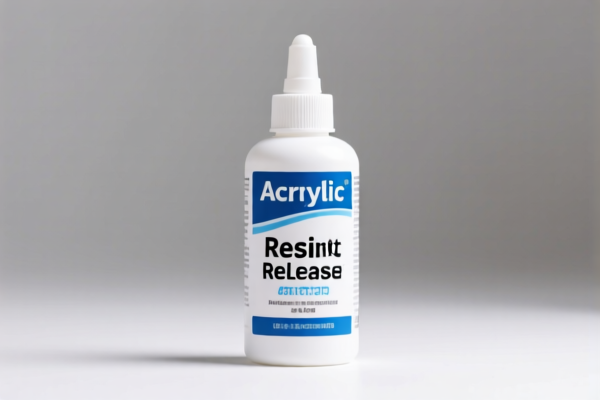
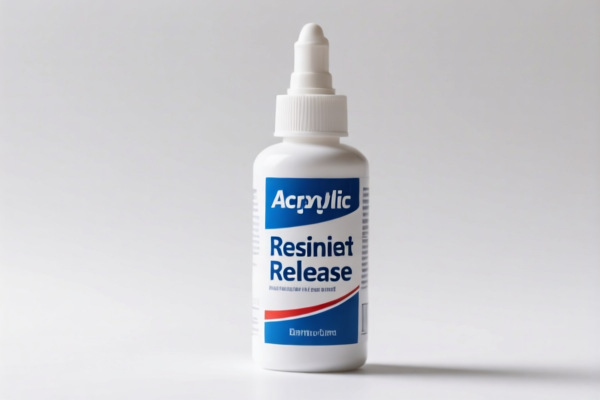
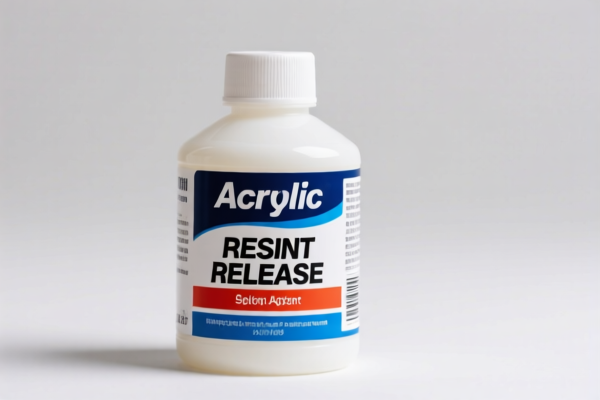
AI Analysis
⚗️ Graphite Mold Release Agent (脱模剂)
🌐 HS Code Reference & Customs Clearance Guide | 2026 Latest Tariff Analysis | Professional Compliance Strategy
📌 Part 1: Product Definition & Classification: What is a "Graphite Mold Release Agent"?
Graphite Mold Release Agents are specialized chemical preparations used to facilitate the separation of molded materials (such as rubber, plastic, or metal) from molds. In international trade, they are classified based on their chemical composition, state of matter (mixture/preparation), and primary function.
Because these agents are often complex blends of lubricants, solvents, and additives, they fall under two main potential headings in the Harmonized System: 1. Heading 3403: Lubricating preparations (if primarily acting as a lubricant). 2. Heading 3824: Prepared binders for foundry molds/cores; chemical products and preparations not elsewhere specified (if acting as a general chemical preparation).
⚠️ Key Distinction Point:
- If the product is primarily defined by its lubricating properties for material processing → HS 3403.
- If the product is defined as a general chemical preparation without a specific lubricating function dominating its identity → HS 3824.
📦 Part 2: HS Code Classification Details (2026 Latest Tariff Authority Comparison)
| HS Code | Product Description | Applicability Logic | Tax Rate (Total) |
|---|---|---|---|
3403.11.50.00 |
Lubricating preparations for processing metals, other materials | Matches Usage: Specifically for mold release (material processing); Form: Mixture. Classified under lubricating/oily preparations. | 36.4% |
3824.99.49.00 |
Other chemical products and preparations (excluding textile/leather) | Matches Basis: "Mixture" fits "Preparation"; "Mold Release" is a chemical industry use. No conflict with chemical product classification. | 41.5% |
3824.99.29.00 |
Other chemical products and preparations (textile/leather focused) | Matches Basis: Mold release is a chemical preparation. Fits "Chemical Products and Preparations" definition. No material conflict. | 41.5% |
3403.11.20.00 |
Lubricating preparations for textile/leather processing | Inferred: Based on common sense, mold release acts similarly to textile/leather agents. No obvious conflict. | 35.2% |
🔍 Focus Reminder:
- HS 3403 codes generally apply if the primary function is lubrication during the molding process.
- HS 3824 codes apply if the product is considered a general chemical preparation.
- The tax difference between these codes is significant due to Base Duties (0.2%–6.5%).
💰 Part 3: 2026 Latest Tariff Rate Details (Including Surtaxes & Policy Add-ons)
✅ Applicable Country: USA (US)
✅ Origin: China (CN)
✅ Effective Date: 2025年11月10日起 (Including subsequent imports)
🎯 1. 3403.11.50.00 —— Lubricating Preparations (Mold Release)
| Item | Content |
|---|---|
| Base Tariff | 1.4% (ad valorem) |
| USITC Surtax (Section 301) | +25.0% (From USITC Footnote 9903.88.01) |
| IEEPA Surtax (Section 122/301) | +10.0% (Targeting China/HK products, from Nov 10, 2025) |
| Total Tariff | 36.4% |
| Tax Calculation | CIF Value × 36.4% |
| De Minimis Eligibility | ❌ No (deny_de_minimis) |
| Legal Basis Path | IEEPA:9903.01.25 → IEEPA:9903.01.24 → USITC:3403.11.50.00 → FOOTNOTE:9903.88.01 |
📌 Explanation:
- "USITC Surtax 25%" comes from the "Additional Tariffs" under U.S. Trade Law Section 301; - "IEEPA 10%" is the对华加征关税 (tariff on China) under the International Emergency Economic Powers Act; - Total 36.4%, a high tariff that must be anticipated in advance!
🎯 2. 3824.99.49.00 —— Other Chemical Products (General Preparation)
| Item | Content |
|---|---|
| Base Tariff | 6.5% |
| USITC Surtax (Section 301) | +25.0% |
| IEEPA Surtax (Section 122/301) | +10.0% |
| Total Tariff | 41.5% |
| Tax Calculation | CIF × 41.5% |
| De Minimis Eligibility | ❌ No |
| Legal Basis Path | IEEPA:9901.25 → IEEPA:9903.01.24 → USITC:3824.99.49.00 → FOOTNOTE:9903.88.01 |
📌 Note:
- Higher base duty (6.5%) compared to 3403 (1.4%) leads to a higher total rate; - Suitable if the product is classified as a generic chemical mixture.
🎯 3. 3824.99.29.00 —— Other Chemical Products (Textile/Leather Focus)
| Item | Content |
|---|---|
| Base Tariff | 6.5% |
| USITC Surtax (Section 301) | +25.0% |
| IEEPA Surtax (Section 122/301) | +10.0% |
| Total Tariff | 41.5% |
| Tax Calculation | CIF × 41.5% |
| De Minimis Eligibility | ❌ No |
| Legal Basis Path | IEEPA:9901.25 → IEEPA:9903.01.24 → USITC:3824.99.29.00 → FOOTNOTE:9903.88.01 |
📌 Note:
- Same tax burden as3824.99.49.00; - Only choose this if the product is specifically intended for textile/leather mold release.
🎯 4. 3403.11.20.00 —— Lubricating Preparations (Textile/Leather)
| Item | Content |
|---|---|
| Base Tariff | 0.2% |
| USITC Surtax (Section 301) | +25.0% |
| IEEPA Surtax (Section 122/301) | +10.0% |
| Total Tariff | 35.2% |
| Tax Calculation | CIF × 35.2% |
| De Minimis Eligibility | ❌ No |
| Legal Basis Path | IEEPA:9901.25 → IEEPA:9903.01.24 → USITC:3403.11.20.00 → FOOTNOTE:9903.88.01 |
📌 Note:
- Lowest base duty (0.2%) among all options; - Only applicable if the mold release agent is explicitly for textile/leather processing.
🛠️ Part 4: Customs Clearance Practical Advice (Real-World Pitfall Avoidance)
✅ 1. Required Document Checklist (None Can Be Omitted)
| Document | Must Provide | Explanation |
|---|---|---|
| ✅ Product Spec Sheet | ✔️ | Includes composition, viscosity, application method, temperature range. |
| ✅ MSDS / SDS | ✔️ | Critical for chemical goods. Declares hazardous components, flash point, and safety info. |
| ✅ Product Photo | ✔️ | Clear view of label, model, brand, and packaging type (liquid/paste). |
| ✅ Third-Party Test Report | ✔️ | If applicable (e.g., EPA, REACH compliance for chemicals). |
| ✅ Commercial Invoice | ✔️ | Must clearly state "Graphite Mold Release Agent, Chemical Preparation" or "Lubricant". |
| ✅ Packing List | ✔️ | Details net/gross weight and number of containers. |
✅ 2. Declaration Techniques (Key Mantras)
🔥 "Clarify Function: Lubricant vs. Chemical; Label Precisely, Avoid Penalties!"
| Scenario | Correct Declaration Method | Incorrect Practice |
|---|---|---|
| Primary function is lubrication (e.g., metal molding) | 3403.11.50.00 (36.4%) |
Misdeclare as general chemical → 41.5% |
| Primary function is chemical preparation | 3824.99.49.00 (41.5%) |
Misdeclare as lubricant → 36.4% (if audited, may be reclassified) |
| Used for textile/leather molding | 3403.11.20.00 (35.2%) |
Misdeclare as metal mold release → 36.4% |
| Mixed/Undefined use | 3824.99.49.00 (41.5%) |
Vague description "Release Agent" → Delay/Inspection |
✅ 3. Special Case Handling
| Scenario | Handling Advice |
|---|---|
| OEM Custom Formulation | Provide client order + formula details. Avoid being classified as "undefined chemical mixture." |
| Hazardous Chemicals | If MSDS indicates flammability or toxicity, ensure proper UN packaging and hazard labeling. |
| Multiple Uses | If used for both metal and plastic, default to 3403.11.50.00 if lubrication is the key feature. |
| Small Sample Shipments | Still subject to 45% max tax. Do not assume de minimis applies to chemicals. |
🌍 Part 5: Global Main Market Clearance Comparison (2026 Latest)
| Country/Region | Recommended HS Code | Tariff (China Origin) | Certification Requirements | Notes |
|---|---|---|---|---|
| 🇺🇸 USA | 3403.11.50.00 |
36.4% (Lubricant) | EPA/OSHA Compliance | High tariff due to Section 301 & IEEPA. |
| 🇨🇳 China | 3403.11.50.00 |
~5-13% | CCC (if applicable) | No additional surtaxes for domestic. |
| 🇪🇺 EU | 3824.99.49.00 |
0-6.5% (varies) | REACH Registration | Lower tariffs, but strict REACH compliance required. |
| 🇦🇺 Australia | 3403.11.50.00 |
5% | AICIS (Australian Industrial Chemicals Introduction Scheme) | No major surtaxes. |
| 🇯🇵 Japan | 3403.19.00.00 |
3-8% | Chemical Substances Control Law | Check specific JIS standards. |
📌 Conclusion:
- USA is the most expensive market for Graphite Mold Release Agents due to combined surtaxes; - EU/Australia have lower duties but stricter environmental/safety regulations (REACH/AICIS); - Recommendation: For US imports, consider Supply Chain Diversification or Advance Ruling to minimize risk.
📌 Part 6: Common Mistakes & Pitfall Guide (Blood & Tears Lessons)
❌ Mistake 1: Declaring as "General Chemical" (3824) when it's clearly a lubricant
👉 Consequence: Underpayment of duties? No, Overpayment! (41.5% vs 36.4%). Better to pay less if correct.
❌ Mistake 2: Using "Mold Release" without specifying Lubricant vs. Chemical
👉 Consequence: Customs may classify it under the highest possible rate (41.5%) or hold shipment for inspection.
❌ Mistake 3: Ignoring MSDS/SDS requirements
👉 Consequence: Chemicals without SDS are rejected at customs → Return/Destroy at seller's expense.
❌ Mistake 4: Assuming De Minimis applies
👉 Consequence: Chemicals are not eligible for de minimis exemption in the US → Full tax + penalty.
✅ Correct Practice:
"Graphite-based Mold Release Agent, Liquid Lubricant, for Metal Molding, Non-Hazardous, Model XYZ, Compliant with EPA Standards"
🎯 Part 7: Conclusion: Precise Classification, Save Money, Ensure Smooth Clearance!
🎯 Remember the Mantra:
🔹 "Lubricant vs. Chemical, Base Duty Differs by 6%;
🔹 Section 301 & IEEPA, Total Tax over 35%!
🔹 MSDS is Key, No SDS, No Entry!"
📌 Tips:
- If your mold release agent is originally from Vietnam, Mexico, Thailand, or Malaysia, you may apply for IEEPA Exemption, reducing taxes to 0%~5%.
- Recommend applying for Advance Ruling (Pre-classification) from CBP to avoid clearance risks.
📣 Take Action Now:
📞 Contact a Professional Customs Broker + Provide Product Images + Apply for HS Code Advance Ruling
🚀 Let your Graphite Mold Release Agent clear customs smoothly, efficiently, and profitably!
✨ Professional Clearance Starts with Precise Classification!
💼 Every Cent of Your Cost Deserves Accurate Calculation!
Customer Reviews
About HS Code Classification
The Harmonized System (HS) is an internationally standardized nomenclature developed by the World Customs Organization (WCO) to classify traded products. Over 200 countries use the HS system as the basis for customs tariffs, trade statistics, and import/export regulations.
Each HS code follows a hierarchical structure:
- Chapter (2 digits) — Broad category of goods (e.g., Chapter 84: Machinery and Mechanical Appliances)
- Heading (4 digits) — More specific grouping within the chapter
- Subheading (6 digits) — Internationally standardized breakdown, used by all WCO member countries
- National subdivisions (8-10 digits) — Country-specific extensions for further classification, such as US HTSUS 10-digit codes
Correct HS code classification is essential for smooth customs clearance, accurate duty payment, and compliance with trade regulations. Misclassification can lead to customs delays, overpayment of duties, or penalties.
When importing from CN to US, the applicable tariff rates may include:
- Most-Favored-Nation (MFN) rate — The standard duty rate applied to WTO members
- General rate — Applied to countries without trade agreements
- Trade remedy duties — Additional tariffs such as Section 301 (anti-dumping), Section 232 (national security), or countervailing duties
The information provided on this page is for reference purposes only. For official classification, please consult with your local customs authority or a licensed customs broker.