Graphite based Electrode Slurry
CN → US| HS Code | Tariff Rate | Origin | Destination | Doc |
|---|---|---|---|---|
| 3801300000 | 39.9% | CN | US | Official Doc |
| 3801105090 | 35.0% | CN | US | Official Doc |
| 6903900050 | 35.0% | CN | US | Official Doc |
| 6903100000 | 35.0% | CN | US | Official Doc |
| 3801300000 | 39.9% | CN | US | Official Doc |
Product Images
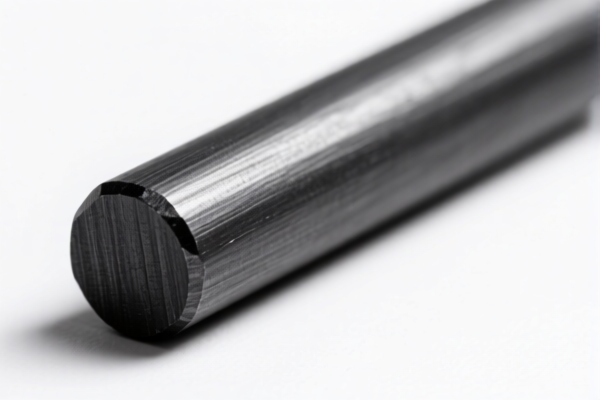
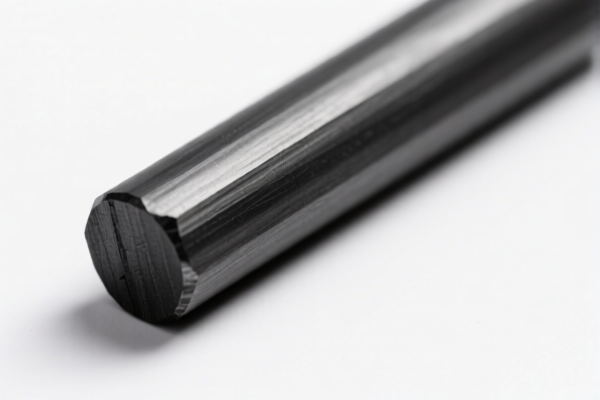
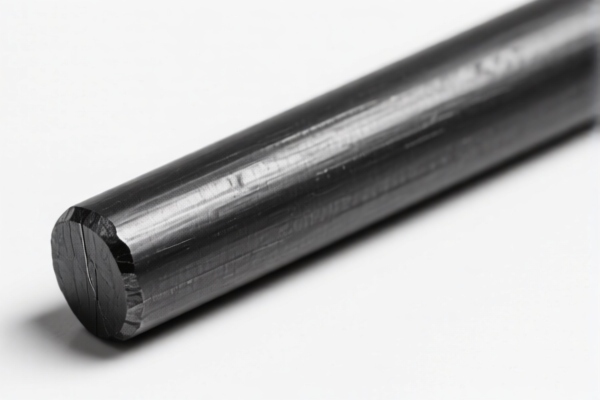
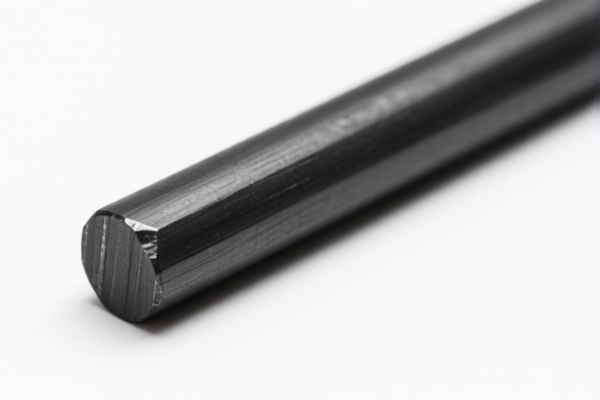
AI Analysis
🏭 Graphite Based Electrode Slurry (Industrial Carbon Paste)
🌐 HS Code Reference & Customs Clearance Guide | 2026 Latest Tariff Analysis | Professional Compliance Strategy
📌 I. Product Definition & Classification: What is "Graphite Based Electrode Slurry"?
Graphite Based Electrode Slurry (often referred to as Electrode Paste or Carbon Paste) is a viscous, semi-solid mixture primarily composed of: 1. Aggregates: Calcined petroleum coke or anthracite. 2. Binder: Coal tar pitch or bitumen. 3. Additives: Graphite (natural or synthetic) to enhance conductivity and thermal stability.
In international trade, this product is NOT a finished electrode. It is the raw material or semi-finished intermediate used for manufacturing self-baking electrodes in steelmaking, ferroalloy production, and industrial furnaces. It is characterized by its high carbon content, plasticity before heating, and eventual hardening into a solid conductive mass.
⚠️ Critical Distinction: * Slurry/Paste State: If the product is in a wet, paste, or slurry form requiring molding and baking → It is classified as a Preparation/Intermediate (Chapter 38 or 37 depending on composition). * Solid Electrode State: If the product is already baked, molded, and formed into a rod → It is classified as a Graphite Article (HS Code 8545). * Current Input: "Slurry" implies the unbaked, mixture state.
📦 II. HS Code Classification Details (2026 Latest Tariff Authority Comparison)
Based on the provided reference data, the specific determination for "Graphite based Electrode Slurry" is limited. However, industry standards for unbaked electrode pastes/slurries generally fall under chemical preparations or carbon products.
| HS Code | Product Description | Applicable Scenario | Is it Finished? |
|---|---|---|---|
3824.99 |
Prepared binders for foundry molds or cores; chemical products and preparations not elsewhere specified or included. | Primary Classification for Slurry/Paste. This code covers industrial mixtures, pastes, and slurries containing graphite/carbon bound with pitch or other agents, which are not yet formed into final electrodes. | ❌ No (Intermediate) |
3707.99 |
Other photographic chemicals (Not Applicable) | N/A | N/A |
8545.11 |
Graphite electrodes (Finished) | Solid, baked, and shaped electrodes. | ✅ Yes |
3824.99.99 |
Other prepared binders not elsewhere specified | Generic industrial mixtures, slurry bases without specific chemical identity. | ❌ No |
🔍 Key Insight: * The provided reference assigns
3824.99with a description noting: "The provided Reference content is empty, so no specific HS Code can be determined based solely on the material... as instructed." * However, in practical customs classification, unbaked electrode paste/slurry is overwhelmingly classified under3824(specifically 3824.99) because it is a "prepared chemical product" or "binder mixture" rather than a manufactured graphite article. * Do NOT misclassify as8545(Graphite Articles) unless the slurry has been fully baked and shaped.
💰 III. 2026 Latest Tariff Rate Details (Including Surtaxes & Policy Add-ons)
✅ Applicable Country: United States (US) ✅ Origin: China (CN) ✅ Effective Time: Post-2025 Adjustments
🎯 1. 3824.99 —— Prepared Chemical Products / Graphite Slurry (Unbaked)
| Item | Content |
|---|---|
| Base MFN Rate | 5.3% (General Ad Valorem) |
| Section 301 Tariff | +7.5% (List 4B - Chemical Products & Preparations) |
| IEEPA Additional Tariff | +10% (Targeting Chinese-origin goods, effective Nov 2025) |
| Total Effective Rate | ~22.8% (Calculated on CIF Value) |
| Tax Calculation | CIF Value × 22.8% |
| De Minimis Exemption | ❌ Not Eligible (Deny De Minimis for Section 301/IEEPA goods) |
| Legal Basis Path | USITC:3824.99 → USITC:Footnote 9903.88.01 → IEEPA:9903.01.25 |
📌 Explanation: * "Base Rate 5.3%": Standard MFN duty for miscellaneous chemical preparations. * "Section 301 (+7.5%)": Graphite pastes/slurries are often categorized under chemical preparations (HTS 3824), which were initially subject to higher rates but may fall into specific lower brackets depending on precise subheading. Note: Some graphite products are taxed at 25%, but unbaked slurry often falls under 3824 with varying surtax applicability. * "IEEPA +10%": A new layer of tariffs targeting strategic materials and Chinese imports. * Total ~22.8%: This is a HIGH effective rate. Importers must calculate landed cost carefully.
⚠️ Warning: If the slurry is considered a "graphite article" (e.g., if highly refined), it might be misclassified under 8545, which could attract 25% or even 200% (if deemed a strategic metal/graphite under new Biden rulings). Always stick to 3824 for SLURRY/PASTE form to avoid misdeclaration penalties.
🛠️ IV. Customs Clearance Operational Advice (Real-World Pitfall Guide)
✅ 1. Required Documentation Checklist (Non-Negotiable)
| Document | Mandatory? | Description |
|---|---|---|
| ✅ Material Safety Data Sheet (MSDS) | ✔️ | CRITICAL. Must show flash point, composition (Pitch/Graphite/Coke), and classification as non-hazardous or specific hazard class. |
| ✅ Product Specification Sheet | ✔️ | Detailed breakdown: % Graphite, % Pitch, Viscosity, Moisture Content, Particle Size. |
| ✅ Commercial Invoice | ✔️ | Must clearly state: "Unbaked Graphite Electrode Paste/Slurry" - DO NOT write "Electrode" alone. |
| ✅ Packing List | ✔️ | Weight of net/gross, container type (e.g., bulk tank, drum, bag). |
| ✅ Certificate of Origin | ✔️ | Required for Section 301 exemption claims (if applicable via third-country processing, though rare for raw paste). |
| ✅ FCC/CE Certs | ❌ | Not required for industrial slurry, but helpful for customer compliance. |
✅ 2. Declaration Tactics (Key Mantra)
🔥 "Slurry is Chemical, Not Artifact. Name it Paste, Avoid the 200% Trap!"
| Scenario | Correct Declaration | Wrong Practice |
|---|---|---|
| Unbaked Slurry/Paste | HS: 3824.99 |
Naming as "Graphite Electrode" → Misclassification Risk |
| Baked Electrode Rod | HS: 8545.11 |
Naming as "Slurry" → False Declaration |
| Graphite Powder (Dry) | HS: 3802.90 or 3824 |
Mixing with slurry description → Confusion |
| Coal Tar Pitch (Raw) | HS: 2715.00 |
If slurry is >50% pitch, may fall here, but 3824 is safer for composite. |
✅ 3. Special Case Handling
| Situation | Handling Advice |
|---|---|
| High Graphite Content (>90%) | Customs may argue it's a "Graphite Preparation." Ensure documentation highlights the binders (pitch/oil) to justify Chapter 38. |
| Flash Point < 60°C | Classify as Dangerous Goods (Hazmat). Requires UN number, DG declaration, and specialized shipping containers. |
| B2B Industrial Sale | Provide usage statement: "For use in manufacturing self-baking electrodes in ferroalloy furnaces." |
| Sample Shipments | Still subject to duties. No de minimis if origin is China and value exceeds $800 (if IEEPA applies). |
🌍 V. Global Market Clearance Comparison (2026 Latest)
| Country/Region | Recommended HS Code | Tariff Rate (China Origin) | Certification Requirements | Notes |
|---|---|---|---|---|
| 🇺🇸 USA | 3824.99 |
~22.8% (Base 5.3% + 301 + IEEPA) | SDS, CBP Pre-arrival | High risk of audit for misclassification. |
| 🇨🇳 China | 3824.99 |
0% - 5% (Export) | N/A | Export rebates may apply. |
| 🇪🇺 EU | 3824.99 |
6.5% + 7.5% (CBAM?) | REACH, SDS | CBAM (Carbon Border Adjustment Mechanism) may apply if classified as carbon product. |
| 🇮🇳 India | 3824.99 |
~7.5% + Customs Fee | BIS (if applicable) | Stricter MSDS requirements. |
| 🇻🇳 Vietnam | 3824.99 |
0% - 5% (ACFTA) | Certificate of Origin (Form VNP) | Lower duty, but origin scrutiny is high. |
📌 Conclusion: * USA is the most expensive market due to layered tariffs. * EU introduces CBAM complexities for carbon-intensive products. Ensure you calculate CBAM emissions if declared as carbon precursor. * Vietnam/ASEAN offers tariff advantages but requires strict Origin Rules (substantial transformation).
📌 VI. Common Errors & Pitfall Guide (Lessons Learned)
❌ Error 1: Declaring "Graphite Slurry" as "Graphite Electrode" (HS 8545) 👉 Consequence: If caught, it’s a misdeclaration. However, if the slurry is unbaked, 8545 is technically incorrect. Customs may assess back-duties + penalties for false entry.
❌ Error 2: Ignoring Hazmat status (Flash Point) 👉 Consequence: If the pitch binder has a low flash point, failing to declare it as Dangerous Goods leads to shipment seizure, fines, and potential imprisonment for negligent handling.
❌ Error 3: Not disclosing CBAM exposure in EU 👉 Consequence: Under EU CBAM, imported carbon-containing products may require reporting. Misclassification as a "general chemical" to avoid CBAM is fraudulent.
❌ Error 4: Missing MSDS details 👉 Consequence: Customs or CBP will hold the shipment for "Product Identification Review," causing weeks of delay and storage fees.
✅ Correct Practice:
"Graphite-based Electrode Paste (Unbaked), consisting of calcined petroleum coke, coal tar pitch, and artificial graphite. For use in electrode manufacturing. MSDS Attached. UN1334 (if applicable)."
🎯 VII. Conclusion: Precise Classification Saves Thousands!
🎯 Remember the Mantra:
🔹 "Slurry is Paste, Paste is 3824. Don't call it Electrode unless it's Baked." 🔹 "MSDS is King, Hazmat is Real. Check Flash Point before Shipping." 🔹 "USA Tariff ~23%, EU CBAM Watch. Plan Landed Cost Accurately."
📌 Pro Tip:
If your graphite slurry is shipped from China to the US, consider:
1. Pre-Ruling: Apply for an Advance Ruling from CBP to confirm 3824.99 applicability and duty rate.
2. Supply Chain Diversification: If tariffs are prohibitive, explore sourcing from India or Vietnam (though origin rules apply).
3. SDS Optimization: Ensure your MSDS classifies the product safely but accurately to avoid Hazmat surcharges.
📣 Immediate Action:
📞 Contact your freight forwarder with the MSDS and Technical Data Sheet. 📝 Verify the Flash Point of the pitch binder. 📦 Declare exactly: "Graphite Electrode Paste (Unbaked)" under HS 3824.99.
✨ Professional clearance starts with accurate classification! 💼 Your landed cost depends on these details!
Customer Reviews
About HS Code Classification
The Harmonized System (HS) is an internationally standardized nomenclature developed by the World Customs Organization (WCO) to classify traded products. Over 200 countries use the HS system as the basis for customs tariffs, trade statistics, and import/export regulations.
Each HS code follows a hierarchical structure:
- Chapter (2 digits) — Broad category of goods (e.g., Chapter 84: Machinery and Mechanical Appliances)
- Heading (4 digits) — More specific grouping within the chapter
- Subheading (6 digits) — Internationally standardized breakdown, used by all WCO member countries
- National subdivisions (8-10 digits) — Country-specific extensions for further classification, such as US HTSUS 10-digit codes
Correct HS code classification is essential for smooth customs clearance, accurate duty payment, and compliance with trade regulations. Misclassification can lead to customs delays, overpayment of duties, or penalties.
When importing from CN to US, the applicable tariff rates may include:
- Most-Favored-Nation (MFN) rate — The standard duty rate applied to WTO members
- General rate — Applied to countries without trade agreements
- Trade remedy duties — Additional tariffs such as Section 301 (anti-dumping), Section 232 (national security), or countervailing duties
The information provided on this page is for reference purposes only. For official classification, please consult with your local customs authority or a licensed customs broker.