Graphite based Polishing Material
CN → US| HS Code | Tariff Rate | Origin | Destination | Doc |
|---|---|---|---|---|
| 3801105010 | 35.0% | CN | US | Official Doc |
| 6815110000 | 35.0% | CN | US | Official Doc |
| 6909195095 | 39.0% | CN | US | Official Doc |
| 3801105090 | 35.0% | CN | US | Official Doc |
| 6815190000 | 35.0% | CN | US | Official Doc |
Product Images
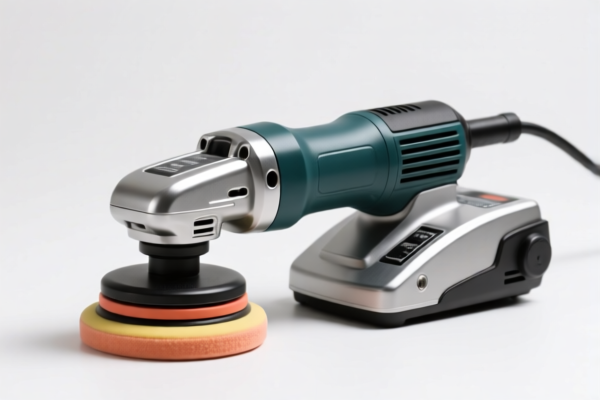
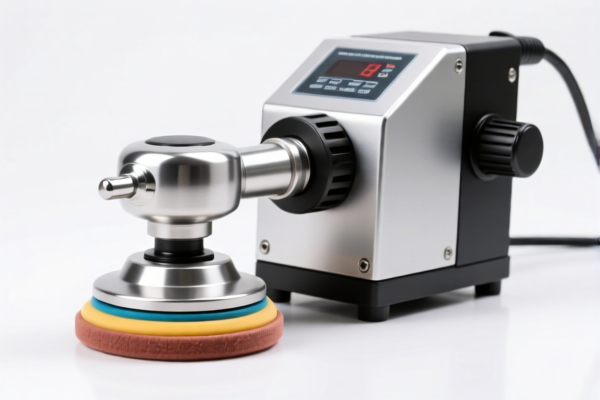
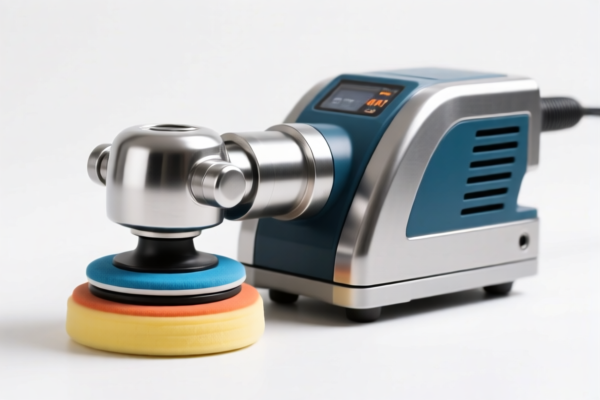
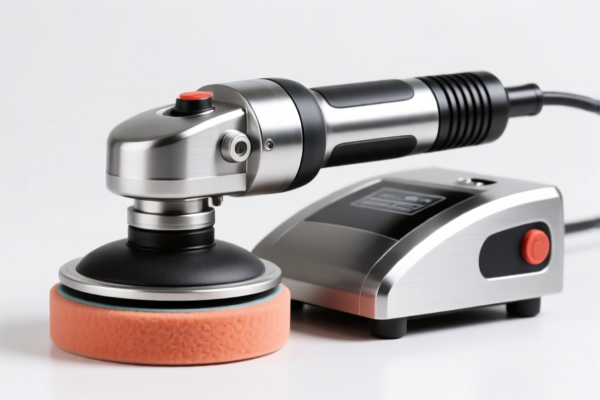
AI Analysis
🔩 Graphite-Based Polishing Material (Industrial Abrasives & Carbon Products)
🌐 HS Code Reference & Customs Clearance Guide | 2026 Latest Tariff Analysis | Professional Clearance Strategy
📌 I. Product Definition & Classification: Do You Truly Understand "Graphite-Based Polishing Materials"?
Graphite-based polishing materials are critical components in high-precision manufacturing, semiconductor processing, and optical component finishing. In international trade, they are primarily classified based on their material composition, form (solid vs. powder/liquid), and intended use (electrical vs. non-electrical/chemical).
Key Distinctions: * Synthetic/Artificial Graphite Blocks/Pieces: Often classified under Chapter 38 (Miscellaneous Chemical Products) if not specifically identified as carbon articles, or Chapter 68 if meeting specific graphite article definitions. * Natural/Processed Graphite Articles: Generally fall under Chapter 68 (Articles of Stone or Similar Materials) as "Other graphite or carbon articles, non-electrical." * Ceramic-Graphite Composites: If the material is inferred to be ceramic-based with graphite reinforcement, it may fall under Chapter 69 (Ceramic Products).
⚠️ Critical Classification Point:
- If the product is artificial graphite in unspecified forms → Chapter 38 (3801)
- If the product is graphite/carbon articles for non-electrical use → Chapter 68 (6815)
- If the product is ceramic-based (even with graphite) → Chapter 69 (6909)
📦 II. HS Code Classification Details (2026 Latest Tariff Authority Comparison)
| HS Code | Product Description | Application Scenario | Material Nature |
|---|---|---|---|
3801.10.50.10 |
Graphite-based anti-corrosion material; material is artificial graphite; form unspecified; classified under "Other" | General industrial graphite pieces, unspecified forms | Synthetic Artificial Graphite |
6815.11.00.00 |
Graphite-based anti-corrosion material; material is graphite product; fits "Other graphite or carbon articles, not for electrical use" | Non-electrical graphite blocks, pads, or inserts | Natural/Processed Graphite Article |
6909.19.50.95 |
Graphite-based anti-corrosion material; inferred as ceramic material category; fits ceramic products for chemical/technical uses | Ceramic-graphite composites, technical ceramics | Ceramic-Based Composite |
3801.10.50.90 |
Graphite-based anti-corrosion material; material is artificial graphite; specific form not indicated; classified under "Other" | Unspecified synthetic graphite products | Synthetic Artificial Graphite |
6815.19.00.00 |
Graphite-based anti-corrosion material; material is graphite; falls under "Other carbon articles, not for electrical use" | General non-electrical graphite articles | Natural/Processed Graphite Article |
🔍 Key Reminder:
- Artificial Graphite without specific form details often defaults to 3801.10 (Miscellaneous Chemical Products).
- Graphite Articles specifically designed for non-electrical industrial use (like polishing/corrosion resistance) fall under 6815.11 or 6815.19.
- Ceramic-Graphite hybrids are tricky; if the primary matrix is ceramic, 6909 applies.
💰 III. 2026 Latest Tariff Rate Breakdown (Including Surtaxes & Policy Add-ons)
✅ Applicable Country: United States (US)
✅ Country of Origin: China (CN)
✅ Effective Date: From November 10, 2025 (and subsequent imports)
🎯 1. 3801.10.50.10 & 3801.10.50.90 —— Artificial Graphite Products (Chapter 38)
| Item | Content |
|---|---|
| Base Tariff | 0% (ad valorem) |
| USITC Surtax (Section 301) | +25% |
| IEEPA Surtax (Section 122/China Specific) | +10% |
| Total Tariff Rate | 35.0% |
| Tax Calculation | CIF Value × 35% |
| De Minimis Exemption Available? | ❌ No (deny_de_minimis applies to China-origin goods under these surtaxes) |
| Legal Basis Path | IEEPA:9903.01.25 → USITC:3801.10.50.xx → FOOTNOTE:9903.88.01 |
📌 Explanation:
- Despite a 0% base tariff, the 35% total makes these imports significantly expensive.
- The 25% is from Section 301 trade remedies.
- The 10% is an additional IEEPA surcharge targeting Chinese goods.
🎯 2. 6815.11.00.00 & 6815.19.00.00 —— Graphite/Carbon Articles (Chapter 68)
| Item | Content |
|---|---|
| Base Tariff | 0% (ad valorem) |
| USITC Surtax (Section 301) | +25% |
| IEEPA Surtax (Section 122/China Specific) | +10% |
| Total Tariff Rate | 35.0% |
| Tax Calculation | CIF Value × 35% |
| De Minimis Exemption Available? | ❌ No |
| Legal Basis Path | IEEPA:9903.01.25 → USITC:6815.1x.00.00 → FOOTNOTE:9903.88.01 |
📌 Note:
- Identical rate to Chapter 38.
- Applies to solid graphite/carbon items used for corrosion resistance or polishing.
- Do not confuse with electrical graphite (which may have different classifications).
🎯 3. 6909.19.50.95 —— Ceramic-Based Graphite Composites (Chapter 69)
| Item | Content |
|---|---|
| Base Tariff | 4.0% (ad valorem) |
| USITC Surtax (Section 301) | +25% |
| IEEPA Surtax (Section 122/China Specific) | +10% |
| Total Tariff Rate | 39.0% |
| Tax Calculation | CIF Value × 39% |
| De Minimis Exemption Available? | ❌ No |
| Legal Basis Path | IEEPA:9903.01.25 → USITC:6909.19.50.95 → FOOTNOTE:9903.88.01 |
📌 Warning:
- This is the highest tariff in the dataset.
- If your product is a ceramic-graphite hybrid, you face 39%, not 35%.
- Misclassification from 6815 (35%) to 6909 (39%) results in an extra 4% cost.
🛠️ IV. Customs Clearance Practical Advice (Battle-Tested Pitfall Avoidance)
✅ 1. Documentation Checklist (Non-Negotiable)
| Document | Required | Purpose |
|---|---|---|
| ✅ Product Specification Sheet | ✔️ | Must detail: Material composition (Artificial Graphite vs. Natural Graphite vs. Ceramic Composite), Form (Powder, Block, Slurry), Use (Polishing, Corrosion Resistance) |
| ✅ Material Safety Data Sheet (MSDS) | ✔️ | Confirms chemical nature, especially for powder/slurry forms |
| ✅ Product Photos (Labeled) | ✔️ | Show texture, shape, and any branding/packaging |
| ✅ Commercial Invoice | ✔️ | Must clearly state: "Graphite-Based Polishing Material" + HS Code + Country of Origin |
| ✅ Certificate of Origin (CO) | ✔️ | Essential for proving Chinese origin (triggers surtaxes) |
| ✅ Packing List | ✔️ | Detail net/gross weight to verify CIF value accuracy |
✅ 2. Declaration Tips (Key Mantra)
🔥 “Material is King, Form Defines Code, Misclassify Costs More!”
| Scenario | Correct Declaration | Common Mistake |
|---|---|---|
| Solid Graphite Block for Polishing | 6815.11.00.00 or 6815.19.00.00 |
Misclassifying as "Tool Part" → 35%+ |
| Artificial Graphite Paste/Powder | 3801.10.50.10 or 3801.10.50.90 |
Misclassifying as "Chemical Mixture" → 35% |
| Ceramic-Graphite Composite Pad | 6909.19.50.95 |
Misclassifying as "Graphite Only" → Saves 4% but risks penalty if audited |
| Electrical Graphite Brush | Not in this list (Different Code) | Using 6815 for electrical use → Wrong! |
✅ 3. Special Case Handling
| Scenario | Handling Advice |
|---|---|
| Mixed Shipments | Separate shipments by HS Code if possible to simplify valuation. If mixed, declare separately on the same invoice. |
| OEM Custom Shapes | Provide CAD drawings to prove it’s a "graphite article" and not a "machine part." |
| Liquid/Slurry Forms | Strongly lean toward 3801.10.50.10 unless explicitly defined as ceramic-based (6909). |
| Small Sample Imports | No De Minimis Exemption. Even small samples face 35-39% tax if from China. Budget accordingly. |
🌍 V. Global Market Clearance Comparison (2026 Latest)
| Country/Region | Recommended HS Code | Tariff (China Origin) | Certification | Note |
|---|---|---|---|---|
| 🇺🇸 USA | 6815.11.00.00 / 3801.10.50.10 |
35% (Graphite) 39% (Ceramic-Graphite) |
None specific | High surtaxes apply |
| 🇨🇳 China | 6815.11.00.00 |
~0% (Import Duty) | CCC (if applicable) | Domestic trade common |
| 🇪🇺 EU | 6815.11.00.00 |
0-2% (if eligible) | REACH Compliance | Lower tariffs than US |
| 🇯🇵 Japan | 6815.19.00.00 |
3-5% | JIS Standards | Competitive market |
📌 Conclusion:
- USA is the most expensive market for these goods due to the 35-39% effective rate.
- EU and Japan offer significantly lower entry barriers.
- Supply Chain Strategy: Consider sourcing from Vietnam, Thailand, or India to avoid China-specific surtaxes.
📌 VI. Common Errors & Pitfalls (Blood & Tears Lessons)
❌ Error 1: Declaring "Graphite Polishing Paste" as 6815 (Solid Articles)
👉 Consequence: Customs may reject because 6815 typically implies solid forms. Use 3801 for pastes/powders.
❌ Error 2: Ignoring the "Ceramic" aspect of composite materials
👉 Consequence: Underpaying 4% (35% vs 39%) leads to post-audit penalties + interest.
❌ Error 3: Assuming "Polishing Material" is a tool part (8207/8466)
👉 Consequence: Wrong chapter, delayed clearance, potential seizure.
❌ Error 4: Not declaring Country of Origin correctly
👉 Consequence: Lose eligibility for any potential FTAs (if applicable) or face incorrect surtax application.
✅ Correct Approach:
"Graphite-Based Polishing Material, Synthetic Artificial Graphite, Block Form, for Industrial Corrosion Resistance, Made in China"
🎯 VII. Conclusion: Precise Classification Saves Money!
🎯 Remember the Mantra:
🔹 "Artificial Graphite? 3801 (35%). Solid Graphite Article? 6815 (35%). Ceramic-Graphite? 6909 (39%). No Exemptions for China!"
🔹 "HS Code Determines Fate, 4% Difference Matters, Wrong Declaration Costs Thousands!"
📌 Pro Tip:
If your graphite polishing material is sourced from Vietnam, Mexico, or Malaysia, you may qualify for IEEPA Exemptions, reducing the tariff to 0%-5%.
Recommendation: Apply for an Advance Ruling (Ruling Letter) from CBP before shipment to lock in the HS Code and avoid surprises.
📣 Immediate Action:
📞 Contact a Licensed Customs Broker + Provide Product Specs + Apply for HS Code Advance Ruling
🚀 Ensure smooth clearance, minimize costs, and maximize profit margins!
✨ Professional Clearance Starts with Accurate Classification!
💼 Every Penny Counted, Every Risk Mitigated!
Customer Reviews
About HS Code Classification
The Harmonized System (HS) is an internationally standardized nomenclature developed by the World Customs Organization (WCO) to classify traded products. Over 200 countries use the HS system as the basis for customs tariffs, trade statistics, and import/export regulations.
Each HS code follows a hierarchical structure:
- Chapter (2 digits) — Broad category of goods (e.g., Chapter 84: Machinery and Mechanical Appliances)
- Heading (4 digits) — More specific grouping within the chapter
- Subheading (6 digits) — Internationally standardized breakdown, used by all WCO member countries
- National subdivisions (8-10 digits) — Country-specific extensions for further classification, such as US HTSUS 10-digit codes
Correct HS code classification is essential for smooth customs clearance, accurate duty payment, and compliance with trade regulations. Misclassification can lead to customs delays, overpayment of duties, or penalties.
When importing from CN to US, the applicable tariff rates may include:
- Most-Favored-Nation (MFN) rate — The standard duty rate applied to WTO members
- General rate — Applied to countries without trade agreements
- Trade remedy duties — Additional tariffs such as Section 301 (anti-dumping), Section 232 (national security), or countervailing duties
The information provided on this page is for reference purposes only. For official classification, please consult with your local customs authority or a licensed customs broker.