Grater
CN → US| HS Code | Tariff Rate | Origin | Destination | Doc |
|---|---|---|---|---|
| 6911108090 | 38.3% | CN | US | Official Doc |
| 6911108010 | 38.3% | CN | US | Official Doc |
| 7323930045 | 62.0% | CN | US | Official Doc |
| 7323930035 | 62.0% | CN | US | Official Doc |
| 8210000000 | 38.7% | CN | US | Official Doc |
Product Images
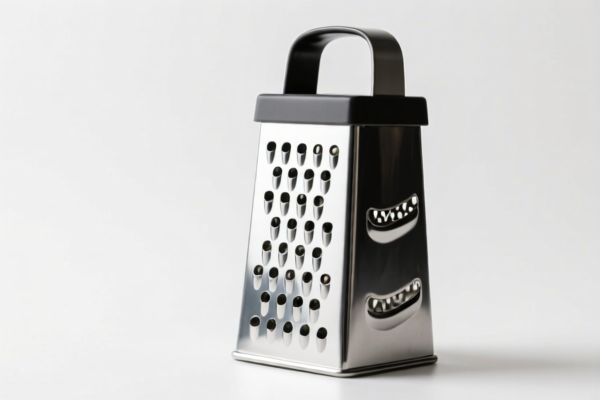
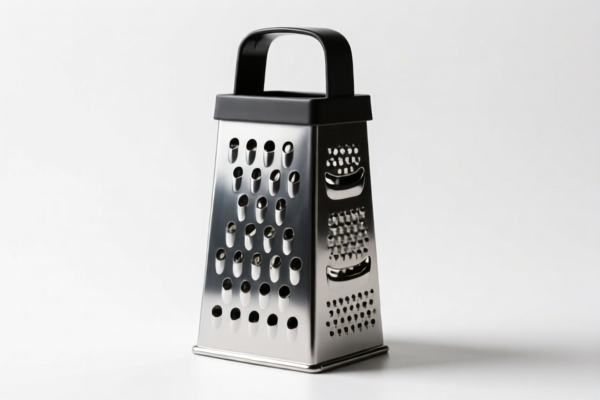
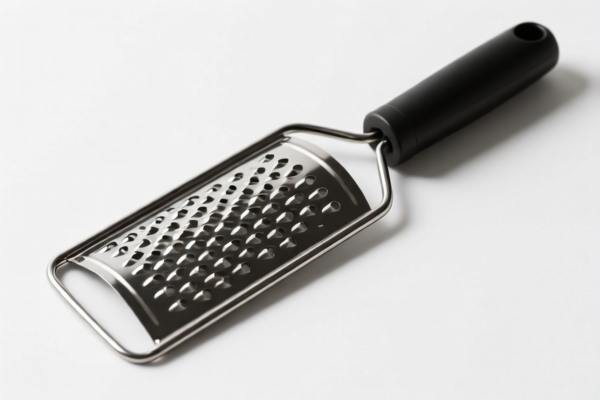
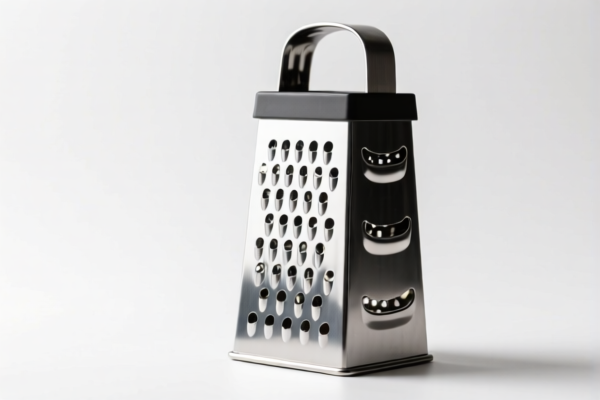
AI Analysis
🥕 The Grater (Kitchen Utensils for Food Preparation)
🌐 HS Code Reference & Customs Clearance Guide | 2026 Latest Tariff Analysis | Professional Compliance Strategy
📌 I. Product Definition & Classification: Do You Really Know Your "Grater"?
A grater is a specialized kitchen utensil designed for shredding, grating, or zesting food items. In international trade, the classification depends heavily on the material composition and the mechanism of action (manual vs. motorized). Under current US tariff structures (including Section 301 and Section 122 provisions), misclassification can lead to significant duty discrepancies.
Graters are generally categorized into two main groups based on HS Code chapters: 1. Ceramic Graters: Falls under Chapter 69 (Ceramic Products). 2. Metal Graters (Stainless Steel/Iron): Falls under Chapter 73 (Articles of Iron/Steel) or Chapter 82 (Tools/Hand Implements).
⚠️ Key Distinction Point: - If the grater is entirely made of ceramic, it is classified under 6911. - If the grater is made of stainless steel or base metal but lacks a complex mechanical drive system (i.e., it is a manual hand-held tool), it may fall under 7323 (Household articles) or 8210 (Hand instruments for food preparation). - Crucial Note: The "Material" and "Function" dictate the duty rate, which varies drastically (from 38% to 62%) due to specific trade sanctions.
📦 II. HS Code Classification Details (2026 Latest Tariff Authority对照)
| HS Code | Product Description | Material | Use Case | Key Identifier |
|---|---|---|---|---|
6911.10.80.90 |
Ceramic Grater | Ceramic | Kitchenware (General) | Purely ceramic body/teeth |
6911.10.80.10 |
Ceramic Grater | Ceramic | Kitchenware (Specific) | Purely ceramic body/teeth |
7323.93.00.45 |
Stainless Steel Grater | Stainless Steel | Cooking/Kitchen Supplies | Metal mesh/grid structure |
7323.93.00.35 |
Stainless Steel Grater | Stainless Steel | Kitchen/Baking Appliances | Metal mesh/grid structure |
8210.00.00.00 |
Stainless Steel Grater | Base Metal (Jian Jin Shu) | Manual Mechanical Food Prep Tools | Hand-operated mechanical device |
🔍 Important Reminder: - Ceramic Graters are subject to a 38.3% total tax rate. - Stainless Steel Graters are subject to a 62.0% total tax rate (due to additional steel tariffs). - Base Metal Hand Tools are subject to a 38.7% total tax rate. - Do not mix materials: If a grater has a ceramic blade but a metal handle, customs may still classify it based on the primary functional part (the grating surface), but this requires careful documentation.
💰 III. 2026 Latest Tariff Rate Breakdown (Including Surtaxes & Policy Add-ons)
✅ Applicable Country: United States (US)
✅ Origin: China (CN)
✅ Effective Time: Current rates apply (post-2025 adjustments for Section 122 and Section 301)
🎯 1. 6911.10.80.90 & 6911.10.80.10 —— Ceramic Graters
| Item | Detail |
|---|---|
| Base Tariff | 10.8% (Standard MFN rate for ceramic household articles) |
| Section 301 Surcharge | +20.8% (Additional duty on Chinese ceramic goods) |
| Section 122 Tariff | +10% (Specific provision for certain consumer goods) |
| Total Tax Rate | 38.3% |
| Tax Calculation | CIF Value × 38.3% |
| De Minimis Exemption | ❌ Not Eligible (Section 122 and Section 301 duties generally override de minimis for these specific classifications) |
| Legal Basis Path | HTSUS:6911.10.80 → Section 301: Footnote 9903.88.01 → Section 122: 19 USC 2421 |
📌 Explanation: - The 20.8% base surcharge is part of the broader Section 301 list for ceramic products. - The 10% Section 122 tariff is a specific additional duty applied to certain goods from China to address trade deficits. - Combined Rate: 38.3%. This is high, but significantly lower than steel graters.
🎯 2. 7323.93.00.45 & 7323.93.00.35 —— Stainless Steel Graters
| Item | Detail |
|---|---|
| Base Tariff | 2.0% (Standard MFN rate for stainless steel household articles) |
| Section 301 Surcharge | 0.0% (Specific sub-headings may have lower base 301 rates, but...) |
| Section 122 Tariff | +10% |
| Steel/Aluminum/Copper Surcharge | +50% (Critical: Additional duty on steel products) |
| Total Tax Rate | 62.0% |
| Tax Calculation | CIF Value × 62.0% |
| De Minimis Exemption | ❌ Not Eligible |
| Legal Basis Path | HTSUS:7323.93.00 → Section 301: Footnote 9903.88.01 → Section 122: 19 USC 2421 → Steel Surcharge: 50% |
📌 Explanation: - The 50% steel surcharge is the dominant cost driver here. - Even though the base rate is low (2.0%), the 50% additional duty on steel products pushes the total to 62.0%. - Warning: This is the highest tax bracket in the dataset. Importers must carefully verify if the grater can be classified under
8210.00.00.00instead.
🎯 3. 8210.00.00.00 —— Stainless Steel (Base Metal) Manual Grater
| Item | Detail |
|---|---|
| Base Tariff | 3.7% (Standard MFN rate for hand instruments) |
| Section 301 Surcharge | +25.0% (Standard 301 rate for hand tools/implements) |
| Section 122 Tariff | +10% |
| Steel Surcharge | 0% (Not applicable if classified as a "hand instrument" rather than "household steel article") |
| Total Tax Rate | 38.7% |
| Tax Calculation | CIF Value × 38.7% |
| De Minimis Exemption | ❌ Not Eligible |
| Legal Basis Path | HTSUS:8210.00.00 → Section 301: Footnote 9903.88.01 → Section 122: 19 USC 2421 |
📌 Explanation: - This classification is a strategic alternative to
7323. - By classifying the grater as a "hand instrument for food preparation" (8210) rather than a "steel household article" (7323), you avoid the 50% steel surcharge. - Total Rate: 38.7%, which is much closer to the ceramic rate (38.3%) and significantly cheaper than the stainless steel household article rate (62.0%).
🛠️ IV. Customs Clearance Practical Advice (Battle-Tested Pitfall Avoidance)
✅ 1. Preparation Checklist (Non-Negotiable)
| Document | Required? | Explanation |
|---|---|---|
| ✅ Product Specification Sheet | ✔️ | Must detail material (e.g., "Zirconia Ceramic" vs. "304 Stainless Steel"). |
| ✅ Product Photos (Front/Side/Detail) | ✔️ | Show the grating teeth and handle material clearly. |
| ✅ Commercial Invoice | ✔️ | Description must be precise (e.g., "Manual Ceramic Cheese Grater" vs. "Stainless Steel Kitchen Tool"). |
| ✅ Packing List | ✔️ | Ensure weight and dimensions match the invoice. |
| ✅ Origin Certificate | ✔️ | Required to verify Chinese origin for Section 301/122 calculations. |
| ✅ Classification Justification | ✔️ | If claiming 8210.00.00.00 for steel graters, provide a statement explaining why it is a "hand instrument" and not a "household steel article." |
✅ 2. Classification Strategy (Key Mantra)
🔥 "Material Matters: Ceramic 38, Steel 62, Tool 38!"
| Scenario | Recommended HS Code | Duty Rate | Why? |
|---|---|---|---|
| Pure Ceramic Grater | 6911.10.80.90 / .10 |
38.3% | No steel surcharge applies. |
| Stainless Steel Grater (Household) | 7323.93.00.45 / .35 |
62.0% | High cost due to 50% steel surcharge. Avoid if possible. |
| Stainless Steel Grater (Hand Tool) | 8210.00.00.00 |
38.7% | Optimal for Steel. Classified as a manual mechanical device, avoiding the 50% steel penalty. |
| Mixed Material (e.g., Ceramic Blade + Plastic Handle) | 6911.10.80.90 |
38.3% | Primary functional part is ceramic. |
✅ 3. Special Situations Handling
| Situation | Handling Advice |
|---|---|
| OEM Custom Graters | Clearly state "Custom Made Grater" on invoice. Provide design specs to prove it's not a generic household item if arguing for 8210. |
| Set with Multiple Graters | If sold as a set, classify based on the principal component or apply the highest rate if mixed. Best to declare separately if possible. |
| Grater with Motor/Electric | Not covered in this dataset. Electric graters may fall under Chapter 85 (Electrical Machines). Contact a specialist for HTS 8509 classification. |
| Gift Sets (Grater + Knife) | If the grater is not the primary item, the set may be classified by its essential character. Ensure the invoice reflects the true value allocation. |
🌍 V. Global Market Comparison (2026 Latest)
| Country/Region | Recommended HS Code | Tariff Rate | Certification | Notes |
|---|---|---|---|---|
| 🇺🇸 USA | 8210.00.00.00 (Steel) |
38.7% | No specific cert | Avoid 7323 (62%) due to steel surcharge. |
| 🇺🇸 USA | 6911.10.80.90 (Ceramic) |
38.3% | No specific cert | Best for ceramic products. |
| 🇨🇳 China | 8210.00.00.00 |
0% (Export) | N/A | Export duty is 0%. |
| 🇪🇺 EU | 8215.20.00.00 |
0% | CE/Food Contact Safe | VAT applies, but import duty is often 0% for hand tools. |
| 🇬🇧 UK | 8215.20.00.00 |
0% | UKCA/Food Safe | Post-Brexit tariffs may vary, but generally favorable for hand tools. |
📌 Conclusion: - The USA is the most challenging market due to Section 301 and Section 122 tariffs. - For Stainless Steel Graters, classifying as
8210.00.00.00(Hand Instrument) instead of7323.93.00(Household Article) saves ~23.3% in duties. - For Ceramic Graters, the rate is stable at 38.3%.
📌 VI. Common Errors & Pitfalls (Blood Lessons)
❌ Error 1: Classifying Stainless Steel Graters under 7323.93.00
👉 Consequence: Pay 62% instead of 38.7%. Lost Profit!
👉 Fix: Use 8210.00.00.00 if it is a manual, hand-held device.
❌ Error 2: Not disclosing "Chinese Origin" on Invoice 👉 Consequence: Seizure, fines, and back-tariffs for evasion of Section 301/122 duties. 👉 Fix: Always mark "Made in China" or "Product of China" on the product and invoice.
❌ Error 3: Describing as "Kitchen Tool" vaguely 👉 Consequence: Customs may assign a higher residual rate or request manual classification. 👉 Fix: Use precise descriptions: "Manual Ceramic Cheese Grater" or "Stainless Steel Hand Grater for Food Preparation."
❌ Error 4: Ignoring Section 122 Tariff 👉 Consequence: Underpayment by 10%. 👉 Fix: Ensure your broker applies the +10% Section 122 duty to all applicable HS Codes in this dataset.
✅ Correct Approach:
"Stainless Steel Manual Grater, Model XYZ, Hand-Held, For Food Preparation, Made in China" → HS: 8210.00.00.00, Duty: 38.7%
🎯 VII. Conclusion: Professional Classification, Cost Optimization!
🎯 Remember the Mantra:
🔹 "Steel is Steel? No! Steel is a Tool → Save 23%!" 🔹 "Ceramic is Ceramic → 38.3% Flat." 🔹 "Section 122 is Always There → +10% on Top."
📌 Pro Tip:
If you are importing large volumes of stainless steel graters, consider negotiating with your supplier to provide a classification justification letter supporting the use of
8210.00.00.00. This can save you 23.3% in duties compared to the7323classification.
📣 Immediate Action:
📞 Consult a Customs Broker: Provide product photos and material specs. 🚀 Request a Binding Ruling: If unsure, apply for a CBP Binding Ruling to lock in the
8210classification. 💼 Your Bottom Line: Every percentage point saved is pure profit. Don't leave money on the table!
✨ Professional Clearance Starts with Accurate Classification!
💼 Every Penny Counts in International Trade!
Customer Reviews
About HS Code Classification
The Harmonized System (HS) is an internationally standardized nomenclature developed by the World Customs Organization (WCO) to classify traded products. Over 200 countries use the HS system as the basis for customs tariffs, trade statistics, and import/export regulations.
Each HS code follows a hierarchical structure:
- Chapter (2 digits) — Broad category of goods (e.g., Chapter 84: Machinery and Mechanical Appliances)
- Heading (4 digits) — More specific grouping within the chapter
- Subheading (6 digits) — Internationally standardized breakdown, used by all WCO member countries
- National subdivisions (8-10 digits) — Country-specific extensions for further classification, such as US HTSUS 10-digit codes
Correct HS code classification is essential for smooth customs clearance, accurate duty payment, and compliance with trade regulations. Misclassification can lead to customs delays, overpayment of duties, or penalties.
When importing from CN to US, the applicable tariff rates may include:
- Most-Favored-Nation (MFN) rate — The standard duty rate applied to WTO members
- General rate — Applied to countries without trade agreements
- Trade remedy duties — Additional tariffs such as Section 301 (anti-dumping), Section 232 (national security), or countervailing duties
The information provided on this page is for reference purposes only. For official classification, please consult with your local customs authority or a licensed customs broker.