Gray Traction Rope
CN → US| HS Code | Tariff Rate | Origin | Destination | Doc |
|---|---|---|---|---|
| 5609003000 | 39.5% | CN | US | Official Doc |
| 5609001000 | 37.9% | CN | US | Official Doc |
| 4201006000 | 12.8% | CN | US | Official Doc |
| 4201003000 | 37.4% | CN | US | Official Doc |
| 5609003000 | 39.5% | CN | US | Official Doc |
Product Images
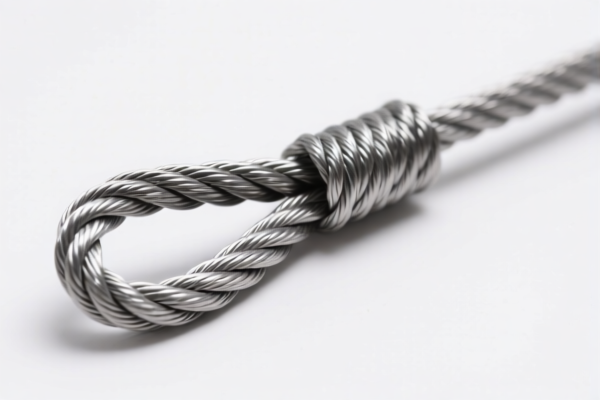
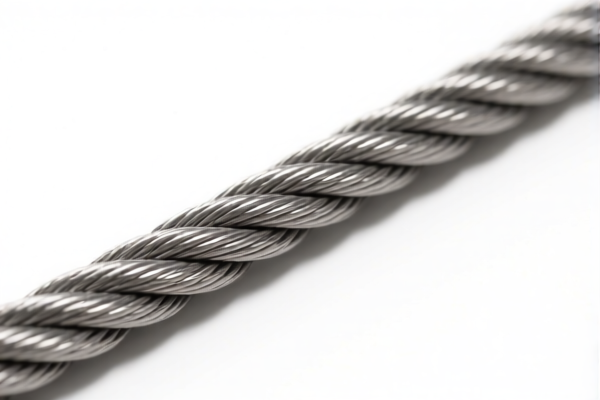


AI Analysis
🐕 Gray Traction Rope (Pet Leash)
🌐 HS Code Reference & Customs Clearance Guide | 2026 Latest Tariff Analysis | Professional Compliance Strategy
📌 I. Product Definition & Classification: What Exactly is a "Traction Rope"?
A Gray Traction Rope is typically a specialized accessory used for animal handling, specifically designed for dogs, livestock, or working animals. In international trade, the classification hinges critically on its primary use and material composition. It is not merely a "rope"; it is a functional article of apparel or accessories for animals.
Key Distinction Points:
- If it is a general-purpose synthetic rope (e.g., for cargo tying, climbing, industrial use) → It falls under Chapter 56 (Ropes, Cables, Plaited Bands).
- If it is specifically designed for animals (e.g., with a handle, buckle, or specific grip for pet control) → It falls under Chapter 42 (Articles of Apparel and Accessories for Animals).
⚠️ Critical Insight:
Customs officers often misclassify animal leashes as generic ropes, leading to higher duties. However, if the item is specially shaped or finished for animal use, Chapter 42 offers a significantly lower tax rate.
📦 II. HS Code Classification Details (2026 Latest Tariff Authority)
Based on the product's nature as a "Traction Rope," here are the possible HS Codes with their corresponding tariff structures.
| HS Code | Product Description | Application Scenario | Tax Rate (Total) | Tax Detail Breakdown |
|---|---|---|---|---|
5609.00.30.00 |
Man-made fiber ropes Shape: Rope; Material: Likely synthetic fiber. Fits the category of "fine ropes, cables." |
General synthetic ropes, industrial cords, or generic pet leashes without animal-specific features. | 39.5% | • Base Tariff: 4.5% • Section 301 Tariff: 25.0% • Section 122 Tariff: 10.0% |
5609.00.10.00 |
Other ropes/cables Shape: Rope-like. No material conflict. Falls under the "catch-all" principle for ropes. |
Generic ropes, natural fiber ropes, or ambiguous rope products where material is unclear. | 37.9% | • Base Tariff: 2.9% • Section 301 Tariff: 25.0% • Section 122 Tariff: 10.0% |
4201.00.60.00 |
Articles for animal use Specifically: Leashes/Traction Ropes. No material conflict. Optimized for animal handling. |
Pet leashes, dog collars, livestock reins, or any item clearly designed for controlling animals. | 12.8% | • Base Tariff: 2.8% • Section 301 Tariff: 0.0% • Section 122 Tariff: 10.0% |
4201.00.30.00 |
Other animal accessories Matches use and form. Material can be reasonably inferred as any. |
Other animal accessories not specifically listed as leashes (e.g., saddles, bridles, harnesses). | 37.4% | • Base Tariff: 2.4% • Section 301 Tariff: 25.0% • Section 122 Tariff: 10.0% |
🔍 Key Observation:
-4201.00.60.00is the OPTIMAL classification for a "Traction Rope" intended for pets/animals, offering a massive tax saving (12.8% vs. 39.5%).
-5609.00.30.00and5609.00.10.00result in high tariffs due to the 25% Section 301 duty on Chinese-origin rope products.
💰 III. 2026 Latest Tariff Rate Breakdown (Including Surtaxes & Policy Add-ons)
✅ Applicable Country: USA (US)
✅ Origin: China (CN)
✅ Effective Date: November 10, 2025 (and subsequent imports)
🎯 1. 5609.00.30.00 – Man-made Fiber Ropes (High Risk)
| Item | Content |
|---|---|
| Base Tariff | 4.5% (ad valorem) |
| Section 301 Surcharge | +25% (From USITC Footnote 9903.88.01) |
| Section 122 Surcharge | +10% (Section 122 of the Trade Act of 1962) |
| Total Tax Rate | 39.5% |
| Tax Calculation | CIF Value × 39.5% |
| De Minimis Eligibility | ❌ NO (deny_de_minimis) |
| Legal Basis Path | IEEPA:9903.01.25 → IEEPA:9903.01.24 → USITC:5609.00.30.00 → FOOTNOTE:9903.88.01 |
📌 Explanation:
- The 25% is the standard Section 301 tariff on Chinese textiles/ropes.
- The 10% is an additional Section 122 tariff, often applied to imports deemed to threaten national security or balance of payments.
- Total 39.5% makes this classification prohibitively expensive for high-volume goods.
🎯 2. 4201.00.60.00 – Animal Accessories (Optimal Choice)
| Item | Content |
|---|---|
| Base Tariff | 2.8% (ad valorem) |
| Section 301 Surcharge | 0.0% (Exempt) |
| Section 122 Surcharge | +10% |
| Total Tax Rate | 12.8% |
| Tax Calculation | CIF Value × 12.8% |
| De Minimis Eligibility | ❌ NO (deny_de_minimis) |
| Legal Basis Path | IEEPA:9901.25 → IEEPA:9903.01.24 → USITC:4201.00.60.00 → FOOTNOTE:9903.88.01 |
📌 Explanation:
- Crucial Advantage: 0% Section 301 tariff for animal accessories!
- Only the 10% Section 122 applies, resulting in a total of 12.8%.
- This is a 26.7 percentage point saving compared to rope classification.
🛠️ IV. Customs Clearance Practical Advice (Actionable Pitfall Guide)
✅ 1. Documentation Checklist (Must-Haves)
| Document | Required | Notes |
|---|---|---|
| ✅ Product Specifications | ✔️ | Clearly state: "Pet Leash," "Dog Traction Rope," "Animal Accessory." |
| ✅ Product Photos | ✔️ | Show handles, buckles, clips, or grips that prove it's for animal use, not just a raw rope. |
| ✅ Commercial Invoice | ✔️ | Description must read: "GRAY DOG LEASH / TRACTION ROPE FOR ANIMAL USE" |
| ✅ Material Composition | ✔️ | Specify fabric (e.g., Nylon, Polyester) but emphasize end-use. |
| ✅ Origin Certificate | ✔️ | To prove China origin for accurate surtax application. |
✅ 2. Declaration Strategy (Key Tips)
🔥 "End-Use Wins! Don't Let Them Call It a Rope!"
| Scenario | Correct Declaration | Wrong Declaration |
|---|---|---|
| Pet Leash with Handle/Buckle | 4201.00.60.00Desc: "Animal Leash" |
5609.00.30.00Desc: "Nylon Rope" → 39.5% Tax |
| Simple Rope for Tying Animals | 5609.00.30.00Desc: "Synthetic Rope" |
4201.00.60.00 → Risk of Rejection |
| Mixed Package (Leash + Collar) | Declare as Animal Accessories (4201.00.60.00) if primary item is leash. |
Split into Rope + Collar → Higher Combined Tax |
✅ 3. Special Cases & Handling
| Case | Handling Advice |
|---|---|
| OEM Custom Leashes | Provide design drawings showing animal-specific features (e.g., D-ring, handle). |
| Multi-purpose Rope | If it can be used for cargo OR pets, declare as Rope (5609.00.30.00) to avoid scrutiny, unless you have strong evidence of primary animal use. |
| Raw Rope Sold as "Leash" | Risky. If no animal-specific features, Customs will likely reclassify as Rope. Do not misrepresent. |
🌍 V. Global Market Customs Comparison (2026 Latest)
| Country/Region | Recommended HS Code | Tariff Rate | Certification Requirements | Notes |
|---|---|---|---|---|
| 🇺🇸 USA | 4201.00.60.00 |
12.8% (with Sec 122) | None specific for leashes | Avoid 5609 (39.5%) |
| 🇨🇳 China | 4201.00.60.00 |
5% (Import) | None | No surtaxes on animal goods |
| 🇪🇺 EU | 4201.00.60.00 |
0% (if CE compliant) | CE Mark (if applicable) | No surtaxes |
| 🇬🇧 UK | 4201.00.60.00 |
0% | UKCA Mark | No surtaxes |
📌 Conclusion:
- USA is the only major market with significant surtaxes, but Animal Accessories are exempt from the 25% Section 301 duty.
- Misclassification as Rope leads to 3x higher costs.
📌 VI. Common Errors & Pitfall Guide (Lessons Learned)
❌ Error 1: Declaring a Dog Leash as "Nylon Rope"
👉 Consequence: Tariff jumps from 12.8% to 39.5% → Loss of Profit Margin!
❌ Error 2: Using "Rope" in the Description without Context
👉 Consequence: Customs may suspect undeclared animal accessories → Inspection Delay
❌ Error 3: Ignoring Section 122 (10%)
👉 Consequence: Even with low base duty, forgetting Sec 122 leads to underpayment → Penalties
✅ Correct Approach:
"GRAY PET LEASH, NYLON, WITH METAL BUCKLE, FOR DOG TRACTION, MODEL XYZ"
🎯 VII. Conclusion: Smart Classification Saves Money!
🎯 Remember the Golden Rule:
🔹 "If it's for animals, it's Chapter 42. If it's for cargo, it's Chapter 56."
🔹 "12.8% vs 39.5%: A 26.7% difference means millions in savings for high-volume shipments."
📌 Pro Tip:
- Ensure your product photos clearly show animal-specific features (handles, clips, branding for pets).
- Always use the term "Animal Accessory" or "Pet Leash" in commercial invoices, not just "Rope."
- Consider Advance Ruling from US Customs if you are unsure about the "primary use" determination.
📣 Immediate Action:
📞 Contact a Professional Customs Broker + Provide Clear Product Images + Confirm HS Code 4201.00.60.00
🚀 Maximize Profits, Minimize Duties, and Clear Customs Smoothly!
✨ Professional Clearance Starts with Accurate Classification!
💼 Every Percentage Point Counts in Your Bottom Line!
Customer Reviews
About HS Code Classification
The Harmonized System (HS) is an internationally standardized nomenclature developed by the World Customs Organization (WCO) to classify traded products. Over 200 countries use the HS system as the basis for customs tariffs, trade statistics, and import/export regulations.
Each HS code follows a hierarchical structure:
- Chapter (2 digits) — Broad category of goods (e.g., Chapter 84: Machinery and Mechanical Appliances)
- Heading (4 digits) — More specific grouping within the chapter
- Subheading (6 digits) — Internationally standardized breakdown, used by all WCO member countries
- National subdivisions (8-10 digits) — Country-specific extensions for further classification, such as US HTSUS 10-digit codes
Correct HS code classification is essential for smooth customs clearance, accurate duty payment, and compliance with trade regulations. Misclassification can lead to customs delays, overpayment of duties, or penalties.
When importing from CN to US, the applicable tariff rates may include:
- Most-Favored-Nation (MFN) rate — The standard duty rate applied to WTO members
- General rate — Applied to countries without trade agreements
- Trade remedy duties — Additional tariffs such as Section 301 (anti-dumping), Section 232 (national security), or countervailing duties
The information provided on this page is for reference purposes only. For official classification, please consult with your local customs authority or a licensed customs broker.