Green Bodysuit
CN → US| HS Code | Tariff Rate | Origin | Destination | Doc |
|---|---|---|---|---|
| 6210109010 | 26.0% | CN | US | Official Doc |
| 6210402540 | 24.6% | CN | US | Official Doc |
| 6114200048 | 28.3% | CN | US | Official Doc |
Product Images
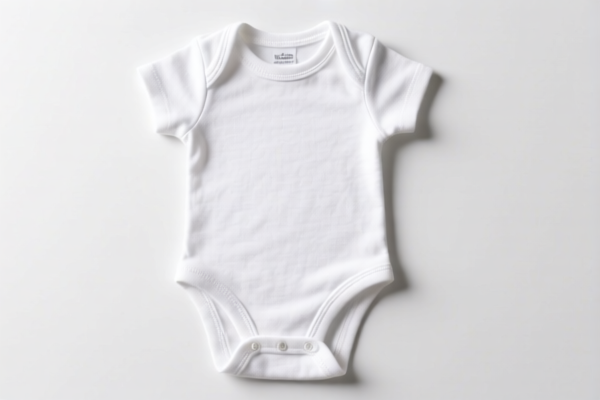
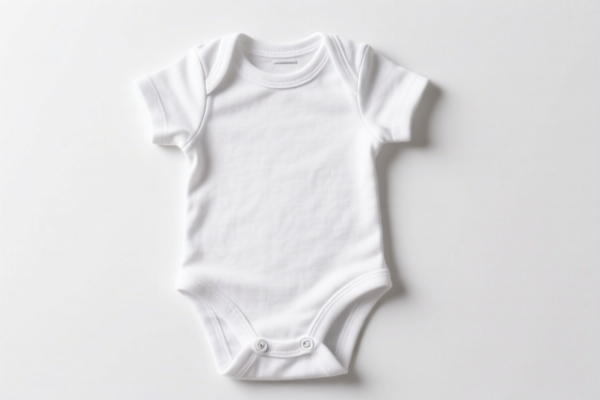


AI Analysis
👗 Green Bodysuit (Garments & Clothing Accessories)
🌐 HS Code Reference & Customs Clearance Guide | 2026 Latest Tariff Analysis | Strategic Compliance for Cross-Border Trade
📌 Part 1: Product Definition & Classification – What Exactly is a "Green Bodysuit"?
A "Green Bodysuit" is a tight-fitting garment that covers the torso and crotch, often fastened at the legs. In international trade, the Harmonized System (HS) classification is NOT determined by color, but by material composition and manufacturing method.
The Two Main Categories:
- Knitted or Crocheted (Chapter 61): If the fabric is stretchy, looped, or knitted (e.g., spandex blends, cotton jersey), it falls under Chapter 61. These are typically treated as "underwear," "nightwear," or "other garments."
- Woven or Made Up of Textile Materials (Chapter 62): If the fabric is non-stretchy, woven (e.g., denim, cotton poplin, polyester woven), it falls under Chapter 62. These are often classified as "overalls," "bib overalls," or "workwear."
⚠️ Critical Distinction:
- If the material is knitted → Look at 6114.20.00.48
- If the material is woven → Look at 6210.40.25.40 or 6210.10.90.10
- Color (Green) is irrelevant to HS classification but must be stated in the commercial invoice.
📦 Part 2: HS Code Classification Details (2026 Latest Tariff Matrix)
Based on the provided data, here are the three possible classifications for a Green Bodysuit, depending on material and structure.
| HS Code | Product Description | Material/Structure Inference | Key Classification Criteria |
|---|---|---|---|
| 6210.40.25.40 | Green Bodysuit | Woven/Textile Material | "Garments made up of fabrics of heading 56.02, 56.03, 59.03, 59.06, or 59.11." Typically implies a specific type of technical or non-knit textile. |
| 6114.20.00.48 | Green Bodysuit | Cotton Knitted/Crocheted | "Other garments, knitted or crocheted, of cotton." This is the standard code for cotton-based stretch bodysuits. |
| 6210.10.90.10 | Green Bodysuit (Jumpsuit/Workwear) | Woven/Textile (Workwear) | "Garments made up of fabrics of heading 56.02, 56.03, 59.03, 59.06, or 59.11." Specifically classified here as a "Jumpsuit/Workwear" with no material conflict. |
🔍 Key Reminder:
- Do not assume Chapter 61 just because it’s a bodysuit. If it’s made of denim or woven polyester, it goes to Chapter 62. - Cotton content matters: If it’s cotton and knitted, it’s 6114. If it’s non-cotton woven, it’s likely 6210.
💰 Part 3: 2026 Latest Tariff Rate Breakdown (Detailed Tax Analysis)
✅ Applicable Country: United States (US)
✅ Origin: China (CN)
✅ Effective Date: 2025–2026 Period
✅ Note: All tariffs below are cumulative.
🎯 1. 6210.40.25.40 —— Woven Bodysuit (Technical/Non-Knit Textile)
| Item | Details |
|---|---|
| Base Tariff | 7.1% |
| Section 301 Additional Tariff | 7.5% |
| Section 122 Tariff | 10.0% |
| Total Tax Rate | 24.6% |
| Calculation Basis | CIF Value × 24.6% |
| De Minimis Exemption | ❌ Not Applicable (Deny De Minimis) |
| Legal Basis | Standard Section 301 + Section 122 application for this textile category. |
📌 Explanation:
- This classification attracts a moderate total tariff. - The Section 122 tariff (10%) is a specific provision often applied to certain textile/apparel imports from China to protect domestic manufacturing. - Section 301 (7.5%) is the standard retaliatory tariff on Chinese goods.
🎯 2. 6114.20.00.48 —— Cotton Knitted Bodysuit
| Item | Details |
|---|---|
| Base Tariff | 10.8% |
| Section 301 Additional Tariff | 7.5% |
| Section 122 Tariff | 10.0% |
| Total Tax Rate | 28.3% |
| Calculation Basis | CIF Value × 28.3% |
| De Minimis Exemption | ❌ Not Applicable (Deny De Minimis) |
| Legal Basis | Standard Section 301 + Section 122 application for cotton knitwear. |
📌 Explanation:
- Highest Tax Rate among the three options. - Cotton knitwear has a higher base tariff (10.8%) compared to other woven categories. - The combination of Section 301 and Section 122 makes this the most expensive option for US importers.
🎯 3. 6210.10.90.10 —— Woven Bodysuit (Workwear/Jumpsuit)
| Item | Details |
|---|---|
| Base Tariff | 16.0% |
| Section 301 Additional Tariff | 0.0% |
| Section 122 Tariff | 10.0% |
| Total Tax Rate | 26.0% |
| Calculation Basis | CIF Value × 26.0% |
| De Minimis Exemption | ❌ Not Applicable (Deny De Minimis) |
| Legal Basis | Section 122 applies; Section 301 may be exempted or not applied in this specific subheading context (0% additional). |
📌 Explanation:
- Middle Tax Rate. - While the base tariff is high (16.0%), the Section 301 additional tariff is 0%, which significantly lowers the total burden compared to6114.20.00.48. - Classification as "Workwear/Jumpsuit" may trigger different duty treatment under Section 301 lists.
🛠️ Part 4: Customs Clearance Practical Advice (Real-World Pitfall Guide)
✅ 1. Documentation Checklist (Must-Have)
| Document | Required? | Notes |
|---|---|---|
| ✅ Commercial Invoice | ✔️ | Must clearly state "Green Bodysuit," material composition (e.g., 95% Cotton, 5% Spandex), and HS Code. |
| ✅ Packing List | ✔️ | Weight and dimensions per carton. |
| ✅ Material Composition Statement | ✔️ | Crucial! Must specify % of Cotton, Polyester, Spandex, etc. Determines Chapter 61 vs 62. |
| ✅ Product Photos | ✔️ | Show the full garment, including fasteners (snaps/zippers) to prove it’s a bodysuit, not just a shirt. |
| ✅ Brand Authorization | ✔️ | If branded, provide letter from IP owner to avoid CBP seizure. |
✅ 2. Classification Strategy (Key Tips)
🔥 "Material is King, Structure is Queen, Section 122 is the Gatekeeper!"
| Scenario | Recommended HS Code | Why? |
|---|---|---|
| Cotton, Knitted, Stretchy | 6114.20.00.48 |
Most common for casual bodysuits. Highest tax (28.3%). |
| Woven, Technical Fabric | 6210.40.25.40 |
For non-stretch, technical, or laminated fabrics. Moderate tax (24.6%). |
| Woven, Workwear Style | 6210.10.90.10 |
If structured like overalls/jumpsuit. No Section 301, but high base rate (26.0%). |
⚠️ Critical Warning:
- Do NOT use De Minimis (Section 321) for these items. All three HS Codes are excluded from the $800 de minimis exemption for China-origin goods due to Section 122 and Section 301 policies. Full duty must be paid at entry.
✅ 3. Special Considerations
| Situation | Handling Advice |
|---|---|
| Mixed Materials | If >50% cotton and knitted → 6114. If <50% cotton or woven → 6210. |
| Branded Goods | Ensure the brand is registered in the US to avoid IP holds. |
| Sample Shipments | Even samples are subject to duty if declared as commercial goods. Mark as "Samples, No Commercial Value" only if truly non-saleable. |
| Section 122 Applicability | Verify if the specific fabric type (e.g., laminated, impregnated) triggers Section 122. All three codes listed here include it. |
🌍 Part 5: Global Market Comparison (2026)
| Country/Region | Recommended HS Code | Total Tariff (China Origin) | Notes |
|---|---|---|---|
| 🇺🇸 USA | 6114.20.00.48 / 6210.40.25.40 / 6210.10.90.10 |
24.6% – 28.3% | High tariff environment. No de minimis exemption. |
| 🇨🇳 China | 6114.20 / 6210.10 |
Varies (5-15%) | Lower base rates, no Section 122/301. |
| 🇪🇺 EU | 6114.20 / 6210.10 |
~12-16% | No Section 122/301 equivalent. CE/REACH compliance needed. |
| 🇬🇧 UK | 6114.20 / 6210.10 |
~12-16% | Post-Brexit tariffs apply. |
📌 Conclusion:
- The US market is the most challenging due to the cumulative effect of Base Tariff + Section 301 + Section 122. - For cost optimization, verify if6210.40.25.40(24.6%) is the best option if your material fits, as it has the lowest total tax.
📌 Part 6: Common Mistakes & Pitfalls (Lessons Learned)
❌ Mistake 1: Assuming "Bodysuit" automatically goes to Chapter 61.
👉 Result: If it’s woven, it will be reclassified to Chapter 62, leading to incorrect duty payment and penalties.
❌ Mistake 2: Using De Minimis ($800 exemption) for China-origin bodysuits.
👉 Result: CBP will seize or demand payment because Section 122 and 301 override de minimis for these HS codes.
❌ Mistake 3: Incorrectly declaring material composition.
👉 Result: Misclassification leads to underpayment of duty. CBP can audit up to 5 years back.
❌ Mistake 4: Ignoring Section 122.
👉 Result: Adding an extra 10% tariff to every shipment, significantly eroding profit margins.
✅ Correct Approach:
"Woven or Knitted? Cotton or Synthetic? Always declare material %. Always expect Section 122 + 301. Never rely on de minimis."
🎯 Part 7: Conclusion – Professional Classification, Cost Control, Smooth Clearance
🎯 Key Takeaways:
1. Material Dictates Chapter: Knitted Cotton = 6114 (28.3%); Woven Technical = 6210 (24.6% or 26.0%).
2. Total Tariff is High: Range is 24.6% to 28.3%. Factor this into your pricing model.
3. No De Minimis: All these codes are excluded from the $800 exemption.
4. Document Everything: Clear material statements and product photos are essential for CBP clarity.
💡 Pro Tip:
If you are importing large volumes, consider Section 321 (De Minimis) alternatives by routing through a third country with a free trade agreement, or apply for a Harmonized Tariff Schedule (HTS) Exclusion if applicable (though unlikely for textiles under Section 301).
📣 Action Required:
📞 Consult a Licensed Customs Broker to confirm the exact material composition and verify the latest Section 122 applicability.
📄 Prepare Accurate Commercial Invoices with detailed material percentages.
🚀 Plan for Full Duty Payment at the time of entry.
✨ Smart Customs, Smart Business!
💼 Every Percent Saved is Profit Earned!
Customer Reviews
About HS Code Classification
The Harmonized System (HS) is an internationally standardized nomenclature developed by the World Customs Organization (WCO) to classify traded products. Over 200 countries use the HS system as the basis for customs tariffs, trade statistics, and import/export regulations.
Each HS code follows a hierarchical structure:
- Chapter (2 digits) — Broad category of goods (e.g., Chapter 84: Machinery and Mechanical Appliances)
- Heading (4 digits) — More specific grouping within the chapter
- Subheading (6 digits) — Internationally standardized breakdown, used by all WCO member countries
- National subdivisions (8-10 digits) — Country-specific extensions for further classification, such as US HTSUS 10-digit codes
Correct HS code classification is essential for smooth customs clearance, accurate duty payment, and compliance with trade regulations. Misclassification can lead to customs delays, overpayment of duties, or penalties.
When importing from CN to US, the applicable tariff rates may include:
- Most-Favored-Nation (MFN) rate — The standard duty rate applied to WTO members
- General rate — Applied to countries without trade agreements
- Trade remedy duties — Additional tariffs such as Section 301 (anti-dumping), Section 232 (national security), or countervailing duties
The information provided on this page is for reference purposes only. For official classification, please consult with your local customs authority or a licensed customs broker.