Green Electric Vegetable Cutter
CN → US| HS Code | Tariff Rate | Origin | Destination | Doc |
|---|---|---|---|---|
| 8438800000 | 35.0% | CN | US | Official Doc |
| 8509400040 | 14.2% | CN | US | Official Doc |
| 8509400025 | 14.2% | CN | US | Official Doc |
| 8438600000 | 35.0% | CN | US | Official Doc |
| 8509400025 | 14.2% | CN | US | Official Doc |
Product Images
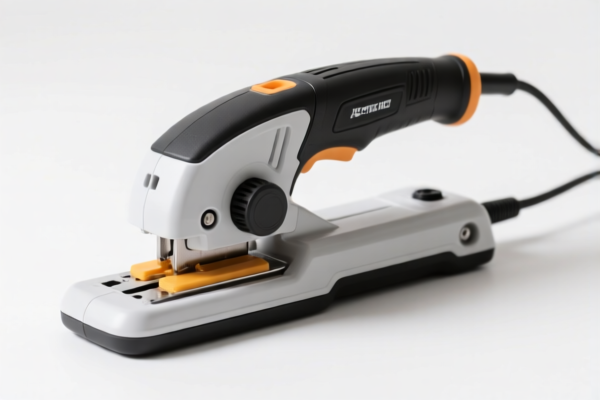
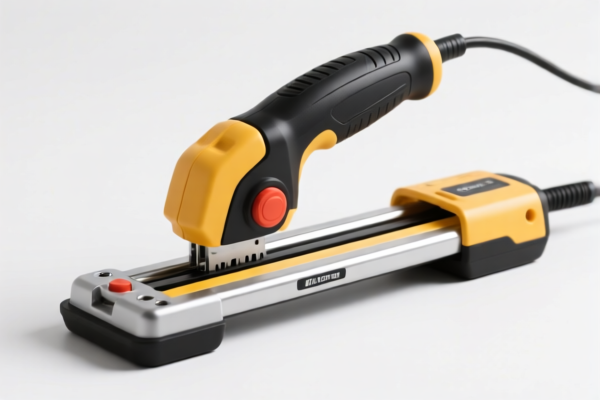
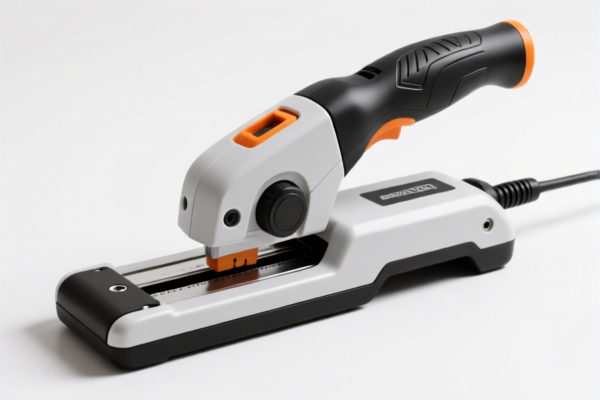
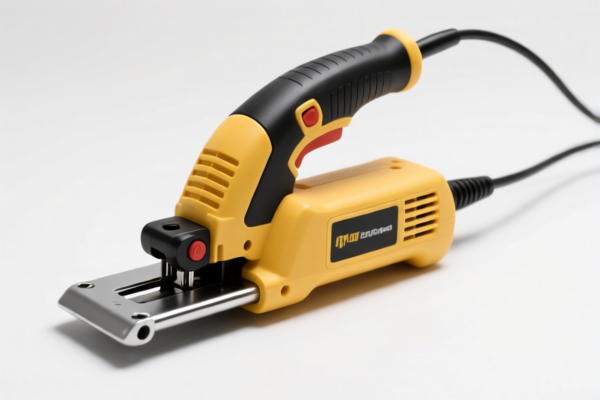
AI Analysis
🥬 Green Electric Vegetable Cutter: HS Code Classification & Customs Clearance Guide (2026)
🌐 HS Code Reference & Customs Clearance Guide | 2026 Latest Tariff Analysis | Professional Entry Strategy
📌 1. Product Definition & Classification: Do You Really Understand "Electric Vegetable Cutters"?
The Green Electric Vegetable Cutter is a kitchen appliance designed for food processing, specifically slicing, chopping, or grinding vegetables. In international trade, its classification depends on its primary function and structure:
- Household Electric Appliances (Chapter 85): If the device is a small household appliance with an integrated motor, primarily used for food preparation in a home setting (e.g., manual feed, electric motor), it often falls under Heading 8509.
- Food Processing Machinery (Chapter 84): If the device is considered a more industrial or heavy-duty mechanical apparatus for preparing food, it may fall under Heading 8438.
⚠️ Key Distinction Point:
- If it is a home-use appliance with a motor, enclosed housing, and standard electrical plug → Likely 8509.
- If it is a mechanical apparatus for food preparation, even if electric, that doesn't fit the "household appliance" definition strictly → Likely 8438.
📦 2. HS Code Classification Details (2026 Latest Tariff Authoritative Comparison)
Based on the provided data, here are the specific HS Codes and their rationales:
| HS Code | Product Description | Applicability Scenario | Tax Rate |
|---|---|---|---|
8509.40.00.40 |
Green Electric Vegetable Cutter; Household appliance with motor; Green exterior; For slicing/food processing. | Home use, small kitchen appliance with motor. | 14.2% |
8509.40.00.25 |
Green Electric Vegetable Cutter; Food processing/grinding; Electric; Plastic or metal material. | Home use, similar to above, material inference included. | 14.2% |
8509.40.00.25 |
Electric Vegetable Slicer Green; Food processing class; Self-contained motor; Plastic shell inferred. | Home use, specific motor configuration. | 14.2% |
8438.60.00.00 |
Green Electric Vegetable Cutter; Mechanical apparatus for vegetable preparation; Matches mechanical category. | Commercial/Heavy-duty food prep machinery. | 35.0% |
8438.80.00.00 |
Green Electric Vegetable Cutter; Food preparation machinery; Metal/plastic; Other machinery category. | General food prep machinery, broader category. | 35.0% |
🔍 Key Reminder:
- 8509 codes apply to household electric appliances (smaller scale, motor-integrated).
- 8438 codes apply to food preparation machinery (mechanical, potentially larger or industrial).
- The Green color is only a descriptive attribute and does not affect classification.
💰 3. 2026 Latest Tariff Rate Breakdown (Including Surtaxes & Policy Add-ons)
✅ Applicable Country: United States (US)
✅ Origin: China (CN)
✅ Effective Time: 2025 November 10 onwards (including subsequent imports)
🎯 1. HS Code 8509.40.00.40 & 8509.40.00.25 —— Household Electric Appliances (Electric Vegetable Cutters)
| Item | Content |
|---|---|
| Base Tariff | 4.2% (Ad Valorem) |
| Section 301 Surtax | 0.0% (No additional 301 tariff for this specific subheading based on provided data) |
| Section 122 Tariff | +10.0% (Specific clause tariff) |
| Total Tariff | 14.2% |
| Tax Calculation | CIF Value × 14.2% |
| De Minimis Exemption | ❌ Not Applicable (Standard customs duty applies) |
| Legal Basis Path | Base Rate: 4.2% → Section 122: +10% |
📌 Explanation:
- Base Tariff (4.2%): The standard MFN (Most Favored Nation) rate for household electric appliances of this type.
- Section 122 Tariff (+10%): A specific additional tariff applied to these goods.
- Section 301: Not applied to this specific HS code subheading in the provided data, resulting in a lower total rate compared to some other electronics.
- Total Effective Rate: 14.2%. This is a moderate tariff rate.
🎯 2. HS Code 8438.60.00.00 & 8438.80.00.00 —— Food Preparation Machinery
| Item | Content |
|---|---|
| Base Tariff | 0.0% (Ad Valorem) |
| Section 301 Surtax | +25.0% (From USITC Footnote related to 301 actions) |
| Section 122 Tariff | +10.0% (Specific clause tariff) |
| Total Tariff | 35.0% |
| Tax Calculation | CIF Value × 35.0% |
| De Minimis Exemption | ❌ Not Applicable |
| Legal Basis Path | Base Rate: 0.0% → Section 301: +25% → Section 122: +10% |
📌 Explanation:
- Base Tariff (0.0%): Many food processing machinery items have a low base rate.
- Section 301 Surtax (+25%): This is the major cost driver. Machinery classified under Chapter 84 often faces the full 25% Section 301 tariff.
- Section 122 Tariff (+10%): Additional surcharge applies.
- Total Effective Rate: 35.0%. This is a high tariff rate, significantly impacting profitability.
🛠️ 4. Customs Clearance Practical Advice (Field Pitfall Avoidance Guide)
✅ 1. Preparation Checklist (All Required)
| Document | Mandatory | Description |
|---|---|---|
| ✅ Product Specification Sheet | ✔️ | Must include dimensions, material (plastic/metal), motor wattage, voltage. |
| ✅ Product Photos | ✔️ | Clear images of the device, including motor label and power cord. |
| ✅ Commercial Invoice | ✔️ | Must clearly state "Green Electric Vegetable Cutter" and HS Code. |
| ✅ Packing List | ✔️ | Detail contents to avoid confusion with parts. |
| ✅ FCC Certification | ✔️ | Critical for any electric appliance with a motor in the US. |
| ✅ Origin Certificate | ✔️ | If claiming preferential treatment (not applicable for China-US here). |
✅ 2. Declaration Tips (Key Mantras)
🔥 "Home Appliance = 8509 (14.2%); Machinery = 8438 (35%)! Declare accurately to save 20%!"
| Scenario | Correct Declaration | Incorrect Practice |
|---|---|---|
| Small home-use electric chopper | 8509.40.00.40 or 8509.40.00.25 |
Misclassifying as machinery → 35% tax! |
| Heavy-duty commercial slicer | 8438.60.00.00 |
Misclassifying as household appliance → Audit risk & back taxes |
| Device with detachable motor | Declare as whole appliance | Splitting into motor + housing → Higher combined tax |
| "Vegetable Chopper" without power | 8214.90.00.00 (Hand tool) |
Declaring as electric → Misclassification |
✅ 3. Special Circumstances Handling
| Situation | Handling Advice |
|---|---|
| OEM Custom Green Color | Provide color specification sheets; color does not affect HS code. |
| Motor Voltage 110V vs 220V | Ensure FCC certification matches US voltage (110-120V). 220V devices may face rejection. |
| Material Composition | If predominantly plastic, confirm no hazardous substances (RoHS compliant). |
| Food Contact Materials | Provide FDA compliance statements if parts touch food directly. |
🌍 5. Global Major Market Clearance Comparison (2026 Latest)
| Country/Region | Recommended HS Code | Tariff Rate | Certification Requirements | Notes |
|---|---|---|---|---|
| 🇺🇸 USA | 8509.40.00.40 |
14.2% | FCC + UL/ETL | 8438 incurs 35% |
| 🇨🇳 China | 8509.40.00.40 |
~12-14% | CCC (if applicable) | Check latest CN tariff |
| 🇪🇺 EU | 8509.40.00.40 |
~4-7% | CE + RoHS + LVD | No Section 301/122 |
| 🇬🇧 UK | 8509.40.00.40 |
~0-5% | UKCA + CE | Post-Brexit rules apply |
| 🇯🇵 Japan | 8509.40.00.40 |
~0-8% | PSE (Electric) | Check JEITA standards |
📌 Conclusion:
- USA is the most complex market due to Section 301 and Section 122 tariffs.
- Classifying as8509(Household Appliance) is significantly cheaper (14.2%) than8438(Machinery, 35.0%).
- Ensure your product is marketed and specified as a household appliance to qualify for the lower tariff.
📌 6. Common Mistakes & Pitfall Guide (Lessons Learned)
❌ Mistake 1: Classifying a small electric chopper as "Food Processing Machinery" (8438)
👉 Consequence: Tax jumps from 14.2% to 35% → Loss of profit!
❌ Mistake 2: Not providing FCC certification for an electric device
👉 Consequence: Detention or Return by US Customs and Border Protection (CBP).
❌ Mistake 3: Ambiguous product description ("Kitchen Gadget")
👉 Consequence: Customs may reclassify arbitrarily, leading to delays and additional duties.
❌ Mistake 4: Ignoring Section 122 Tariff
👉 Consequence: Underpayment of duties, leading to penalties and interest.
✅ Correct Practice:
"Electric Vegetable Cutter, Household Use, Green, 120V, 60Hz, FCC Certified, Model XYZ, for Slicing/Chopping Vegetables"
🎯 7. Conclusion: Professional Declaration Saves Costs!
🎯 Remember the Mantra:
🔹 "Household Electric = 8509 (14.2%); Machinery = 8438 (35%)! Choose wisely!"
🔹 "Accurate HS Code = Lower Tax + Faster Clearance!"
📌 Pro Tip:
If your vegetable cutter is not electric (hand-operated), it may fall under 8214 (Hand Tools), which typically has a much lower tariff. Ensure your product description matches its actual power source.
📣 Immediate Action:
📞 Contact a professional customs broker + Provide FCC Cert + Apply for HS Code Advance Ruling if unsure.
🚀 Let your Green Electric Vegetable Cutter clear customs smoothly, efficiently, and profitably!
✨ Professional Customs Clearance Starts with Accurate Classification!
💼 Every cent of your cost deserves precise calculation!
Customer Reviews
About HS Code Classification
The Harmonized System (HS) is an internationally standardized nomenclature developed by the World Customs Organization (WCO) to classify traded products. Over 200 countries use the HS system as the basis for customs tariffs, trade statistics, and import/export regulations.
Each HS code follows a hierarchical structure:
- Chapter (2 digits) — Broad category of goods (e.g., Chapter 84: Machinery and Mechanical Appliances)
- Heading (4 digits) — More specific grouping within the chapter
- Subheading (6 digits) — Internationally standardized breakdown, used by all WCO member countries
- National subdivisions (8-10 digits) — Country-specific extensions for further classification, such as US HTSUS 10-digit codes
Correct HS code classification is essential for smooth customs clearance, accurate duty payment, and compliance with trade regulations. Misclassification can lead to customs delays, overpayment of duties, or penalties.
When importing from CN to US, the applicable tariff rates may include:
- Most-Favored-Nation (MFN) rate — The standard duty rate applied to WTO members
- General rate — Applied to countries without trade agreements
- Trade remedy duties — Additional tariffs such as Section 301 (anti-dumping), Section 232 (national security), or countervailing duties
The information provided on this page is for reference purposes only. For official classification, please consult with your local customs authority or a licensed customs broker.