Greening Decoration
CN → US| HS Code | Tariff Rate | Origin | Destination | Doc |
|---|---|---|---|---|
| 6810990080 | 35.0% | CN | US | Official Doc |
| 6810195000 | 38.9% | CN | US | Official Doc |
| 6702104000 | 13.4% | CN | US | Official Doc |
| 6702906500 | 34.5% | CN | US | Official Doc |
| 3926400090 | 15.3% | CN | US | Official Doc |
Product Images
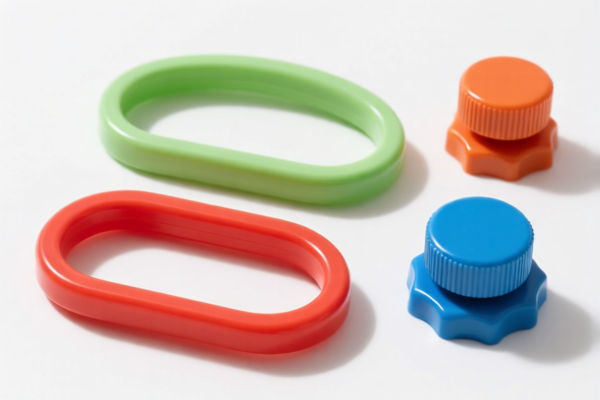
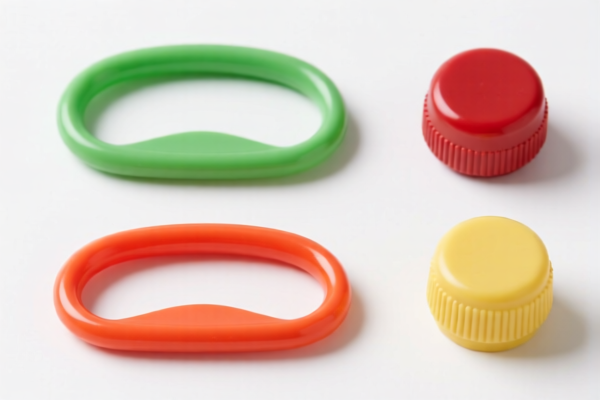
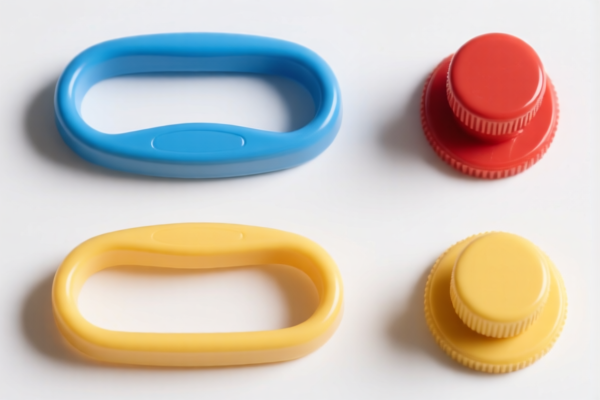
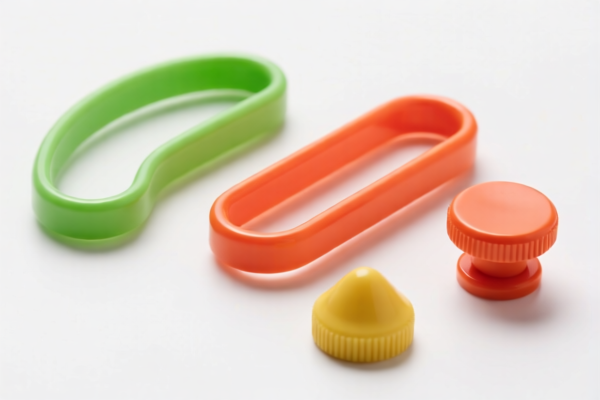
AI Analysis
🌿 Greening Decoration (Landscaping & Decorative Elements)
🌐 HS Code Reference & Customs Clearance Guide | 2026 Latest Tariff Analysis | Professional Entry Strategy
📌 I. Product Definition & Classification: What Exactly is "Greening Decoration"?
"Greening Decoration" is a broad commercial term often used in landscaping, interior design, and event planning. It generally refers to artificial or preserved plant elements used to simulate nature. In international trade, these products are strictly categorized based on their material composition and function.
Key Distinction:
- Plastic/Synthetic Plants: Artificial flowers, leaves, and fruits made primarily of plastic, polyester, or polyurethane.
- Concrete/Cement Structures: Decorative stones, planters, or faux-greenery structures made from cement, concrete, or artificial stone.
- Mixed Materials: Items where the dominant material determines the classification, but specific sub-heading rules apply based on whether they are "natural" (preserved) or "artificial" (synthetic).
⚠️ Critical Note for Importers:
The term "Greening Decoration" is NOT a valid HS Code description. Customs authorities will reject vague descriptions. You must specify the primary material (e.g., Plastic, Concrete) and the product form (e.g., Artificial Flower, Decorative Stone).
📦 II. HS Code Classification Details (2026 Latest Tariff Authority)
Based on the provided data, the product can fall into five potential HS Codes depending on the specific material and form. Below is the detailed breakdown:
| HS Code | Product Description (Inferred from Data) | Material | Application Scenario |
|---|---|---|---|
6810.99.00.80 |
Other articles of cement, concrete, or artificial stone | Cement / Concrete | Large landscape stones, cement planters, concrete decorative rocks |
6810.19.50.00 |
Other articles of cement or concrete | Cement / Concrete | Pre-cast concrete decorative items, small garden ornaments |
6702.10.40.00 |
Artificial flowers, leaves, and fruits of plastics | Plastic | Artificial wreaths, plastic vines, synthetic foliage |
6702.90.65.00 |
Other artificial flowers, leaves, and fruits | Mixed / Other | Mixed material decorations, non-plastic artificial greens |
3926.40.00.90 |
Statuettes and other ornamental articles of plastic | Plastic | Small plastic decorative items, faux greenery accents |
🔍 Key Insight:
- If the product is plastic-based artificial greenery, it likely falls under Chapter 67 (6702) or Chapter 39 (3926).
- If the product is cement/concrete-based (e.g., faux rock walls, stone-like planters), it falls under Chapter 68 (6810).
- Misclassification Risk: Declaring plastic plants as "concrete" to avoid taxes (or vice versa) is a major red flag for customs audits.
💰 III. 2026 Latest Tariff Rate Breakdown (Including Additional Taxes)
✅ Applicable Country: United States (US)
✅ Origin: China (CN)
✅ Effective Date: November 10, 2025 (and subsequent imports)
🎯 1. 6810.99.00.80 —— Cement/Concrete Decorative Articles (Non-Specific)
| Item | Content |
|---|---|
| Base Duty Rate | 0.0% (ad valorem) |
| Section 301 Additional Duty | +25.0% |
| IEEPA Additional Duty (Section 122) | +10.0% |
| Total Duty Rate | 35.0% |
| Tax Calculation | CIF Value × 35.0% |
| De Minimis Eligibility | ❌ Not Eligible (Deny De Minimis) |
| Legal Basis Path | IEEPA:122 → USITC:6810.99.00.80 → FOOTNOTE:301 |
📌 Explanation:
- Although the base duty is 0%, the 25% Section 301 tariff and 10% IEEPA tariff apply due to the origin (China).
- This is a high-tax category for concrete goods. Ensure the product is strictly defined as cement/concrete.
🎯 2. 6810.19.50.00 —— Cement/Concrete Articles (Other Specific)
| Item | Content |
|---|---|
| Base Duty Rate | 3.9% |
| Section 301 Additional Duty | +25.0% |
| IEEPA Additional Duty (Section 122) | +10.0% |
| Total Duty Rate | 38.9% |
| Tax Calculation | CIF Value × 38.9% |
| De Minimis Eligibility | ❌ Not Eligible (Deny De Minimis) |
| Legal Basis Path | IEEPA:122 → USITC:6810.19.50.00 → FOOTNOTE:301 |
📌 Note:
- This category has a slightly higher base duty (3.9%) compared to6810.99.00.80.
- Use this code only if the product fits specific concrete classifications not covered by the "other" category.
🎯 3. 6702.10.40.00 —— Artificial Plants (Plastic)
| Item | Content |
|---|---|
| Base Duty Rate | 3.4% |
| Section 301 Additional Duty | 0.0% |
| IEEPA Additional Duty (Section 122) | +10.0% |
| Total Duty Rate | 13.4% |
| Tax Calculation | CIF Value × 13.4% |
| De Minimis Eligibility | ❌ Not Eligible (Deny De Minimis) |
| Legal Basis Path | IEEPA:122 → USITC:6702.10.40.00 |
📌 Advantage:
- This is a low-tariff option compared to concrete goods.
- Critical Condition: The product must be 100% plastic or predominantly plastic artificial foliage. If it contains natural materials, it may be reclassified.
🎯 4. 6702.90.65.00 —— Other Artificial Plants (Mixed/Other Materials)
| Item | Content |
|---|---|
| Base Duty Rate | 17.0% |
| Section 301 Additional Duty | +7.5% |
| IEEPA Additional Duty (Section 122) | +10.0% |
| Total Duty Rate | 34.5% |
| Tax Calculation | CIF Value × 34.5% |
| De Minimis Eligibility | ❌ Not Eligible (Deny De Minimis) |
| Legal Basis Path | IEEPA:122 → USITC:6702.90.65.00 → FOOTNOTE:301 |
📌 Caution:
- This is a "catch-all" category for artificial plants that don't fit the plastic-specific code.
- The base duty is high (17%), and the 301 tariff is lower (7.5%) than for concrete, but the total (34.5%) is still significant.
- Only use if the material cannot be classified as plastic under6702.10.40.00.
🎯 5. 3926.40.00.90 —— Plastic Ornamental Articles (Other)
| Item | Content |
|---|---|
| Base Duty Rate | 5.3% |
| Section 301 Additional Duty | 0.0% |
| IEEPA Additional Duty (Section 122) | +10.0% |
| Total Duty Rate | 15.3% |
| Tax Calculation | CIF Value × 15.3% |
| De Minimis Eligibility | ❌ Not Eligible (Deny De Minimis) |
| Legal Basis Path | IEEPA:122 → USITC:3926.40.00.90 |
📌 Note:
- This code is for plastic statues, statuettes, or ornamental items.
- If "Greening Decoration" refers to small, standalone plastic greenery items (not necessarily flowers/leaves), this might apply.
- Total Tax: 15.3% is competitive compared to concrete options.
🛠️ IV. Customs Clearance Practical Advice (Pitfall Avoidance Guide)
✅ 1. Required Documentation Checklist
| Document | Mandatory? | Description |
|---|---|---|
| ✅ Product Specifications | ✔️ | Must include material composition (e.g., "100% PVC Plastic," "Cement Mix"). |
| ✅ Product Photos | ✔️ | Clear images of the item, including close-ups of material texture. |
| ✅ Bill of Materials (BOM) | ✔️ | Essential for proving plastic vs. concrete content. |
| ✅ Commercial Invoice | ✔️ | Must state "Artificial Greenery" or "Concrete Landscape Decor," not just "Decoration." |
| ✅ Packing List | ✔️ | Itemize quantities and weights per HS Code if mixed. |
✅ 2. Declaration Tips (Key Strategy)
🔥 "Material is King, Description Must Be Specific!"
| Scenario | Correct Declaration | Incorrect Declaration |
|---|---|---|
| Plastic Artificial Flowers | 6702.10.40.00 - "Artificial Flowers of Plastic" |
"Greening Decoration" → Rejected |
| Concrete Decorative Stone | 6810.99.00.80 - "Cement Decorative Articles" |
"Stone Decoration" → May be misclassified |
| Mixed Material Item | Determine Principal Material | Vague "Mixed Greenery" → High Audit Risk |
📌 Warning:
- If you declare "Greening Decoration" without specifying the material, Customs may use Harmonized Tariff Schedule (HTS) General Rule of Interpretation (GRI) 3(b), which classifies based on the essential character of the good. This could lead to a higher tax rate or delay.
- Always specify the material in the product name and description.
✅ 3. Special Considerations
| Situation | Handling Advice |
|---|---|
| Preserved Real Plants | If the product contains real dried plants, it may fall under Chapter 6702 but with different subheadings. Ensure it is classified correctly as "artificial" or "natural." |
| Lighting Included | If the greenery includes LED lights, it may be classified under Chapter 94 (Lamps). However, if lighting is secondary, Chapter 67 or 39 may still apply. Consult a customs broker. |
| Large Scale Landscaping | For large concrete structures, ensure the value is accurately declared. Low valuation can trigger anti-dumping inquiries. |
🌍 V. Global Market Comparison (2026 Latest)
| Country/Region | Recommended HS Code | Duty Rate (China Origin) | Certification Requirements | Notes |
|---|---|---|---|---|
| 🇺🇸 USA | 6702.10.40.00 (Plastic) |
13.4% | None specific | High tax on concrete (35-38.9%) |
| 🇨🇳 China | 6702.10.40.00 |
0-5% (Varies) | CCC (if applicable) | No additional tariffs |
| 🇪🇺 EU | 6702.10.40.00 |
4-6% | CE, REACH | No Section 301/IEEPA tariffs |
| 🇦🇺 Australia | 6702.10.40.00 |
5% | None | Competitive for plastic items |
📌 Conclusion:
- Plastic artificial greenery (6702.10.40.00) is the most tax-efficient option for US imports from China (13.4%).
- Concrete items (6810.xxxx) are heavily taxed due to the 25% Section 301 tariff. Consider if plastic alternatives can achieve the same aesthetic.
📌 VI. Common Mistakes & Pitfalls (Lessons Learned)
❌ Mistake 1: Using "Greening Decoration" as the HS Code description
👉 Result: Customs rejection, delay, or reclassification to a higher tax rate.
✅ Fix: Use specific terms like "Artificial Plastic Flowers" or "Concrete Decorative Stones."
❌ Mistake 2: Under-declaring the value of large concrete structures
👉 Result: Penalties for undervaluation, especially since base duties are low (0-3.9%).
✅ Fix: Declare accurate CIF value; taxes are based on value-added tariffs.
❌ Mistake 3: Misclassifying plastic items as "General Decorations" (3926.40.00.90) when they fit "Artificial Flowers" (6702.10.40.00)
👉 Result: Potential compliance issues if the item clearly fits Chapter 67.
✅ Fix: Follow GRI 1: Classify based on the specific heading description first.
🎯 VII. Conclusion: Precision in Classification Saves Costs
🎯 Remember:
🔹 "Plastic Greenery: 13.4% (Best Value)"
🔹 "Concrete Decor: 35-39% (High Cost)"
🔹 "Mixed/Other: 34.5% (Moderate-High)"🔹 "Specify Material, Avoid Vague Terms, Prevent Delays!"
📌 Pro Tip:
If your product is plastic-based, prioritize 6702.10.40.00 for the lowest total duty (13.4%). If it is concrete, be prepared for a 35%+ tax burden. Consider material alternatives if possible.
📣 Immediate Action:
📞 Consult a licensed customs broker to verify the primary material of your "Greening Decoration" items.
🚀 Accurate HS Code = Lower Taxes = Faster Clearance!
✨ Professional Clearance Starts with Accurate Classification!
💼 Every Percentage Point Matters in International Trade!
Customer Reviews
About HS Code Classification
The Harmonized System (HS) is an internationally standardized nomenclature developed by the World Customs Organization (WCO) to classify traded products. Over 200 countries use the HS system as the basis for customs tariffs, trade statistics, and import/export regulations.
Each HS code follows a hierarchical structure:
- Chapter (2 digits) — Broad category of goods (e.g., Chapter 84: Machinery and Mechanical Appliances)
- Heading (4 digits) — More specific grouping within the chapter
- Subheading (6 digits) — Internationally standardized breakdown, used by all WCO member countries
- National subdivisions (8-10 digits) — Country-specific extensions for further classification, such as US HTSUS 10-digit codes
Correct HS code classification is essential for smooth customs clearance, accurate duty payment, and compliance with trade regulations. Misclassification can lead to customs delays, overpayment of duties, or penalties.
When importing from CN to US, the applicable tariff rates may include:
- Most-Favored-Nation (MFN) rate — The standard duty rate applied to WTO members
- General rate — Applied to countries without trade agreements
- Trade remedy duties — Additional tariffs such as Section 301 (anti-dumping), Section 232 (national security), or countervailing duties
The information provided on this page is for reference purposes only. For official classification, please consult with your local customs authority or a licensed customs broker.