Grinder
CN → US| HS Code | Tariff Rate | Origin | Destination | Doc |
|---|---|---|---|---|
| 6804221000 | 0.0% | CN | US | Official Doc |
| 6804224000 | 35.0% | CN | US | Official Doc |
| 8205595560 | 40.3% | CN | US | Official Doc |
| 8205901000 | 35.0% | CN | US | Official Doc |
| 8466939840 | 39.7% | CN | US | Official Doc |
Product Images
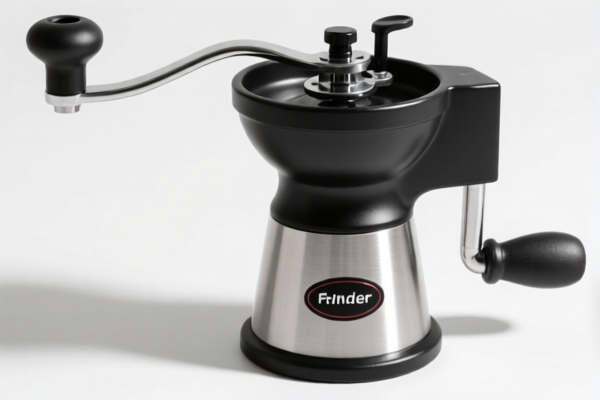
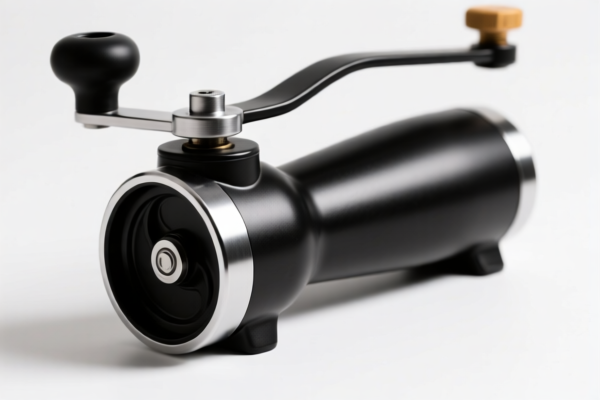
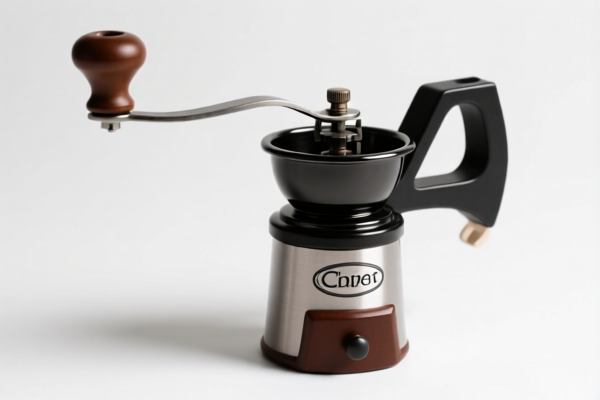
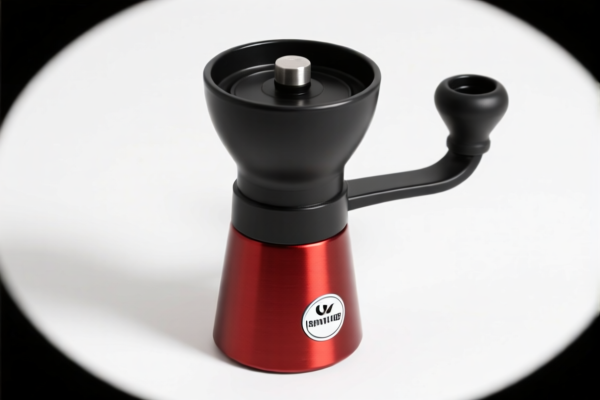
AI Analysis
🧱 Grinder (Industrial/Manual Abrasive Tools)
🌐 HS Code Reference & Clearance Guide | 2026 Latest Tariff Analysis | Professional Compliance Strategy
📌 I. Product Definition & Classification: What Exactly is a "Grinder"?
In international trade, the term "Grinder" is a generic umbrella term that lacks precise legal definition. Depending on its material, function, and intended use, a grinder can fall into completely different categories:
Abrasive Stones (Grinding Stones): Made of abrasive materials (like silicon carbide) or ceramics, used for grinding, sharpening, or polishing. These are classified under Chapter 68. Hand Tools (Metalworking): Manual tools made of metal, such as files, rasps, or hand-held sharpening stones. These fall under Chapter 82. Machine Tool Accessories: Components specifically designed for use with machine tools (e.g., gear grinding attachments). These fall under Chapter 84.
⚠️ Key Distinction Point:
- If the item is an abrasive stone (made of ceramic, bonded abrasive, or similar materials) → Classify under 6804.
- If the item is a metal hand tool (like a metal file or specific metal-handled sharpener) → Classify under 8205.
- If the item is an accessory for a machine tool (used in machining/grinding processes) → Classify under 8466.
📦 II. HS Code Classification Details (2026 Latest Tariff Authority Match)
| HS Code | Product Description | Application Scenario | Material/Type |
|--------|--------------------------|--------------------------|
| 6804.22.10.00 | Millstones, grinding stones, sharpening stones, and similar articles; with work surface of material consolidated with natural abrasive | Industrial grinding, sharpening tools made of consolidated natural abrasive | Consolidated Natural Abrasive |
| 6804.22.40.00 | Millstones, grinding stones, sharpening stones, and similar articles; with work surface of material consolidated with artificial abrasive or of ceram | Sharpening, grinding, polishing using artificial abrasive or ceramic bonded stones | Artificial Abrasive / Ceramic |
| 8205.59.55.60 | Hand tools (other than files, rasps, whetstones); other; other; other | Metal-handled grinders, metal files, or other metal hand tools not specified elsewhere | Metal Hand Tool |
| 8466.93.98.40 | Parts and accessories suitable for use solely or principally with machines of heading 8456 to 8465; parts and accessories: other | Machine tool accessories for gear grinding or finishing processes | Machine Tool Accessory |
| 8466.90.10.00 | Parts and accessories suitable for use solely or principally with machines of heading 8456 to 8465; parts and accessories: other; grinding wheels and similar working tools | Manual or foot-operated grinders with frames, functioning as grinding wheels | Frame-mounted Grinding Wheel |
🔍 Critical Reminder:
- "Grinder" is not a single HS Code. Misclassification leads to significant tariff differences (0% to 39.7%). - If it is a simple grinding stone (ceramic/abrasive), use 6804. - If it is a metal hand tool, use 8205. - If it is an attachment for a machine, use 8466.
💰 III. 2026 Latest Tariff Rate Breakdown (Including Surcharges & Policy Add-ons)
✅ Applicable Country: USA (US)
✅ Origin: China (CN)
✅ Effective Time: Current (Includes Section 301 & 122 Tariffs)
🎯 1. 6804.22.10.00 —— Grinding Stones (Natural Abrasive Consolidated)
| Item | Content |
|---|---|
| Base Tariff | 5¢/kg + 2% (ad valorem) |
| Section 301 Surcharge | +25.0% |
| Section 122 Tariff | +10% |
| Total Tariff | ~35%+ (Weight-based + Ad Valorem) |
| Tax Calculation | (5¢/kg × Weight) + (2% × Value) + (25% × Value) + (10% × Value) |
| Legal Path | HTSUS:6804.22.10.00 → FTC:301 → IEEPA:122 |
📌 Explanation:
- This code carries a specific duty (5¢/kg) plus ad valorem duties. - Section 301 (25%) applies to Chinese origin goods. - Section 122 (10%) applies to certain steel/aluminum products or specific industrial goods subject to national security reviews. - Total Effective Rate: High. The 5¢/kg adds up significantly for heavy stones.
🎯 2. 6804.22.40.00 —— Grinding Stones (Artificial Abrasive or Ceramic)
| Item | Content |
|---|---|
| Base Tariff | 0.0% |
| Section 301 Surcharge | +25.0% |
| Section 122 Tariff | +10% |
| Total Tariff | 35.0% |
| Tax Calculation | CIF Value × 35% |
| Legal Path | HTSUS:6804.22.40.00 → FTC:301 → IEEPA:122 |
📌 Note:
- No specific duty (kg-based), only ad valorem. - 35% Total is the standard rate for ceramic/abrasive grinding stones from China. - Commonly used for ceramic sharpening stones and industrial grinding discs.
🎯 3. 8205.59.55.60 —— Metal Hand Tools (Other)
| Item | Content |
|---|---|
| Base Tariff | 5.3% |
| Section 301 Surcharge | +25.0% |
| Section 122 Tariff | +10% |
| Total Tariff | 40.3% |
| Tax Calculation | CIF Value × 40.3% |
| Legal Path | HTSUS:8205.59.55.60 → FTC:301 → IEEPA:122 |
📌 Warning:
- This is the highest tariff rate among the options. - Applies if the grinder is classified as a metal hand tool (e.g., metal files, metal-handled sharpeners). - Do not use this code for abrasive stones to avoid higher taxes.
🎯 4. 8466.93.98.40 —— Machine Tool Accessories (Gear Grinding)
| Item | Content |
|---|---|
| Base Tariff | 4.7% |
| Section 301 Surcharge | +25.0% |
| Section 122 Tariff | +10% |
| Total Tariff | 39.7% |
| Tax Calculation | CIF Value × 39.7% |
| Legal Path | HTSUS:8466.93.98.40 → FTC:301 → IEEPA:122 |
📌 Note:
- Applies only if the grinder is an attachment for a machine tool (e.g., CNC grinding accessory). - Not for standalone handheld grinders.
🎯 5. 8466.90.10.00 —— Parts/Accessories (Manual/Foot Operated Grinders)
| Item | Content |
|---|---|
| Base Tariff | 0.0% |
| Section 301 Surcharge | +25.0% |
| Section 122 Tariff | +10% |
| Total Tariff | 35.0% |
| Tax Calculation | CIF Value × 35% |
| Legal Path | HTSUS:8466.90.10.00 → FTC:301 → IEEPA:122 |
📌 Note:
- Applies to manual or foot-operated grinding wheels with frames. - Zero base duty, but still subject to 35% total surcharges.
🛠️ IV. Customs Clearance Practical Advice (Real-World Pitfall Guide)
✅ 1. Required Documentation (None Missing)
| Document | Mandatory | Description |
|---|---|---|
| ✅ Product Specification Sheet | ✔️ | Must specify material (ceramic, natural stone, metal), dimensions, and weight. |
| ✅ Material Composition Certificate | ✔️ | Critical to distinguish between 6804 (abrasive) and 8205 (metal tool). |
| ✅ Product Photos (Clear) | ✔️ | Show the working surface (abrasive vs. metal) and any branding/model numbers. |
| ✅ Commercial Invoice | ✔️ | Clearly describe the product as "Grinding Stone" or "Abrasive Tool," not just "Grinder." |
| ✅ Packing List | ✔️ | Detail weight and dimensions for accurate calculation of specific duties (if any). |
| ✅ Origin Certificate (CO) | ✔️ | Required for verifying China origin and applying/additional tariffs. |
✅ 2. Declaration Tips (Key Mantras)
🔥 "Material Determines Code, Function Defines Category, Name Must Be Precise!"
| Scenario | Correct Declaration | Wrong Action |
|---|---|---|
| Ceramic Sharpening Stone | 6804.22.40.00 "Ceramic Grinding Stone" |
Misdeclare as 8205 → 40.3% |
| Natural Stone Whetstone | 6804.22.10.00 "Natural Abrasive Millstone" |
Misdeclare as 8466 → Complex |
| Metal File/Metal Hand Tool | 8205.59.55.60 "Metal Hand Tool" |
Misdeclare as 6804 → Smuggling suspicion |
| CNC Grinding Attachment | 8466.93.98.40 "Machine Tool Accessory" |
Misdeclare as 8205 → Wrong Chapter |
✅ 3. Special Case Handling
| Situation | Handling Advice |
|---|---|
| "Grinder" in Name | Avoid using "Grinder" as the primary description. Use "Grinding Stone," "Abrasive Wheel," or "Sharpening Tool." |
| Mixed Materials | If a tool has both a metal handle and a ceramic stone, it is generally classified by the essential character (the abrasive part). Likely 6804. |
| Electric Grinders | Note: This guide only covers manual/abrasive grinders. Electric angle grinders fall under 8423/8467 and have different tariffs. Do not confuse! |
| Gift Sets | If a grinder is part of a set, declare separately if possible to optimize duty. |
🌍 V. Global Market Clearance Comparison (2026 Latest)
| Country/Region | Recommended HS Code | Tariff (China Origin) | Certification | Remarks |
|---|---|---|---|---|
| 🇺🇸 USA | 6804.22.40.00 |
35.0% (Total) | No special certs needed | High due to Section 301 & 122 |
| 🇨🇳 China | 6804.22.40.00 |
6.5% | No special certs | Lower entry barrier |
| 🇪🇺 EU | 6804.22.40.00 |
3.5% | CE (if power tool) | No Section 301 |
| 🇬🇧 UK | 6804.22.40.00 |
3.5% | UKCA | Post-Brexit rules apply |
| 🇯🇵 Japan | 6804.22.40.00 |
3.2% | PSE (if electric) | Low duty, strict safety |
📌 Conclusion:
- USA is the most expensive market due to 35% total tariffs. - EU/UK/Japan offer significantly lower duties. - China Origin triggers additional surcharges in the US. Consider third-country assembly if targeting the US market.
📌 VI. Common Errors & Pitfalls (Blood-Teachings)
❌ Error 1: Classifying a ceramic stone as a metal hand tool (8205)
👉 Consequence: Tariff jumps from 35% to 40.3% → Extra cost!
❌ Error 2: Classifying an electric grinder under 6804
👉 Consequence: Rejection by Customs. Electric grinders are machines (8467). Misclassification leads to detention and fines.
❌ Error 3: Using vague terms like "Abrasive Tool" without specifying material
👉 Consequence: Customs will audit the material. If documentation is missing, they may assess the highest possible duty or delay release.
❌ Error 4: Ignoring Section 122 Tariff (10%)
👉 Consequence: Underpayment of duties. Customs will demand back taxes + interest.
✅ Correct Practice:
"Ceramic Grinding Stone, 6x2x1 inch, for sharpening knives, Model XYZ, Made in China"
HS Code:6804.22.40.00
🎯 VII. Conclusion: Professional Declaration Saves Money!
🎯 Remember Mantras:
🔹 "Ceramic/Natural → 6804 (35%)"
🔹 "Metal Hand Tool → 8205 (40.3%)"
🔹 "Machine Accessory → 8466 (35-39.7%)"
🔹 "Electric Grinder → NOT in this list (Check 8467!)"🔹 "HS Code Determines Duty, Description Determines Accuracy!"
📌 Pro Tip:
If your grinder is originally from Vietnam, Mexico, or Thailand, you may qualify for IEEPA Exemptions or lower Section 301 rates.
Recommend Advance Ruling (Pre-classification) before shipping to the US.
📣 Act Now:
📞 Contact professional customs brokers + Provide material certificates + Apply for HS Code Pre-ruling
🚀 Ensure smooth customs clearance, reduce costs, and maximize profits!
✨ Professional clearance starts with accurate classification!
💼 Every cent of your cost deserves precise calculation!
Customer Reviews
About HS Code Classification
The Harmonized System (HS) is an internationally standardized nomenclature developed by the World Customs Organization (WCO) to classify traded products. Over 200 countries use the HS system as the basis for customs tariffs, trade statistics, and import/export regulations.
Each HS code follows a hierarchical structure:
- Chapter (2 digits) — Broad category of goods (e.g., Chapter 84: Machinery and Mechanical Appliances)
- Heading (4 digits) — More specific grouping within the chapter
- Subheading (6 digits) — Internationally standardized breakdown, used by all WCO member countries
- National subdivisions (8-10 digits) — Country-specific extensions for further classification, such as US HTSUS 10-digit codes
Correct HS code classification is essential for smooth customs clearance, accurate duty payment, and compliance with trade regulations. Misclassification can lead to customs delays, overpayment of duties, or penalties.
When importing from CN to US, the applicable tariff rates may include:
- Most-Favored-Nation (MFN) rate — The standard duty rate applied to WTO members
- General rate — Applied to countries without trade agreements
- Trade remedy duties — Additional tariffs such as Section 301 (anti-dumping), Section 232 (national security), or countervailing duties
The information provided on this page is for reference purposes only. For official classification, please consult with your local customs authority or a licensed customs broker.