Grinder Handle
CN → US| HS Code | Tariff Rate | Origin | Destination | Doc |
|---|---|---|---|---|
| 8205901000 | 35.0% | CN | US | Official Doc |
| 8210000000 | 38.7% | CN | US | Official Doc |
| 8205595560 | 40.3% | CN | US | Official Doc |
| 6804221000 | 0.0% | CN | US | Official Doc |
| 6804224000 | 35.0% | CN | US | Official Doc |
Product Images
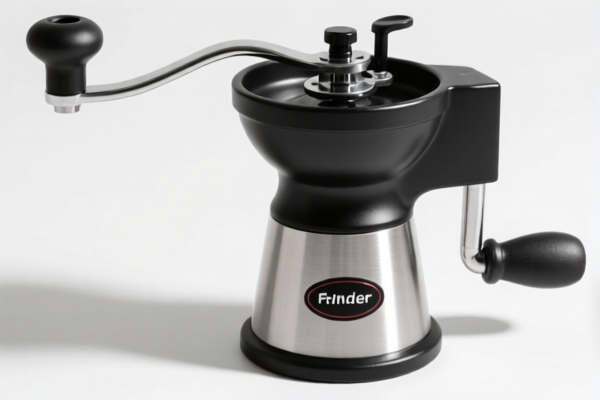
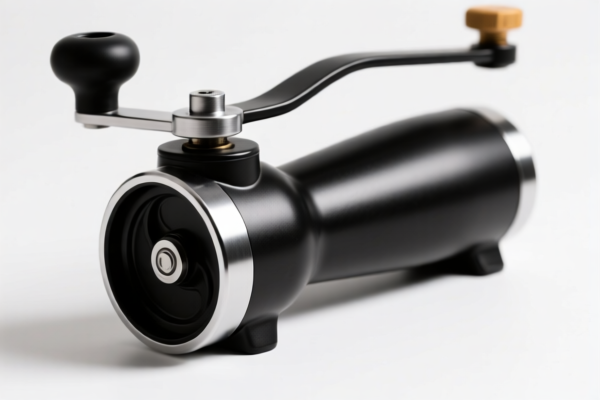
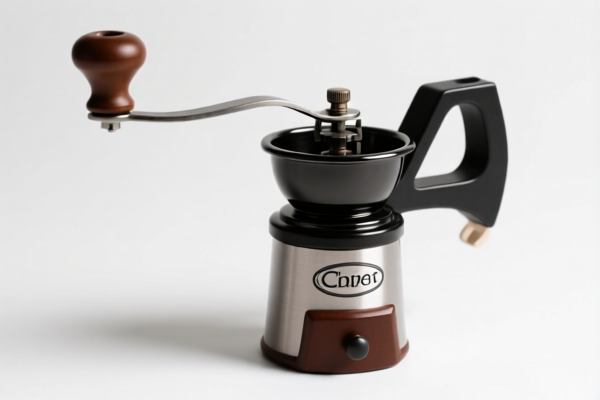
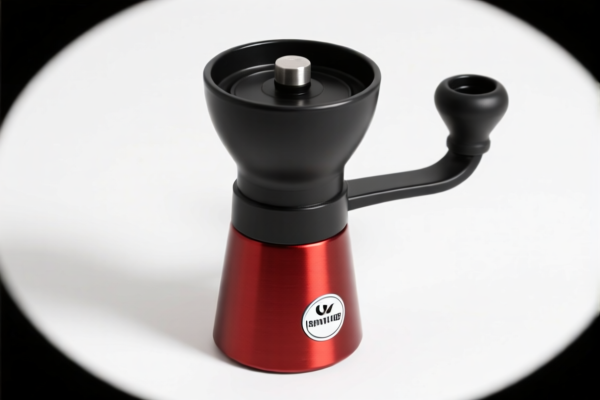
AI Analysis
🛠️ Grinder Handle (Manual Grinders & Sharpening Tools)
🌐 HS Code Reference & Customs Clearance Guide | 2026 Latest Tariff Analysis | Professional Compliance Strategy
📌 I. Product Definition & Classification: What is a "Grinder Handle"?
In international trade, the term "Grinder Handle" is ambiguous. It can refer to: 1. Complete Manual Tools: A handheld device used for grinding, sharpening, or polishing (e.g., hand file, honing stone, manual grinding tool). 2. Components: Only the handle part of a larger tool (less common for standalone classification unless declared as a spare part).
Based on the provided data, these products are classified under Chapter 82 (Tools) or Chapter 68 (Stone/Agglomerate). The classification depends entirely on the material, function, and specific design of the tool.
⚠️ Key Distinction Point:
- If it is a mechanical/leverage-based manual tool with a handle → Chapter 82.
- If it is a friction-based abrasive tool (stone, ceramic, diamond) → Chapter 68.
📦 二、HS Code Classification Details (2026 Latest Tariff Reference)
| HS Code | Product Description | Applicability Logic | Material/Type |
|--------|--------------------------|-------------|
| 8205.90.10.00 | Manual Tools (General) | Fits the "catch-all" category for manual tools not specifically listed elsewhere. | Metal/Alloy |
| 8210.00.00.00 | Manual Mechanical Appliances | Designed for manual operation (sharpening, grinding) using mechanical leverage. | Base Metal |
| 8205.59.55.60 | Other Hand Tools (Non-cutting) | Specifically for non-edged tools like honing stones, grinding files, or whetstones with handles. | Metal/Iron/Steel |
| 6804.22.10.00 | Whetstones, Millstones & Similar Products | Friction-based tools made of natural stone, agglomerated abrasive, or ceramic. | Stone/Agglomerate |
| 6804.22.40.00 | Other Whetstones & Sharpening Stones | Finished sharpening/grinding tools made of agglomerated abrasives or ceramics. | Agglomerated/Ceramic |
🔍 Critical Note:
- Chapter 82 items are typically metal-bodied tools where the handle is integral to the mechanical function.
- Chapter 68 items are abrasive-based tools where the "grinding" action comes from the stone/ceramic surface.
- Misclassification Risk: Declaring an abrasive stone as a "metal tool" (82xx) or vice versa leads to significant duty discrepancies and customs delays.
💰 三、2026 Tariff Rate Breakdown (Including Surtaxes & Policy Levies)
✅ Applicable Country: United States (US)
✅ Origin: China (CN)
✅ Effective Date: Current 2025/2026 Trade Policies
⚠️ Warning: High additional tariffs apply to most Chinese-origin goods.
🎯 1. 8205.90.10.00 – Manual Tools (Catch-All Category)
| Item | Detail |
|---|---|
| Base Duty | 0.0% |
| Section 301 Surcharge | +25.0% |
| IEEPA Section 122 Surcharge | +10.0% |
| Total Tariff Rate | 35.0% |
| Calculation Basis | CIF Value × 35% |
| De Minimis Eligibility | ❌ Not Eligible (High risk of seizure/penalty) |
| Legal Path | USITC:8205.90.10.00 → Section 301: 25% → IEEPA 122: 10% |
📌 Explanation:
- This classification assumes the item is a generic "manual tool."
- The 35% total rate is driven by trade remedies, not the base duty.
🎯 2. 8210.00.00.00 – Manual Mechanical Appliances
| Item | Detail |
|---|---|
| Base Duty | 3.7% |
| Section 301 Surcharge | +25.0% |
| IEEPA Section 122 Surcharge | +10.0% |
| Total Tariff Rate | 38.7% |
| Calculation Basis | CIF Value × 38.7% |
| De Minimis Eligibility | ❌ Not Eligible |
| Legal Path | USITC:8210.00.00.00 → Section 301: 25% → IEEPA 122: 10% |
📌 Explanation:
- This applies if the tool is explicitly defined as a "mechanical appliance" for manual use (e.g., a complex manual grinder).
- Higher base duty (3.7%) pushes the total to 38.7%.
🎯 3. 8205.59.55.60 – Other Hand Tools (Non-edged)
| Item | Detail |
|---|---|
| Base Duty | 5.3% |
| Section 301 Surcharge | +25.0% |
| IEEPA Section 122 Surcharge | +10.0% |
| Total Tariff Rate | 40.3% |
| Calculation Basis | CIF Value × 40.3% |
| De Minimis Eligibility | ❌ Not Eligible |
| Legal Path | USITC:8205.59.55.60 → Section 301: 25% → IEEPA 122: 10% |
📌 Explanation:
- Often used for honning stones, files, or grinding rods that are metal-based but non-cutting.
- Highest total rate among Chapter 82 at 40.3%.
🎯 4. 6804.22.10.00 – Whetstones/Grinding Stones (Specific)
| Item | Detail |
|---|---|
| Base Duty | 5¢/kg + 2.0% (Ad Valorem + Specific) |
| Section 301 Surcharge | +25.0% |
| IEEPA Section 122 Surcharge | +10.0% |
| Total Tariff Structure | 35% + 5¢/kg + 2% ad valorem |
| Calculation Basis | (CIF Value × 35%) + (CIF Value × 2%) + ($0.05 × Weight in kg) |
| De Minimis Eligibility | ❌ Not Eligible |
📌 Explanation:
- Applies to natural stone, agglomerated abrasive, or ceramic grinding surfaces.
- Complex Calculation: You must declare weight accurately.
- The "5¢/kg" adds a specific cost on top of the percentage duties.
🎯 5. 6804.22.40.00 – Other Abrasive/Ceramic Stones
| Item | Detail |
|---|---|
| Base Duty | 0.0% |
| Section 301 Surcharge | +25.0% |
| IEEPA Section 122 Surcharge | +10.0% |
| Total Tariff Rate | 35.0% |
| Calculation Basis | CIF Value × 35% |
| De Minimis Eligibility | ❌ Not Eligible |
| Legal Path | USITC:6804.22.40.00 → Section 301: 25% → IEEPA 122: 10% |
📌 Explanation:
- Covers ceramic sharpening stones or diamond-coated manual tools.
- Matches the lowest total rate (35%) among the abrasive categories, but 0% base duty is critical.
🛠️ 四、Customs Clearance Practical Advice (Pitfall Avoidance)
✅ 1. Documentation Checklist (Must-Haves)
| Document | Required | Notes |
|---|---|---|
| ✅ Product Specification Sheet | ✔️ | Must clearly state: Material (Metal vs. Stone/Ceramic), Function (Grinding/Sharpening), Dimensions, Weight. |
| ✅ Product Photos | ✔️ | Show the tool in use or clearly visible material texture. Avoid ambiguous names like "Handle" alone. |
| ✅ Commercial Invoice | ✔️ | Describe as: "Manual Grinding Tool" or "Whetstone," NOT just "Handle." |
| ✅ Packing List | ✔️ | Include net weight (critical for HS 6804). |
| ✅ Origin Certificate | ✔️ | Confirm CN origin to apply surtaxes correctly. |
⚠️ CRITICAL WARNING:
- Do NOT declare as "Grinder Handle" (Part). Customs may classify it as a spare part with different rates or reject it for incomplete description.
- Use functional descriptions: "Manual Sharpening Stone" or "Hand File."
✅ 2. Declaration Tips (Key Mnemonic)
🔥 “Material Matters: Metal goes to 82, Stone goes to 68!”
| Scenario | Correct HS Code | Incorrect HS Code | Consequence |
|---|---|---|---|
| Metal hand file/grinder | 8205.xxxx |
6804.xxxx |
Penalty for misclassification. |
| Ceramic/Diamond sharpening stone | 6804.22.40.00 |
8205.xxxx |
Overpayment (if base duty differs) or underpayment. |
| Natural whetstone | 6804.22.10.00 |
6804.22.40.00 |
Missed specific duty (5¢/kg). |
| Mixed package | Split Declaration | One HS Code | Customs will separate and assess both. |
✅ 3. Special Cases
| Case | Handling Advice |
|---|---|
| OEM Custom Grinders | Provide design specs showing material composition. |
| Ceramic-Coated Metal Handles | If the abrasive part is >50% of value/function, declare under 6804. |
| Wooden-Handled Tools | Still falls under 82 if the working end is metal/abrasive. |
| De Minimis ($800) | ❌ Avoid. These items are subject to high surtaxes and scrutiny. Full entry required. |
🌍 五、Global Market Comparison (2026 Snapshot)
| Country/Region | Recommended HS Code | Base Duty | Surtaxes (CN Origin) | Total Est. | Notes |
|---|---|---|---|---|---|
| 🇺🇸 USA | 8205.90.10.00 / 6804.22.40.00 |
0–5.3% | +35% (Section 301 + IEEPA) | 35–40.3% | High friction. |
| 🇪🇺 EU | 8205.90 / 6804.22 |
0–6.5% | None | 0–6.5% | No US-style surtaxes. |
| 🇨🇳 China | 8205.90 / 6804.22 |
0–13% | None | 0–13% | Low barrier. |
| 🇨🇦 Canada | 8205.90 / 6804.22 |
0–5% | None (CUSMA) | 0–5% | Preferential if CN-origin? No, USMCA only. |
📌 Conclusion:
- USA is the most expensive market due to Section 301 (25%) and IEEPA (10%) tariffs.
- Consider third-party country sourcing (e.g., Vietnam, India) if possible to mitigate US surtaxes.
- EU/Canada offer much more favorable duty structures.
📌 六、Common Errors & Pitfalls (Blood & Tears Lessons)
❌ Error 1: Declaring "Grinder Handle" without specifying Material.
👉 Result: Customs assigns "Other" category → 100% penalty + 90-day delay.
❌ Error 2: Mixing Metal and Stone tools in one container and declaring one HS Code.
👉 Result: Separate classification required. If undetected, seizure of goods.
❌ Error 3: Ignoring the Specific Duty for 6804.22.10.00.
👉 Result: Underpayment of 5¢/kg. Customs will demand back-taxes + interest.
❌ Error 4: Using "Grinder" for Electric tools.
👉 Result: Wrong Chapter entirely (should be 8508 or 8207). Manual tools only for 8205/8210/6804.
✅ Correct Declaration Example:
"Manual Sharpening Stone, Ceramic, Rectangular, 10x5x2cm, No Handle, for Kitchen Knives, Origin: China"
→ HS 6804.22.40.00
🎯 七、Conclusion: Precision in Classification Saves Money!
🎯 Remember the Rule:
🔹 "Metal = 82, Stone = 68. Check the Base Duty. Add 35% for US."
🔹 "Weight Matters for Stones. 5¢/kg adds up!"
🔹 "De Minimis is a Trap. Full Entry is Safer."
📌 Pro Tip:
If you are shipping to the USA, calculate the Total Landed Cost including 35–40.3% duties.
For volumes > $800, consider Bonded Warehouses or FTA Eligibility (if sourced from Vietnam/Mexico).
Always apply for an Advance Ruling if your product is on the border between Metal and Abrasive.
📣 Immediate Action:
📞 Contact a Licensed Customs Broker
📸 Provide Clear Photos & Material Specs
📝 Request a Pre-Ruling from CBP
🚀 Ensure Smooth Clearance, Avoid Penalties, Maximize Profit!
✨ Professional Customs Clearance Starts with Accurate Classification!
💼 Every Percent of Duty Counts!
Customer Reviews
About HS Code Classification
The Harmonized System (HS) is an internationally standardized nomenclature developed by the World Customs Organization (WCO) to classify traded products. Over 200 countries use the HS system as the basis for customs tariffs, trade statistics, and import/export regulations.
Each HS code follows a hierarchical structure:
- Chapter (2 digits) — Broad category of goods (e.g., Chapter 84: Machinery and Mechanical Appliances)
- Heading (4 digits) — More specific grouping within the chapter
- Subheading (6 digits) — Internationally standardized breakdown, used by all WCO member countries
- National subdivisions (8-10 digits) — Country-specific extensions for further classification, such as US HTSUS 10-digit codes
Correct HS code classification is essential for smooth customs clearance, accurate duty payment, and compliance with trade regulations. Misclassification can lead to customs delays, overpayment of duties, or penalties.
When importing from CN to US, the applicable tariff rates may include:
- Most-Favored-Nation (MFN) rate — The standard duty rate applied to WTO members
- General rate — Applied to countries without trade agreements
- Trade remedy duties — Additional tariffs such as Section 301 (anti-dumping), Section 232 (national security), or countervailing duties
The information provided on this page is for reference purposes only. For official classification, please consult with your local customs authority or a licensed customs broker.