Grinding Balls
CN → US| HS Code | Tariff Rate | Origin | Destination | Doc |
|---|---|---|---|---|
| 6804221000 | 0.0% | CN | US | Official Doc |
| 6804224000 | 35.0% | CN | US | Official Doc |
| 8205595560 | 40.3% | CN | US | Official Doc |
| 8205901000 | 35.0% | CN | US | Official Doc |
| 8466939840 | 39.7% | CN | US | Official Doc |
Product Images
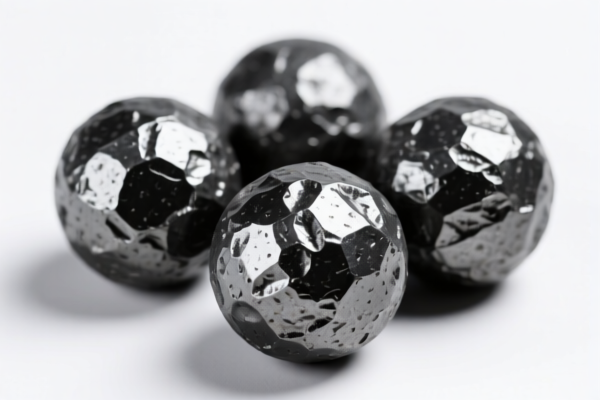
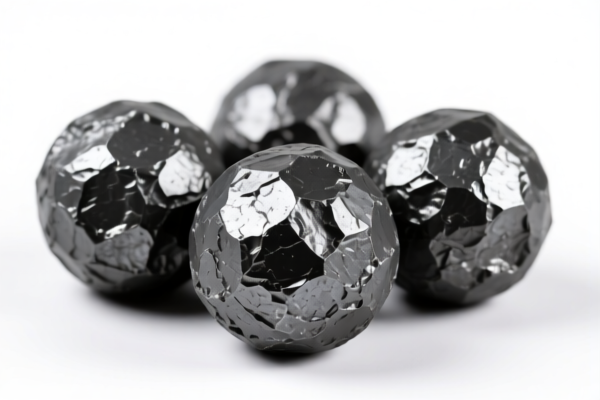
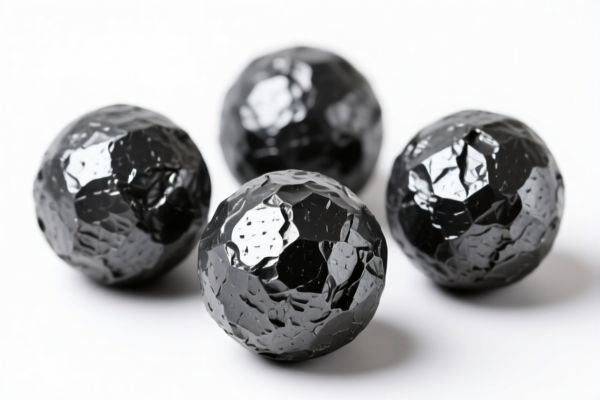
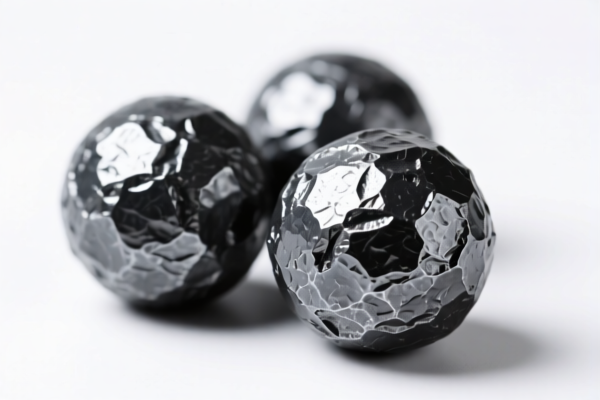
AI Analysis
🛢️ Grinding Balls (Grinding Media)
🌐 HS Code Reference & Customs Clearance Guide | 2026 Latest Tariff Analysis | Professional Clearance Strategy
📌 I. Product Definition & Classification: Do You Really Know "Grinding Balls"?
Grinding Balls (also known as grinding media) are essential consumables used in industrial mills (ball mills, rod mills) to crush, grind, and mix materials. In international trade, their classification depends heavily on material composition and intended use structure. They are generally categorized into:
- Abrasive/Ceramic Types: Made from natural abrasive stones, synthetic corundum, or ceramic composites. Used for fine grinding and polishing.
- Metal Hand Tools: Less common for bulk media, but small metal grinding attachments might fall under hand tools.
- Machine Tool Accessories: Components integrated into specific machining centers or dedicated grinding machinery.
⚠️ Key Distinction Point:
- If the balls are made of natural stone or ceramic abrasive materials →归入 Chapter 68 (Stone, plaster, cement, asbestos, mica, or similar materials).
- If the balls are metallic hand tools (rare for pure "balls," but possible for shaped attachments) → 归入 Chapter 82 (Tools, implements, cutlery, etc.).
- If they are specific accessories for machine tools (e.g., dedicated to gear grinding) → 归入 Chapter 84 (Nuclear reactors, boilers, machinery and mechanical appliances).
📦 II. HS Code Classification Details (2026 Latest Tariff Authority Comparison)
| HS Code | Product Description | Application Scenario | Material/Nature |
|--------|--------------------------|----------|
| 6804.22.10.00 | Millstones, whetstones, grinding stones, similar articles | Fine grinding, polishing, sharpening tools | Abrasive or Ceramic |
| 6804.22.40.00 | Other millstones, whetstones, grinding stones, similar articles | General industrial grinding, high-hardness media | Other bonded abrasives or Ceramic |
| 8205.59.55.60 | Other hand tools, including glass cutters | Uncommon for pure balls; applies if shaped as manual tool attachments | Metal Hand Tools |
| 8205.90.10.00 | Hand or pedal operated grinding wheels, frames | Manual grinding setups, pedal-driven abrasive tools | Metal + Abrasive Composite |
| 8466.93.98.40 | Parts and accessories for machine tools | Accessories for gear grinding or precision machining centers | Machine Tool Accessories |
🔍 Key Reminder:
- Most industrial grinding balls (steel, ceramic, or stone) used in large-scale milling are typically classified under 6804 if they are loose abrasive media.
- Steel grinding balls (often used in mining) might technically fall under 7325 (Other cast iron/steel articles) but the provided DATA restricts us to 6804/8205/8466. Based on the provided data, if they are abrasive-based, 6804 is the primary candidate.
- If the "grinding balls" are part of a specialized machine tool accessory system, 8466 may apply.
- Hand tools (8205) are unlikely for bulk grinding media unless specifically designed as handheld attachments.
💰 III. 2026 Latest Tariff Rate Details (Including Additional Taxes & Policy Surcharges)
✅ Applicable Country: United States (US)
✅ Country of Origin: China (CN)
✅ Effective Date: November 10, 2025 onwards (including subsequent imports)
🎯 1. 6804.22.10.00 —— Millstones, Whetstones, etc. (Abrasive/Ceramic)
| Item | Content |
|---|---|
| Base Duty | 5¢/kg + 2% (Ad Valorem + Specific) |
| Section 301 Additional Tariff | +25.0% |
| Section 122 Tariff (IEEPA) | +10% |
| Total Effective Rate | 5¢/kg + 37.0% (2% base + 25% + 10%) |
| Tax Calculation | (CIF Value × 37%) + (Weight in kg × $0.05) |
| De Minimis Exemption | ❌ Not Eligible (deny_de_minimis) |
| Legal Authority Path | USITC:6804.22.10.00 → SECTION301:25% → SECTION122:10% |
📌 Explanation:
- This classification applies if the grinding media are made of natural abrasive stones, synthetic corundum, or ceramic composites.
- The specific duty (5¢/kg) adds a fixed cost per kilogram, which can significantly impact high-volume, low-value imports.
- Total surcharge is 35% (25% + 10%), plus the base rate.
- Warning: If misclassified as a standard metal tool, you may face penalties for incorrect declaration.
🎯 2. 6804.22.40.00 —— Other Millstones, Whetstones (Other Bonded Abrasives/Ceramic)
| Item | Content |
|---|---|
| Base Duty | 0.0% |
| Section 301 Additional Tariff | +25.0% |
| Section 122 Tariff (IEEPA) | +10% |
| Total Effective Rate | 35.0% |
| Tax Calculation | CIF Value × 35% |
| De Minimis Exemption | ❌ Not Eligible |
| Legal Authority Path | USITC:6804.22.40.00 → SECTION301:25% → SECTION122:10% |
📌 Note:
- Applies to other bonded abrasive materials (e.g., silicon carbide, aluminum oxide blocks/stones) that don’t fit the specific "millstone" definition of 10.
- No specific weight-based duty, making it potentially more cost-effective for heavy, low-value ceramic balls compared to 10.00.
- Still subject to the 35% total surcharge.
🎯 3. 8205.59.55.60 —— Other Hand Tools (Metal)
| Item | Content |
|---|---|
| Base Duty | 5.3% |
| Section 301 Additional Tariff | +25.0% |
| Section 122 Tariff (IEEPA) | +10% |
| Total Effective Rate | 40.3% |
| Tax Calculation | CIF Value × 40.3% |
| De Minimis Exemption | ❌ Not Eligible |
| Legal Authority Path | USITC:8205.59.55.60 → SECTION301:25% → SECTION122:10% |
📌 Explanation:
- Only applicable if the "grinding balls" are shaped as metal hand tools (e.g., small metal grinding attachments).
- Highest base duty (5.3%) among the options.
- Total rate 40.3% is the highest, making this the least favorable classification for bulk media.
- Use Case: Only for specialized, small-scale metal grinding tools, not bulk industrial media.
🎯 4. 8205.90.10.00 —— Hand/Pedal Operated Grinding Wheels/Frames
| Item | Content |
|---|---|
| Base Duty | 0.0% |
| Section 301 Additional Tariff | +25.0% |
| Section 122 Tariff (IEEPA) | +10% |
| Total Effective Rate | 35.0% |
| Tax Calculation | CIF Value × 35% |
| De Minimis Exemption | ❌ Not Eligible |
| Legal Authority Path | USITC:8205.90.10.00 → SECTION301:25% → SECTION122:10% |
📌 Note:
- Applies to complete grinding wheels mounted in frames or pedal-operated units.
- Not suitable for loose grinding balls.
- Rate: 35%, same as 6804.22.40.00, but wrong product match. Misclassification here is a high risk.
🎯 5. 8466.93.98.40 —— Machine Tool Accessories (Gear Grinding/Precision)
| Item | Content |
|---|---|
| Base Duty | 4.7% |
| Section 301 Additional Tariff | +25.0% |
| Section 122 Tariff (IEEPA) | +10% |
| Total Effective Rate | 39.7% |
| Tax Calculation | CIF Value × 39.7% |
| De Minimis Exemption | ❌ Not Eligible |
| Legal Authority Path | USITC:8466.93.98.40 → SECTION301:25% → SECTION122:10% |
📌 Explanation:
- Applies if the grinding media are dedicated accessories for machine tools (e.g., internal components of a gear grinding machine).
- Base duty 4.7% is moderate.
- Total rate 39.7% is higher than 6804 categories.
- Use Case: Only if the balls are integrated into a specific machine tool system and not sold as loose consumables.
🛠️ IV. Customs Clearance Practical Advice (Battle-Tested Pitfall Guide)
✅ 1. Documentation Checklist (All or Nothing)
| Document | Required? | Description |
|---|---|---|
| ✅ Product Specification Sheet | ✔️ | Must specify material (Ceramic, Steel, Abrasive Stone), size, density, and intended use (Ball Mill, Hand Tool, Machine Accessory). |
| ✅ Material Composition Proof | ✔️ | Certificate of Analysis (CoA) to prove if it’s ceramic, stone, or metal. Critical for Chapter 68 vs 82/84. |
| ✅ Product Photos (Labeled) | ✔️ | Show bulk packaging, individual ball shape, and any markings. |
| ✅ Commercial Invoice | ✔️ | Clearly state “Grinding Media / Grinding Balls for Industrial Mills” or “Hand Tool Accessories.” |
| ✅ Packing List | ✔️ | Detail gross/net weight (critical for 5¢/kg duty). |
| ✅ Origin Certificate | ✔️ | Required for US import; confirms CN origin for surcharge calculation. |
✅ 2. Declaration Tips (Key Mantra)
🔥 “Material Dictates Code, Use Defines Path, Weight Matters for 6804.10!”
| Scenario | Correct Declaration | Wrong Practice |
|---|---|---|
| Loose Ceramic/Abrasive Balls | 6804.22.10.00 or 6804.22.40.00 |
Misclassifying as metal tools → 40.3%+ |
| Loose Steel Balls (Mining) | Not in DATA (Likely 7325) | Forcing into 8205 → 40.3% + Penalty |
| Ball Mill Liners with Balls | Separate declaration for media | Combined → Customs may reject |
| Machine Tool Internal Grinding Media | 8466.93.98.40 |
Declaring as loose consumables → Wrong chapter |
📌 Crucial Warning:
- Section 6804 has a specific duty (5¢/kg). Ensure your packing list accurately reflects the Net Weight. Under-declaring weight is a major red flag.
- Do not classify industrial grinding balls as “Hand Tools” (8205) unless they are explicitly designed for manual use. This is a frequent error leading to audits.
✅ 3. Special Situations
| Situation | Handling Advice |
|---|---|
| Hybrid Media (Steel Core + Ceramic Shell) | Provide detailed material breakdown. Likely classified under Chapter 68 if abrasive layer is primary. |
| OEM Grinding Media | Provide customer specs to prove intended use. Avoid generic “Grinding Balls” if specific use is known. |
| Bulk Import for Testing | Still subject to full duties. No de minimis exemption. |
| Samples for Evaluation | If value < $800, still denied de minimis for CN origin under Section 122/301. |
🌍 V. Global Market Customs Comparison (2026 Latest)
| Country/Region | Recommended HS Code (Based on DATA) | Tariff (China Origin) | Certification/Remarks |
|---|---|---|---|
| 🇺🇸 USA | 6804.22.10.00 / 6804.22.40.00 |
35.0% - 37.0% | High scrutiny on weight & material. |
| 🇨🇳 China | 6804.22.10.00 |
5.0% (Export Duty?) | Check for export restrictions on abrasive materials. |
| 🇪🇺 EU | 6804.22 |
0.0% - 6.5% | VAT 19-27% applies. No Section 301/122 equivalent. |
| 🇬🇧 UK | 6804.22 |
0.0% - 6.5% | Post-Brexit rules apply. |
| 🇦🇺 Australia | 6804.22 |
5.0% | GSP preferences may not apply for CN. |
📌 Conclusion:
- USA is the most expensive market due to Section 301 (25%) + Section 122 (10%).
- China Origin triggers these surcharges regardless of the base duty.
- EU/UK are more favorable for abrasive media (0-6.5% base), but VAT is significant.
📌 VI. Common Errors & Pitfalls (Blood & Tears Lessons)
❌ Error 1: Declaring ceramic grinding balls as steel hand tools (8205)
👉 Consequence: 40.3% tariff instead of 35%, plus potential penalty for false material declaration.
❌ Error 2: Ignoring the 5¢/kg specific duty in 6804.22.10.00
👉 Consequence: Underpayment of duties, customs audit, and back-taxes with interest.
❌ Error 3: Using “Grinding Balls” without specifying Material in Invoice
👉 Consequence: Customs may assign highest default rate or reject declaration for lack of detail.
❌ Error 4: Misclassifying machine tool accessories as loose consumables
👉 Consequence: Incorrect chapter (84 vs 68), leading to compliance flags.
✅ Correct Practice:
“Ceramic Grinding Media Balls, 20mm Diameter, for Ball Mill Grinding, Material: Alumina Ceramic, Net Weight: 1000kg, Model: GM-20, Made in China”
🎯 VII. Conclusion: Professional Declaration Saves Money!
🎯 Remember the Mantra:
🔹 “Ceramic/Abrasive → 6804 (35-37%)”
🔹 “Metal Hand Tool → 8205 (40.3%)”
🔹 “Machine Accessory → 8466 (39.7%)”
🔹 “Weight Matters for 6804.10, Avoid 8205 Penalty!”
📌 Pro Tip:
- If your grinding balls are not from China, they may be exempt from Section 301/122 surcharges.
- For high-volume imports, consider Advance Rulings to confirm the correct HS Code between 6804.22.10.00 and 6804.22.40.00 to optimize tax liability.
📣 Action Now:
📞 Consult a licensed customs broker + Provide Material Certificates + Pre-verify HS Code
🚀 Ensure smooth clearance, avoid delays, and protect your margins!
✨ Professional Customs Clearance Starts with Accurate Classification!
💼 Every cent saved is profit earned!
Customer Reviews
About HS Code Classification
The Harmonized System (HS) is an internationally standardized nomenclature developed by the World Customs Organization (WCO) to classify traded products. Over 200 countries use the HS system as the basis for customs tariffs, trade statistics, and import/export regulations.
Each HS code follows a hierarchical structure:
- Chapter (2 digits) — Broad category of goods (e.g., Chapter 84: Machinery and Mechanical Appliances)
- Heading (4 digits) — More specific grouping within the chapter
- Subheading (6 digits) — Internationally standardized breakdown, used by all WCO member countries
- National subdivisions (8-10 digits) — Country-specific extensions for further classification, such as US HTSUS 10-digit codes
Correct HS code classification is essential for smooth customs clearance, accurate duty payment, and compliance with trade regulations. Misclassification can lead to customs delays, overpayment of duties, or penalties.
When importing from CN to US, the applicable tariff rates may include:
- Most-Favored-Nation (MFN) rate — The standard duty rate applied to WTO members
- General rate — Applied to countries without trade agreements
- Trade remedy duties — Additional tariffs such as Section 301 (anti-dumping), Section 232 (national security), or countervailing duties
The information provided on this page is for reference purposes only. For official classification, please consult with your local customs authority or a licensed customs broker.