Grinding Table
CN → US| HS Code | Tariff Rate | Origin | Destination | Doc |
|---|---|---|---|---|
| 6804221000 | 0.0% | CN | US | Official Doc |
| 6804224000 | 35.0% | CN | US | Official Doc |
| 8205595560 | 40.3% | CN | US | Official Doc |
| 8205901000 | 35.0% | CN | US | Official Doc |
| 8466939840 | 39.7% | CN | US | Official Doc |
Product Images
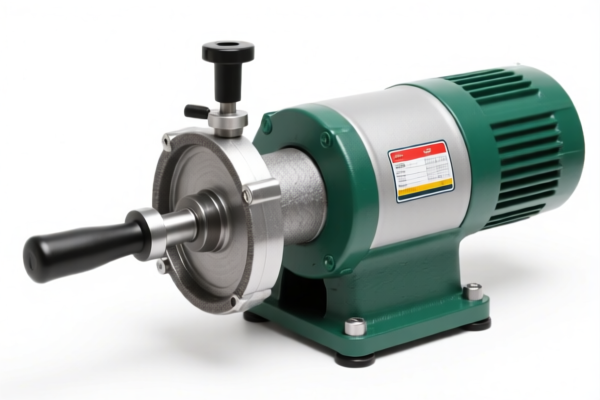
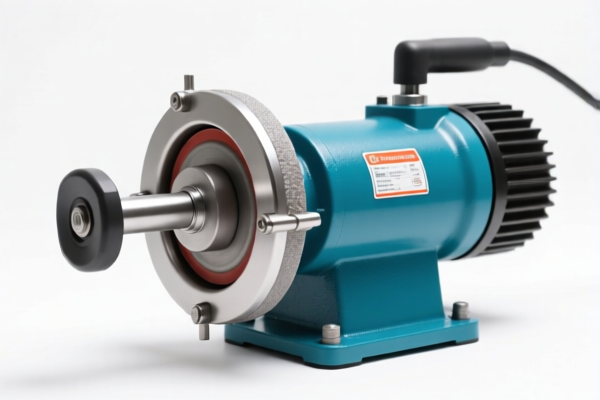
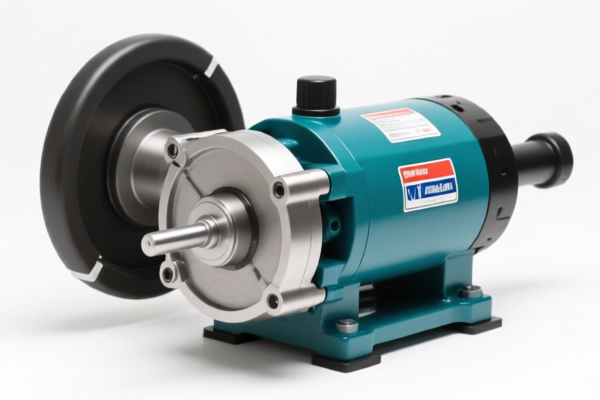

AI Analysis
🛠️ Grinding Table (Grinding Stones & Tools)
🌐 HS Code Reference & Customs Clearance Guide | 2026 Latest Tariff Analysis | Professional Clearance Strategy
📌 I. Product Definition & Classification: Do You Really Understand "Grinding Tables"?
In international trade, the term "Grinding Table" (or Grinding Stone/Grinder) is highly ambiguous. It can refer to raw abrasive materials, ceramic-bound grinding tools, metal-handled sharpening tools, or even machine accessories. The HS Code classification depends entirely on the material composition and specific intended use.
⚠️ Key Distinction Points:
- If the product is primarily an abrasive stone/ceramic for grinding/sharpening → Likely 6804.xx.xx.xx
- If the product is a metal-handled tool (e.g., hand-held sharpener with abrasive inserts) → Likely 8205.xx.xx.xx
- If the product is a machine accessory (e.g., grinding wheel for CNC/lathe) → Likely 8466.xx.xx.xx
📦 II. HS Code Classification Details (2026 Latest Tariff Authority Reference)
Based on the provided data, here are the five possible classifications for "Grinding Table/Grinder" items, along with their tax implications.
| HS Code | Product Description | Applicable Scenario | Material/Type |
|---|---|---|---|
6804.22.10.00 |
Grinding tools of agglomerated or natural stone/ceramic | General-purpose sharpening stones, whetstones | Agglomerated/Natural Stone or Ceramic |
6804.22.40.00 |
Other grinding stones, whetstones | Industrial abrasive stones, ceramic-bound abrasives | Other bonded abrasives or Ceramic |
8205.59.55.60 |
Metal-handled sharpening tools | Hand tools with metal handles and abrasive inserts | Metal Hand Tool |
8205.90.10.00 |
Other hand tools with frames (e.g., treadle grinders) | Manual or foot-powered grinding wheels with frames | Frame-mounted Hand Tool |
8466.93.98.40 |
Parts for machine tools (e.g., gear grinding attachments) | Accessories for CNC, lathes, or precision grinding machines | Machine Tool Accessory |
🔍 Critical Reminder:
- Misclassification between 6804 (Abrasive Materials) and 8205 (Metal Tools) can lead to significant tariff differences and customs delays.
- If the product is a standalone grinding wheel for a machine, it may fall under 8466. Do not declare it as a simple "hand tool" if it requires machine integration.
💰 III. 2026 Latest Tariff Rate Details (Including Additional Duties & Policy Surcharges)
✅ Applicable Country: United States (US)
✅ Origin: China (CN)
✅ Effective Date: 2025/2026 (Current Trade Policy Era)
🎯 1. 6804.22.10.00 – Grinding Stones of Agglomerated/Natural Stone
| Item | Details |
|---|---|
| Base Tariff | 5¢/kg + 2% (ad valorem) |
| Section 301 Surcharge | +25.0% |
| Section 122 Tariff | +10% |
| Total Effective Rate | Complex (Specific + Ad Valorem) + 35% Total Additional |
| Tax Calculation | (5¢/kg + 2% CIF) + 35% of CIF Value |
| De Minimis Exemption | ❌ Not Eligible (Due to high additional duties) |
| Legal Basis Path | USITC:6804.22.10.00 → 301:25% → 122:10% |
📌 Explanation:
- The base tariff includes a specific duty (5 cents per kg) plus a small ad valorem rate (2%).
- The additional duties (25% + 10%) are applied on top of the CIF value.
- Total Impact: This is a high-duty category. The specific duty (5¢/kg) means heavier items pay more in base tax, while the ad valorem surcharge scales with value.
🎯 2. 6804.22.40.00 – Other Grinding Stones (Ceramic/Bonded)
| Item | Details |
|---|---|
| Base Tariff | 0.0% |
| Section 301 Surcharge | +25.0% |
| Section 122 Tariff | +10% |
| Total Effective Rate | 35.0% |
| Tax Calculation | CIF Value × 35% |
| De Minimis Exemption | ❌ Not Eligible |
| Legal Basis Path | USITC:6804.22.40.00 → 301:25% → 122:10% |
📌 Note:
- Unlike the previous code, this has no base ad valorem or specific duty, making calculation simpler.
- The 35% total is purely additive. This is common for ceramic-bound abrasive stones.
🎯 3. 8205.59.55.60 – Metal-Handled Hand Tools
| Item | Details |
|---|---|
| Base Tariff | 5.3% |
| Section 301 Surcharge | +25.0% |
| Section 122 Tariff | +10% |
| Total Effective Rate | 40.3% |
| Tax Calculation | CIF Value × 40.3% |
| De Minimis Exemption | ❌ Not Eligible |
| Legal Basis Path | USITC:8205.59.55.60 → 301:25% → 122:10% |
📌 Warning:
- This classification applies if the "grinding table" is essentially a metal-handled tool (e.g., a metal frame holding a stone).
- 40.3% is the highest base + surcharge rate among the hand-tool options. Ensure you are not misclassifying a metal tool as a pure abrasive stone (6804) to avoid penalties.
🎯 4. 8205.90.10.00 – Frame-Mounted Hand Tools (Treadle/Manual Grinders)
| Item | Details |
|---|---|
| Base Tariff | 0.0% |
| Section 301 Surcharge | +25.0% |
| Section 122 Tariff | +10% |
| Total Effective Rate | 35.0% |
| Tax Calculation | CIF Value × 35% |
| De Minimis Exemption | ❌ Not Eligible |
| Legal Basis Path | USITC:8205.90.10.00 → 301:25% → 122:10% |
📌 Note:
- This applies to manual or foot-powered grinders with a frame structure.
- Similar to6804.22.40.00, the base rate is 0%, but the 35% surcharge remains.
🎯 5. 8466.93.98.40 – Parts for Machine Tools
| Item | Details |
|---|---|
| Base Tariff | 4.7% |
| Section 301 Surcharge | +25.0% |
| Section 122 Tariff | +10% |
| Total Effective Rate | 39.7% |
| Tax Calculation | CIF Value × 39.7% |
| De Minimis Exemption | ❌ Not Eligible |
| Legal Basis Path | USITC:8466.93.98.40 → 301:25% → 122:10% |
📌 Critical Insight:
- This code is for accessories to machine tools (e.g., grinding wheels for CNC machines).
- If your product is a standalone grinding table used in a factory setting with machinery, this is the correct classification.
- 39.7% is slightly lower than the metal-handled tool (40.3%) but still high.
🛠️ IV. Customs Clearance Practical Advice (Avoid Pitfalls)
✅ 1. Required Documentation Checklist
| Document | Mandatory? | Description |
|---|---|---|
| ✅ Product Specification Sheet | ✔️ | Detail material (ceramic, steel, stone), dimensions, weight, and intended use. |
| ✅ Technical Diagram | ✔️ | Show if it includes a frame, handle, or machine interface. |
| ✅ Clear Photos | ✔️ | Front, back, and label views. Show if it’s a stone, tool, or machine part. |
| ✅ Commercial Invoice | ✔️ | Clearly state "Grinding Stone," "Sharpening Tool," or "Machine Accessory" – avoid vague "Grinding Table". |
| ✅ Certificate of Origin | ✔️ | Confirm China origin to apply correct surcharges. |
| ✅ Binding Ruling (if available) | ✔️ | Pre-clearance ruling from US CBP reduces risk. |
✅ 2. Declaration Tips (Key Mnemonics)
🔥 "Material Defines Code, Frame Defines Type, Machine Defines Accessory!"
| Scenario | Correct Declaration | Wrong Declaration |
|---|---|---|
| Ceramic/Stone Grinding Block | 6804.22.10.00 or 6804.22.40.00 |
"Metal Tool" → 40.3% |
| Metal Handle with Stone Insert | 8205.59.55.60 |
"Abrasive Stone" → 35% (Risk of misclassification) |
| Manual Foot-Powered Grinder | 8205.90.10.00 |
"Machine Part" → 39.7% (Incorrect) |
| CNC Grinding Wheel Accessory | 8466.93.98.40 |
"Hand Tool" → 40.3% (Incorrect) |
✅ 3. Special Circumstances Handling
| Situation | Recommendation |
|---|---|
| Hybrid Products (e.g., Stone in a Metal Frame) | Analyze principal character. If metal frame is essential for function → 8205. If stone is main component → 6804. |
| OEM Custom Grinders | Provide customer specs and design drawings to prove intended use. |
| Small Samples (De Minimis) | ❌ Do Not Use Section 321 (De Minimis). All these codes are subject to 25%+10% surcharges, which exceed the $800 exemption threshold benefits. Declare normally. |
| Machine Integration | If sold with a machine, ensure it’s declared as a part (8466) if separate, or included in the main machine HS Code if bundled. |
🌍 V. Global Market Clearance Comparison (2026)
| Country/Region | Recommended HS Code | Tariff (China Origin) | Certification | Notes |
|---|---|---|---|---|
| 🇺🇸 USA | 6804.22.40.00 / 8205.59.55.60 |
35% - 40.3% | None Specific | High surcharges apply. |
| 🇨🇳 China | 6804.22.10.00 |
~5-10% | CCC (if applicable) | Lower base tariffs. |
| 🇪🇺 EU | 6804.22.10.00 |
0-4.5% | CE (if electrical) | No surcharges. |
| 🇯🇵 Japan | 6804.22.10.00 |
3-5% | PSE (if electrical) | Moderate tariffs. |
📌 Conclusion:
- USA is the most expensive market due to Section 301 (25%) and Section 122 (10%) tariffs.
- Cost Savings Strategy: Consider sourcing from non-China origins (e.g., Vietnam, Thailand) for6804products to potentially qualify for tariff exemptions, but verify rules of origin strictly.
📌 VI. Common Errors & Pitfalls (Lessons Learned)
❌ Error 1: Declaring a metal-handled tool as a ceramic stone
👉 Consequence: Misclassification penalty + 5% base tariff vs. 0% base, but 35% vs 40.3% difference leads to audit risks.
❌ Error 2: Using "Grinding Table" without specifying material
👉 Consequence: CBP requests additional info → Clearance Delay (7-14 days) → Demurrage charges.
❌ Error 3: Ignoring Section 122 (10%) tariff
👉 Consequence: Underpayment of duties → Back-tariffs + Interest.
❌ Error 4: Attempting De Minimis for high-duty items
👉 Consequence: Seizure of goods. The surcharges make it non-exempt.
✅ Correct Practice:
"Ceramic Grinding Stone, 6x4 inches, for Hand Use, Model XYZ, Origin: China"
→ Declared as6804.22.40.00with full 35% duty.
🎯 VII. Conclusion: Professional Declaration, Cost Control, Efficiency
🎯 Remember the Mnemonic:
🔹 "Stone is 6804, Tool is 8205, Machine is 8466. All carry 25%+10% extra!"
🔹 "De Minimis is Dead for China-Origin Grinders. Declare Fully."
📌 Pro Tip:
- If your product is purely abrasive (no metal frame), 6804.22.40.00 offers the simplest calculation (0% base + 35% surcharge).
- If it’s a tool, 8205.59.55.60 has a 5.3% base, making total 40.3%.
- Always provide clear photos and material specs to CBP.
📣 Take Action:
📞 Contact a licensed customs broker + Provide Product Images + Apply for CBP Pre-Ruling
🚀 Ensure smooth clearance, avoid delays, and protect your margins!
✨ Professional Customs Clearance Starts with Accurate Classification!
💼 Every Penny in Tariffs Matters – Get It Right the First Time!
Customer Reviews
About HS Code Classification
The Harmonized System (HS) is an internationally standardized nomenclature developed by the World Customs Organization (WCO) to classify traded products. Over 200 countries use the HS system as the basis for customs tariffs, trade statistics, and import/export regulations.
Each HS code follows a hierarchical structure:
- Chapter (2 digits) — Broad category of goods (e.g., Chapter 84: Machinery and Mechanical Appliances)
- Heading (4 digits) — More specific grouping within the chapter
- Subheading (6 digits) — Internationally standardized breakdown, used by all WCO member countries
- National subdivisions (8-10 digits) — Country-specific extensions for further classification, such as US HTSUS 10-digit codes
Correct HS code classification is essential for smooth customs clearance, accurate duty payment, and compliance with trade regulations. Misclassification can lead to customs delays, overpayment of duties, or penalties.
When importing from CN to US, the applicable tariff rates may include:
- Most-Favored-Nation (MFN) rate — The standard duty rate applied to WTO members
- General rate — Applied to countries without trade agreements
- Trade remedy duties — Additional tariffs such as Section 301 (anti-dumping), Section 232 (national security), or countervailing duties
The information provided on this page is for reference purposes only. For official classification, please consult with your local customs authority or a licensed customs broker.