Grinding Tools
CN → US| HS Code | Tariff Rate | Origin | Destination | Doc |
|---|---|---|---|---|
| 6804221000 | 0.0% | CN | US | Official Doc |
| 6804224000 | 35.0% | CN | US | Official Doc |
| 8205595560 | 40.3% | CN | US | Official Doc |
| 8205901000 | 35.0% | CN | US | Official Doc |
| 8466939840 | 39.7% | CN | US | Official Doc |
Product Images
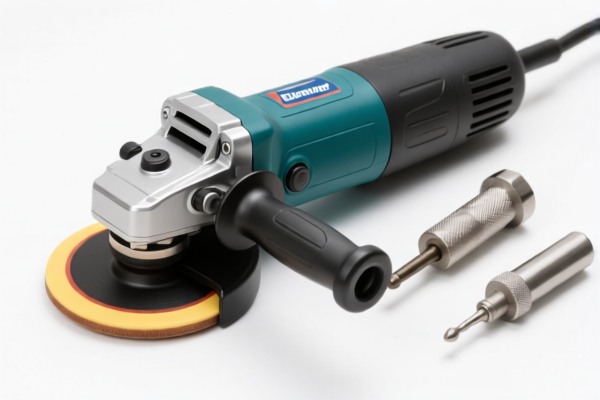
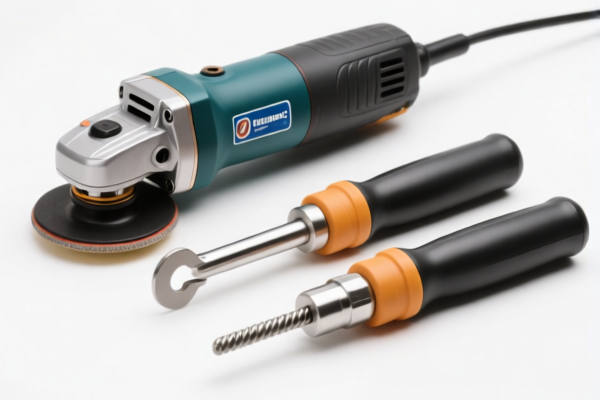
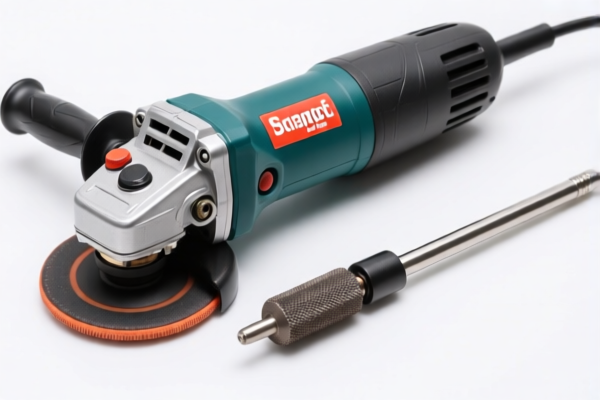
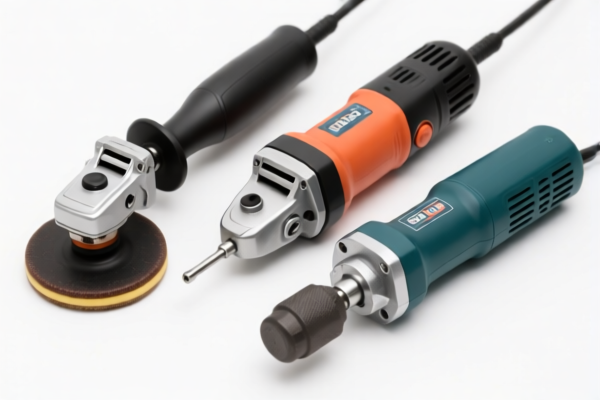
AI Analysis
🛠️ Grinding Tools (Industrial & Handheld Abrasives)
🌐 HS Code Reference & Customs Clearance Guide | 2026 Latest Tariff Analysis | Professional Compliance Strategy
📌 I. Product Definition & Classification: Do You Know What "Grinding Tools" Really Are?
Grinding tools are essential instruments for abrasive processing, sharpening, polishing, and precision machining. In international trade, they are not a single unified category but are strictly classified based on material composition (ceramic/resin/bonded vs. metal) and function (stand-alone tool vs. machine accessory).
Misclassification is a major risk, as the difference between a "ceramic grinding stone" and a "metal hand tool" can change the tariff rate from 0% to over 5% base, plus significant additional duties.
⚠️ Key Distinction Points:
- Ceramic/Resin/Bonded Abrasives: If the core is磨料 (abrasive) or ceramic, look to Chapter 68.
- Metal Hand Tools: If the tool is primarily a metal handle/body used for manual grinding/sharpening, look to Chapter 82.
- Machine Accessories: If it is specifically for gear grinding or precision machining attached to a machine tool, look to Chapter 84.
📦 II. HS Code Classification Details (2026 Latest Tariff Authority Comparison)
| HS Code | Product Description | Application Scenario | Material/Function |
|---|---|---|---|
6804.22.10.00 |
Grinding tools, of ground stone, other than natural stone (excluding whetstones) | Industrial grinding stones, abrasive wheels made of ceramic/resin bonds. | ✅ Ceramic/Bonded Abrasive |
6804.22.40.00 |
Grinding tools, of other bonded abrasives or of ceramic | Polishing wheels, sharpening stones made of synthetic abrasives/ceramic. | ✅ Ceramic/Bonded Abrasive |
8205.59.55.60 |
Other hand tools, of base metal (including combinations of tools) | Manual sharpening files, metal-handled whetstones, manual grinding blades. | ✅ Metal Hand Tool |
8205.90.10.00 |
Other hand tools, of base metal, n.e.s. | Manual grinders with frames, pedal-operated grinders, specialized manual abrasive tools. | ✅ Metal Hand Tool |
8466.93.98.40 |
Parts and accessories for machine tools (e.g., for gear grinding, finish grinding) | Specialized grinding attachments for CNC machines, precision gear finishing tools. | ✅ Machine Accessory |
🔍 Crucial Reminder:
- Ceramic/Resin Wheels: Must be declared under 6804. Do not misclassify as "metal tools" just because they have a hub.
- Manual Metal Sharpeners: If it’s a metal file or a metal tool used for manual sharpening, it falls under 8205.
- CNC Attachments: If the tool is specifically for machine-tool operations (like gear hobbing/grinding attachments), it may fall under 8466, but only if it fits the strict definition of a machine tool accessory.
💰 III. 2026 Latest Tariff Rate Details (Including Additional Taxes & Policy Surcharges)
✅ Applicable Country: United States (US)
✅ Origin: China (CN)
✅ Effective Date: November 10, 2025 onwards (including subsequent imports)
🎯 1. 6804.22.10.00 & 6804.22.40.00 —— Ceramic & Bonded Abrasive Grinding Tools
These codes cover the majority of industrial grinding wheels, stones, and polishing pads.
| Item | Content |
|---|---|
| Base Duty Rate | 5¢/kg + 2% (for 6804.22.10.00) OR 0% (for 6804.22.40.00) |
| Section 301 Surcharge | +25.0% |
| Section 122 Surcharge | +10.0% |
| Total Effective Rate | ~35.0% (Ad Valorem equivalent, varies by weight/value ratio) |
| Calculation Method | Specific Duty (¢/kg) + Ad Valorem (2%) + 25% + 10% on CIF Value |
| De Minimis Exemption | ❌ Not Applicable (deny_de_minimis) |
| Legal Basis Path | USITC:6804.22.xx → FOOTNOTE:301/122 |
📌 Explanation:
- Specific Duty: For6804.22.10.00, there is a specific duty of 5 cents per kg. This can significantly increase the effective tax rate for lightweight, high-value ceramic wheels.
- Combined Burden: The 25% Section 301 duty and 10% Section 122 duty are added to the base rate.
- High Cost Alert: Even with a 0% base rate for some ceramic items, the 35% total burden makes these imports expensive.
🎯 2. 8205.59.55.60 —— Metal Hand Tools (Manual Grinders/Files)
These codes apply if the item is classified as a hand tool of base metal (e.g., a metal file, a manual sharpening blade).
| Item | Content |
|---|---|
| Base Duty Rate | 5.3% |
| Section 301 Surcharge | +25.0% |
| Section 122 Surcharge | +10.0% |
| Total Duty Rate | 40.3% |
| Calculation Method | CIF Value × 40.3% |
| De Minimis Exemption | ❌ Not Applicable (deny_de_minimis) |
| Legal Basis Path | USITC:8205.59.55.60 → FOOTNOTE:301/122 |
📌 Explanation:
- This category has a higher base rate (5.3%) compared to some ceramic tools.
- The total effective rate of 40.3% is the highest among the options provided, making metal hand tools particularly costly.
🎯 3. 8205.90.10.00 —— Other Metal Hand Tools (Frame/Pedal Operated)
Covers manual grinders with frames or pedal-operated units.
| Item | Content |
|---|---|
| Base Duty Rate | 0.0% |
| Section 301 Surcharge | +25.0% |
| Section 122 Surcharge | +10.0% |
| Total Duty Rate | 35.0% |
| Calculation Method | CIF Value × 35.0% |
| De Minimis Exemption | ❌ Not Applicable (deny_de_minimis) |
| Legal Basis Path | USITC:8205.90.10.00 → FOOTNOTE:301/122 |
📌 Explanation:
- Although the base rate is 0%, the additional duties bring the total to 35.0%.
- This is a moderate cost option compared to metal hand files (8205.59.55.60).
🎯 4. 8466.93.98.40 —— Machine Tool Accessories (Grinding Attachments)
For specialized tools used in gear grinding or precision machining on machine tools.
| Item | Content |
|---|---|
| Base Duty Rate | 4.7% |
| Section 301 Surcharge | +25.0% |
| Section 122 Surcharge | +10.0% |
| Total Duty Rate | 39.7% |
| Calculation Method | CIF Value × 39.7% |
| De Minimis Exemption | ❌ Not Applicable (deny_de_minimis) |
| Legal Basis Path | USITC:8466.93.98.40 → FOOTNOTE:301/122 |
📌 Explanation:
- This is a niche category. Ensure the product is truly an accessory for a machine tool (e.g., a specific grinding head for a CNC mill).
- If it is a standalone tool, this code may be rejected, leading to misclassification penalties.
🛠️ IV. Customs Clearance Practical Advice (Real-World Pitfall Avoidance)
✅ 1. Required Documentation Checklist
| Document | Mandatory | Description |
|---|---|---|
| ✅ Product Specification Sheet | ✔️ | Must detail: Material (Ceramic/Resin/Metal), Diameter, Thickness, RPM rating, Bond type. |
| ✅ HS Code Declaration Letter | ✔️ | Explain why the code was chosen (e.g., "This is a ceramic grinding wheel, not a metal file"). |
| ✅ Product Photos (Labeled) | ✔️ | Clear images of the abrasive surface, hub, and any branding. |
| ✅ Commercial Invoice | ✔️ | Must match the description exactly. Avoid vague terms like "Grinder" (use "Grinding Wheel" or "Abrasive Stone"). |
| ✅ Packing List | ✔️ | List individual items. If shipping bulk stones, include gross/net weight for specific duty calculation (5¢/kg). |
| ✅ Country of Origin Certificate | ✔️ | Critical for determining Section 301/122 applicability. |
✅ 2. Declaration Tips (Key Mnemonics)
🔥 “Material First, Function Second; Don’t Mix Metal with Stone!”
| Scenario | Correct Declaration | Wrong Practice |
|---|---|---|
| Ceramic Grinding Wheel | 6804.22.10.00 |
Misclassifying as 8205 (Metal Tool) → High risk of audit & penalty |
| Manual Metal File | 8205.59.55.60 |
Declaring as 6804 → Rejection (not an abrasive wheel) |
| CNC Grinding Attachment | 8466.93.98.40 |
Declaring as 8205 Hand Tool → Higher tax (39.7% vs 40.3%, but risk of misclassification) |
| Pedal Operated Grinder | 8205.90.10.00 |
Declaring as 8466 Machine Accessory → Rejected (it’s manual) |
💡 Pro Tip:
For6804.22.10.00, weight matters! Since there is a specific duty of 5¢/kg, lightweight high-value wheels pay less in specific duty, but heavy low-value stones pay more. Ensure Net Weight is accurately declared.
✅ 3. Special Case Handling
| Situation | Handling Advice |
|---|---|
| Mixed Shipments | If you ship both ceramic wheels (6804) and metal files (8205), declare them on separate lines with distinct HS Codes. Do not lump them together. |
| OEM Custom Tools | Provide design specs. If the tool is a custom ceramic wheel, use 6804. If it’s a custom metal sharpening jig, use 8205. |
| Gifts/Samples (< $800) | ❌ No De Minimis. All HS codes listed above are explicitly denied de minimis entry from China. Duty applies regardless of value. |
| Returned Goods | May be eligible for duty drawback if original proof of payment is available. |
🌍 V. Global Market Comparison (2026 Latest)
| Country/Region | Recommended HS Code | Duty Rate (China Origin) | Certification | Notes |
|---|---|---|---|---|
| 🇺🇸 USA | 6804.22.10.00 / 8205.59.55.60 |
35.0% – 40.3% | N/A | High tariffs due to 301 & 122 clauses. |
| 🇪🇺 EU | 6804.22 / 8205 |
3.5% – 6.5% | CE (if electrical) | No additional Section 301/122 duties. |
| 🇨🇳 China | 6804.22 / 8205 |
5% – 10% | CCC (if applicable) | Lower base duties, but check local regulations. |
| 🇬🇧 UK | 6804.22 / 8205 |
4.0% – 7.0% | UKCA | Post-Brexit tariffs apply. |
| 🇨🇦 Canada | 6804.22 / 8205 |
0% – 5% | N/A | CUSMA preferential rates may apply if Canadian/US/Mexico origin. |
📌 Conclusion:
- USA is the highest-cost market for grinding tools from China due to the叠加 (stacking) of Section 301 (25%) and Section 122 (10%) duties.
- EU and Canada offer significantly lower duty rates, making them more attractive for high-volume exports if supply chains allow.
📌 VI. Common Errors & Pitfalls (Blood & Tears Lessons)
❌ Error 1: Calling a "Ceramic Grinding Wheel" a "Metal Tool" to avoid the 5¢/kg specific duty.
👉 Consequence: Customs audit, reclassification, penalties, and potential seizure.
Fact: Material determines the code. Ceramic = Ch 68.
❌ Error 2: Declaring a "CNC Grinding Attachment" as a "Hand Tool" (8205) to simplify paperwork.
👉 Consequence: May be rejected if the item is clearly machine-mounted.
Fact: If it attaches to a machine tool, use 8466.
❌ Error 3: Ignoring the Specific Duty (5¢/kg) for 6804.22.10.00.
👉 Consequence: Underpayment of duties if the item is heavy.
Fact: For heavy stones, the specific duty can add up quickly.
✅ Correct Practice:
"Ceramic Bonded Grinding Wheel, 10-inch diameter, 1-inch thickness, for metal finishing, Model ABC, Made in China"
→ Declare as6804.22.10.00with accurate weight.
🎯 VII. Conclusion: Precise Classification Saves Money!
🎯 Remember the Mantra:
🔹 "Ceramic goes to 68, Metal goes to 82, Machine parts go to 84."
🔹 "In the US, expect 35-40% total tax. No de minimis for China!"
🔹 "Get a Pre-Ruling (Advance Ruling) for high-value shipments to avoid surprises."
📌 Pro Tip:
If your grinding tools are manufactured in Vietnam, Mexico, or Malaysia, you may avoid the 25% Section 301 duty, reducing the total cost significantly.
Action Plan:
1. 📞 Contact a licensed customs broker.
2. 📸 Provide clear product images and specs.
3. 📝 Apply for an HS Code Advance Ruling with US CBP.
🚀 Ensure smooth customs clearance and maximize your profit margins!
✨ Professional Clearance Starts with Accurate Classification!
💼 Every cent of duty saved is pure profit!
Customer Reviews
About HS Code Classification
The Harmonized System (HS) is an internationally standardized nomenclature developed by the World Customs Organization (WCO) to classify traded products. Over 200 countries use the HS system as the basis for customs tariffs, trade statistics, and import/export regulations.
Each HS code follows a hierarchical structure:
- Chapter (2 digits) — Broad category of goods (e.g., Chapter 84: Machinery and Mechanical Appliances)
- Heading (4 digits) — More specific grouping within the chapter
- Subheading (6 digits) — Internationally standardized breakdown, used by all WCO member countries
- National subdivisions (8-10 digits) — Country-specific extensions for further classification, such as US HTSUS 10-digit codes
Correct HS code classification is essential for smooth customs clearance, accurate duty payment, and compliance with trade regulations. Misclassification can lead to customs delays, overpayment of duties, or penalties.
When importing from CN to US, the applicable tariff rates may include:
- Most-Favored-Nation (MFN) rate — The standard duty rate applied to WTO members
- General rate — Applied to countries without trade agreements
- Trade remedy duties — Additional tariffs such as Section 301 (anti-dumping), Section 232 (national security), or countervailing duties
The information provided on this page is for reference purposes only. For official classification, please consult with your local customs authority or a licensed customs broker.