Grow Bag
CN → US| HS Code | Tariff Rate | Origin | Destination | Doc |
|---|---|---|---|---|
| 6305390000 | 25.9% | CN | US | Official Doc |
| 3923210095 | 38.0% | CN | US | Official Doc |
| 3923290000 | 38.0% | CN | US | Official Doc |
| 6305330080 | 25.9% | CN | US | Official Doc |
| 6914908000 | 40.6% | CN | US | Official Doc |
Product Images
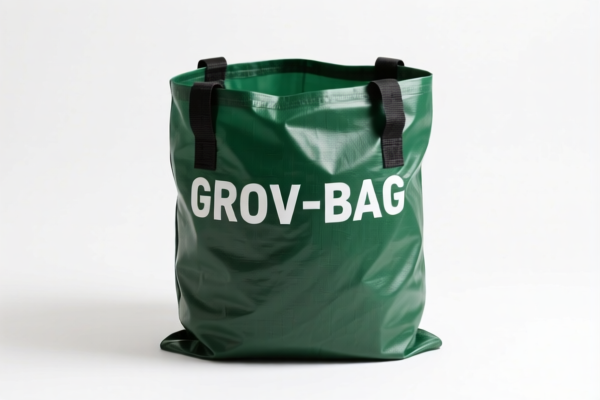
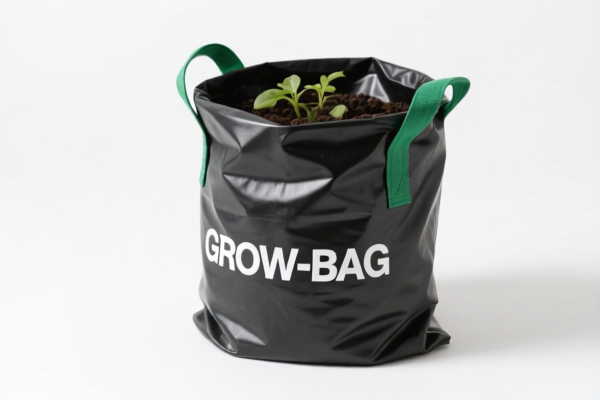
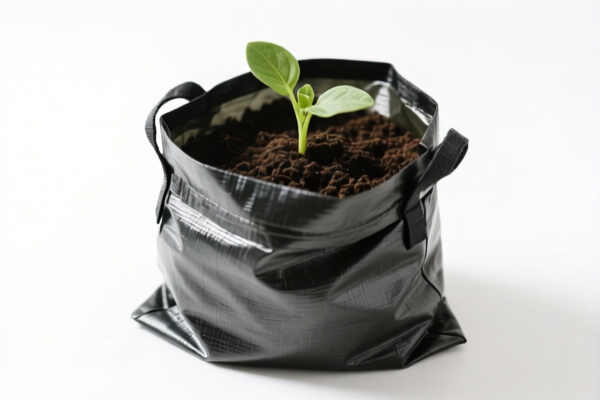
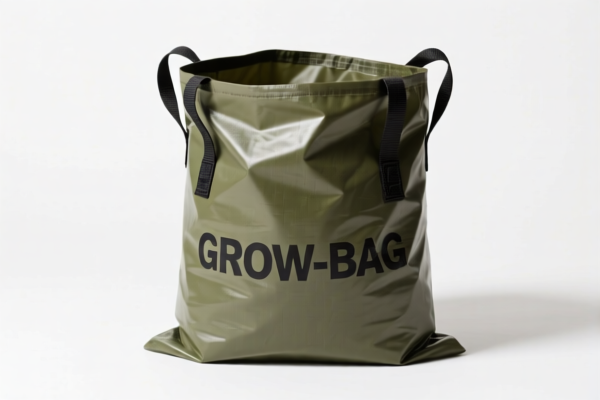
AI Analysis
🌱 Grow Bags & Planters (Gardening Containers)
🌐 HS Code Reference & Customs Clearance Guide | 2026 Tariff Rates | Strategic Entry Strategies
📌 I. Product Definition & Classification: What Exactly is a "Grow Bag"?
In international trade, "Grow Bags" are not a single unified product. They are classified based on their material composition and intended use. Misclassification is common and leads to significant tariff shocks.
There are two primary categories:
-
Plastic Grow Bags: Made primarily of polyethylene (PE), polypropylene (PP), or other plastic polymers. These are flexible, durable, and often used for hydroponics or large-scale agriculture.
- Key Characteristic: Plastic material, bag/sack form.
- Likely Chapter: Chapter 39 (Plastics and Articles Thereof).
-
Textile/Non-Woven Fabric Bags: Made from spun-bonded polypropylene or other textile materials. These are breathable and lightweight.
- Key Characteristic: Textile-based material, bag form.
- Likely Chapter: Chapter 63 (Other Made Up Articles; Set Clothing).
-
Planters/Baskets (Ceramic/Pottery): Sometimes referred to loosely as "grow pots" or "planters," but if made of ceramic, they fall under a completely different chapter.
- Key Characteristic: Ceramic material, rigid vessel form.
- Likely Chapter: Chapter 69 (Ceramic Products).
⚠️ Critical Distinction:
- If the bag is plastic → It generally falls under HS 3923 (Articles for the conveyance or packing of goods, of plastics).
- If the bag is textile/fabric (non-woven) → It generally falls under HS 6305 (Sacks and bags, for the packing of goods, of textile materials).
- If it is a ceramic pot → It falls under HS 6914.
📦 II. HS Code Classification Details (2026 Latest Tariff Schedule)
Based on the provided data, here are the specific HS codes, their summaries, and tax implications.
| HS Code | Product Summary & Material | Classification Logic | Total Tax Rate |
|---|---|---|---|
| 3923.29.00.00 | Grow Bag (Plastic) Form: Sack/Bag Material: Plastic (Other) |
Fits the "兜底属性" (Fallback/Catch-all) for plastic articles of other kinds. | 38.0% |
| 6305.33.00.80 | Grow Bag (Textile/Polymer) Use: Bag Material: Polyethylene or Polypropylene textile material |
Fits "Other" textile sacks/bags for packing. Note: Even if made of polymer, if structured as a textile bag, it may fall here. | 25.9% |
| 6305.39.00.00 | Grow Bag (Polymer Textile) Use: Bag Material: Polyethylene (Human-made textile material) |
Classified under "Other" bags of man-made textile materials. | 25.9% |
| 3923.21.00.95 | Grow Bag (Plastic Bag) Form: Bag Material: Plastic (Ethylene Polymers) |
Fits the logic for sacks and bags of plastics, specifically ethylene polymers. | 38.0% |
| 6914.90.80.00 | Grow Basket/Planter (Ceramic) Material: Ceramic Form: Ceramic Vessel |
Classified as other ceramic articles (not tableware/china). | 40.6% |
🔍 Key Insight:
- Plastic Grow Bags (3923 series) face a 38.0% total tax rate.
- Textile/Fabric Grow Bags (6305 series) face a 25.9% total tax rate.
- Ceramic Planters (6914) face the highest rate at 40.6%.
- The difference between 25.9% and 38.0% is significant for large-volume shipments. Correctly identifying the material structure (plastic film vs. woven fabric) is crucial.
💰 III. 2026 Tariff Rate Breakdown (Detailed Tax Clauses)
✅ Applicable Country: United States (US)
✅ Origin: China (CN)
✅ Effective Time: 2025/2026 (Based on IEEPA and Section 301 policies)
🎯 1. For Plastic Grow Bags (HS 3923.29.00.00 & 3923.21.00.95)
| Component | Rate | Description |
|---|---|---|
| Base Duty | 3.0% | Standard Most-Favored-Nation (MFN) rate for plastic articles. |
| Section 301 Duty | 25.0% | Additional duty under USTR Section 301 for Chinese goods. |
| 122 Clause Duty | 10.0% | Additional duty under specific executive orders/trade measures (IEEPA related). |
| Total Tax Rate | 38.0% | Sum of all applicable duties. |
📌 Explanation:
- These rates are aggregated.
- No De Minimis Exemption: These goods are NOT eligible for the $800 de minimis exemption (Section 321) due to the high aggregate duty and specific trade restrictions on plastic/textile packing goods from China.
- Legal Path:Base Tariff+USITC Section 301 (25%)+IEEPA (10%)=38.0%.
🎯 2. For Textile/Fabric Grow Bags (HS 6305.33.00.80 & 6305.39.00.00)
| Component | Rate | Description |
|---|---|---|
| Base Duty | 8.4% | MFN rate for textile sacks/bags. |
| Section 301 Duty | 7.5% | Reduced Section 301 rate for certain textile articles (compared to 25%). |
| 122 Clause Duty | 10.0% | Additional IEEPA-related duty. |
| Total Tax Rate | 25.9% | Sum of all applicable duties. |
📌 Explanation:
- Textile bags benefit from a lower Section 301 rate (7.5%) compared to plastic bags (25.0%).
- However, the base duty is higher (8.4% vs 3.0%).
- Net Result: 25.9% is 12.1% lower than the plastic bag rate. This makes textile/spun-bond grow bags more tax-efficient if they meet the definition.
🎯 3. For Ceramic Grow Baskets (HS 6914.90.80.00)
| Component | Rate | Description |
|---|---|---|
| Base Duty | 5.6% | MFN rate for ceramic articles. |
| Section 301 Duty | 25.0% | Standard Section 301 rate. |
| 122 Clause Duty | 10.0% | Additional IEEPA-related duty. |
| Total Tax Rate | 40.6% | Sum of all applicable duties. |
📌 Explanation:
- Ceramics do not qualify for reduced textile rates.
- This is the highest tax bracket among the options.
- Ensure the product is not misclassified as "Pottery" (which might have different rules) if it is indeed a garden basket.
🛠️ IV. Customs Clearance Practical Advice (Pitfall Avoidance)
✅ 1. Documentation Checklist (Mandatory)
| Document | Required | Purpose |
|---|---|---|
| Product Specification Sheet | ✔️ | Must clearly state Material Composition (e.g., "100% Spun-bonded Polypropylene" vs. "HDPE Plastic"). |
| Material Test Report | ✔️ | Third-party lab report confirming polymer type (PE, PP, etc.) to distinguish between HS 3923 and HS 6305. |
| Product Photos | ✔️ | Show the texture (woven fabric vs. smooth plastic) and structure (handles, bottom gusset). |
| Commercial Invoice | ✔️ | Describe accurately: "Non-woven Fabric Grow Bag" or "Plastic Nursery Bag." Avoid vague terms like "Garden Container." |
| Packing List | ✔️ | Clearly list quantity and net/gross weight. |
✅ 2. Classification Strategy & Tips
🔥 "Material is King: Plastic = 38%, Fabric = 25.9%"
| Scenario | Recommended HS Code | Why? | Risk if Misclassified |
|---|---|---|---|
| Smooth, shiny, flexible bag (HDPE/LDPE) | 3923.29.00.00 or 3923.21.00.95 |
It is a plastic sack. | If declared as textile, customs may reclassify and charge 38% + penalties. |
| Matte, woven, breathable fabric (Spun-bond PP) | 6305.33.00.80 or 6305.39.00.00 |
It is a textile bag. | Declaring as plastic wastes money (paying 38% instead of 25.9%). |
| Rigid, heavy, pottery-like container | 6914.90.80.00 |
It is ceramic. | If declared as plastic, risk of high penalty for fraud. |
✅ 3. Special Considerations
- De Minimis Waiver: All these items are subject to full taxation upon entry into the US if shipped from China. Do NOT use "Section 321" (de minimis) shipping for these items if the value exceeds $800 or if the importer is not the final consumer in a low-value shipment. The duties will be collected anyway.
- Labeling: Ensure the product label states the material. e.g., "Material: Spunbonded Polypropylene" helps clear customs quickly under HS 6305.
- Hydroponic Use: If the grow bag is specifically designed for hydroponics (e.g., with specific drainage holes and reinforced handles), still classify by material. The use does not change the HS code unless it is a complex electronic system (which is not the case for simple bags).
🌍 V. Global Market Comparison (2026)
| Destination | Recommended HS Code | Est. Total Duty | Key Notes |
|---|---|---|---|
| 🇺🇸 USA | 3923.29.00.00 (Plastic) |
38.0% | High Section 301 + IEEPA. |
| 🇺🇸 USA | 6305.39.00.00 (Fabric) |
25.9% | More tax-efficient if material allows. |
| 🇨🇳 China | 3923.29.00.00 |
~5-9% | Lower base tariffs. |
| 🇪🇺 EU | 3923.29.00.00 |
~3-5% | No Section 301, but VAT applies. |
📌 Conclusion:
- For the US market, if your grow bag is made of spun-bonded fabric, strive to classify it under HS 6305 to save 12.1% in duties.
- If it is plastic, you must accept the 38% rate and plan margins accordingly.
📌 VI. Common Errors & Pitfalls
❌ Error 1: Calling a plastic bag a "Textile Bag"
👉 Consequence: Customs audit → Reclassification to HS 3923 → Back taxes + Interest.
❌ Error 2: Calling a fabric bag a "Plastic Bag"
👉 Consequence: You overpay by 12.1%. No penalty, but lost profit.
❌ Error 3: Ignoring the "122 Clause" (IEEPA 10%)
👉 Consequence: Underestimating landed cost. This 10% is now a permanent fixture for most Chinese goods.
🎯 VII. Conclusion: Precision Classification for Profit Maximization
🎯 Key Takeaway:
"Check the weave. Plastic costs 38%. Fabric costs 25.9%. Ceramic costs 40.6%. Know your material to know your tax."
✅ Action Plan:
1. Test the material of your grow bags.
2. Select the correct HS Code (3923 vs. 6305 vs. 6914).
3. Prepare supporting documents (Material certs) to prove the classification.
4. Calculate landed cost using the correct total tax rate (38.0% or 25.9%).
📣 Immediate Action:
📞 Consult with a customs broker if your product is a hybrid (e.g., plastic bag with fabric handles).
🚀 Optimize your supply chain by choosing the most tax-efficient material design if possible.
✨ Smart Customs, Higher Margins!
💼 Every percentage point counts in international trade.
Customer Reviews
About HS Code Classification
The Harmonized System (HS) is an internationally standardized nomenclature developed by the World Customs Organization (WCO) to classify traded products. Over 200 countries use the HS system as the basis for customs tariffs, trade statistics, and import/export regulations.
Each HS code follows a hierarchical structure:
- Chapter (2 digits) — Broad category of goods (e.g., Chapter 84: Machinery and Mechanical Appliances)
- Heading (4 digits) — More specific grouping within the chapter
- Subheading (6 digits) — Internationally standardized breakdown, used by all WCO member countries
- National subdivisions (8-10 digits) — Country-specific extensions for further classification, such as US HTSUS 10-digit codes
Correct HS code classification is essential for smooth customs clearance, accurate duty payment, and compliance with trade regulations. Misclassification can lead to customs delays, overpayment of duties, or penalties.
When importing from CN to US, the applicable tariff rates may include:
- Most-Favored-Nation (MFN) rate — The standard duty rate applied to WTO members
- General rate — Applied to countries without trade agreements
- Trade remedy duties — Additional tariffs such as Section 301 (anti-dumping), Section 232 (national security), or countervailing duties
The information provided on this page is for reference purposes only. For official classification, please consult with your local customs authority or a licensed customs broker.