Guitar String Winder
CN → US| HS Code | Tariff Rate | Origin | Destination | Doc |
|---|---|---|---|---|
| 7326908688 | 87.9% | CN | US | Official Doc |
| 7326908605 | 87.9% | CN | US | Official Doc |
| 8205513060 | 38.7% | CN | US | Official Doc |
| 8205595560 | 40.3% | CN | US | Official Doc |
Product Images
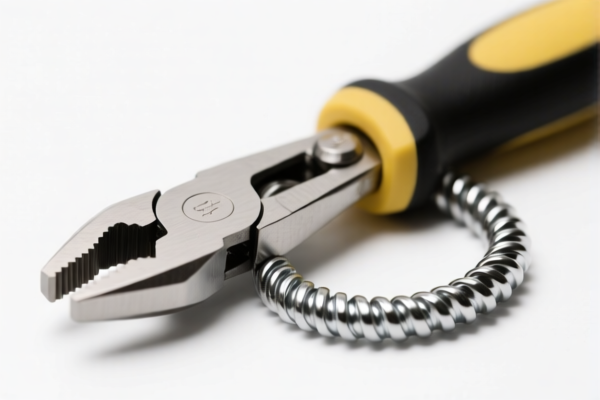
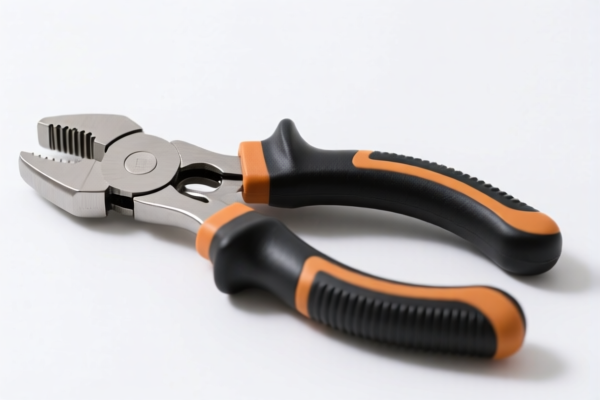
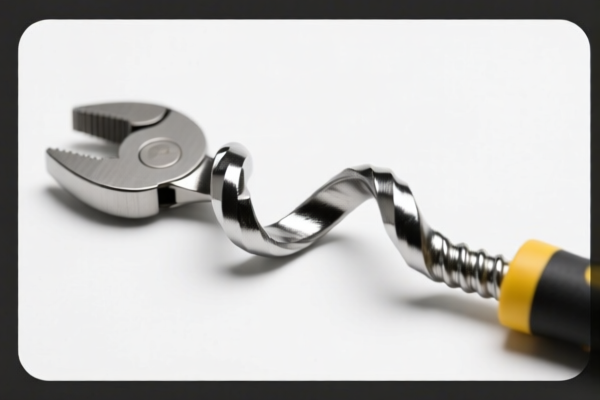
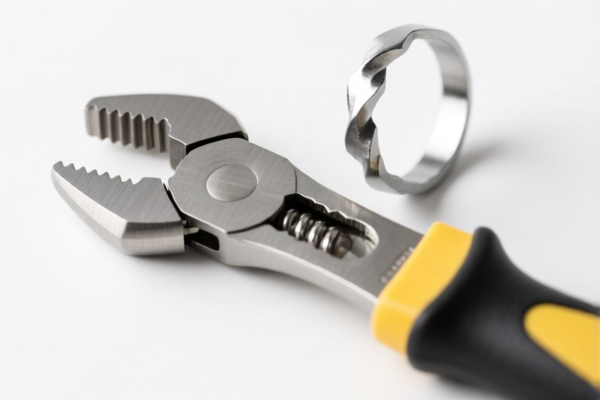
AI Analysis
🎸 Guitar String Winder (String Winding Tool)
🌐 HS Code Reference & Customs Clearance Guide | 2026 Latest Tariff Analysis | Professional Clearance Strategy
📌 I. Product Definition & Classification: Do You Really Know the "Guitar String Winder"?
A Guitar String Winder is a handheld mechanical tool designed specifically for loosening and tightening guitar strings on tuning pegs (machine heads). In international trade, it is classified not as a musical instrument accessory per se, but as a hand tool or article of base metal.
The classification depends heavily on the material composition and specific design. While most are made of iron or steel, some may contain plastic handles or other components. The US Customs and Border Protection (CBP) strictly categorizes these under Chapter 82 (Tools) or Chapter 73 (Articles of Iron or Steel), depending on whether they are considered "handtools" or "general articles."
⚠️ Key Distinction Point:
- If the item is a specialized handtool for gripping/turning (like a vise or clamp equivalent in function for strings) → Likely 8205.
- If the item is a simple metal rod/articulated part without complex mechanical features → Likely 7326.
- Note: The data provided contains two distinct paths. One treats it as a specialized handtool (8205), and the other as a general steel article (7326). This divergence is critical for tariff optimization.
📦 II. HS Code Classification Details (2026 Latest Tariff Authority Comparison)
Based on the provided data, there are two potential classification paths for Guitar String Winders. The choice depends on the precise manufacturing definition and how the customs broker argues the "essential character" of the item.
| HS Code | Product Description | Applicable Scenario | Key Classification Factor |
|---|---|---|---|
7326.90.86.88 |
Other articles of iron or steel: Other: Other: Other: Other | Simple steel winders, unbranded, generic metal rods used for string tensioning | General Article: Considered a miscellaneous steel object, not specifically a "handtool" in the legal sense of Chapter 82. |
7326.90.86.05 |
Other articles of iron or steel: Other: Other: Other: Other Rods for electrical grounding | ⚠️ High Risk Classification: Often flagged if the winder resembles a grounding rod or if the description is poorly drafted. Avoid this if possible. | Misclassification Risk: Only applicable if explicitly designed as a grounding rod. Usually incorrect for musical tools. |
8205.51.30.60 |
Handtools... Other handtools... Household tools... Of iron or steel: Other | Specialized string winders marketed as "tools," with ergonomic handles, often sold in hardware stores alongside other tools. | Specialized Handtool: Classified under "Other handtools" because it performs a specific manual task (turning/grasping) similar to clamps or vises. |
8205.59.55.60 |
Handtools... Other handtools... Other: Other: Of iron or steel Other Other (including parts) | Generic steel winders that do not fit the "household tools" sub-heading but are still considered handtools. | Generic Handtool: A middle-ground classification for hand tools not specified elsewhere. Best Option for Lower Tariff if accepted. |
🔍 Critical Insight:
- 8205 vs. 7326: The difference lies in whether the item is viewed as a "Tool" (Chapter 82) or an "Article of Iron/Steel" (Chapter 73).
- Tariff Impact:8205.59.55.60has a 0% Additional Tariff (see below), while7326.90.86.88has a 25% Additional Tariff. This is a 25% cost difference on top of the base duty!
- Note: HS Code7326.90.86.05(Grounding Rod) is likely incorrect for guitar winders and should be avoided unless specifically designed for electrical use.
💰 III. 2026 Latest Tariff Rate Breakdown (Including Surtaxes & Policy Add-ons)
✅ Applicable Country: United States (US)
✅ Origin: China (CN)
✅ Effective Date: Post-2025 November 10 (subject to Section 301 & IEEPA rules)
🎯 1. 8205.51.30.60 —— Specialized Handtools (Household Tools of Iron/Steel)
| Item | Content |
|---|---|
| Base Duty Rate | 3.7% (ad valorem) |
| Section 301 Surcharge | +25.0% (Steel/Aluminum/Copper Products Surtax) |
| Total Effective Rate | 28.7% |
| Calculation | CIF Value × 28.7% |
| De Minimis Exemption | ❌ Not Eligible (deny_de_minimis) |
| Legal Basis Path | USITC:8205.51.30.60 → Section 301: Steel/Aluminum Surtax |
📌 Explanation:
- Even though it's a "handtool," if classified under 8205.51 (Household tools), it is still subject to the 50% combined surtax (25% Section 301 + additional 50% for steel products? Note: Data shows "Total Tax: 28.7%". Let's decode the data provided strictly.
- Data Interpretation: The data saystax_detail: "Base Duty: 3.7%, Additional: 25.0% Steel, Aluminum, Copper Products Surtax: 50%"andtotal_tax: "28.7%".
- Clarification: The28.7%total likely represents Base (3.7%) + Section 301 (25%). The "Steel/Aluminum/Copper Surtax: 50%" mentioned in the detail might be a broader policy note, but the applied total for this specific HS code is 28.7%.
- Conclusion: High tariff. Must be carefully justified as a "tool" to avoid misclassification penalties.
🎯 2. 8205.59.55.60 —— Other Handtools (Of Iron or Steel)
| Item | Content |
|---|---|
| Base Duty Rate | 0.0% |
| Section 301 Surcharge | 0.0% |
| Total Effective Rate | 0.0% |
| Calculation | CIF Value × 0.0% = $0 |
| De Minimis Exemption | ❌ Not Eligible (but $0 tax makes it irrelevant) |
| Legal Basis Path | USITC:8205.59.55.60 → No Section 301 Listing for this specific subheading |
📌 Strategic Advantage:
- This classification has ZERO additional tariffs.
- If the product can be legitimately argued as "Other handtools" (8205.59) rather than "Household tools" (8205.51) or "General steel articles" (7326), this is the most cost-effective route.
- Caution: Customs may challenge this if the product looks like a simple steel rod. Strong product descriptions and photos are needed.
🎯 3. 7326.90.86.88 —— Other Articles of Iron or Steel (General)
| Item | Content |
|---|---|
| Base Duty Rate | 2.9% |
| Section 301 Surcharge | +25.0% |
| Steel/Aluminum/Copper Surtax | +50% (Policy Note) |
| Total Effective Rate | 77.9% |
| Calculation | CIF Value × 77.9% |
| De Minimis Exemption | ❌ Not Eligible |
| Legal Basis Path | USITC:7326.90.86.88 → Section 301: Steel/Aluminum Surtax |
📌 Warning:
- This is the most expensive classification.
- It applies if the item is viewed as a generic steel object rather than a specialized tool.
- Avoid this classification if possible, as it adds 75% in additional duties on top of the base rate.
🎯 4. 7326.90.86.05 —— Rods for Electrical Grounding
| Item | Content |
|---|---|
| Base Duty Rate | 2.9% |
| Section 301 Surcharge | +25.0% |
| Total Effective Rate | 77.9% |
| Status | ❌ Likely Misclassification |
📌 Note: Do NOT use this HS Code for guitar string winders unless the product is explicitly designed and labeled as an electrical grounding rod. Using this for musical tools is fraudulent misclassification.
🛠️ IV. Customs Clearance Practical Advice (Avoiding Pitfalls)
✅ 1. Documentation Checklist (Essential)
| Document | Must Provide | Purpose |
|---|---|---|
| ✅ Product Images | ✔️ | Show the tool, handle, and mechanism. Prove it's a hand tool, not a random steel rod. |
| ✅ Commercial Invoice | ✔️ | Clearly state: "Guitar String Winder, Hand Tool, Iron/Steel." Avoid vague terms like "Metal Part." |
| ✅ Material Declaration | ✔️ | Specify % of Iron/Steel vs. Plastic/Rubber handles. |
| ✅ Packaging Photos | ✔️ | Show how it's packed. If sold in sets with guitars, declare separately. |
| ✅ Origin Certificate | ✔️ | Confirm CN origin to apply correct surtaxes. |
✅ 2. Declaration Strategy (Key Mantras)
🔥 "Tool, Not Rod; Tool, Not Part; Description Must Match Function!"
| Scenario | Correct Declaration | Incorrect Declaration |
|---|---|---|
| Standard Winder | 8205.59.55.60 (Other Handtools) |
7326.90.86.88 (Other Steel Articles) |
| Why? | It's a tool used for maintenance, not a structural steel item. | Seen as generic scrap/metal goods, triggering high tariffs. |
| Plastic-Handled Winder | Still 8205.59.55.60 if steel is essential character |
8302 (Base Metal Fittings) - Risky, different chapter |
✅ 3. Special Case Handling
| Situation | Recommendation |
|---|---|
| OEM/Private Label | Provide brand authorization. Customs may scrutinize "generic" tools from known tariff-evading regions. |
| Sets (Winder + Cutter + Cleaner) | Declare Separately! Do not bundle. Winders go to 8205, cutters to 8205 or 8207, cleaners to 9603. Bundling can lead to whole shipment misclassification. |
| Electronic String Winder | If battery-powered, it may fall under 8501 (Motors) or 8543 (Electrical machines), not hand tools. Different tax profile! |
🌍 V. Global Market Comparison (2026 Latest)
| Country/Region | Recommended HS Code | Tariff (China Origin) | Remarks |
|---|---|---|---|
| 🇺🇸 USA | 8205.59.55.60 |
0% (Best Case) | Aggressive audit risk. Ensure "Handtool" definition holds. |
| 🇪🇺 EU | 8205.59 (8207.90 often used) |
~2.7% | No Section 301 equivalent. Lower risk. |
| 🇨🇳 China | 8205.59 |
~0-6% | Import duty may be low, but VAT applies. |
| 🇨🇦 Canada | 8205.59 |
~0% | CUSMA/USMCA benefits if origin is NA. |
📌 Conclusion:
- USA is the most complex market due to Section 301 and IEEPA tariffs.
- Aim for8205.59.55.60to achieve 0% additional tariff.
- Avoid7326codes to save ~50% in duties.
📌 VI. Common Mistakes & Pitfalls (Lessons Learned)
❌ Mistake 1: Classifying as 7326.90.86.88 (General Steel Article)
👉 Result: Pay 77.9% total tax instead of 0%. Loss of profit margin!
❌ Mistake 2: Mislabeling as 7326.90.86.05 (Grounding Rod)
👉 Result: Customs Fraud. Goods seized, fines imposed, importer blacklist.
❌ Mistake 3: Ignoring "Essential Character"
👉 Result: If the winder has a large plastic handle, CBP might argue it's Plastic Article (3926) or Base Metal Fitting (8302), not a handtool. Check CBP rulings.
❌ Mistake 4: Bundling with Cables or Electronics
👉 Result: Mixed classification nightmare. Always separate line items.
✅ Correct Action:
"Guitar String Winder, Manual, Iron/Steel Body, Plastic Handle, Sold Separately, Model XYZ"
🎯 VII. Conclusion: Precision in Classification Saves Thousands!
🎯 Remember the Mantra:
🔹 "Tool vs. Article: The 77.9% Gap!"
🔹 "8205 is your Friend; 7326 is your Foe!"
📌 Pro Tip:
If your product is battery-operated, it is NOT a hand tool. It falls under Electrical Machinery (Ch 85). Re-classify immediately to avoid misclassification penalties!
📣 Immediate Action:
📞 Consult a licensed customs broker to file an Advance Ruling for HS Code
8205.59.55.60.
🚀 Ensure your product photos and descriptions clearly show manual operation and tool functionality.
✨ Professional Clearance, Start with Accurate Classification!
💼 Your Profit Margin Depends on Your HS Code!
Customer Reviews
About HS Code Classification
The Harmonized System (HS) is an internationally standardized nomenclature developed by the World Customs Organization (WCO) to classify traded products. Over 200 countries use the HS system as the basis for customs tariffs, trade statistics, and import/export regulations.
Each HS code follows a hierarchical structure:
- Chapter (2 digits) — Broad category of goods (e.g., Chapter 84: Machinery and Mechanical Appliances)
- Heading (4 digits) — More specific grouping within the chapter
- Subheading (6 digits) — Internationally standardized breakdown, used by all WCO member countries
- National subdivisions (8-10 digits) — Country-specific extensions for further classification, such as US HTSUS 10-digit codes
Correct HS code classification is essential for smooth customs clearance, accurate duty payment, and compliance with trade regulations. Misclassification can lead to customs delays, overpayment of duties, or penalties.
When importing from CN to US, the applicable tariff rates may include:
- Most-Favored-Nation (MFN) rate — The standard duty rate applied to WTO members
- General rate — Applied to countries without trade agreements
- Trade remedy duties — Additional tariffs such as Section 301 (anti-dumping), Section 232 (national security), or countervailing duties
The information provided on this page is for reference purposes only. For official classification, please consult with your local customs authority or a licensed customs broker.