Guitar Strings
CN → USProduct Images
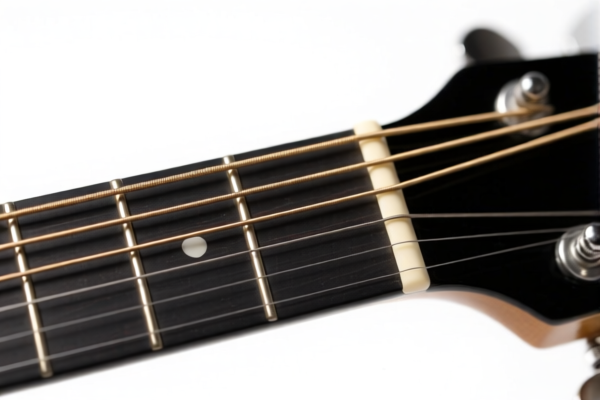
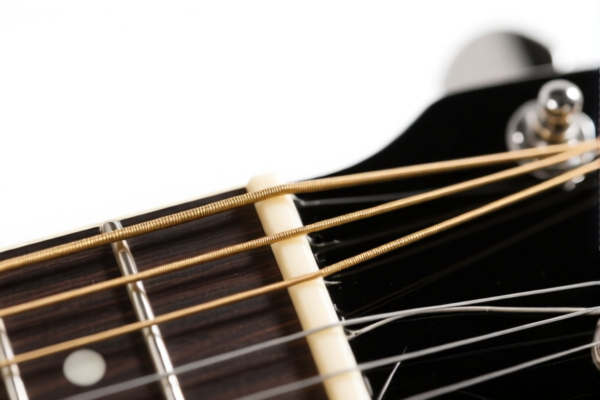
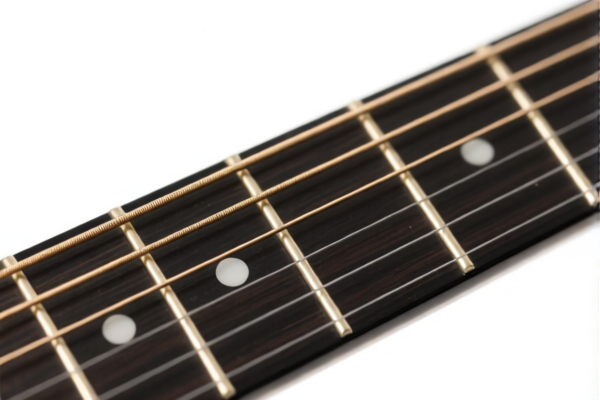
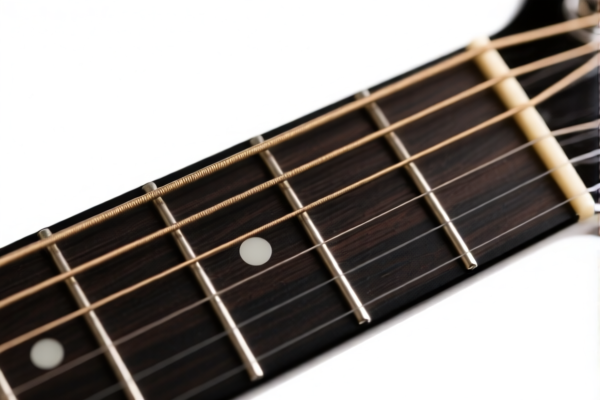
AI Analysis
🎸 Guitar Strings (Musical Instrument Accessories)
🌐 HS Code Reference & Customs Clearance Guide | 2026 Latest Tariff Analysis | Professional Entry Strategy
📌 I. Product Definition & Classification: Do You Really Know "Guitar Strings"?
Guitar strings are consumable accessories for stringed musical instruments. In international trade, the classification depends heavily on material composition and intended instrument type. They are generally not classified as "Musical Instruments" themselves, but as "Parts and Accessories" or distinct Articles of Plastics/Metals/Gut.
Key Distinctions:
- Steel/Nylon Strings for Guitars/Basses: Typically fall under Chapter 95 (Toys, Games, Sports Equipment) or Chapter 93 (Musical Instruments), specifically as parts/accessories.
- Raw Materials (Wire/Gut): If sold as raw spools for manufacturing, they might fall under Chapter 72 (Iron/Steel Wire) or Chapter 54 (Man-made Filaments).
- Specialty Strings: Gut strings for classical guitars or banjos may have different classifications than steel strings for electric guitars.
⚠️ Critical Classification Point:
- Most standard guitar strings (steel/nylon) are classified under 9504.90 (Other electrical appliances) or 9306.30 (Parts and accessories of other musical instruments) depending on specific national interpretations. However, the most common global standard for finished guitar strings is 9504.90.80 (Other parts of musical instruments) or specifically 9306.30.00 if considered strictly parts of a musical instrument.
- Note: The US HTSUS often classifies guitar strings under 9504.90.80 or 9306.30.00. Let's look at the detailed breakdown below.
📦 II. HS Code Classification Details (2026 Latest Tariff Authority Comparison)
| HS Code | Product Description | Applicable Scenario | Material/Type | Duty Rate (US, China Origin) |
|---|---|---|---|---|
9504.90.80 |
Other parts and accessories of musical instruments (excluding pianos, accordions) | Most electric/acoustic guitar strings (Steel, Nylon) | Composite (Steel Core + Nylon Wrap) | 0% (General) + 25% (Section 301) + 10% (IEEPA) = 35% |
9306.30.00 |
Parts and accessories of other musical instruments | Some jurisdictions classify all stringed instrument accessories here | Varies | 0% (General) + 25% (Section 301) + 10% (IEEPA) = 35% |
7314.31.00 |
Wire mesh of stainless steel (if sold as raw material, not finished strings) | Industrial wire, not consumer guitar strings | Stainless Steel | 0% (General) + 25% (Section 301) + 10% (IEEPA) = 35% |
5407.72.00 |
Woven fabrics of synthetic filaments (If sold as raw nylon thread for DIY) | Raw nylon thread, not wound strings | Synthetic Filament | 0% (General) + 25% (Section 301) + 10% (IEEPA) = 35% |
🔍 Key Reminder:
- Finished Strings: Must be classified as Musical Instrument Accessories (9504or9306). Do not classify as "wire" (7314) unless you are exporting raw wire spools, not consumer packs.
- Packaging: Strings sold in blister packs or boxes are considered "retail-ready" and must be classified as finished goods.
- Material Mix: Most guitar strings are steel core with nickel/silver/nylon winding. The "essential character" usually points to the metal component, but HTSUS Chapter 95 captures them as accessories.
💰 III. 2026 Latest Tariff Rate Breakdown (Including Surcharges & Policy Add-ons)
✅ Applicable Country: United States (US)
✅ Origin: China (CN)
✅ Effective Date: November 10, 2025 onwards (Including subsequent imports)
🎯 1. 9504.90.80 – Other Parts and Accessories of Musical Instruments (Most Common for Guitar Strings)
| Item | Details |
|---|---|
| Base Rate | 0% (ad valorem) |
| USITC Surcharge (Section 301) | +25% (Footnote 9903.88.01) |
| IEEPA Surcharge | +10% (For China/HK products, effective Nov 10, 2025) |
| Total Rate | 35% |
| Tax Calculation | CIF Value × 35% |
| De Minimis Eligibility | ❌ No (deny_de_minimis applies to Section 301 goods) |
| Legal Path | IEEPA:9903.01.25 → IEEPA:9903.01.24 → USITC:9504.90.80 → FOOTNOTE:9903.88.01 |
📌 Explanation:
- Although the base duty is 0%, the Section 301 and IEEPA surcharges significantly increase the cost.
- 35% is a high effective duty rate for a low-cost item. For a $10 pack of strings, you pay $3.50 in duties alone.
🎯 2. 9306.30.00 – Parts and Accessories of Other Musical Instruments
| Item | Details |
|---|---|
| Base Rate | 0% |
| USITC Surcharge (Section 301) | +25% |
| IEEPA Surcharge | +10% |
| Total Rate | 35% |
| Tax Calculation | CIF × 35% |
| De Minimis Eligibility | ❌ No |
| Legal Path | IEEPA:9903.01.25 → IEEPA:9903.01.24 → USITC:9306.30.00 → FOOTNOTE:9903.88.01 |
📌 Note:
- Some customs brokers may argue for9306instead of9504. However, the tariff burden is identical (35%).
- Ensure the description explicitly states "Guitar Strings" or "Musical Instrument Accessories" to avoid classification disputes.
🛠️ IV. Customs Clearance Practical Advice (Real-World Pitfall Guide)
✅ 1. Required Documentation Checklist (Non-negotiable)
| Document | Must Provide | Explanation |
|---|---|---|
| ✅ Commercial Invoice | ✔️ | Must clearly state "Guitar Strings" and HS Code 9504.90.80 |
| ✅ Packing List | ✔️ | Detail the number of packs, weight, and material composition |
| ✅ Product Description | ✔️ | e.g., "Steel Core, Nickel-Wound, Electric Guitar Strings, 10-46 Gauge" |
| ✅ Brand/Manufacturer Info | ✔️ | Include factory name and address (required for Section 301 traceability) |
| ✅ Country of Origin Label | ✔️ | Must be marked "Made in China" on the product or packaging |
✅ 2. Declaration Tips (Key Mantra)
🔥 "Finish Goods, Not Raw Wire; Chapter 95 is Key; Avoid 7314!"
| Scenario | Correct Declaration | Wrong Approach |
|---|---|---|
| Finished Strings (Packaged) | 9504.90.80 (Other Parts of Musical Instruments) |
Declaring as "Steel Wire" (7314) → Risk of fraud accusation |
| Raw Wire Spools (Industrial) | 7314.31.00 (Stainless Steel Wire) |
Declaring as "Guitar Strings" → Misclassification |
| Mixed Box (Strings + Picks) | Declare separately | Combining into one line → Classification error |
✅ 3. Special Cases Handling
| Situation | Handling Advice |
|---|---|
| OEM Strings | Provide letter of authorization from the brand owner to avoid IP issues |
| Sample Orders | Still subject to 35% duty if value exceeds de minimis threshold ($800) |
| Return Goods | Keep original entry documents for duty drawback claims if re-exported |
| High-End Gut Strings | May still fall under 9504.90.80, but verify material composition |
🌍 V. Global Major Market Comparison (2026 Latest)
| Country/Region | Recommended HS Code | Duty Rate (China) | Certification Requirements | Notes |
|---|---|---|---|---|
| 🇺🇸 USA | 9504.90.80 |
35% (0% + 25% + 10%) | None specific | High duty impact |
| 🇨🇳 China | 9504.90.80 |
0% | None | No surcharges |
| 🇪🇺 EU | 9504.90.80 |
0% | CE (if electronic effects included) | No surcharges |
| 🇬🇧 UK | 9504.90.80 |
0% | None | Post-Brexit rules apply |
| 🇯🇵 Japan | 9504.90.80 |
0% | PSE (if electronic) | Low duty |
📌 Conclusion:
- USA is the only major market with high surcharges (35%) for Chinese-made guitar strings.
- Supply Chain Strategy: Consider sourcing strings from Vietnam, Thailand, or Mexico to avoid IEEPA surcharges.
📌 VI. Common Mistakes & Pitfall Guide (Lessons Learned)
❌ Mistake 1: Declaring guitar strings as "Steel Wire" (7314)
👉 Consequence: Customs may flag as misdeclaration → Penalties + Back Duties!
❌ Mistake 2: Ignoring the "Made in China" label requirement
👉 Consequence: Goods held at border → Delays + Storage Fees!
❌ Mistake 3: Assuming de minimis ($800) applies
👉 Consequence: Section 301 goods do NOT qualify for de minimis → Full Duty Charged!
✅ Correct Approach:
"Guitar Strings, Steel Core with Nickel Winding, Retail Packaged, Model XYZ, Made in China, HS Code 9504.90.80"
🎯 VII. Conclusion: Professional Declaration, Cost Optimization!
🎯 Remember the Mantra:
🔹 "Finish Goods = Chapter 95; Raw Wire = Chapter 73; Don't Mix Them!"
🔹 "35% Duty is Real; Plan for It in Pricing!"
🔹 "De Minimis Does NOT Apply; Declare Everything!"
📌 Pro Tip:
If your guitar strings are originating from Vietnam, Thailand, or Malaysia, you may qualify for IEEPA Exemption, reducing the duty to 0%~5%.
Suggest Advance Ruling or consult a customs broker for Supply Chain Optimization.
📣 Immediate Action:
📞 Contact Professional Customs Broker + Provide Product Photos + Apply for HS Code Advance Ruling
🚀 Let your guitar strings clear smoothly, reduce costs, and boost profits!
✨ Professional Customs Clearance Starts with Accurate Classification!
💼 Every Penny of Duty Counted!
Customer Reviews
About HS Code Classification
The Harmonized System (HS) is an internationally standardized nomenclature developed by the World Customs Organization (WCO) to classify traded products. Over 200 countries use the HS system as the basis for customs tariffs, trade statistics, and import/export regulations.
Each HS code follows a hierarchical structure:
- Chapter (2 digits) — Broad category of goods (e.g., Chapter 84: Machinery and Mechanical Appliances)
- Heading (4 digits) — More specific grouping within the chapter
- Subheading (6 digits) — Internationally standardized breakdown, used by all WCO member countries
- National subdivisions (8-10 digits) — Country-specific extensions for further classification, such as US HTSUS 10-digit codes
Correct HS code classification is essential for smooth customs clearance, accurate duty payment, and compliance with trade regulations. Misclassification can lead to customs delays, overpayment of duties, or penalties.
When importing from CN to US, the applicable tariff rates may include:
- Most-Favored-Nation (MFN) rate — The standard duty rate applied to WTO members
- General rate — Applied to countries without trade agreements
- Trade remedy duties — Additional tariffs such as Section 301 (anti-dumping), Section 232 (national security), or countervailing duties
The information provided on this page is for reference purposes only. For official classification, please consult with your local customs authority or a licensed customs broker.