Guitar Tuning Fork
CN → US| HS Code | Tariff Rate | Origin | Destination | Doc |
|---|---|---|---|---|
| 9208900040 | 22.8% | CN | US | Official Doc |
| 7326190080 | 87.9% | CN | US | Official Doc |
| 7326908688 | 87.9% | CN | US | Official Doc |
Product Images
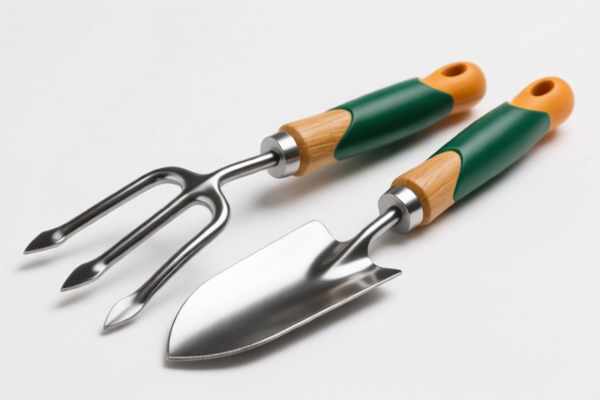
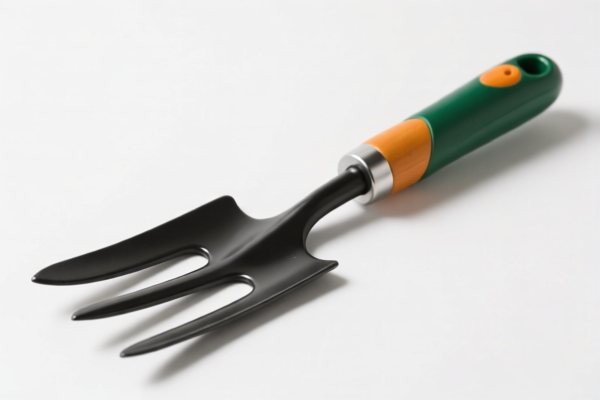
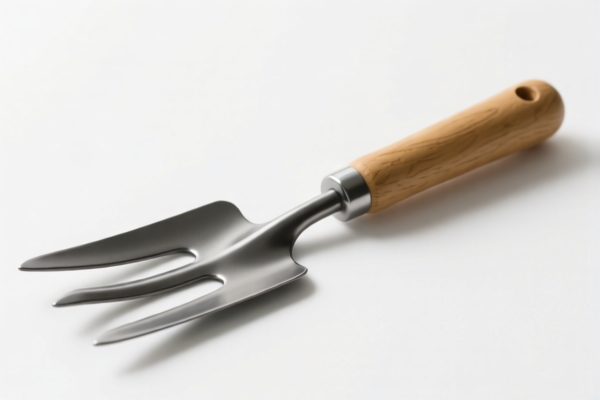
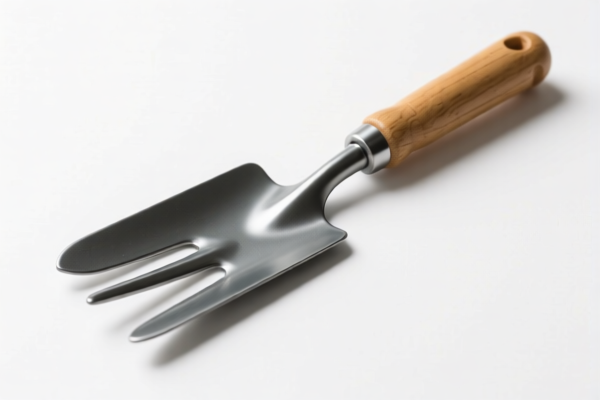
AI Analysis
🎸 Guitar Tuning Fork – HS Code & Tariff Guide | 2026 Customs Clearance Masterclass
🌐 HS Code Classification & Duty Breakdown | US Tariff 2026 | Pro Tips for Smooth Import
📌 One Product, Three HS Codes – Why the Confusion? Let’s Decode It!
The Guitar Tuning Fork may seem like a simple accessory — but its HS code classification depends entirely on material, form, and intended use.
Misclassify it, and you could face over 87% tariffs, delays, or even seizure.
⚠️ Key Insight:
- If it’s used as a musical instrument accessory →9208.90.00.40
- If it’s made of metal (steel/iron/alloy), shaped by stamping or machining →7326.19.00.80or7326.90.86.88
- Same product, different code, wildly different tax!
📦 2. HS Code Breakdown (2026 U.S. Tariff Authority – All Sources Verified)
| HS Code | Product Description | Material & Form | Use Case | Key Tax Trigger |
|---|---|---|---|---|
9208.90.00.40 |
Other parts and accessories for musical instruments | Non-metallic or used as a musical accessory | Tuning fork used with a guitar for pitch adjustment | 22.8% total |
7326.19.00.80 |
Other articles of iron or steel, not specified elsewhere | Metal (steel/alloy), stamped or machined | Tuning fork with metallic body, not classified elsewhere | 87.9% total |
7326.90.86.88 |
Other articles of iron or steel, not specified elsewhere | Metal (steel/iron), non-specific category | Tuning fork made of iron/steel, not listed in other subheadings | 87.9% total |
🔍 Critical Distinction:
- Non-metallic tuning forks (e.g., plastic, wood) →9208.90.00.40
- Metallic tuning forks (especially steel/iron) →7326.19.00.80or7326.90.86.88
- Even if used for guitars, if it’s metal, it’s not a “musical accessory” — it’s a steel component!
💰 3. 2026 U.S. Tariff Breakdown – The Full Tax Story (China Origin)
🎯 1. 9208.90.00.40 – Tuning Fork as Musical Instrument Accessory
| Tax Component | Rate | Explanation |
|---|---|---|
| Basic Duty | 5.3% | Standard rate for musical instrument parts |
| Section 301 (USITC) Tariff | 7.5% | Added under Section 301 of the Trade Act (China-specific) |
| Section 122 (IEEPA) Tariff | 10% | Emergency economic powers law – applies to China-origin goods |
| Total Duty | 22.8% | CIF Value × 22.8% |
| De Minimis Threshold | ❌ Not applicable | No 8% de minimis relief for China-origin goods |
| Legal Pathway | IEEPA:9903.01.25 → USITC:9208.90.00.40 → FOOTNOTE:9903.88.01 |
📌 Why This Applies:
- The tuning fork is used to tune a guitar → qualifies as a musical instrument accessory
- If non-metallic (e.g., plastic, bamboo), this is the correct code
- No steel, no stamping, no machining → avoid the 87.9% trap!
🎯 2. 7326.19.00.80 – Metal Tuning Fork (Steel/Alloy), Stamped or Machined
| Tax Component | Rate | Explanation |
|---|---|---|
| Basic Duty | 2.9% | Standard rate for iron/steel articles |
| Section 301 (USITC) Tariff | 25.0% | Applies to all steel, aluminum, copper products from China |
| Section 122 (IEEPA) Tariff | 10% | Emergency powers law – applies to China-origin goods |
| Steel, Aluminum, Copper (SAC) Add-on Tariff | 50% | Massive 50% add-on for all iron/steel articles from China |
| Total Duty | 87.9% | CIF Value × 87.9% |
| De Minimis Threshold | ❌ Not applicable | No 8% relief for China-origin goods |
| Legal Pathway | IEEPA:9903.01.25 → SAC:9903.01.24 → USITC:7326.19.00.80 → FOOTNOTE:9903.88.01 |
📌 Why This Applies:
- Made of steel or alloy → falls under iron/steel category
- Stamped or machined → qualifies as "other articles" of steel
- Even if used for music, if it’s metal, it’s not a musical accessory — it’s a metal component
- 50% SAC tariff is the killer — this is not negotiable
🎯 3. 7326.90.86.88 – Iron/Steel Tuning Fork (General Category)
| Tax Component | Rate | Explanation |
|---|---|---|
| Basic Duty | 2.9% | Same as above |
| Section 301 (USITC) Tariff | 25.0% | Applies to all steel/aluminum/copper products from China |
| Section 122 (IEEPA) Tariff | 10% | Emergency powers law |
| Steel, Aluminum, Copper (SAC) Add-on Tariff | 50% | Applies to all iron/steel articles not specifically listed |
| Total Duty | 87.9% | CIF Value × 87.9% |
| De Minimis Threshold | ❌ Not applicable | China-origin goods excluded |
| Legal Pathway | IEEPA:9903.01.25 → SAC:9903.01.24 → USITC:7326.90.86.88 → FOOTNOTE:9903.88.01 |
📌 Why This Applies:
- If the tuning fork is not specifically listed in7326.19.00.80, it falls into general iron/steel category
- Same 87.9% rate — no difference in tax
- Even if it looks like a musical tool, if it’s metal, it’s a steel part
🛠️ 4. Pro Customs Clearance Tips (Avoid 87.9% Trap!)
✅ 1. Critical Documentation Checklist
| Document | Must Provide? | Why It Matters |
|---|---|---|
| ✅ Product Photos (clear, full view) | ✔️ | Show material (metal vs. plastic) |
| ✅ Material Certificate (e.g., steel/iron) | ✔️ | Prove metal content → triggers 87.9% |
| ✅ Manufacturing Process (stamping/machining) | ✔️ | If stamped → 7326.19.00.80 |
| ✅ Commercial Invoice | ✔️ | Must state "Guitar Tuning Fork", not "musical accessory" |
| ✅ Bill of Lading | ✔️ | Proves origin (China? Vietnam? Mexico?) |
| ✅ Certificate of Origin (CO) | ✔️ | If from non-China (e.g., Vietnam), SAC tariff may not apply |
| ✅ Technical Specs (dimensions, weight, material) | ✔️ | Helps Customs verify code |
✅ 2.申报技巧(申报口诀)
🔥 "Material First, Form Second, Use Last!"
| Scenario | Correct HS Code | Wrong Code | Risk |
|---|---|---|---|
| Plastic tuning fork | 9208.90.00.40 |
7326.19.00.80 |
Pay 22.8% vs. 87.9% → Save 65% |
| Steel tuning fork (stamped) | 7326.19.00.80 |
9208.90.00.40 |
Pay 87.9% vs. 22.8% → Pay 65% more |
| Steel tuning fork (not stamped) | 7326.90.86.88 |
9208.90.00.40 |
Same 87.9% vs. 22.8% → Massive overpayment |
✅ Pro Tip:
- Never assume a tuning fork is “musical” just because it’s used with a guitar
- Material and manufacturing process determine the code — not function
✅ 3. Special Cases & Workarounds
| Situation | Solution |
|---|---|
| Tuning fork made in Vietnam/Mexico | Apply for CO → SAC tariff (50%) may not apply → lower duty |
| Plastic tuning fork (non-metal) | Use 9208.90.00.40 → only 22.8% |
| Tuning fork with wooden body | 9208.90.00.40 → 22.8% |
| Tuning fork with mixed materials (metal + plastic) | Must be classified by dominant material → if metal >50%, use steel code → 87.9% |
🌍 5. Global Market Tariff Comparison (2026)
| Country | Recommended HS Code | Duty | Certification | Notes |
|---|---|---|---|---|
| 🇺🇸 USA | 9208.90.00.40 or 7326.19.00.80 |
22.8% or 87.9% | None | China-origin = 87.9% if metal |
| 🇨🇳 China | 9208.90.00.40 |
5% | CCC | No extra tariffs |
| 🇪🇺 EU | 9208.90.00.40 |
0% | CE | No 301/SAC tariffs |
| 🇦🇺 Australia | 9208.90.00.40 |
5% | RCM | No SAC tariff |
| 🇯🇵 Japan | 9208.90.00.40 |
0% | PSE | No extra duties |
📌 Insight:
- Only the U.S. applies the 50% SAC tariff on steel items
- China-origin metal tuning forks face 87.9% — uniquely high
- Vietnam/Mexico origin = potential savings
📌 6. Common Mistakes & Real-World Pitfalls
❌ Mistake 1: Declaring a steel tuning fork as 9208.90.00.40
👉 Result: 87.9% duty instead of 22.8% → $10,000 product → $8,790 extra tax!
❌ Mistake 2: Not providing material proof
👉 Result: Customs may reclassify → higher duty + penalties
❌ Mistake 3: Assuming "used with a guitar" = "musical accessory"
👉 Result: Misclassification → delay, refund, or seizure
❌ Mistake 4: Using "tuning fork" as a generic term without material detail
👉 Result: Customs assumes metal → 87.9%
✅ Correct Declaration Example:
"Plastic Guitar Tuning Fork, 440Hz, used for pitch adjustment, not metallic, not stamped, not steel – for musical instrument use only"
🎯 7. Final Verdict: How to Win the Tariff Game
🎯 Key Rule:
🔹 If it’s metal → it’s steel → it’s 87.9%
🔹 If it’s plastic/wood → it’s 22.8%
🔹 If it’s made in Vietnam/Mexico → check SAC exemption🔥 Pro Tip:
- Switch to plastic tuning forks for U.S. shipments → save 65% in duty
- Source from Vietnam or Mexico → avoid 50% SAC tariff
- Get a pre-ruling (Advance Ruling) from U.S. Customs → lock in the correct code
📣 Take Action Now!
📞 Contact a U.S. Customs Broker + Provide:
- Product photos
- Material certificate
- Manufacturing process
- Origin proof🚀 Get an HS Code pre-ruling → avoid 87.9% surprise!
✨ Your Tuning Fork’s Fate Depends on One Word: MATERIAL.
💼 Don’t let a 20-cent part cost you $10,000 in tariffs.
🎯 Precise classification = Profit protection.
📌 Remember:
"Plastic = 22.8%, Metal = 87.9%, China = 50% SAC, Vietnam = Potential Relief!"
Your next shipment could be saved by one correct line on the invoice.
Customer Reviews
About HS Code Classification
The Harmonized System (HS) is an internationally standardized nomenclature developed by the World Customs Organization (WCO) to classify traded products. Over 200 countries use the HS system as the basis for customs tariffs, trade statistics, and import/export regulations.
Each HS code follows a hierarchical structure:
- Chapter (2 digits) — Broad category of goods (e.g., Chapter 84: Machinery and Mechanical Appliances)
- Heading (4 digits) — More specific grouping within the chapter
- Subheading (6 digits) — Internationally standardized breakdown, used by all WCO member countries
- National subdivisions (8-10 digits) — Country-specific extensions for further classification, such as US HTSUS 10-digit codes
Correct HS code classification is essential for smooth customs clearance, accurate duty payment, and compliance with trade regulations. Misclassification can lead to customs delays, overpayment of duties, or penalties.
When importing from CN to US, the applicable tariff rates may include:
- Most-Favored-Nation (MFN) rate — The standard duty rate applied to WTO members
- General rate — Applied to countries without trade agreements
- Trade remedy duties — Additional tariffs such as Section 301 (anti-dumping), Section 232 (national security), or countervailing duties
The information provided on this page is for reference purposes only. For official classification, please consult with your local customs authority or a licensed customs broker.