Gym Bag
CN → US| HS Code | Tariff Rate | Origin | Destination | Doc |
|---|---|---|---|---|
| 4202921500 | 41.3% | CN | US | Official Doc |
| 4202923316 | 52.6% | CN | US | Official Doc |
| 9506996080 | 21.5% | CN | US | Official Doc |
Product Images
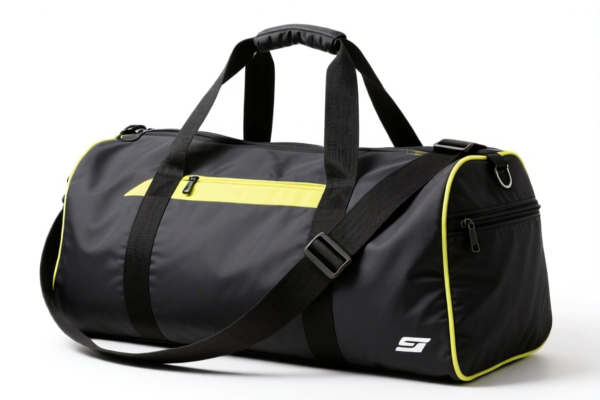

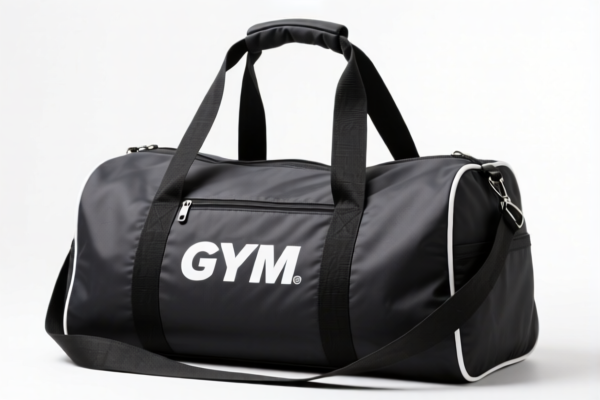
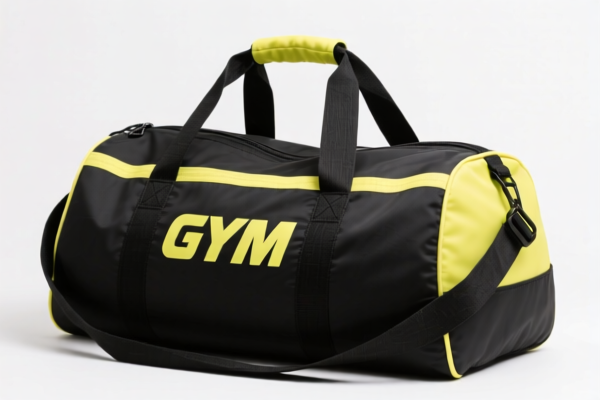
AI Analysis
👜 Gym Bag (Fitness & Travel Bags)
🌐 HS Code Reference & Customs Clearance Guide | 2026 Latest Tariff Analysis | Professional Clearance Strategy
📌 I. Product Definition & Classification: Do You Really Understand "Gym Bags"?
Gym bags, in the context of international trade, are categorized based on their material composition and specific function. They generally fall under Chapter 42 (Articles of Leather; Saddle and Harness Work; Travel Goods, Handbags...). However, the exact HS Code depends heavily on whether the bag is considered a general "travel item" or specifically "sports equipment," and crucially, what it is made of.
⚠️ Key Distinction Points:
- Material Matters: Is the outer surface Textile (Cotton)? If yes, it falls under 4202.92.
- Function vs. Material: Is it strictly for sports (Chapter 95) or a general bag (Chapter 42)?
- Origin Impact: For China-origin goods, additional tariffs (Section 301, IEEPA) significantly increase costs.
📦 II. HS Code Classification Details (2026 Latest Tariff Authority Comparison)
Based on the provided data, there are three possible classifications for a Cotton Gym Bag, leading to vastly different tax outcomes.
| HS Code | Product Description | Applicable Scenario | Key Feature |
|---|---|---|---|
| 4202.92.15.00 | Gym Bags, Sports & Similar Bags; Outer Surface of Textile Materials; Cotton | General Cotton Gym Bag | Cotton Textile |
| 4202.92.33.16 | Gym Bags, Travel, Sports & Similar Bags; Outer Surface of Textile Materials; Cotton | Specific Cotton Gym Bag Variant | Cotton Textile |
| 9506.99.60.80 | Gym Bags; Articles & Equipment for Physical Exercise; Cotton | Sports Equipment Classification | Considered "Sports Item" |
🔍 Critical Analysis:
- Chapters 4202 are for "Travel Goods, Handbags and Similar Containers." This is the standard classification for most duffels, gym bags, and weekender bags. - Chapter 9506 is for "Articles and Equipment for General Physical Exercise." While a gym bag is used for exercise, customs often classifies the bag itself as a container (4202) unless it is a specialized piece of equipment. However, as shown in the data, 9506.99.60.80 is a potential classification for cotton gym bags, likely interpreted as an accessory for sports. - Warning: Misclassification between 4202 (Bag) and 9506 (Sports Equipment) can lead to massive tax differences and customs delays.
💰 III. 2026 Latest Tariff Rate Breakdown (Including Surcharges)
✅ Applicable Country: United States (US)
✅ Origin: China (CN)
✅ Effective Date: Current tariffs apply (Section 301, IEEPA)
🎯 1. 4202.92.15.00 —— Gym Bag, Cotton, Sports Bag
| Item | Content |
|---|---|
| Base Tariff | 6.3% (Ad Valorem) |
| Section 301 Tariff | +25.0% (Retaliatory Tariff) |
| Section 122 Tariff | +10.0% (Trade Facilitation/Other) |
| Total Tax Rate | 41.3% |
| Tax Calculation | CIF Value × 41.3% |
| De Minimis Exemption | ❌ Not Applicable |
📌 Explanation:
- This classification treats the item as a standard textile bag.
- The 41.3% total rate is driven by the 25% Section 301 surcharge on Chinese textile/goods.
- This is a high-cost entry point but standard for general cotton bags.
🎯 2. 4202.92.33.16 —— Gym Bag, Cotton, Specific Sub-category
| Item | Content |
|---|---|
| Base Tariff | 17.6% (Ad Valorem) |
| Section 301 Tariff | +25.0% (Retaliatory Tariff) |
| Section 122 Tariff | +10.0% (Trade Facilitation/Other) |
| Total Tax Rate | 52.6% |
| Tax Calculation | CIF Value × 52.6% |
| De Minimis Exemption | ❌ Not Applicable |
📌 Warning:
- This is the most expensive classification.
- The base rate of 17.6% is significantly higher than the 6.3% for code .15.00.
- Total 52.6% makes this category commercially challenging unless the product has a very high margin.
- Reason: This specific sub-code may cover bags with specific features, linings, or construction details that attract a higher base duty.
🎯 3. 9506.99.60.80 —— Gym Bag as Sports Equipment
| Item | Content |
|---|---|
| Base Tariff | 4.0% (Ad Valorem) |
| Section 301 Tariff | +7.5% (Retaliatory Tariff) |
| Section 122 Tariff | +10.0% (Trade Facilitation/Other) |
| Steel/Aluminum/Copper Surcharges | +50% (If applicable) |
| Total Tax Rate | 21.5% (Standard) |
| Tax Calculation | CIF Value × 21.5% |
| De Minimis Exemption | ❌ Not Applicable |
📌 Explanation:
- This is the most favorable tax rate (21.5%) among the three options.
- The lower base rate (4.0%) and lower Section 301 rate (7.5%) reflect the classification as a "Sports Item" rather than a generic textile bag.
- ⚠️ Caution: The data mentions a +50% surcharge for Steel, Aluminum, and Copper products. Ensure your gym bag does not contain metal components (e.g., metal zippers, frames, or feet) that might trigger this clause, although typical fabric bags rarely fall under this.
- Strategic Advantage: If customs accepts the 9506 classification, you save nearly 20-30% compared to the other two codes.
🛠️ IV. Customs Clearance Practical Advice (Battle-Tested Pitfall Guide)
✅ 1. Document Preparation Checklist (Non-negotiable)
| Document | Required | Notes |
|---|---|---|
| ✅ Product Description | ✔️ | Must clearly state "Cotton Gym Bag," "Material: 100% Cotton," "Use: Sports/Fitness" |
| ✅ Material Composition | ✔️ | Detailed breakdown of outer fabric, lining, zippers, and handles |
| ✅ Product Photos | ✔️ | Show the bag from all angles, including tags, labels, and interior |
| ✅ Usage Explanation | ✔️ | Explain why it is considered a "Sports Item" (9506) vs. "Travel Bag" (4202) if targeting the lower rate |
| ✅ Commercial Invoice | ✔️ | Value must match the declared CIF strictly |
| ✅ Packing List | ✔️ | Accurate weight and dimensions |
✅ 2. Declaration Strategy (Key Mnemonic)
🔥 "Classify by Function, Not Just Form. Cotton Bags Can Be Sports Gear!"
| Scenario | Recommended HS Code | Estimated Rate | Why? |
|---|---|---|---|
| Standard Cotton Bag (General use) | 4202.92.15.00 |
41.3% | Safe, standard classification for textile bags. |
| Complex/Specialty Cotton Bag | 4202.92.33.16 |
52.6% | Avoid unless necessary; high base duty. |
| Specialized Sports Bag (Arguable) | 9506.99.60.80 |
21.5% | Best for Cost Savings. Requires strong argument that it's integral to sports equipment. |
✅ 3. Special Handling Tips
| Situation | Advice |
|---|---|
| Metal Zippers/Tags | Check if metal content exceeds thresholds for the 50% Steel/Aluminum surcharge under 9506. |
| OEM/Custom Orders | Provide design drawings to prove the "Sports Equipment" intent for 9506 classification. |
| Mixed Materials | If the bag has leather parts >50% by weight, it might move out of Chapter 42 entirely (into Chapter 42 again, but different sub-code). Ensure Cotton is the dominant outer material. |
| Customs Ruling | Highly Recommended: Apply for an Advance Ruling to confirm if 9506.99.60.80 is accepted for your specific bag design. This avoids post-clearance audits and penalties. |
🌍 V. Global Market Comparison (2026 Snapshot)
| Country/Region | Preferred HS Code | Est. Tariff (China Origin) | Notes |
|---|---|---|---|
| 🇺🇸 USA | 9506.99.60.80 |
21.5% | Lowest Rate. Aggressive classification saves money. |
| 🇺🇸 USA | 4202.92.15.00 |
41.3% | Standard fallback. |
| 🇪🇺 EU | 4202.92.90 | ~12% | No Section 301, but EU duties apply. |
| 🇨🇳 China | 4202.92.90 | ~5-10% | Import duties for foreign bags. |
📌 Conclusion:
- The US market is the most critical due to the Section 301 and IEEPA tariffs.
- Classification Strategy: Always attempt to justify the 9506 classification first to save 20%+ in taxes.
- Backup Plan: If 9506 is rejected,4202.92.15.00is the safer alternative to4202.92.33.16.
📌 VI. Common Errors & Pitfalls (Blood & Tears Lessons)
❌ Error 1: Declaring as 4202.92.33.16 without justification.
👉 Result: Paying 52.6% tax unnecessarily.
👉 Fix: Review if your bag fits the criteria for .15.00 (standard) or 9506 (sports).
❌ Error 2: Ignoring the 50% Steel/Aluminum Surcharges on 9506.
👉 Result: If your bag has significant metal hardware, you might face unexpected 50% additional duties on the metal content or the whole item if misinterpreted.
👉 Fix: Audit material composition.
❌ Error 3: Using vague terms like "Bag" or "Case."
👉 Result: Customs may assign their own code, leading to audits and penalties.
👉 Fix: Use precise terms: "Cotton Fabric Gym Bag for Fitness Equipment."
🎯 VII. Conclusion: Smart Classification, Lower Costs!
🎯 Remember the Motto:
🔹 "Sports Item Wins (21.5%), Standard Cotton Loses (41.3%), Complex Cotton Bleeds (52.6%)."
🔹 "Check Your Zippers! Metal Triggers 50% Penalty!"
🔹 "Advance Ruling is Your Best Friend!"
📌 Pro Tip:
If you are exporting to the US, strongly consider applying for a Customs Ruling from CBP to classify your Cotton Gym Bag under 9506.99.60.80. The potential savings of 20-30% on the total duty rate are significant and worth the administrative effort.
📣 Immediate Action:
📞 Contact your Customs Broker: Provide product photos and material specs.
📝 Request: A preliminary classification analysis targeting9506.99.60.80.
🚀 Optimize your supply chain to minimize tariff impact.
✨ Professional Clearance Starts with Precise Classification!
💼 Every Percent Saved is Pure Profit!
Customer Reviews
About HS Code Classification
The Harmonized System (HS) is an internationally standardized nomenclature developed by the World Customs Organization (WCO) to classify traded products. Over 200 countries use the HS system as the basis for customs tariffs, trade statistics, and import/export regulations.
Each HS code follows a hierarchical structure:
- Chapter (2 digits) — Broad category of goods (e.g., Chapter 84: Machinery and Mechanical Appliances)
- Heading (4 digits) — More specific grouping within the chapter
- Subheading (6 digits) — Internationally standardized breakdown, used by all WCO member countries
- National subdivisions (8-10 digits) — Country-specific extensions for further classification, such as US HTSUS 10-digit codes
Correct HS code classification is essential for smooth customs clearance, accurate duty payment, and compliance with trade regulations. Misclassification can lead to customs delays, overpayment of duties, or penalties.
When importing from CN to US, the applicable tariff rates may include:
- Most-Favored-Nation (MFN) rate — The standard duty rate applied to WTO members
- General rate — Applied to countries without trade agreements
- Trade remedy duties — Additional tariffs such as Section 301 (anti-dumping), Section 232 (national security), or countervailing duties
The information provided on this page is for reference purposes only. For official classification, please consult with your local customs authority or a licensed customs broker.