Hair Band
CN → US| HS Code | Tariff Rate | Origin | Destination | Doc |
|---|---|---|---|---|
| 6217101010 | 19.8% | CN | US | Official Doc |
| 6117802000 | 18.7% | CN | US | Official Doc |
| 6117808500 | 32.1% | CN | US | Official Doc |
| 9615114000 | 15.3% | CN | US | Official Doc |
| 9615196000 | 21.0% | CN | US | Official Doc |
| 6217108500 | 24.6% | CN | US | Official Doc |
Product Images
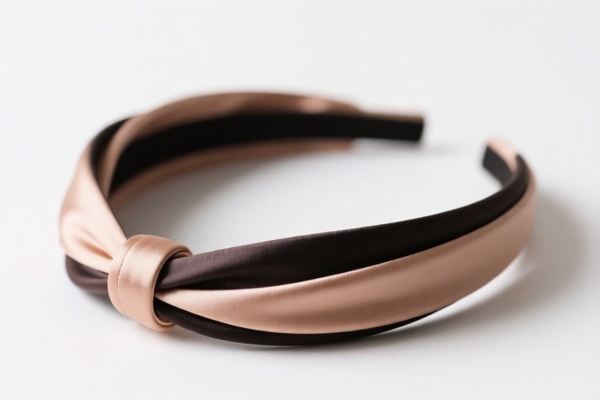
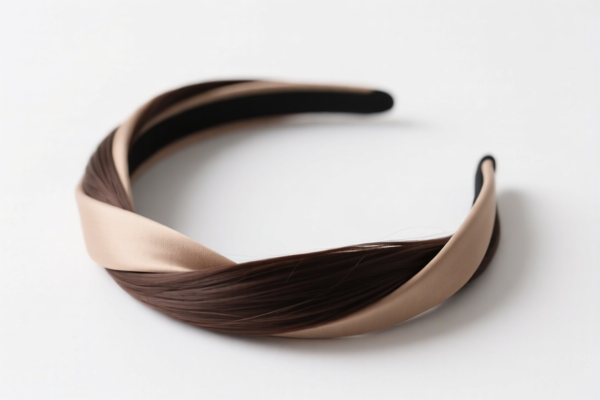


AI Analysis
🎀 Hair Band (Hairbands, Scrunchies & Similar Items)
🌐 HS Code Reference & Customs Clearance Guide | 2026 Latest Tariff Analysis | Professional通关Strategy
📌 I. Product Definition & Classification: Do You Really Understand "Hair Bands"?
In the global accessories market, "Hair Bands" are not a single uniform category. They are subdivided based on material composition (knitted vs. woven vs. plastic) and function (headbands vs. scrunchies vs. clips). Misclassification is the #1 cause of customs delays for this product category.
⚠️ Critical Distinction Points:
- Material Matters: Is it knitted/crocheted (Chapter 61), woven/fabric (Chapter 62), or plastic/rubber (Chapter 96)? - Form Factor: Is it a headband (worn on the head) or a scrunchie/tie (used to tie hair)? - Decorations: Does it contain artificial gemstones? (This changes the HS code entirely).
📦 II. HS Code Classification Details (2026 Latest Tariff Reference)
Based on the provided data, here are the 6 potential classifications for Hair Bands with their corresponding tax logic:
| HS Code | Product Description | Material/Type | Summary Logic | Total Tax Rate |
|---|---|---|---|---|
6217.10.10.10 |
Woven Fabric Headbands / Scrunchies | Fabric (Possibly Silk) | Matches "Hairbands, headbands & similar items" exactly. | 19.8% |
6117.80.20.00 |
Knitted/Crocheted Accessories | Knitted/Fabric | Classed as "Other made-up clothing accessories." | 18.7% |
6117.80.85.00 |
Knitted/Crocheted Headbands/Clips | Knitted/Crocheted | Specific to "Headbands, hair-clips & similar." | 32.1% |
9615.11.40.00 |
Plastic/Hard Rubber Hair Accessories | Plastic/Rubber | "Combs, hair-slides & similar," no gemstones. | 15.3% |
9615.19.60.00 |
Mixed Material Hair Clips | Fabric OR Plastic | "Other combs/hair-slides." | 21.0% |
6217.10.85.00 |
Other Woven Accessories | Fabric (Garment Accessory) | Matches "Hairbands, hair-clips & similar" (Garment category). | 24.6% |
🔍 Key Takeaway:
- Knitted items often face higher base duties (up to 14.6% for6117.80.85.00) compared to simple fabric accessories (6117.80.20.00).
- Plastic items generally enjoy the lowest base duty (5.3%) but are sensitive to material declarations.
- Silk content (if present) in6217.10.10.10must be declared, as it may affect valuation but not the code logic provided.
💰 III. 2026 Latest Tariff Rate Breakdown (Detailed Policy Analysis)
✅ Applicable Market: United States (US)
✅ Country of Origin: China (CN)
✅ Effective Date: 2025-2026 (Including Section 301 & IEEPA measures)
🎯 1. 6217.10.10.10 —— Woven Fabric Headbands (Silk Possible)
| Item | Content |
|---|---|
| Base Duty | 2.3% |
| Section 301 (Add-on) | +7.5% (Targeted US import surcharge) |
| IEEPA (China Add-on) | +10.0% (Executive Order 13936/14047) |
| Total Duty | 19.8% |
| De Minimis Exemption? | ❌ NO (Subject to full Section 301) |
| Legal Path | USITC:6217.10.10.10 → Section 301:7.5% → IEEPA:10% |
📌 Explanation:
- This code is for woven hair accessories. The low base duty (2.3%) is offset significantly by the 301 and IEEPA tariffs.
- Silk Warning: If the product is 100% silk, ensure the "Silk" content is documented to avoid misclassification into higher-taxed synthetic categories.
🎯 2. 6117.80.20.00 —— Knitted/Crocheted General Accessories
| Item | Content |
|---|---|
| Base Duty | 1.2% |
| Section 301 (Add-on) | +7.5% |
| IEEPA (China Add-on) | +10.0% |
| Total Duty | 18.7% |
| De Minimis Exemption? | ❌ NO |
| Legal Path | USITC:6117.80.20.00 → Section 301:7.5% → IEEPA:10% |
📌 Explanation:
- Best for knitted scrunchies or elastic bands.
- Optimization Tip: This is the lowest total tax (18.7%) among the fabric options due to the lowest base duty.
🎯 3. 6117.80.85.00 —— Knitted/Crocheted Headbands & Clips
| Item | Content |
|---|---|
| Base Duty | 14.6% |
| Section 301 (Add-on) | +7.5% |
| IEEPA (China Add-on) | +10.0% |
| Total Duty | 32.1% |
| De Minimis Exemption? | ❌ NO |
| Legal Path | USITC:6117.80.85.00 → Section 301:7.5% → IEEPA:10% |
📌 CRITICAL WARNING:
- This code carries the HIGHEST tariff (32.1%).
- This applies specifically to knitted headbands or hair-clips made of knit fabric.
- Strategy: If possible, design these as woven (6217.10...) or plastic (9615.11...) to save 10-15% in duty.
🎯 4. 9615.11.40.00 —— Plastic/Hard Rubber Hair Accessories
| Item | Content |
|---|---|
| Base Duty | 5.3% |
| Section 301 (Add-on) | 0.0% |
| IEEPA (China Add-on) | +10.0% |
| Total Duty | 15.3% |
| De Minimis Exemption? | ✅ YES (For de minimis shipments, but note 301 may still apply for larger volumes) |
| Legal Path | USITC:9615.11.40.00 → IEEPA:10% |
📌 Explanation:
- Best Value Code: Plastic headbands/clips avoid Section 301 (7.5%) surcharge entirely.
- Condition: Must NOT contain artificial gemstones or pearls (those fall under different, higher codes).
🎯 5. 9615.19.60.00 —— Mixed Fabric/Plastic Clips
| Item | Content |
|---|---|
| Base Duty | 11.0% |
| Section 301 (Add-on) | 0.0% |
| IEEPA (China Add-on) | +10.0% |
| Total Duty | 21.0% |
| De Minimis Exemption? | ❌ NO (Base duty is high) |
| Legal Path | USITC:9615.19.60.00 → IEEPA:10% |
📌 Explanation:
- Used when the material is a mix or doesn't fit the specific "Plastic" or "Metal" sub-codes.
- Higher than Pure Plastic: The base duty (11.0%) is significantly higher than the 5.3% for pure plastic.
🎯 6. 6217.10.85.00 —— Other Woven Accessories
| Item | Content |
|---|---|
| Base Duty | 14.6% |
| Section 301 (Add-on) | 0.0% |
| IEEPA (China Add-on) | +10.0% |
| Total Duty | 24.6% |
| De Minimis Exemption? | ❌ NO |
| Legal Path | USITC:6217.10.85.00 → IEEPA:10% |
📌 Explanation:
- This is a "catch-all" for woven accessories not listed in6217.10.10.10.
- Avoidance Strategy: If your product fits6217.10.10.10(woven fabric headbands), use that instead to save 5.7% in total duty (19.8% vs 24.6%).
🛠️ IV. Customs Clearance Practical Advice (Avoiding Pitfalls)
✅ 1. Material Declaration Checklist (Must-Have)
| Document | Requirement | Why it Matters |
|---|---|---|
| Material Composition Label | Must specify % Cotton, Polyester, Nylon, Silk, or Plastic | Determines Chapter 61 vs 62 vs 96. |
| Knitted vs. Woven Proof | Provide fabric weave sample or photo | 6117 (Knit) vs 6217 (Woven) changes tax from 18.7% to 24.6%. |
| Plastic Type Declaration | "Hard Rubber" or "Plastic" only | Avoids 9615.11.40.00 from being misclassified as higher-taxed 9615.19.60.00. |
| Gemstone Declaration | ZERO artificial gems allowed for 9615.11.40.00 |
Gems trigger different codes and higher duties. |
✅ 2.申报技巧 (Declaration Tactics)
🔥 Golden Rule: "Know your Fiber, Know your Duty!"
| Scenario | Correct Declaration | Mistake to Avoid |
|---|---|---|
| Knitted Scrunchie | 6117.80.20.00 (Total 18.7%) |
Using 6117.80.85.00 → 32.1% (Overpay 13.4%) |
| Plastic Headband | 9615.11.40.00 (Total 15.3%) |
Using 9615.19.60.00 → 21.0% (Overpay 5.7%) |
| Woven Silk Band | 6217.10.10.10 (Total 19.8%) |
Using 6217.10.85.00 → 24.6% (Overpay 4.8%) |
| Knitted Headband | Verify if it can be "Woven" | If forced to 6117.80.85.00, expect 32.1% |
✅ 3. Special Situations
| Situation | Action |
|---|---|
| Mixed Materials (e.g., Fabric + Plastic) | Declare as "Plastic" (9615) if plastic > 50% by weight, OR "Fabric" if fabric dominates. Check tariff hierarchy. |
| OEM/Custom Design | Ensure the description matches the "Hair Band" definition in the HTSUS. |
| Sample/De Minimis | Plastic items (9615.11.40.00) may qualify for de minimis thresholds, but Section 301 still applies for larger commercial shipments. |
🌍 V. Global Market Comparison (2026)
| Market | Recommended HS Code | Base Duty | Additional (US Only) | Total Est. |
|---|---|---|---|---|
| 🇺🇸 USA | 9615.11.40.00 |
5.3% | +10% (IEEPA) | 15.3% |
| 🇺🇸 USA | 6117.80.20.00 |
1.2% | +7.5% (301) +10% (IEEPA) | 18.7% |
| 🇺🇸 USA | 6117.80.85.00 |
14.6% | +7.5% (301) +10% (IEEPA) | 32.1% |
| 🇪🇺 EU | 6117.80.20.00 |
~4-6% | 0% (No Section 301) | ~6% |
| 🇯🇵 Japan | 9615.11.40.00 |
0% | 0% | 0% |
📌 Conclusion:
- USA is the most expensive market due to the 10% IEEPA + 7.5% Section 301 surcharges on fabric items.
- Plastic items (9615) are the most tariff-efficient in the US as they avoid the 301 surcharge.
- Knitted Headbands (6117.80.85.00) are the "Tax Trap" – ensure they are not classified here unless absolutely necessary.
📌 VI. Common Errors & Pitfalls (Learn from Others' Mistakes)
❌ Mistake 1: Confusing Knitted vs. Woven
👉 Result: Classifying a knitted headband as 6217 (Woven) saves 15% but risks rejection because the structure doesn't match.
✅ Fix: Use fabric swatches to prove weave type.
❌ Mistake 2: Ignoring "Artificial Gems"
👉 Result: Declaring 9615.11.40.00 (Plastic) for a band with rhinestones.
✅ Fix: If gems are present, code changes to 9615.19... or 9606... with different duties.
❌ Mistake 3: "One Size Fits All" Declaration
👉 Result: Shipping 6117.80.85.00 (32.1%) when the product could be 6117.80.20.00 (18.7%).
✅ Fix: Analyze every SKU's material and function.
❌ Mistake 4: Missing Silk Content
👉 Result: For 6217.10.10.10, if silk is >10%, it might trigger higher textile quotas or different valuation.
✅ Fix: Declare exact fiber content on the invoice.
🎯 VII. Conclusion: Strategic Shipping for Maximum Profit
🎯 Remember the Strategy:
🔹 "Plastic wins the war: 15.3% vs 32.1%!"
🔹 "Knitted Headbands are the Tax Trap – Avoid6117.80.85.00if possible."
🔹 "Woven is better than Knitted Accessories: 19.8% vs 32.1%."
📌 Pro Tip:
If you can switch your supply chain to Plastic-based hair bands or Woven fabric bands, you can save 13-17% in duty costs compared to Knitted Headbands in the US market.
📣 Immediate Action Plan:
📞 Consult a Customs Broker: Provide photos of the knit structure or weave pattern.
📝 Update Product Specifications: Clearly state "Plastic," "Knitted," or "Woven" on every packing list.
🚀 Optimize Your HS Codes: Audit your current SKUs against the 6 codes above.
✨ Professional Classification, Precision Shipping, Profit Protection!
💼 Every 1% of tariff saved is pure profit!
Customer Reviews
About HS Code Classification
The Harmonized System (HS) is an internationally standardized nomenclature developed by the World Customs Organization (WCO) to classify traded products. Over 200 countries use the HS system as the basis for customs tariffs, trade statistics, and import/export regulations.
Each HS code follows a hierarchical structure:
- Chapter (2 digits) — Broad category of goods (e.g., Chapter 84: Machinery and Mechanical Appliances)
- Heading (4 digits) — More specific grouping within the chapter
- Subheading (6 digits) — Internationally standardized breakdown, used by all WCO member countries
- National subdivisions (8-10 digits) — Country-specific extensions for further classification, such as US HTSUS 10-digit codes
Correct HS code classification is essential for smooth customs clearance, accurate duty payment, and compliance with trade regulations. Misclassification can lead to customs delays, overpayment of duties, or penalties.
When importing from CN to US, the applicable tariff rates may include:
- Most-Favored-Nation (MFN) rate — The standard duty rate applied to WTO members
- General rate — Applied to countries without trade agreements
- Trade remedy duties — Additional tariffs such as Section 301 (anti-dumping), Section 232 (national security), or countervailing duties
The information provided on this page is for reference purposes only. For official classification, please consult with your local customs authority or a licensed customs broker.