Hair Band Set
CN → US| HS Code | Tariff Rate | Origin | Destination | Doc |
|---|---|---|---|---|
| 6217101010 | 19.8% | CN | US | Official Doc |
| 6117808500 | 32.1% | CN | US | Official Doc |
| 6117802000 | 18.7% | CN | US | Official Doc |
| 9615196000 | 21.0% | CN | US | Official Doc |
| 9615114000 | 15.3% | CN | US | Official Doc |
Product Images
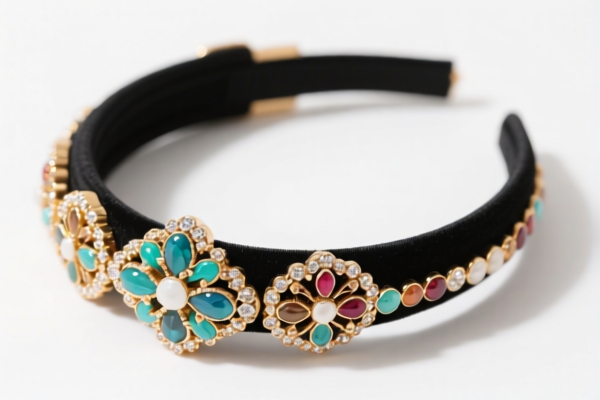
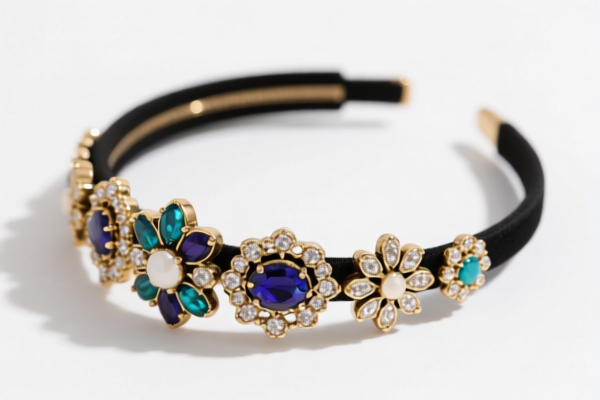
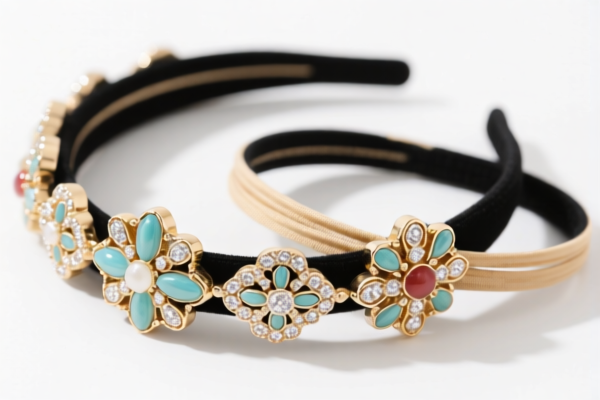
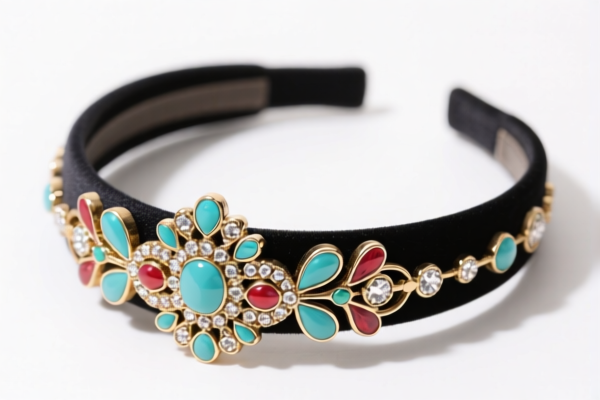
AI Analysis
🎀 Hair Band Set: The Ultimate Import & Customs Guide (2026 Update)
🌐 HS Code Reference & Customs Strategy | Latest Tariff Analysis | Professional Clearance Strategy
📌 I. Product Definition & Classification: What Exactly is a "Hair Band"?
In the complex world of international trade, "Hair Band" is not a single, monolithic product. It is a broad category that splits into significantly different tariff treatments based on material, construction, and function. A "Set" implies multiple items, but Customs typically classifies based on the essential character of the goods or requires separate classification if components are distinct.
Hair bands generally fall into two main buckets: 1. Apparel Accessories (Textiles/Knits): Fabric headbands, knitted ponytail holders, elastic bands made of cloth/spandex. These are often viewed as "parts of apparel" or "accessories." 2. Personal Care/Ornamental Articles (Plastic/Rubber/Other): Plastic clips, rigid headbands, rubber bands, and decorative hair jewelry. These are viewed as "miscellaneous manufactured articles" or "personal ornaments."
⚠️ Critical Distinction:
- If the item is knitted, crocheted, or woven fabric (e.g., a scrunchie or a soft headband) → It is likely Chapter 61 (Knitted/Crocheted) or Chapter 62 (Non-Knitted Textiles).
- If the item is plastic, metal, or rigid rubber (e.g., claw clips, plastic headbands) → It is likely Chapter 96 (Miscellaneous Manufactured Articles).
📦 II. HS Code Classification Matrix (2026 Latest Tariff Data)
Based on the provided data, here are the four potential HS Codes for "Hair Band Sets," depending on the specific material and construction of the items in the set.
| HS Code | Product Description & Material | Classification Logic |
|---|---|---|
| 6217.10.10.10 | Hair Accessories: Hair bands, ponytail holders, etc., possibly containing silk components. | Classified under Chapter 62 (Other made-up clothing accessories) because it is a made-up textile article, potentially including silk. |
| 6117.80.85.00 | Hair Accessories: Headbands, ponytail clips, etc., made of knitted or crocheted fabric. | Classified under Chapter 61 (Knitted/Crocheted apparel accessories) because the primary material is knit/crochet. |
| 6117.80.20.00 | Hair Accessories: Apparel accessories made of woven fabric/knitted. | Classified under Chapter 61 (Knitted/Crocheted apparel accessories) – generic textile headwear/accessories. |
| 9615.19.60.00 | Hair Accessories: Hair ornaments/decorations, material is fabric or plastic. | Classified under Chapter 96 (Miscellaneous manufactured articles) – specifically "combs, hair-slides, etc." when it includes non-apparel decorative elements or mixed materials not strictly apparel. |
| 9615.11.40.00 | Hair Accessories: Hair ornaments, material is plastic or hard rubber. | Classified under Chapter 96 (Miscellaneous manufactured articles) – specifically for rigid plastic or rubber hair slides/ornaments. |
🔍 Key Insight for "Sets":
- If your "Set" contains mixed materials (e.g., 3 plastic clips + 2 fabric scrunchies), US Customs may classify the entire set under the heading that gives it its essential character.
- Often, plastic/rigid items (Ch 96) are considered the "essential character" if they are the primary functional item, but if the set is dominated by soft textile headbands, Ch 61/62 applies.
- Do not split the set unless instructed by Customs; declare one HS Code that covers the majority/value of the goods.
💰 III. 2026 Tariff Rate Breakdown (Detailed Tax Analysis)
✅ Applicable Country: United States (US)
✅ Country of Origin: China (CN)
✅ Effective Date: Tariffs reflect current USITC & USTR enforcement (including Section 301 & 122 Measures).
🎯 1. 6217.10.10.10 – Silk/Textile Hair Accessories (Chapter 62)
| Item | Details |
|---|---|
| Base Tariff | 2.3% |
| Section 301 / Retaliatory Tariff | 7.5% |
| Section 122 Tariff | 10.0% |
| Total Effective Tax Rate | 19.8% |
| De Minimis Eligibility | ❌ No (Value > $800 usually requires formal entry; under $800, still subject to high duties if not de minimis eligible for Chinese origin). Note: Many 301/122 items are excluded from de minimis. |
| Legal Authority | USITC Heading 6217 + USTR Section 301 List + Section 122 Executive Order |
📌 Explanation:
- This code is for made-up textile accessories.
- The 19.8% total is the sum of the Base Rate (2.3%), the Add-on Tariff (7.5%), and the Specific 122 Tariff (10%).
- Risk: High scrutiny on "silk" content. If it's polyester, you might be misclassified. Ensure material composition matches the description.
🎯 2. 6117.80.85.00 – Knitted/Crocheted Hair Accessories (Chapter 61)
| Item | Details |
|---|---|
| Base Tariff | 14.6% |
| Section 301 / Retaliatory Tariff | 7.5% |
| Section 122 Tariff | 10.0% |
| Total Effective Tax Rate | 32.1% |
| De Minimis Eligibility | ❌ No |
| Legal Authority | USITC Heading 6117 + USTR Section 301 List + Section 122 Executive Order |
📌 Explanation:
- This is the highest tax rate in the provided data.
- Knitted/crocheted apparel accessories are taxed heavily because they compete with domestic textile manufacturing.
- Strategy: If your product is 50% knit and 50% plastic, consider if shifting the essential character to Chapter 96 (lower total tax of 15.3-21%) is viable.
🎯 3. 6117.80.20.00 – Generic Woven/Knitted Textile Accessories (Chapter 61)
| Item | Details |
|---|---|
| Base Tariff | 1.2% |
| Section 301 / Retaliatory Tariff | 7.5% |
| Section 122 Tariff | 10.0% |
| Total Effective Tax Rate | 18.7% |
| De Minimis Eligibility | ❌ No |
| Legal Authority | USITC Heading 6117 + USTR Section 301 List + Section 122 Executive Order |
📌 Explanation:
- This is the most cost-effective textile classification.
- It applies to general woven/knitted fabric accessories that don't contain silk or are not specifically "headbands/ponytail clips" under the more specific 85 subheading.
- Caution: Must ensure the product doesn't fit the more specific6117.80.85.00description (e.g., if it's explicitly a "headband," it might be pushed to the 32.1% rate).
🎯 4 & 5. Plastic/Rubber/Hard Material Hair Accessories (Chapter 96)
A. 9615.19.60.00 – Mixed Material (Fabric/Plastic) Hair Ornaments
| Item | Details |
|---|---|
| Base Tariff | 11.0% |
| Section 301 / Retaliatory Tariff | 0.0% |
| Section 122 Tariff | 10.0% |
| Total Effective Tax Rate | 21.0% |
| De Minimis Eligibility | ❌ No |
| Legal Authority | USITC Heading 9615 + Section 122 Tariff (No Section 301 add-on for this specific subheading in this dataset) |
B. 9615.11.40.00 – Plastic/Hard Rubber Hair Ornaments
| Item | Details |
|---|---|
| Base Tariff | 5.3% |
| Section 301 / Retaliatory Tariff | 0.0% |
| Section 122 Tariff | 10.0% |
| Total Effective Tax Rate | 15.3% |
| De Minimis Eligibility | ❌ No |
| Legal Authority | USITC Heading 9615 + Section 122 Tariff |
📌 Explanation:
- Chapter 96 items generally have lower total tariffs because the Section 301 (7.5%) does not apply to these specific subheadings in this data set, only the Section 122 (10%).
-9615.11.40.00(15.3%) is the cheapest option for purely plastic/rubber hair bands.
- Key Advantage: If your "Hair Band Set" is mostly plastic clips or hard rubber headbands, classify here to save ~17% compared to knitted items.
🛠️ IV. Customs Clearance Practical Advice (Avoiding Pitfalls)
✅ 1. Essential Documentation Checklist
| Document | Requirement | Why It Matters |
|---|---|---|
| Product Photo | ✔️ Required | Must clearly show material (textile vs. plastic) and construction. |
| Bill of Materials | ✔️ Required | Breakdown of % cotton, polyester, plastic, metal. Crucial for Ch 61 vs. Ch 96. |
| Commercial Invoice | ✔️ Required | Must state "Hair Band Set" and list each item if separate HS codes are used. |
| Country of Origin | ✔️ Required | Must declare China (CN) if manufactured there to apply these specific tariffs. |
| Set Composition Statement | ✔️ Recommended | "Set consists of 5 plastic clips and 3 fabric scrunchies." Helps CBP determine essential character. |
✅ 2. Classification Strategy for "Sets"
🔥 Rule of Thumb:
"Essential Character Rules Apply. Check the Value & Function."
| Scenario | Recommended Classification | Reason |
|---|---|---|
| Set is 90% Plastic Clips | 9615.11.40.00 (15.3%) |
Plastic defines the set's character and function. |
| Set is 90% Fabric Headbands | 6117.80.20.00 (18.7%) |
Textile defines the set. Avoid 6117.80.85.00 if possible (32.1%). |
| Set is 50/50 Split | Consult Customs | Likely split value-weighted or deemed "mixed." May need separate line items. |
| Contains Silk Components | 6217.10.10.10 (19.8%) |
Silk content triggers specific textile subheading. |
✅ 3. Special Considerations for Section 122 Tariffs
📌 Note: The 10% Section 122 Tariff applies to all the HS codes listed above. This is a specific trade remedy measure.
- There is no exemption for these items under Section 122 based on the provided data.
- Plan your pricing with this 10% fixed cost in mind, regardless of whether you choose Chapter 61 or 96.
🌍 V. Global Market Comparison (2026)
| Market | Preferred HS Code | Estimated Total Duty (China Origin) | Key Requirement |
|---|---|---|---|
| 🇺🇸 USA | 9615.11.40.00 or 6117.80.20.00 |
15.3% (Plastic) to 18.7% (Textile) | Section 301/122 apply. No De Minimis for most. |
| 🇨🇳 China | 9615 / 6117 | Varies (5-10%) | No US-style retaliatory tariffs. |
| 🇪🇺 EU | 9615 / 6117 | 4-12% | No Section 122/301. CE marking if applicable. |
| 🇬🇧 UK | 9615 / 6117 | 4-12% | Post-Brexit tariffs similar to EU. |
📌 Conclusion:
- The US is the most expensive market for hair bands due to Section 301 and 122 tariffs.
- Plastic/Rubber (Ch 96) is significantly cheaper to import into the US than Knitted Textiles (Ch 61).
📌 VI. Common Errors & Pitfalls (Learn from Mistakes)
❌ Error 1: Classifying plastic hair clips as textile accessories (6217.10.10.10)
👉 Consequence: You pay 19.8% instead of 15.3%.
👉 Fix: Ensure HS Code matches the primary material.
❌ Error 2: Declaring a "Hair Band Set" as a single item without detailing components
👉 Consequence: CBP may reject the entry or force a re-classification based on the highest-value item.
👉 Fix: Provide a line-item breakdown on the invoice.
❌ Error 3: Assuming De Minimis ($800) applies to all shipments
👉 Consequence: If the HS code is subject to Section 301/122 and excluded from de minimis, the shipment will be held, and duties assessed.
👉 Fix: Verify De Minimis eligibility for each HS Code. (Most textile/plastic accessories from China are not eligible for de minimis exemption from Section 301/122 duties).
❌ Error 4: Ignoring Section 122 Tariff
👉 Consequence: Underpaying duties by 10%.
👉 Fix: Always add 10% to the base + 301 rate for these HS Codes.
🎯 VII. Conclusion: Smart Sourcing & Clearing
🎯 Key Takeaway:
🔹 For Pure Plastic/Rubber: Use
9615.11.40.00→ 15.3% Total Tax.
🔹 For Textile/Fabric: Use6117.80.20.00→ 18.7% Total Tax (Avoid6117.80.85.00at 32.1% if possible).
🔹 For Silk Mix: Use6217.10.10.10→ 19.8% Total Tax.
📌 Pro Tip:
If you are importing sets, try to design the set so that the primary item (by value or function) falls into the lowest tax bracket (Plastic/Ch 96). If you must include textiles, ensure they are generic woven fabric (6117.80.20.00) rather than specific "knitted headbands" (6117.80.85.00).
📣 Action Plan:
1. Identify Material: Is it plastic, knit, or woven?
2. Select HS Code: Use the matrix above.
3. Calculate Duty: Add Base + 7.5% (if 301 applies) + 10% (122).
4. Document: Provide photos and material breakdowns.
✨ Precision in Classification Saves 17% in Taxes!
💼 Don't let "Hair Bands" become a "Headache" for Customs!
Customer Reviews
About HS Code Classification
The Harmonized System (HS) is an internationally standardized nomenclature developed by the World Customs Organization (WCO) to classify traded products. Over 200 countries use the HS system as the basis for customs tariffs, trade statistics, and import/export regulations.
Each HS code follows a hierarchical structure:
- Chapter (2 digits) — Broad category of goods (e.g., Chapter 84: Machinery and Mechanical Appliances)
- Heading (4 digits) — More specific grouping within the chapter
- Subheading (6 digits) — Internationally standardized breakdown, used by all WCO member countries
- National subdivisions (8-10 digits) — Country-specific extensions for further classification, such as US HTSUS 10-digit codes
Correct HS code classification is essential for smooth customs clearance, accurate duty payment, and compliance with trade regulations. Misclassification can lead to customs delays, overpayment of duties, or penalties.
When importing from CN to US, the applicable tariff rates may include:
- Most-Favored-Nation (MFN) rate — The standard duty rate applied to WTO members
- General rate — Applied to countries without trade agreements
- Trade remedy duties — Additional tariffs such as Section 301 (anti-dumping), Section 232 (national security), or countervailing duties
The information provided on this page is for reference purposes only. For official classification, please consult with your local customs authority or a licensed customs broker.