Hair Care Cap
CN → US| HS Code | Tariff Rate | Origin | Destination | Doc |
|---|---|---|---|---|
| 3926209010 | 40.0% | CN | US | Official Doc |
| 6506910030 | 35.0% | CN | US | Official Doc |
| 6506910060 | 35.0% | CN | US | Official Doc |
| 6505001540 | 42.9% | CN | US | Official Doc |
| 6506996000 | 43.5% | CN | US | Official Doc |
Product Images
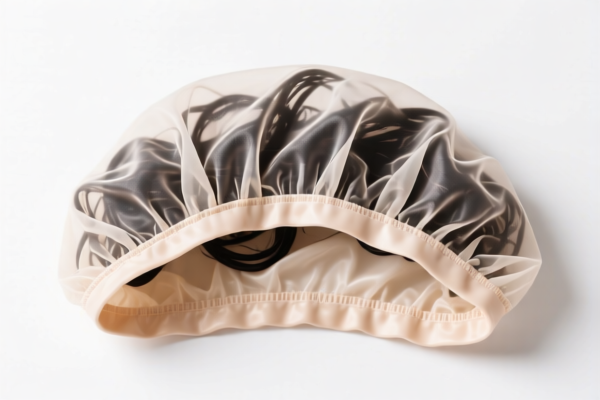
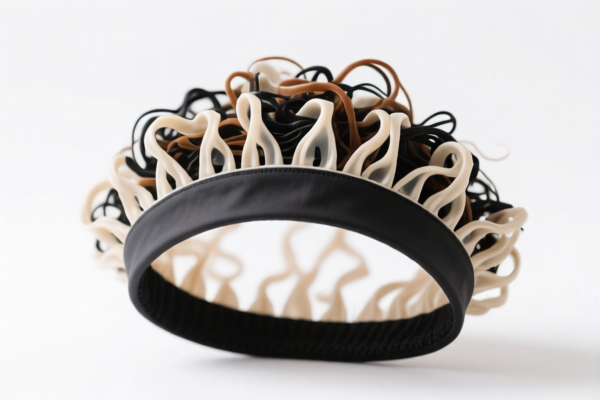
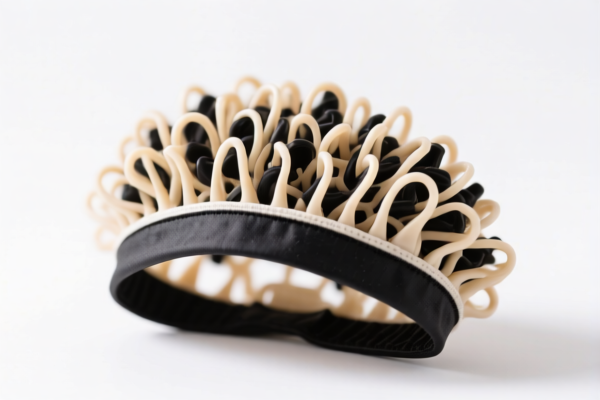
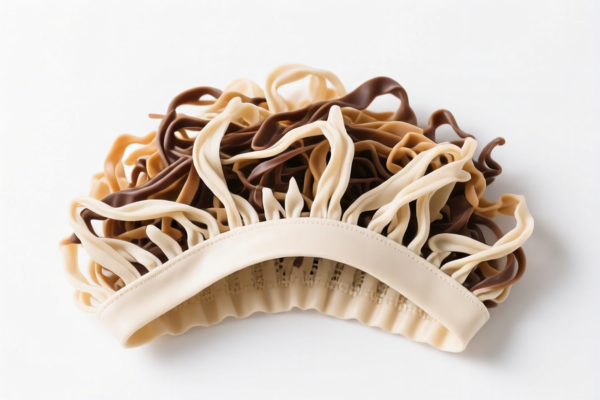
AI Analysis
🧢 Hair Care Caps (Thermal/Silicone/Cotton Headwear)
🌐 HS Code Reference & Customs Clearance Guide | 2026 Latest Tariff Analysis | Professional Level Clearance Strategy
📌 1. Product Definition & Classification: Do You Really Understand "Hair Care Caps"?
Hair care caps, often used in salons or for home spa treatments, are versatile headwear designed to retain heat, protect hair during coloring, or maintain humidity. In international trade, their classification depends entirely on the material composition and primary function, leading to significant differences in tariff liabilities. They are generally categorized into:
Plastic/Polymer/Silicone Caps: Heat-resistant, waterproof caps (often used for steaming or coloring).
Textile/Cotton Caps: Breathable, absorbent caps (often used for conditioning or drying).
⚠️ Key Distinction Point:
- If made of plastic, polymer, or silicone → Classified under Chapter 39 (Plastics) or Chapter 65 (Headgear) depending on structure.
- If made of textile materials (cotton, knit) → Classified under Chapter 65 (Headgear) as textile headwear.
📦 2. HS Code Classification Details (2026 Latest Tariff Authority Comparison)
| HS Code | Product Description | Application Scenario | Material Attribute |
|---|---|---|---|
3926.20.90.10 |
Plastic/Polymer Hair Care Cap | General plastic steaming caps, waterproof covers | ✅ Plastic/Polymer |
6506.91.00.30 |
Silicone or Plastic Hair Care Cap | Silicone thermal caps, structured headgear | ✅ Silicone/Plastic (Headgear) |
6506.91.00.60 |
Rubber or Plastic Headwear | Rubber-based heat caps, elastic headbands | ✅ Rubber/Plastic |
6505.00.15.40 |
Textile/Cotton Hair Care Cap | Knitted cotton bonnets, absorbent spa caps | ✅ Textile/Knitted |
6506.99.60.00 |
Other Material Caps | Non-plastic, non-textile miscellaneous headwear | ✅ "Other" (Fallback) |
🔍 Key Reminder:
- Plastic/Polymer items can fall under either 3926 (General plastic articles) or 6506 (Headgear), depending on whether they are classified as "headwear" or "other plastic articles."
- Silicone is often treated similarly to plastic but may have specific subheadings under Chapter 65 if structured as headgear.
- Textile caps must be classified under Chapter 65, not Chapter 60 (Knitted fabrics), if they are finished articles.
💰 3. 2026 Latest Tariff Rate Details (Including Surcharge, Policy Add-ons)
✅ Applicable Country: United States (US)
✅ Country of Origin: China (CN)
✅ Effective Date: 2025 November 10 (Includes subsequent imports)
🎯 1. 3926.20.90.10 —— Plastic/Polymer Hair Care Cap
| Item | Content |
|---|---|
| Base Tariff Rate | 5.0% (ad valorem) |
| Section 301 Surcharge | +25.0% (From USITC Footnote 9903.88.01) |
| IEEPA Surcharge | +10.0% (Against China/HK products, effective from Nov 10, 2025) |
| Total Tariff Rate | 40.0% |
| Tax Calculation | CIF Value × 40% |
| De Minimis Exemption Eligible | ❌ No (deny_de_minimis) |
| Legal Basis Path | IEEPA:9903.01.25 → IEEPA:9903.01.24 → USITC:3926.20.90.10 → FOOTNOTE:9903.88.01 |
📌 Explanation:
- "Section 301 Surcharge 25%" comes from the additional tariffs under "Section 301 of the Trade Act";
- "IEEPA 10%" is the additional tariff against China under the International Emergency Economic Powers Act;
- Total 40%, considered a high tariff, must be anticipated in advance!
🎯 2. 6506.91.00.30 —— Silicone or Plastic Hair Care Cap (Headgear)
| Item | Content |
|---|---|
| Base Tariff Rate | 0.0% |
| Section 301 Surcharge | +25.0% |
| IEEPA Surcharge | +10.0% |
| Total Tariff Rate | 35.0% |
| Tax Calculation | CIF × 35% |
| De Minimis Exemption Eligible | ❌ No |
| Legal Basis Path | IEEPA:9901.25 → IEEPA:9903.01.24 → USITC:6506.91.00.30 → FOOTNOTE:9903.88.01 |
📌 Note:
- Same as previous item, tax rate is consistent;
- Even if it is "Silicone Cap," "Structured Headwear," as long as it is headgear, this tariff applies.
- Savings: 5% lower than3926.20.90.10due to 0% base rate.
🎯 3. 6506.91.00.60 —— Rubber or Plastic Headwear
| Item | Content |
|---|---|
| Base Tariff Rate | 0.0% |
| Section 301 Surcharge | +25.0% |
| IEEPA Surcharge | +10.0% |
| Total Tariff Rate | 35.0% |
| Tax Calculation | CIF × 35% |
| De Minimis Exemption Eligible | ❌ No |
| Legal Basis Path | IEEPA:9901.25 → IEEPA:9903.01.24 → USITC:6506.91.00.60 → FOOTNOTE:9903.88.01 |
📌 Note:
- Similar to the previous item;
- "Rubber" components do not change the headgear classification;
- Savings: 5% lower than plastic-only caps under Chapter 39.
🎯 4. 6505.00.15.40 —— Textile/Cotton Hair Care Cap
| Item | Content |
|---|---|
| Base Tariff Rate | 7.9% |
| Section 301 Surcharge | +25.0% |
| IEEPA Surcharge | +10.0% |
| Total Tariff Rate | 42.9% |
| Tax Calculation | CIF × 42.9% |
| De Minimis Exemption Eligible | ❌ No |
| Legal Basis Path | IEEPA:9901.25 → IEEPA:9903.01.24 → USITC:6505.00.15.40 → FOOTNOTE:9903.88.01 |
📌 Note:
- Highest Base Rate among all categories (7.9%);
- Total tariff is 42.9%, higher than silicone/plastic headgear (35%);
- Textile materials often face higher base duties due to domestic protection policies.
🎯 5. 6506.99.60.00 —— Other Material Caps (Fallback Category)
| Item | Content |
|---|---|
| Base Tariff Rate | 8.5% |
| Section 301 Surcharge | +25.0% |
| IEEPA Surcharge | +10.0% |
| Total Tariff Rate | 43.5% |
| Tax Calculation | CIF × 43.5% |
| De Minimis Exemption Eligible | ❌ No |
| Legal Basis Path | IEEPA:9901.25 → IEEPA:9903.01.24 → USITC:6506.99.60.00 → FOOTNOTE:9903.88.01 |
📌 Note:
- Fallback Category for items that don't fit specific subheadings;
- Highest Total Tariff (43.5%) due to high base rate (8.5%);
- Avoid using this code unless necessary; misclassification can lead to higher costs.
🛠️ 4. Customs Clearance Practical Advice (Battle-Tested Pitfall Guide)
✅ 1. Preparation Checklist (Missing Items = Delay)
| Document | Required | Description |
|---|---|---|
| ✅ Product Specification Sheet | ✔️ | Material type (Silicone, Plastic, Cotton), heat resistance, size |
| ✅ Product Photos (Clear Label) | ✔️ | Show texture, structure, and any branding |
| ✅ Commercial Invoice | ✔️ | Clearly state "Hair Care Cap" and material (e.g., "100% Silicone") |
| ✅ Packing List | ✔️ | Confirm quantity and weight |
| ✅ Certifications (if any) | ✔️ | FDA, CPSIA, or Material Safety Data Sheet (MSDS) for plastics |
| ✅ Origin Certificate (CO) | ✔️ | If not China-origin, apply for preferential rates |
✅ 2. Declaration Tips (Key Mantra)
🔥 "Material Defines Code, Headgear Beats Plastic, Name Precise, Tariff Lower!"
| Situation | Correct Declaration | Wrong Practice |
|---|---|---|
| Silicone/Plastic Cap | 6506.91.00.30 or 6506.91.00.60 |
Misreported as 3926.20.90.10 → +5% Cost |
| Cotton/Knit Cap | 6505.00.15.40 |
Misreported as 3926 → Higher Base Rate |
| Generic "Hair Cap" | Specify Material (e.g., "Silicone") | Vague description → Custom Risk |
| Mixed Material Cap | Primary Material Determines Code | Split Declaration → 89.5% Penalty Risk |
✅ 3. Special Case Handling
| Situation | Handling Advice |
|---|---|
| OEM Custom Caps | Provide design drawings + Material Certificates to avoid "Miscellaneous" classification |
| Silicone + Textile Combo | Classify based on Primary Material or Essential Character; consult customs broker |
| Disposable Plastic Caps | Ensure they are "Hair Care" not "Medical" (Medical may have different codes) |
| Set with Gloves/Mirror | Declare as Set if marketed together; otherwise, split declaration |
🌍 5. Global Main Market Clearance Comparison (2026 Latest)
| Country/Region | Recommended HS Code | Tariff | Certification Requirement | Notes |
|---|---|---|---|---|
| 🇺🇸 USA | 6506.91.00.30 |
35% (China Origin) | FDA/CPSIA (if applicable) | 40% for Plastic-only (3926) |
| 🇨🇳 China | 6506.91.00.30 |
5-10% | No extra surcharge | Low base rate |
| 🇪🇺 EU | 6506.91 |
0-4% (if valid CE) | CE/RoHS | No Section 301/IEEPA |
| 🇬🇧 UK | 6506.91 |
0-4% | UKCA/RoHS | Post-Brexit rules apply |
| 🇯🇵 Japan | 6506.91 |
5-10% | PSE (if electrical) | No surcharge |
📌 Conclusion:
- USA has the highest total tariff due to Section 301 and IEEPA add-ons;
- Silicone/Plastic Headgear (6506.91) is the most cost-effective classification (35% vs 40%+);
- Textile Caps (6505) are more expensive due to higher base rates;
- For non-US markets, tariffs are significantly lower, and compliance is easier.
📌 6. Common Mistakes & Pitfall Guide (Lessons Learned)
❌ Mistake 1: Declaring Silicone Cap as 3926.20.90.10 (Plastic Article)
👉 Consequence: Base rate 5% vs 0% → Extra 5% cost per unit!
❌ Mistake 2: Declaring Cotton Cap as 3926 (Plastic)
👉 Consequence: Customs rejection or reclassification → Delay + Fine!
❌ Mistake 3: Using vague description "Hair Cap" without material
👉 Consequence: Customs assigns fallback code 6506.99.60.00 → Highest Tariff 43.5%!
❌ Mistake 4: Splitting Silicone Cap + Cotton Towel into separate shipments unnecessarily
👉 Consequence: Increased logistics cost vs. consolidated declaration benefit
✅ Correct Practice:
"Silicone Hair Steaming Cap, Heat Resistant, Diameter 20cm, Model XYZ, 100% Silicone"
"Cotton Knit Hair Bonnet, Absorbent, Pink, Model ABC, 100% Cotton"
🎯 7. Conclusion: Professional Declaration, Save Time, Cut Costs!
🎯 Remember the Mantra:
🔹 "Silicone/Plastic → Headgear (6506) → 35%";
🔹 "Plastic Article (3926) → 40%";
🔹 "Textile (6505) → 42.9%";
🔹 "Fallback (6506.99) → 43.5%";
🔹 "Choose 6506 to Save 5%!"
📌 Tips:
- If your hair care cap is originating from Vietnam, Thailand, or Malaysia, you may apply for IEEPA Exemption, reducing tariffs to 0-5%;
- It is recommended to apply for Advance Ruling for new product lines to avoid clearance risks.
📣 Take Action Now:
📞 Contact Professional Customs Broker + Provide Product Photos + Apply for HS Code Advance Ruling
🚀 Let Your Hair Care Caps Clear Customs Smoothly, Export Efficiently, and Double Profits!
✨ Professional Clearance Starts with Precise Classification!
💼 Every Penny of Your Cost Deserves to Be Precisely Calculated!
Customer Reviews
About HS Code Classification
The Harmonized System (HS) is an internationally standardized nomenclature developed by the World Customs Organization (WCO) to classify traded products. Over 200 countries use the HS system as the basis for customs tariffs, trade statistics, and import/export regulations.
Each HS code follows a hierarchical structure:
- Chapter (2 digits) — Broad category of goods (e.g., Chapter 84: Machinery and Mechanical Appliances)
- Heading (4 digits) — More specific grouping within the chapter
- Subheading (6 digits) — Internationally standardized breakdown, used by all WCO member countries
- National subdivisions (8-10 digits) — Country-specific extensions for further classification, such as US HTSUS 10-digit codes
Correct HS code classification is essential for smooth customs clearance, accurate duty payment, and compliance with trade regulations. Misclassification can lead to customs delays, overpayment of duties, or penalties.
When importing from CN to US, the applicable tariff rates may include:
- Most-Favored-Nation (MFN) rate — The standard duty rate applied to WTO members
- General rate — Applied to countries without trade agreements
- Trade remedy duties — Additional tariffs such as Section 301 (anti-dumping), Section 232 (national security), or countervailing duties
The information provided on this page is for reference purposes only. For official classification, please consult with your local customs authority or a licensed customs broker.