Hair Styling Tools
CN → US| HS Code | Tariff Rate | Origin | Destination | Doc |
|---|---|---|---|---|
| 8510209000 | 39.0% | CN | US | Official Doc |
| 8214906000 | 0.0% | CN | US | Official Doc |
| 8214909000 | 0.0% | CN | US | Official Doc |
| 8479896500 | 20.3% | CN | US | Official Doc |
| 3926909989 | 22.8% | CN | US | Official Doc |
Product Images
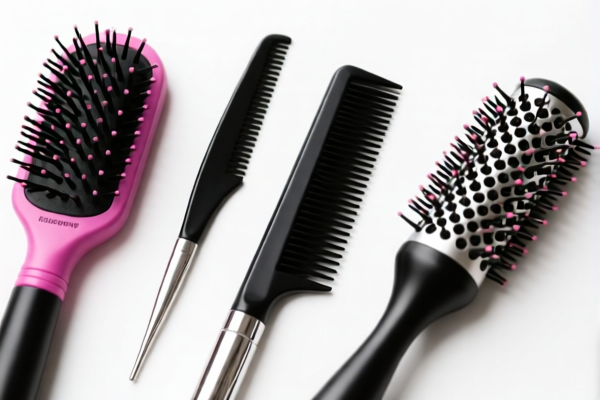
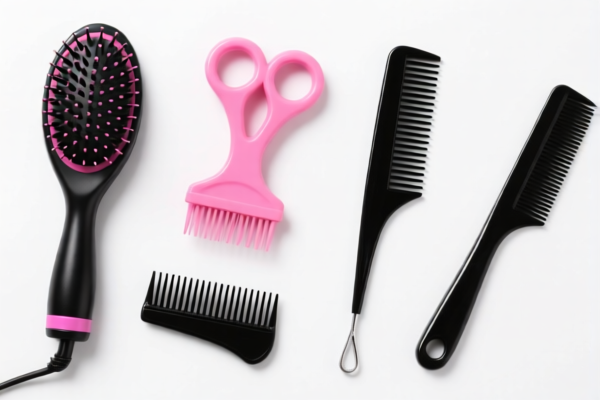


AI Analysis
✂️🔥 Hair Styling Tools (Barbers & Styling Appliances)
🌐 HS Code Reference & Customs Clearance Guide | 2026 Latest Tariff Analysis | Professional Entry Strategy
📌 I. Product Definition & Classification: Do You Really Know "Hair Styling Tools"?
Hair styling tools are essential devices for grooming and aesthetic maintenance. In international trade, they are broadly categorized by their function (cutting vs. styling) and power source (electric vs. manual/metallurgical). Misclassification often leads to significant duty discrepancies, especially under current trade restrictions.
There are two main categories:
Cutting Tools (Clippers/Scissors): Devices designed to cut hair. These are split between electric clippers (Chapter 85) and manual/metallurgical shears (Chapter 82).
Styling Appliances (Heating Tools): Devices like curling irons, hair straighteners, or "styling pots" that use heat. These can be classified as electrical appliances (Chapter 84) or plastic/metal components depending on construction (Chapter 39).
⚠️ Key Distinction Point:
- If it cuts hair and is electric → It belongs to 8510.
- If it cuts hair and is manual/metallurgical → It belongs to 8214.
- If it styles/heats hair and is electrical → It typically belongs to 8479 (machinery with self-contained motor).
- If it is primarily a plastic item with minor metallic parts for styling → It may fall under 3926.
📦 II. HS Code Classification Details (2026 Latest Tariff Authority Comparison)
| HS Code | Product Description | Application Scenario | Key Characteristics |
|---|---|---|---|
8510.20.90.00 |
Electric Hair Clippers - Other (Fallback Category) | Electric hair clippers, beard trimmers | ✅ Electric, Cutting, No specific sub-heading fits |
8214.90.60.00 |
Other Cutlery - Manicure/pedicure sets & similar | Manual metal hair scissors, tweezers | ✅ Manual/Metallurgical, Cutting |
8214.90.90.00 |
Other Cutlery - Hairdressing shears etc. | Explicitly listed hairdressing shears (manual) | ✅ Manual/Metallurgical, Specifically for Hair |
8479.89.65.00 |
Machines - Hair styling pots/appliances with self-contained electric motor | Electric curling irons, flat irons, heating styling tools | ✅ Electrical, Styling/Heating, Has Motor/Heating Element |
3926.90.99.89 |
Plastic Articles - Other (Fallback) | Plastic-handled or fully plastic styling tools | ✅ Plastic/Metal Components, Non-electrical or minor electrical parts |
🔍 Critical Reminder:
- Electric Clippers (8510) are generally treated differently than Manual Scissors (8214) due to their electronic nature.
- Styling Tools (8479) are classified as machinery because they contain heating elements and motors.
- Plastic Items (3926) are only used if the product does not fit the specific electrical or metallurgical definitions, often serving as a "fallback" for non-standard composite materials.
💰 III. 2026 Latest Tariff Rate Breakdown (Including Additional Taxes & Policy Surcharges)
✅ Applicable Country: United States (US)
✅ Origin: China (CN)
✅ Effective Time: 2025/2026 (Current Trade Environment)
🎯 1. 8510.20.90.00 —— Electric Hair Clippers (Other)
| Item | Content |
|---|---|
| Base Duty | 4.0% |
| Section 301 Tariff | +25.0% |
| Section 122 Tariff | +10.0% |
| Total Duty Rate | 39.0% |
| Tax Calculation | CIF Value × 39% |
| De Minimis Eligibility | ❌ Not Eligible (High duty rate excludes small package relief) |
| Legal Basis Path | USITC:8510.20.90.00 → Section 301: 25% → Section 122: 10% |
📌 Explanation:
- Electric clippers are subject to the standard base rate plus significant trade war surcharges.
- The 39% total is a heavy burden. Ensure your HS Code is correct; if misclassified as a simple accessory, duties could change, but 8510 is the standard for electric clippers.
🎯 2. 8214.90.60.00 —— Other Cutlery (Manicure/Pedicure/Non-Hair Specific)
| Item | Content |
|---|---|
| Base Duty | 0.2¢ each + 3.1% |
| Section 301 Tariff | +0.0% |
| Section 122 Tariff | +10.0% |
| Total Duty Rate | 0.2¢ each + 13.1% |
| Tax Calculation | Per unit charge + CIF × 13.1% |
| De Minimis Eligibility | ⚠️ Check Threshold (Low duty base may allow de minimis for small parcels, but verify current $800 limit rules) |
| Legal Basis Path | USITC:8214.90.60.00 → Section 122: 10% |
📌 Note:
- This code applies to non-hair-specific cutlery or general manicure tools. If the product is explicitly "hair scissors," see below.
🎯 3. 8214.90.90.00 —— Other Cutlery (Hairdressing Shears)
| Item | Content |
|---|---|
| Base Duty | 1.4¢ each + 3.2% |
| Section 301 Tariff | +0.0% |
| Section 122 Tariff | +10.0% |
| Total Duty Rate | 1.4¢ each + 13.2% |
| Tax Calculation | Per unit charge + CIF × 13.2% |
| De Minimis Eligibility | ⚠️ Check Threshold |
| Legal Basis Path | USITC:8214.90.90.00 → Section 122: 10% |
📌 Note:
- Specifically for manual hairdressing shears.
- The per-unit duty (1.4¢) applies to each pair/scissor.
- No Section 301 tariff (25%) applies here, only Section 122 (10%), making it cheaper than electric clippers for manual tools.
🎯 4. 8479.89.65.00 —— Hair Styling Pots/Appliances (Electrical)
| Item | Content |
|---|---|
| Base Duty | 2.8% |
| Section 301 Tariff | +7.5% |
| Section 122 Tariff | +10.0% |
| Total Duty Rate | 20.3% |
| Tax Calculation | CIF Value × 20.3% |
| De Minimis Eligibility | ❌ Not Eligible |
| Legal Basis Path | USITC:8479.89.65.00 → Section 301: 7.5% → Section 122: 10% |
📌 Explanation:
- This is the standard classification for electric curling irons, straighteners, and "styling pots".
- The 20.3% rate is significantly lower than electric clippers (39%) but higher than non-electrical items.
- Section 301 tariff is 7.5% (not 25% for this specific sub-category under certain listings).
🎯 5. 3926.90.99.89 —— Plastic Articles (Styling Tools)
| Item | Content |
|---|---|
| Base Duty | 5.3% |
| Section 301 Tariff | +7.5% |
| Section 122 Tariff | +10.0% |
| Total Duty Rate | 22.8% |
| Tax Calculation | CIF Value × 22.8% |
| De Minimis Eligibility | ❌ Not Eligible |
| Legal Basis Path | USITC:3926.90.99.89 → Section 301: 7.5% → Section 122: 10% |
📌 Note:
- Applied to plastic-based styling tools that do not fit the electrical machinery definition or are considered "other plastic articles."
- Often used as a fallback if the product lacks a self-contained motor or electrical heating element but is still used for styling.
🛠️ IV. Customs Clearance Practical Advice (Battle-Tested Pitfall Guide)
✅ 1. Preparation Checklist (None Missing)
| Material | Mandatory | Description |
|---|---|---|
| ✅ Product Specification Sheet | ✔️ | Must detail power input (V/W), material (Plastic/Metal), and function (Cut/Heat) |
| ✅ Product Photos (Clear) | ✔️ | Show brand, model, and any labels indicating "Electric" or "Manual" |
| ✅ Commercial Invoice | ✔️ | Clearly state "Hair Clipper" or "Hair Straightener," not just "Beauty Tool" |
| ✅ Packing List | ✔️ | List accessories (cords, combs) separately if they are not part of the main unit |
| ✅ CE/FCC Reports | ✔️ | Required for electrical items (8479/8510) to prove safety compliance |
✅ 2. Declaration Tips (Key Mantras)
🔥 "Electric Clipper is 8510, Manual Scissors is 8214, Styling Heat is 8479, Plastic Fallback is 3926!"
| Situation | Correct Declaration | Wrong Practice |
|---|---|---|
| Electric Hair Clipper | 8510.20.90.00 |
Misdeclaring as 8214 (Manual) → Risk of Penalty |
| Manual Hair Scissors | 8214.90.90.00 |
Misdeclaring as 8510 → Overpaying Duty |
| Electric Curling Iron | 8479.89.65.00 |
Misdeclaring as 3926 (Plastic) → Customs Rejection |
| Plastic Styling Comb | 3926.90.99.89 |
Misdeclaring as 8510 → Unnecessary High Duty |
✅ 3. Special Case Handling
| Situation | Handling Advice |
|---|---|
| Multi-function Device (e.g., Clipper + Trimmer) | Declare as 8510.20.90.00 if the primary function is cutting. |
| Heating & Cutting Combo | Separate declaration required. Heating part: 8479, Cutting part: 8510. |
| OEM/Private Label | Ensure the invoice reflects the actual brand. If "No Brand," declare as such to avoid confusion. |
| Gift Sets | Declare the highest duty component as the primary item, or split invoice clearly. |
🌍 V. Global Market Comparison (2026 Latest)
| Country/Region | Recommended HS Code | Tariff Rate (China Origin) | Certification Required | Notes |
|---|---|---|---|---|
| 🇺🇸 USA | 8510.20.90.00 (Clippers) |
39.0% | FCC, UL | High Section 301 + Section 122 |
| 🇺🇸 USA | 8479.89.65.00 (Stylers) |
20.3% | FCC, UL | Lower than clippers |
| 🇺🇸 USA | 8214.90.90.00 (Scissors) |
13.2% + per-unit | N/A | No Section 301 |
| 🇪🇺 EU | 8510.10.00 (Clippers) |
~12.5% | CE, RoHS | No Section 122 equivalent |
| 🇨🇳 China | 8510.10.00 (Clippers) |
10% | CCC | Export duty may apply |
📌 Conclusion:
- USA has the most complex tariff structure with Section 122 (10%) and Section 301 (varies 0%-25%) applying differently based on the HS code.
- Electric Clippers (8510) face the highest total burden (39%).
- Styling Heaters (8479) are more cost-effective (20.3%).
- Manual Scissors (8214) avoid the 25% Section 301 tariff but incur a 10% Section 122 tariff.
📌 VI. Common Errors & Pitfall Guide (Lessons Learned)
❌ Error 1: Declaring an Electric Clipper as Manual Scissors (8214)
👉 Consequence: Customs will detect the motor/power cord → Seizure or Heavy Fine.
❌ Error 2: Declaring a Heating Styling Tool as Plastic Article (3926) when it has a motor/heating element
👉 Consequence: Incorrect classification → Delay in Clearance, additional inspection costs.
❌ Error 3: Ignoring Section 122 Tariff (10%)
👉 Consequence: All these HS codes are subject to this 10% surcharge. Failing to include it leads to underpayment and penalties.
❌ Error 4: Using vague descriptions like "Beauty Tool"
👉 Consequence: Customs cannot determine the correct HS Code → 100% Inspection Required.
✅ Correct Practice:
"Electric Hair Clipper, Model ABC, 110V, 50W, with Charging Cable, FCC Certified"
HS Code: 8510.20.90.00
🎯 VII. Conclusion: Precision in Classification Saves Money!
🎯 Remember the Mantra:
🔹 "Electric Cut = 39% (8510), Manual Cut = 13.2% (8214), Electric Heat = 20.3% (8479)."
🔹 "Always include Section 122 (10%) in your cost calculation!"
📌 Pro Tip:
- For high-volume shipments, consider applying for an Advance Ruling from US Customs if your product is novel.
- If you are exporting Manual Scissors (8214), you benefit from a lower Section 301 rate (0% vs 25%), making it a more tax-efficient option for cutting tools compared to electric ones.
📣 Immediate Action:
📞 Consult with a licensed customs broker.
📸 Provide clear photos of the product (on/off, plug, blade).
📝 Ensure your commercial invoice matches the HS Code description exactly.
✨ Professional Customs Clearance Starts with Accurate Classification!
💼 Every Percentage Point Matters in Your Profit Margin!
Customer Reviews
About HS Code Classification
The Harmonized System (HS) is an internationally standardized nomenclature developed by the World Customs Organization (WCO) to classify traded products. Over 200 countries use the HS system as the basis for customs tariffs, trade statistics, and import/export regulations.
Each HS code follows a hierarchical structure:
- Chapter (2 digits) — Broad category of goods (e.g., Chapter 84: Machinery and Mechanical Appliances)
- Heading (4 digits) — More specific grouping within the chapter
- Subheading (6 digits) — Internationally standardized breakdown, used by all WCO member countries
- National subdivisions (8-10 digits) — Country-specific extensions for further classification, such as US HTSUS 10-digit codes
Correct HS code classification is essential for smooth customs clearance, accurate duty payment, and compliance with trade regulations. Misclassification can lead to customs delays, overpayment of duties, or penalties.
When importing from CN to US, the applicable tariff rates may include:
- Most-Favored-Nation (MFN) rate — The standard duty rate applied to WTO members
- General rate — Applied to countries without trade agreements
- Trade remedy duties — Additional tariffs such as Section 301 (anti-dumping), Section 232 (national security), or countervailing duties
The information provided on this page is for reference purposes only. For official classification, please consult with your local customs authority or a licensed customs broker.